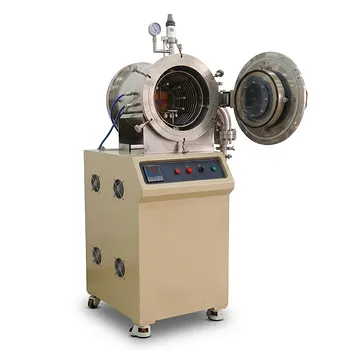
What is the purpose of using a benchtop vacuum drying oven for electrode sheets? Enhance Purity & Stability
Updated 3 months ago
The primary purpose of using a benchtop vacuum drying oven for electrode sheets is to achieve deep dehydration and solvent removal without damaging sensitive materials. By operating under low pressure, these ovens facilitate the evaporation of residual water and high-boiling-point solvents (such as NMP) at significantly lower temperatures, preventing material oxidation and ensuring the mechanical integrity of the electrode layer.
Core Takeaway: Vacuum thermal treatment is a critical post-processing step that ensures electrode purity and structural stability. It removes trace contaminants that would otherwise trigger parasitic side reactions, cause material delamination, or degrade the electrochemical performance of the final energy storage device.
The Mechanism of Vacuum-Assisted Drying
Lowering Solvent Boiling Points
The vacuum environment significantly reduces the ambient pressure, which in turn lowers the boiling point of residual liquids. This allows high-boiling-point solvents like N-methyl-pyrrolidone (NMP) to be removed efficiently at moderate temperatures, typically between 80°C and 120°C.
Accelerated Moisture Extraction
Deep drying is essential because even trace amounts of moisture can be detrimental to battery chemistry. The low-pressure environment accelerates the evaporation of water molecules adsorbed on the surface and trapped within the micropores of the active materials.
Protecting Material Integrity
Prevention of Oxidative Degradation
Many electrode components, such as copper foil current collectors or MXene nanosheets, are highly susceptible to oxidation when heated in the presence of air. By evacuating the chamber, the oven isolates the materials from oxygen, preserving their electrical conductivity and chemical composition.
Preservation of Crystal Structure and Morphology
Certain advanced materials, such as sodium-ion precursors or hydration products, have sensitive crystal structures that can collapse under high heat. Vacuum drying allows for "gentle" thermal treatment at lower temperatures (sometimes as low as 40°C), which protects the original 2D layered structures and micro-morphology.
Enhancing Electrochemical Performance
Improving Adhesion and Mechanical Stability
The removal of residual solvents and moisture strengthens the bond between the active material slurry and the current collector (copper or aluminum foil). This prevents the electrode from peeling or delaminating during the physical stresses of battery charge-discharge cycles.
Optimizing Electrolyte Infiltration
Thoroughly drying the electrodes ensures that the pores within the active material remain pure and unobstructed. This allows the liquid electrolyte to fully infiltrate the electrode structure, maximizing the specific capacitance and improving the overall ion transport rate.
Maximizing Coulombic Efficiency
In systems like sodium-ion batteries, residual water can cause electrolyte decomposition, leading to poor initial coulombic efficiency (ICE). High-precision vacuum drying ensures the electrodes are completely dry before assembly in a glove box, which is a prerequisite for long-term cycling stability.
Understanding the Trade-offs
Cycle Time vs. Throughput
Vacuum drying is often a time-intensive process, frequently requiring 12 hours or more to ensure total moisture removal. While benchtop ovens are excellent for laboratory precision, the batch-processing nature can become a bottleneck in high-volume production environments.
Temperature Uniformity Risks
In a vacuum, heat transfer via convection is eliminated, leaving only conduction and radiation. If the electrode sheets are not in direct contact with the heated shelves, or if the oven design is poor, uneven heating can occur, leading to inconsistent drying levels across a single batch.
Making the Right Choice for Your Goal
How to Apply This to Your Project
- If your primary focus is sensitive 2D materials (e.g., MXenes): Use a high-vacuum environment to isolate oxygen and keep temperatures below 120°C to maintain electrical conductivity.
- If your primary focus is sodium-ion battery assembly: Prioritize a deep vacuum at 80°C to 120°C to eliminate all trace moisture, as this is vital for preventing electrolyte side reactions and ensuring high initial efficiency.
- If your primary focus is mechanical durability: Ensure a minimum 12-hour drying cycle at 80°C to maximize the adhesion between the slurry and the current collector, preventing future delamination.
- If your primary focus is preserving delicate phase structures: Utilize a low-temperature vacuum setting (approx. 40°C) to remove solvents without triggering unwanted phase transformations or morphological damage.
By precisely controlling the pressure and temperature during the final drying stage, researchers can guarantee the chemical purity and structural longevity required for high-performance electrochemical cells.
Summary Table:
| Key Aspect | Mechanism in Vacuum Drying | Benefit to Electrode Performance |
|---|---|---|
| Solvent Removal | Lowers boiling points of NMP/moisture | Eliminates impurities and prevents side reactions. |
| Oxidation Control | Creates an oxygen-free environment | Preserves the conductivity of copper foils and MXenes. |
| Structural Integrity | Allows for low-temperature heat treatment | Protects sensitive crystal structures and 2D layers. |
| Mechanical Bonding | Deep drying of the active material slurry | Strengthens adhesion to prevent delamination. |
| Ion Transport | Opens pores within the active material | Optimizes electrolyte infiltration for faster cycling. |
Optimize Your Electrode Research with THERMUNITS Precision Solutions
At THERMUNITS, we understand that deep dehydration and precise thermal control are critical for high-performance battery material R&D. As a leading manufacturer of high-temperature laboratory equipment, we provide the advanced vacuum solutions needed to ensure your materials reach their maximum electrochemical potential.
Whether you are processing sensitive 2D materials like MXenes or scaling sodium-ion battery production, our equipment guarantees chemical purity and structural longevity. Our comprehensive product range includes:
- Specialized Furnaces: Vacuum, Atmosphere, Muffle, Tube, Rotary, and Hot Press Furnaces.
- Advanced Systems: CVD/PECVD systems and Vacuum Induction Melting (VIM) furnaces.
- Specialty Equipment: Dental Furnaces, electric rotary kilns, and high-grade Thermal Elements.
Ready to elevate your lab's thermal treatment efficiency? Contact THERMUNITS Today to consult with our experts on the perfect heat treatment solution for your material science requirements.
References
- Thanapat Autthawong, Thapanee Sarakonsri. Biomass Waste Utilization as Nanocomposite Anodes through Conductive Polymers Strengthened SiO2/C from Streblus asper Leaves for Sustainable Energy Storages. DOI: 10.3390/polym16101414
Mentioned Products
- 1750°C High Temperature Benchtop Vacuum Atmosphere Tube Furnace with Kanthal Super 1800 Heating Elements and 60mm Alumina Processing Tube
- High Temperature 1700C Benchtop Tube Furnace with 5 Inch Heating Zone High Purity Alumina Tube and Vacuum Sealing Flanges
- 1800C Bench Top Muffle Furnace 18 Liters with Kanthal Super 1900 Heating Elements for High Purity Ceramic Sintering and Material Research
- High Temperature Benchtop Muffle Furnace with Quartz Observation Window for Thermal Imaging and Material Analysis
- Bottom Loading Vacuum Furnace 1200C Rapid Cooling Atmosphere Control Quartz Chamber
People Also Ask
- What core functions does a high-temperature vacuum tube furnace provide? Optimize np-CuSn Sintering & Joint Integrity
- What is the role of a high-temperature tube furnace in the calcination process of ZnO/In2O3 nanocomposites?
- What role does a high-temperature tube furnace play in the sulfidation heat treatment of CoS@C/MXene nanocomposites? Guide
- Why is a high-temperature tube furnace required for CuAlO2 heat treatment? Master Phase Transformation Today
- What role does a high-temperature tube furnace play in executing nitrogen absorption kinetic experiments? Expert Insights

Tech Team · ThermUnits
Last updated on Jun 02, 2026
Related Products
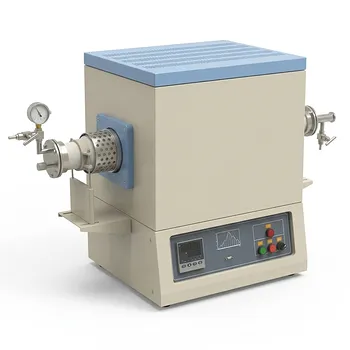
1750°C High Temperature Benchtop Vacuum Atmosphere Tube Furnace with Kanthal Super 1800 Heating Elements and 60mm Alumina Processing Tube
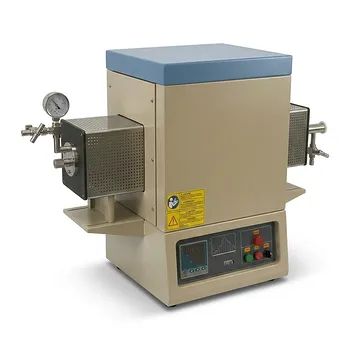
High Temperature 1700C Benchtop Tube Furnace with 5 Inch Heating Zone High Purity Alumina Tube and Vacuum Sealing Flanges
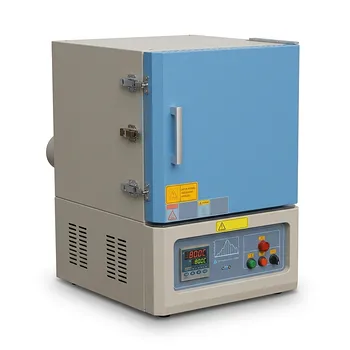
1800C Bench Top Muffle Furnace 18 Liters with Kanthal Super 1900 Heating Elements for High Purity Ceramic Sintering and Material Research
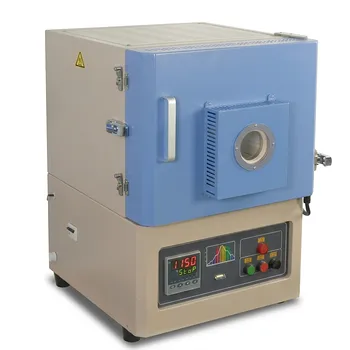
High Temperature Benchtop Muffle Furnace with Quartz Observation Window for Thermal Imaging and Material Analysis
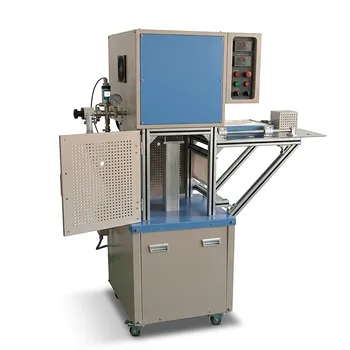
Bottom Loading Vacuum Furnace 1200C Rapid Cooling Atmosphere Control Quartz Chamber
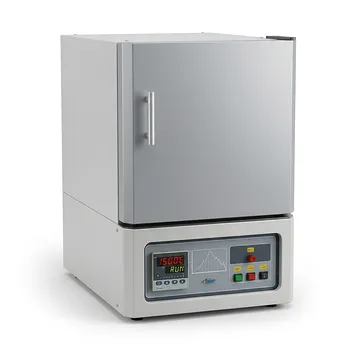
High Temperature 1500C Benchtop Muffle Furnace 3.6L Alumina Fiber Chamber Programmable Controller Sintering Annealing Carbonization Thermal Processing System
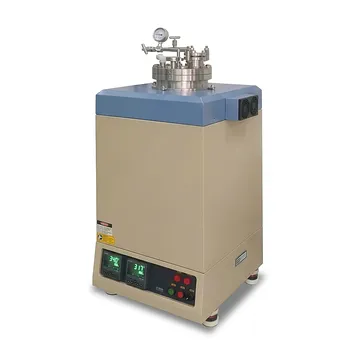
High Temperature 1000C Vacuum Furnace with 8 Inch ID Chamber for Material Sintering and Research Annealing
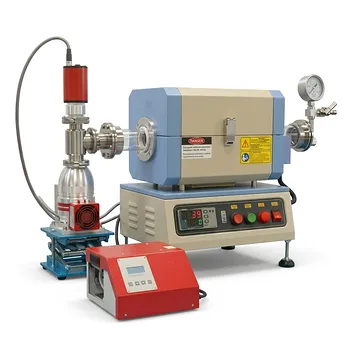
High Vacuum Compact Tube Furnace 1200C with Integrated Turbo Pump System and 8 Inch Heating Zone