What is the role of a high-precision vertical tube furnace in equilibrium experiments for the 'CuO0.5'-CaO-AlO1.5 slag system?
Updated 3 months ago
The high-precision vertical tube furnace is the fundamental tool for establishing and "freezing" the thermodynamic states of the 'CuO0.5'-CaO–AlO1.5 slag system. By providing a uniform heating zone—typically maintained at 1400°C—and a vertical orientation designed for rapid quenching, this equipment allows researchers to reach a precise multi-phase equilibrium between oxide liquids, metallic phases, and solid phases before instantly capturing that state for analysis.
Core Takeaway: To accurately study complex slag systems, a vertical tube furnace is required to provide extreme thermal stability and the mechanical capability to perform "drop quenching," which is the only way to preserve high-temperature phase distributions for room-temperature examination.
Ensuring Thermal and Chemical Equilibrium
Maintaining Long-Term Thermal Stability
In 'CuO0.5'-CaO–AlO1.5 experiments, the furnace must maintain a stable environment at approximately 1400°C for extended periods. Equipped with Silicon Carbide (SiC) or Molybdenum Disilicide (MoSi2) heating elements, these furnaces ensure the thermal fluctuations are minimized, which is critical for reaching true thermodynamic equilibrium.
Achieving Multi-Phase Interaction
The furnace provides the necessary isothermal environment for the oxide liquids, metallic phases, and solid phases to interact. Without a uniform heating zone, temperature gradients would cause localized chemical variations, leading to inaccurate data regarding the slag's solubility and phase boundaries.
High-Purity Material Containment
High-quality aluminosilicate or alumina ceramic working tubes are utilized within the furnace to withstand extreme temperatures. These tubes prevent contamination of the slag sample and allow for precise atmosphere control, such as introducing Argon or CO to simulate specific smelting conditions.
The Structural Necessity of Vertical Orientation
Precision Sample Positioning
The vertical configuration is specifically designed to facilitate the hanging and suspension of samples within the furnace's "sweet spot." This ensures the slag is located precisely in the center of the uniform heating zone, where the temperature field is most stable and predictable.
The Critical Role of Drop Quenching
A primary advantage of the vertical design is the ability to perform drop quenching. At the conclusion of the experiment, the sample is released and falls rapidly into a cooling medium, which "freezes" the high-temperature phase equilibrium state for subsequent microscopic and chemical analysis.
Simulating Industrial Temperature Profiles
Advanced vertical furnaces feature movable bases or high-accuracy control systems that allow for complex temperature profiles. This allows researchers to simulate the transition from a high-temperature homogenization phase (e.g., 1600°C) to a lower-temperature separation phase (e.g., 1450°C) with high precision.
Understanding the Trade-offs and Pitfalls
Thermal Gradient Risks
Even in high-precision furnaces, the "constant temperature zone" is limited in size. If the sample is not positioned perfectly within this zone, a temperature gradient can occur, preventing the slag from reaching a uniform equilibrium and skewing the resulting phase diagram.
Quenching Delay and Phase Transformation
The success of the experiment relies on the speed of the drop quench. Any mechanical delay during the transition from the hot zone to the cooling medium can allow the sample to partially crystallize or shift phases, leading to an inaccurate representation of the 1400°C state.
Refractory Degradation
At temperatures near 1400°C, the chemical components of the slag, particularly copper oxides, can be aggressive. Over time, this can lead to the degradation of the alumina tubes, potentially introducing impurities into the experiment or causing vacuum leaks in atmosphere-controlled tests.
How to Apply This to Your Research
Selecting Equipment Based on Objectives
The choice of furnace configuration should depend on the specific requirements of your slag analysis.
- If your primary focus is phase boundary mapping: Prioritize a furnace with a large, verified isothermal zone and Molybdenum Disilicide elements for maximum stability at 1400°C+.
- If your primary focus is reaction kinetics: Ensure the furnace is equipped with a high-speed drop-quench mechanism to capture transient states as quickly as possible.
- If your primary focus is atmosphere-sensitive reduction: Invest in a system with high-purity alumina tubes and precision mass flow controllers for Carbon Monoxide and Argon.
The high-precision vertical tube furnace is the only reliable way to bridge the gap between high-temperature slag chemistry and precise room-temperature analytical techniques.
Summary Table:
| Feature | Key Function | Research Benefit |
|---|---|---|
| Vertical Orientation | Rapid Drop Quenching | "Freezes" high-temp phase states for analysis |
| Isothermal Zone | Uniform Heating | Ensures precise multi-phase thermodynamic equilibrium |
| Alumina Tubes | Chemical Containment | Prevents sample contamination and resists degradation |
| Atmosphere Control | Controlled Gas Flow | Accurately simulates industrial smelting conditions |
Elevate Your Material Research with THERMUNITS Precision Technology
As a leading manufacturer of high-temperature laboratory equipment for material science and industrial R&D, THERMUNITS provides the advanced thermal processing solutions required for complex metallurgical studies. Our high-precision vertical tube furnaces are specifically designed for the rigorous demands of slag equilibrium experiments, offering unparalleled thermal stability and rapid-quench capabilities.
Our comprehensive range of high-performance equipment includes:
- Furnaces: Muffle, Vacuum, Atmosphere, Tube, Rotary, and Hot Press systems.
- Specialized Systems: CVD/PECVD, Dental Furnaces, and Electric Rotary Kilns.
- Advanced Melting: Vacuum Induction Melting (VIM) and Thermal Elements.
Ensure the accuracy of your phase diagrams with equipment engineered for excellence. Contact our experts today to find the perfect thermal solution for your laboratory or industrial R&D needs!
References
- Georgii Khartcyzov, Evgueni Jak. Distribution of Pb, Zn, Fe, As, Sn, Sb, Bi, and Ni Between Oxide Liquid and Metal in the ‘CuO0.5’-CaO-AlO1.5 System in Equilibrium with Cu Metal at 1400 °C. DOI: 10.1007/s40831-024-00952-w
Mentioned Products
- High Temperature 1700C Vertical Tube Furnace for Powder Spherification and Material Sintering
- 500C Vacuum Vertical Tube Furnace 84mm OD Sample Rotation Lifting System
- 1200°C High Temperature 4 Inch Tube Furnace with Sliding Flange for CVD Systems
- Large Vertical Three Zone Tube Furnace with 8 Inch or 11 Inch Quartz Tube and High Vacuum Flanges 1200C
- High Temperature Vertical Split Tube Furnace with PID Temperature Controller for 1 and 2 Inch Processing Tubes
People Also Ask
- What role does a high-temperature vertical tube furnace play in simulating high-carbon ferromanganese slag formation?
- What functions does a vertical high-temperature tube furnace perform? Master Industrial Sintering & R&D Simulation
- What is the primary function of a high-temperature tube furnace in Cu1-N-C synthesis? Precision Thermal Control.
- High-Temp Tube Furnace Role in Converting Microbial Proteins to Iron Single-Atom Sites: Expert Synthesis Guide
- What impact does the heating rate of a tube furnace have on biochar microstructure? Optimize Your Material R&D.

Tech Team · ThermUnits
Last updated on Jun 03, 2026
Related Products

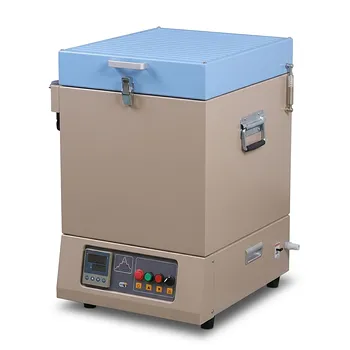
High Temperature 1700C Vertical Tube Furnace for Powder Spherification and Material Sintering
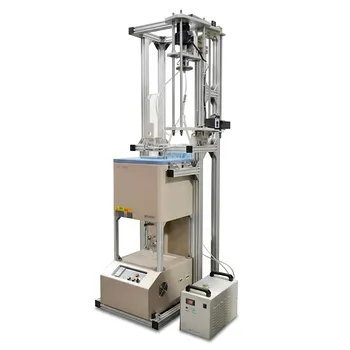
500C Vacuum Vertical Tube Furnace 84mm OD Sample Rotation Lifting System
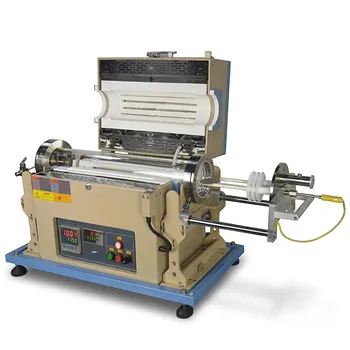
1200°C High Temperature 4 Inch Tube Furnace with Sliding Flange for CVD Systems
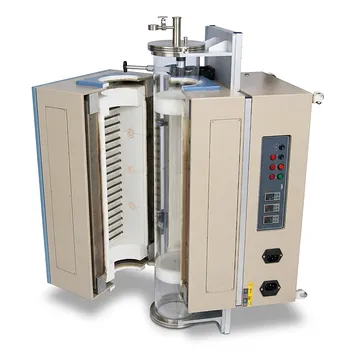
Large Vertical Three Zone Tube Furnace with 8 Inch or 11 Inch Quartz Tube and High Vacuum Flanges 1200C
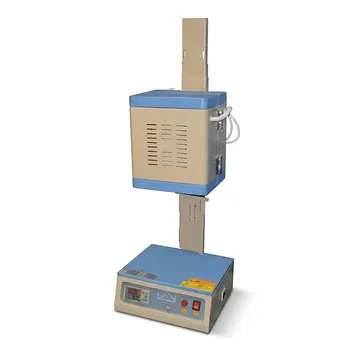
High Temperature Vertical Split Tube Furnace with PID Temperature Controller for 1 and 2 Inch Processing Tubes

Vertical 1700C Vacuum and Atmosphere Tube Furnace with 80mm Alumina Tube
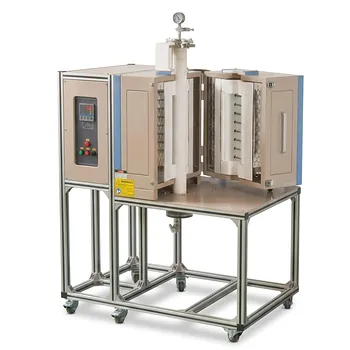
High Temperature 1700C Vertical Split Tube Furnace for Material Quenching and Single Crystal Growth
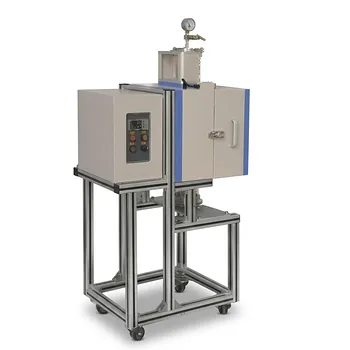
1200°C 5 Inch Vertical Quartz Tube Furnace with Stainless Steel Vacuum Flanges
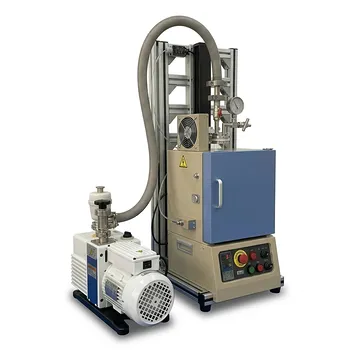
1200C High Temperature Vertical Sliding Furnace with Rapid Thermal Processing and Vacuum Tube Hybrid Capabilities
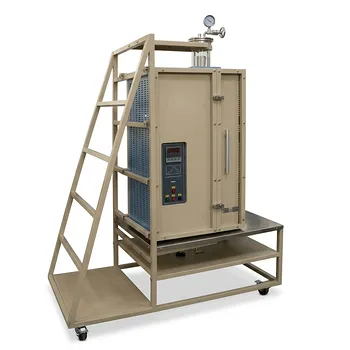
Split Vertical Tube Furnace with 1200C Quartz Tube and Stainless Steel Vacuum Flanges for Rapid Thermal Processing
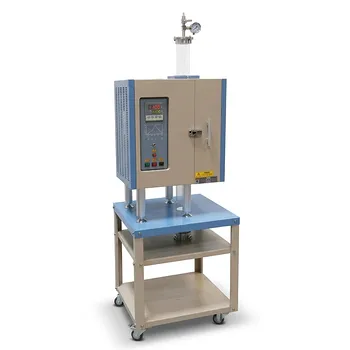
1100°C Split Vertical Tube Furnace with 80mm Quartz Tube and Stainless Steel Vacuum Flanges
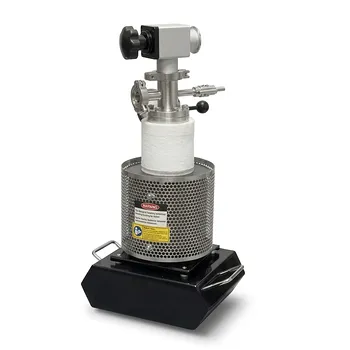
High Temperature 1100C Compact Top Loading Vertical Vacuum Tube Furnace for High Vacuum Noble Metal Melting and Material Research
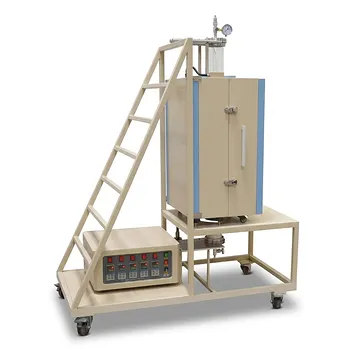
Five Zone Split Vertical Tube Furnace 1200C Max with 4 Inch Quartz Tube and Stainless Steel Vacuum Flanges
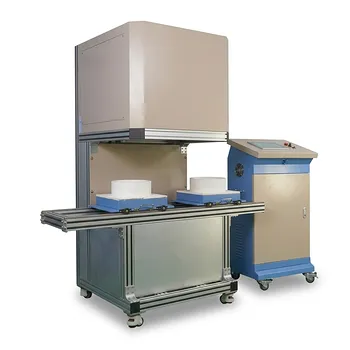
High Temperature Bottom Loading Vertical Furnace 1700C Dual Stage Sample Processing System 18L Large Capacity Thermal Treatment Equipment
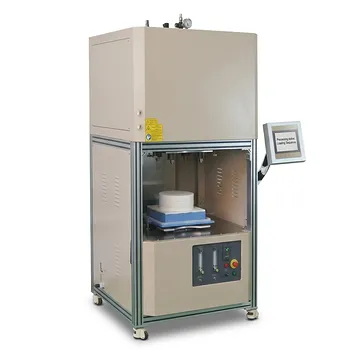
High Temperature Vertical Atmosphere Controlled Furnace with Automatic Bottom Loading and 1700°C Capacity for Advanced Material Research
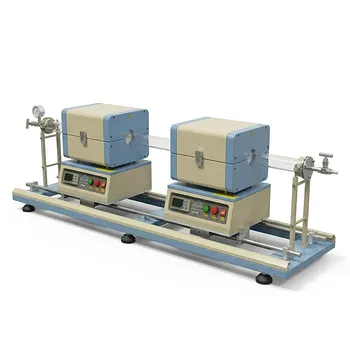
1200C Max Dual Sliding Tube Furnace with 50 mm Tube Flanges for CVD
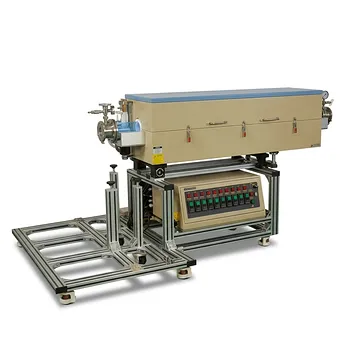
Ten Zone Multi Orientation Laboratory Tube Furnace for 1200C High Temperature Gradient Thermal Processing

Compact Vertical Split Quartz Tube Furnace with Stainless Steel Vacuum Flanges for Rapid Thermal Quenching and Controlled Atmosphere Material Processing
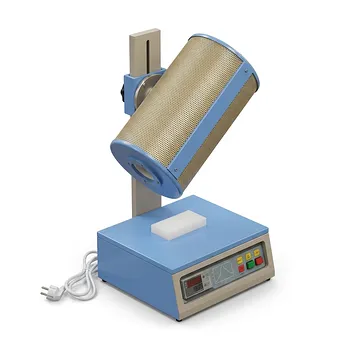
1100°C Vertical Laboratory Furnace for DIY Tubular Reactors with PID Temperature Controller