What is the significance of furnace sealing and gas flow control in an atmosphere furnace? Optimize Carbon Synthesis
Updated 3 months ago
Atmosphere integrity is the foundation of high-performance carbon synthesis. In the preparation of doped carbon supports, furnace sealing prevents unintended oxidation by isolating precursors from external air, while precise gas flow control ensures uniform heteroatom integration and stable pore development.
High sealing performance and precise gas flow are non-negotiable for creating functionalized carbon; they transform a furnace from a simple heater into a controlled chemical reactor. Together, they prevent the combustion of precursors and allow for the surgical embedding of nitrogen, phosphorus, or boron into the carbon lattice.
The Role of High Sealing Performance
Preventing Unintended Oxidation and Combustion
The primary function of high-quality sealing is to maintain an oxygen-free environment. At the high temperatures required for carbonization (often exceeding 650°C), carbon precursors and biomass are highly susceptible to combustion if even trace amounts of oxygen leak into the system.
Protecting Precursor Integrity and Heating Elements
Effective sealing ensures that the carbonization process occurs within a pure protective gas environment, such as high-purity argon or nitrogen. This isolation is critical for protecting sensitive components, such as metal-organic framework (MOF) precursors or internal heating elements, from oxidative damage or chemical degradation.
Ensuring Chemical Purity of the Surface
By isolating the process from external contaminants, sealing ensures the purity of surface chemical properties. This allows for the precise formation of the carbon skeleton without the interference of atmospheric moisture or oxygen, which could otherwise alter the intended surface chemistry of the carbon nanospheres.
The Impact of Precise Gas Flow Control
Uniform Heteroatom Integration and Doping
Precise gas flow control helps maintain stable internal pressure, which is essential for the uniform integration of nitrogen, oxygen, phosphorus, or boron atoms. Consistent flow rates ensure that these heteroatoms are distributed evenly throughout the carbon substrate, rather than clustering or failing to embed.
Kinetic Regulation of Pore Structure
When using activating agents like CO2 or diluted oxygen, gas flow must be managed via high-precision mass flow controllers to regulate the "burn-off" rate. This control allows for the creation of hierarchical pore distributions, preventing the gas from causing excessive ablation or destroying the delicate microporous and mesoporous networks.
Managing Temperature-Dependent Atmosphere Shifts
Advanced carbonization often requires switching gases at specific thermal thresholds; for example, using nitrogen up to 1500°C to maintain heteroatom content, then switching to argon at 1700°C to prevent carbon nanosphere oxidation. Precise flow control enables these transitions without disrupting the internal equilibrium of the furnace.
Understanding the Trade-offs and Risks
The Danger of Gas Flow Fluctuations
Inconsistent gas flow can lead to heterogeneous reactions, where some parts of the carbon sample are over-activated while others remain under-processed. This results in a material with a wide, uncontrollable pore size distribution and poor batch-to-batch reproducibility.
Purity vs. Cost Considerations
While high-purity argon (Ar) provides superior protection at extreme temperatures, it is significantly more expensive than nitrogen (N2). Technical advisors must balance the inertness requirements of the specific doping process against the operational costs of the gas supply.
Pressure Imbalances from Over-Sealing
While a tight seal is vital, a lack of proper pressure relief or flow regulation can lead to internal pressure spikes. These spikes can interfere with the sublimation of volatile components during carbonization, potentially stalling the formation of the desired carbon framework.
Strategic Implementation for Carbon Synthesis
To achieve the best results in doped carbon support preparation, your approach to atmosphere control should be tailored to your specific material goals.
- If your primary focus is heteroatom doping (N, B, P): Prioritize stable internal pressure through precise gas flow to ensure the dopants are integrated uniformly across the carbon matrix.
- If your primary focus is high-surface-area activation: Use high-precision mass flow controllers with CO2 or KOH etching agents to prevent excessive ablation and maintain a hierarchical pore structure.
- If your primary focus is high-temperature stability (>1500°C): Ensure a perfect furnace seal and switch to high-purity argon to prevent the oxidative burnout of the carbon framework.
Mastering the synergy between sealing and gas dynamics is what ultimately determines the functional success of a doped carbon catalyst support.
Summary Table:
| Component | Primary Function | Key Benefit |
|---|---|---|
| High Sealing | Isolates external oxygen | Prevents combustion & preserves precursor purity |
| Flow Control | Regulates gas kinetics | Ensures uniform doping & hierarchical pore structures |
| Gas Management | Thermal threshold switching | Maintains internal equilibrium & prevents oxidative burnout |
Optimize Your Carbon Synthesis with THERMUNITS
Precise atmosphere control is the foundation of high-performance materials. THERMUNITS is a leading manufacturer of high-temperature laboratory equipment for material science and industrial R&D. We offer a comprehensive range of thermal processing solutions, including Atmosphere, Vacuum, Tube, and Rotary furnaces, as well as CVD/PECVD systems, Dental Furnaces, and Thermal Elements.
Whether you are focusing on nitrogen doping, phosphorus integration, or hierarchical pore development, our furnaces provide the sealing integrity and gas flow precision your research demands.
Enhance your lab's heat treatment capabilities — Contact us today!
References
- Xue‐Feng Cheng, Jianmei Lu. N, O Co‐Doping Enhanced Adsorption of Chloramphenicol for Highly Efficient and Robust Electrocatalytic Hydrodechlorination. DOI: 10.1002/cjoc.202400293
Mentioned Products
- Roller Table Atmosphere Furnace 1500C High Temperature Battery Material Sintering System 112L Capacity
- High Temperature Vertical Atmosphere Controlled Furnace 1700C Automatic Bottom Loading 13 Liter Vacuum Thermal System
- 1650C High Temperature Atmosphere Controlled Box Furnace with 65L Chamber for Advanced Material Sintering and Industrial Heat Treatment
- 1200C Hydrogen Atmosphere Box Furnace with 5 Heated Sides and 64L Chamber
- 1200°C Atmosphere Controlled Automatic Bottom Loading Furnace with 6 Inch Quartz Tube
People Also Ask
- How does a high-temperature sintering furnace environment enhance NdFeB magnets? Achieve 98%+ density with precision.
- How does the temperature control precision of a high-temperature sintering furnace affect Na1+xLa1-xZr2O6-δ ceramics?
- How are electric heating elements designed to operate within carburizing atmospheres? Top Design Strategies Revealed
- How does a high-temperature sintering furnace contribute to the interfacial strengthening of SS316L and zirconia?
- Why is a high-temperature sintering furnace required for the preparation of Li(Nb,Ta)O3 precursors? Essential Insights

Tech Team · ThermUnits
Last updated on Jun 02, 2026
Related Products
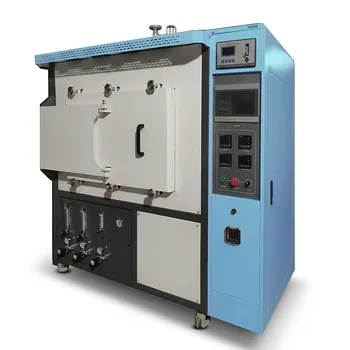
Roller Table Atmosphere Furnace 1500C High Temperature Battery Material Sintering System 112L Capacity
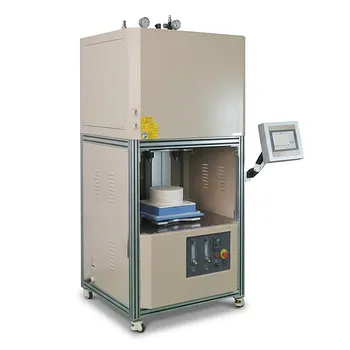
High Temperature Vertical Atmosphere Controlled Furnace 1700C Automatic Bottom Loading 13 Liter Vacuum Thermal System
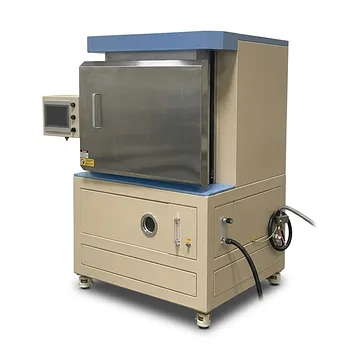
1650C High Temperature Atmosphere Controlled Box Furnace with 65L Chamber for Advanced Material Sintering and Industrial Heat Treatment
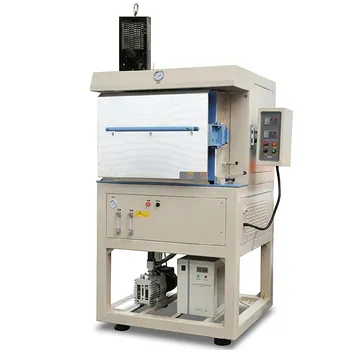
1200C Hydrogen Atmosphere Box Furnace with 5 Heated Sides and 64L Chamber
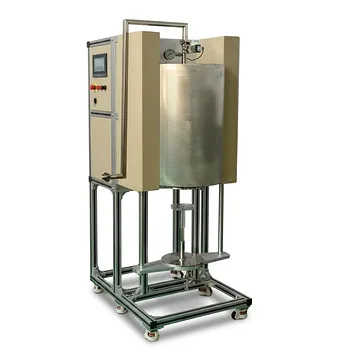
1200°C Atmosphere Controlled Automatic Bottom Loading Furnace with 6 Inch Quartz Tube
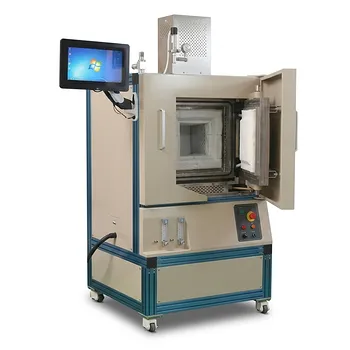
High Temperature Oxygen and Inert Atmosphere Controlled Furnace 8 Liter 1700C Sintering System for Advanced Materials RD
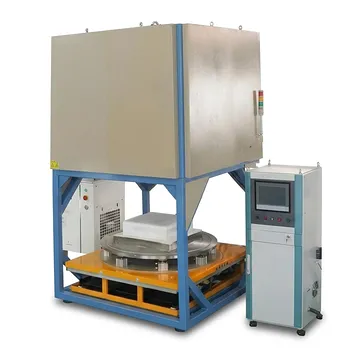
Bottom Loaded Inert Gas Atmosphere Box Furnace 1400C Maximum Temperature 125L High Capacity Laboratory Heat Treatment System
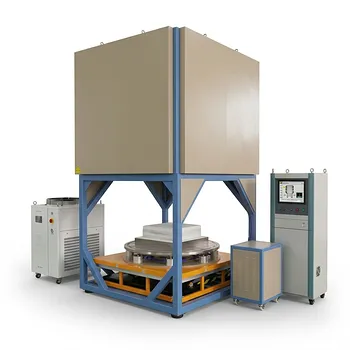
Bottom Loaded Inert Gas Atmosphere Box Furnace 1700C 1300C 216L Large Capacity Industrial Thermal Processing System
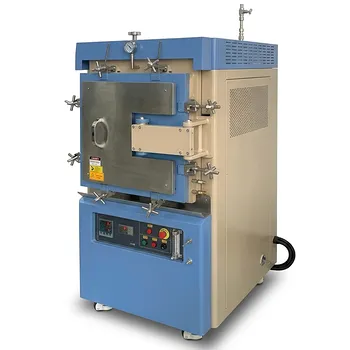
Atmosphere Controlled Muffle Furnace 1700C Maximum Temperature 80L High Capacity Vacuum Inert Gas Box Furnace
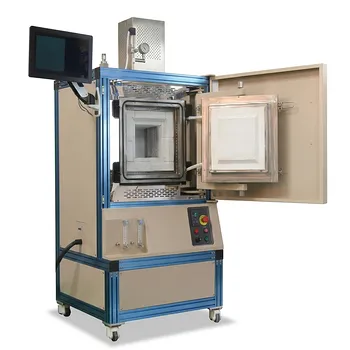
High Temperature Hydrogen Atmosphere Box Furnace 1650C Max Reducing Environment Material Synthesis System 8x8x8 Chamber
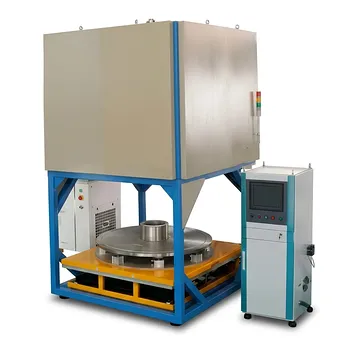
1400C Bottom Loaded Inert Gas Atmosphere Box Furnace with 125L Capacity and Precision Hydraulic Lift
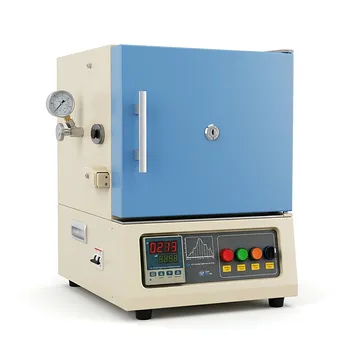
1200C Hybrid Muffle and Tube Furnace for Material Research with Dual Atmosphere Control Quartz Tubes
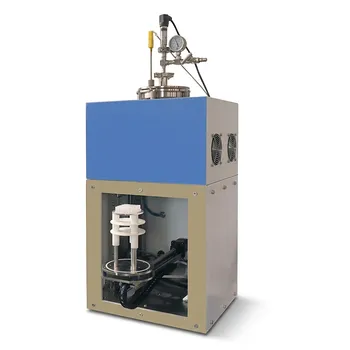
Rapid Thermal Processing RTP Atmosphere Controlled Bottom Loading Furnace 1100C High Throughput 50C per Second Heating Rate
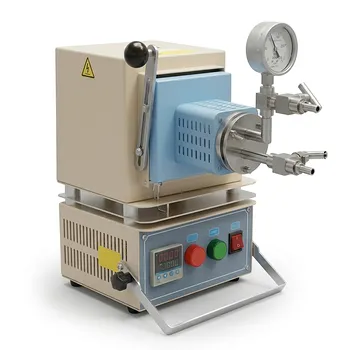
Compact Hybrid Muffle and Tube Furnace for 1000C Controlled Atmosphere Laboratory Material Sintering
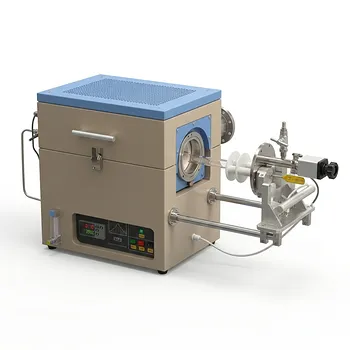
Compact Atmosphere Controlled Rapid Thermal Processing RTP Furnace with 4 Inch ID Quartz Tube 1100C
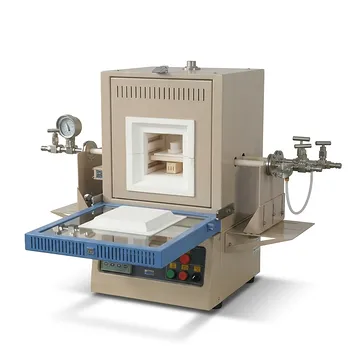
1700C Compact Hybrid Furnace with Dual Layer Box Sintering and Controlled Atmosphere Alumina Tubes

Vertical 1700C Vacuum and Atmosphere Tube Furnace with 80mm Alumina Tube
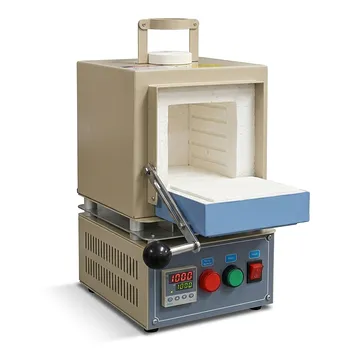
Compact 1000C Muffle Furnace with Programmable Controller and 2 Inch Top Port for Vacuum and Atmosphere Material Research
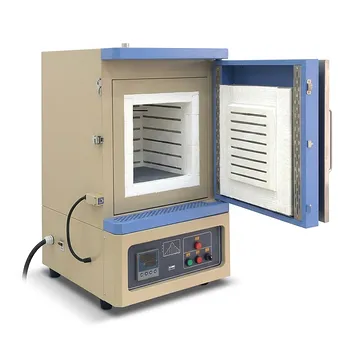
Five Side Heating Muffle Furnace High Purity Alumina Fiber 27L Chamber 1200C High Temperature Thermal Processing System for Sintering Annealing and Materials Research