What key process conditions does a hydrogen/argon mixed atmosphere tube furnace provide during tellurization? Expert Guide
Updated 3 months ago
A hydrogen/argon (H2/Ar) mixed atmosphere tube furnace provides a dual-function environment essential for the tellurization of metal precursors. At a precise operating temperature of 600 °C, it establishes a stable high-temperature thermal field combined with a chemically reducing atmosphere. This specific configuration is designed to inhibit unwanted side reactions while facilitating the gas-solid reaction between tellurium vapor and solid precursors, such as cobalt, to produce high-purity nanostructures.
The H2/Ar tube furnace serves as a controlled chemical reactor that uses its reducing atmosphere to prevent oxidation and its specific geometry to manage tellurium vapor flow. This combination is the critical factor in transitioning from metal precursors to pure-phase, well-crystallized tellurides.
The Chemical Role of the Reducing Atmosphere
Inhibition of Side Reactions and Oxidation
The primary function of the hydrogen component in the H2/Ar mix is to provide a reducing environment. This atmosphere actively prevents the formation of metal oxides by reacting with any trace oxygen or residual moisture present in the system.
Promotion of Gas-Solid Interaction
The reducing environment creates the ideal conditions for tellurium vapor to interact directly with metal precursors. By keeping the surface of the precursor clean and free of oxide layers, the furnace ensures that the gas-solid reaction proceeds efficiently, leading to the formation of compounds like cobalt ditelluride (CoTe2).
Protection During the Cooling Phase
The mixed atmosphere remains critical even after the high-temperature stage is complete. As the furnace cools, the Ar/H2 flow prevents secondary oxidation of the newly formed catalyst, ensuring that the metallic conductivity and surface active sites are preserved for experimental use.
Physical Control of Tellurization Kinetics
Managing Vapor Uniformity
The tube furnace is engineered with a specific length-to-diameter ratio that dictates the behavior of the internal environment. This geometry, combined with precise airflow control, ensures that tellurium vapor moves in a predictable, uniform stream toward the sample area.
Thermal Field Stability
At the 600 °C setpoint, the furnace provides the energy necessary for tellurium sublimation. A stable thermal field is mandatory to maintain a constant vapor pressure of tellurium, which directly influences the crystallinity and phase purity of the final nanodots.
Removal of Volatile Impurities
The continuous flow of the mixed gas acts as a carrier to sweep away volatile organic waste or residues. This purging effect is vital for preventing contaminants from re-depositing on the sample, which would otherwise compromise the structural integrity of the synthesized material.
Understanding the Trade-offs and Pitfalls
Balancing Hydrogen Concentration
While hydrogen is necessary for reduction, excessive concentrations can lead to unintended surface modifications or safety risks. Conversely, an insufficient H2 ratio may fail to completely remove oxide layers, resulting in a mixed-phase product rather than a pure telluride.
Flow Rate and Vapor Density
The velocity of the H2/Ar carrier gas is a double-edged sword. If the airflow is too rapid, the tellurium vapor may pass over the sample too quickly to react; if it is too slow, the vapor may condense prematurely, leading to non-uniform growth and poor crystallization.
Thermal Gradients
Tube furnaces naturally have thermal gradients near the ends of the heating zone. If the precursor is not placed within the isothermal region, the resulting tellurization will be incomplete or inconsistent, even if the atmosphere chemistry is perfect.
How to Optimize Your Tellurization Process
Strategic Recommendations for Success
The success of the tellurization stage depends on aligning the furnace parameters with your specific material requirements.
- If your primary focus is Phase Purity: Maintain a strictly oxygen-free environment by pre-purging the furnace with H2/Ar to ensure all precursors are fully reduced before tellurium sublimation begins.
- If your primary focus is High Crystallinity: Prioritize the stability of the high-temperature thermal field and utilize a slower cooling rate under a protective atmosphere to allow for proper lattice formation.
- If your primary focus is Uniform Nanostructure: Calibrate the airflow control and sample positioning to ensure the tellurium vapor density is consistent across the entire substrate surface.
By mastering the synergy between the thermal field and the reducing gas chemistry, you can achieve precise control over the complex transformation of metal precursors into high-performance telluride nanomaterials.
Summary Table:
| Process Condition | Primary Function | Synthesis Benefit |
|---|---|---|
| H2 Reducing Atmosphere | Inhibits oxidation and side reactions | Ensures high-purity phases (e.g., CoTe2) |
| Ar Carrier Gas | Manages tellurium vapor flow & density | Promotes uniform nanostructure growth |
| 600 °C Thermal Field | Drives Te sublimation & gas-solid reaction | Enhances material crystallinity |
| Continuous Purging | Removes volatile organic waste/residues | Protects structural integrity |
| Cooling Phase Flow | Protects newly formed catalysts | Preserves metallic conductivity |
Optimize Your Synthesis with THERMUNITS Precision
As a global leader in high-temperature laboratory equipment, THERMUNITS provides the advanced thermal solutions necessary for cutting-edge material science and industrial R&D. Our specialized Atmosphere Tube Furnaces and CVD/PECVD systems are engineered to offer the precise gas flow control and thermal stability required for complex processes like tellurization.
From Vacuum, Muffle, and Rotary furnaces to Hot Press and High-Temperature Thermal Elements, we empower researchers to achieve superior phase purity and crystallinity.
Ready to elevate your lab's thermal processing capabilities?
Contact Our Technical Experts Today
References
- Qinghua Li, Shaoming Huang. Efficient Polytelluride Anchoring for Ultralong-Life Potassium Storage: Combined Physical Barrier and Chemisorption in Nanogrid-in-Nanofiber. DOI: 10.1007/s40820-023-01318-9
Mentioned Products
- 1100C Hydrogen Gas Atmosphere Tube Furnace with 5 Inch Fused Quartz Tube and Integrated Safety Monitoring System
- 1500C Compact Hydrogen Gas Tube Furnace with 2 Inch Alumina Tube and Hydrogen Detector
- 1200C Hydrogen Atmosphere Box Furnace with 5 Heated Sides and 64L Chamber
- 1700C Hydrogen Gas Tube Furnace with 60mm Alumina Process Tube and Integrated Hydrogen Safety Detector
- High Temperature 1700C Vertical Tube Furnace for Powder Spherification and Material Sintering
People Also Ask
- Why use a H2/Ar tube furnace for Pt/TiNxOy catalysts? Create SFLPs and Optimize CO2 Conversion Performance.
- Why is a hydrogen-reducing atmosphere tube furnace required for Eu2+ silicate? Essential for Precise Valence Control.
- Why use an atmosphere protection tube furnace for TiO2–TiN/S sulfur melt-diffusion? Protect Material Integrity
- What functions does an atmosphere-protected High-Temperature Tube Furnace serve for iridium? Precise Material Synthesis
- Why is an atmosphere-protected tube furnace typically selected for the homogenization treatment of Al0.25CoCrCuFeNi HEA?

Tech Team · ThermUnits
Last updated on Jun 03, 2026
Related Products
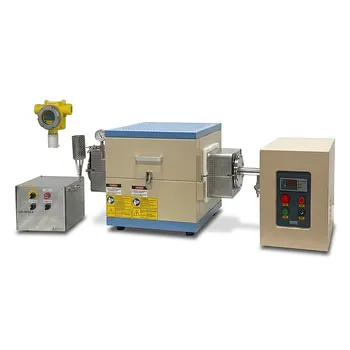
1100C Hydrogen Gas Atmosphere Tube Furnace with 5 Inch Fused Quartz Tube and Integrated Safety Monitoring System
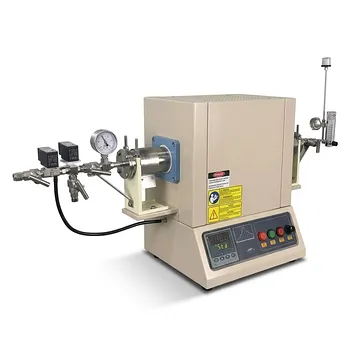
1500C Compact Hydrogen Gas Tube Furnace with 2 Inch Alumina Tube and Hydrogen Detector
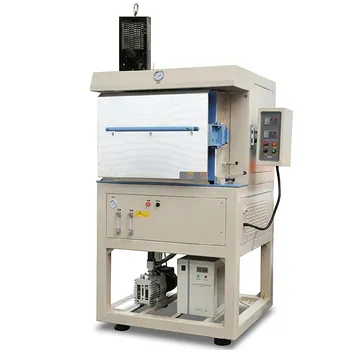
1200C Hydrogen Atmosphere Box Furnace with 5 Heated Sides and 64L Chamber
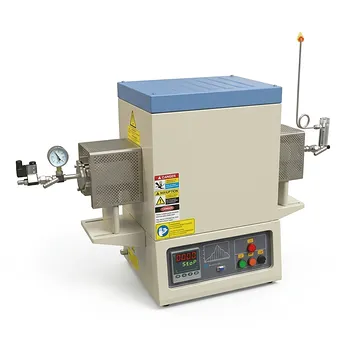
1700C Hydrogen Gas Tube Furnace with 60mm Alumina Process Tube and Integrated Hydrogen Safety Detector

High Temperature 1700C Vertical Tube Furnace for Powder Spherification and Material Sintering
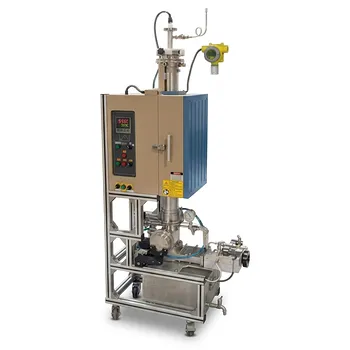
High Temperature 1000C Hydrogen Vertical Quenching Furnace with 4 Inch Stainless Steel Tube
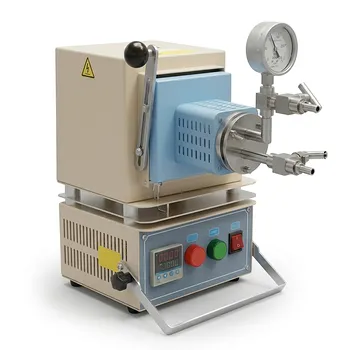
Compact Hybrid Muffle and Tube Furnace for 1000C Controlled Atmosphere Laboratory Material Sintering
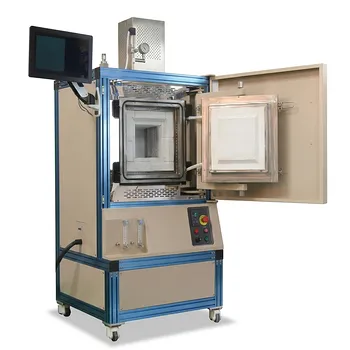
High Temperature Hydrogen Atmosphere Box Furnace 1650C Max Reducing Environment Material Synthesis System 8x8x8 Chamber
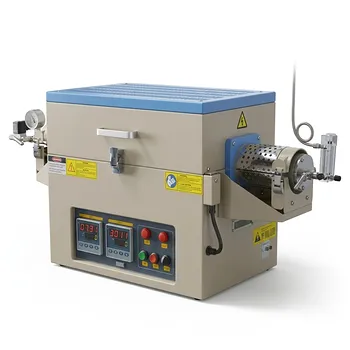
1100C Dual Zone Hydrogen Gas Tube Furnace with Quartz Tube and Integrated H2 Leak Detection System
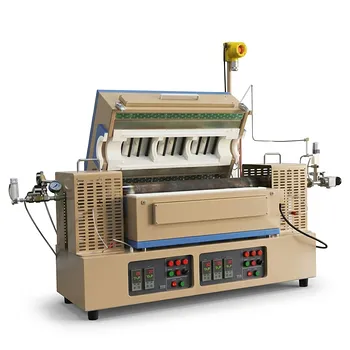
Three Zone Hydrogen Gas Tube Furnace with 82mm Superalloy Tube and Dual Hydrogen Detectors 1200C High Temperature Material Processing System
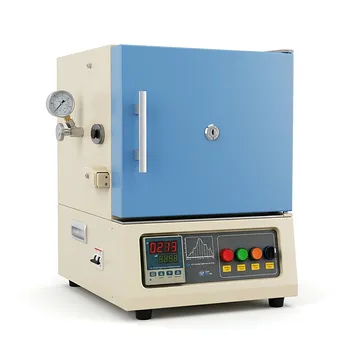
1200C Hybrid Muffle and Tube Furnace for Material Research with Dual Atmosphere Control Quartz Tubes
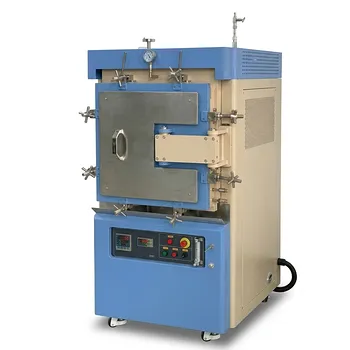
High Temperature Economic Hydrogen Gas Box Furnace 1600C Atmosphere Controlled Thermal Processing System 65L Capacity

Compact Vertical Split Quartz Tube Furnace with Stainless Steel Vacuum Flanges for Rapid Thermal Quenching and Controlled Atmosphere Material Processing

Vertical 1700C Vacuum and Atmosphere Tube Furnace with 80mm Alumina Tube
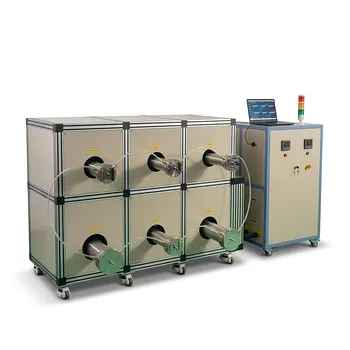
1200C Max 6 Channel High Cleanliness Hydrogen Furnace for High Throughput Annealing

High Temperature 1700C Six Zone Split Tube Furnace with Alumina Tube and Water Cooled Flanges

High Temperature Automated 5 Inch Tube Furnace for Autonomous Material Research and Advanced Laboratory R&D
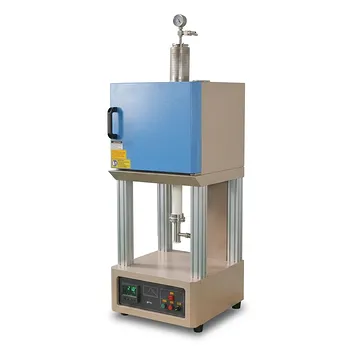
Hybrid High Temperature Tube and Box Furnace 1700C with 2 Inch Alumina Tube for Material Research
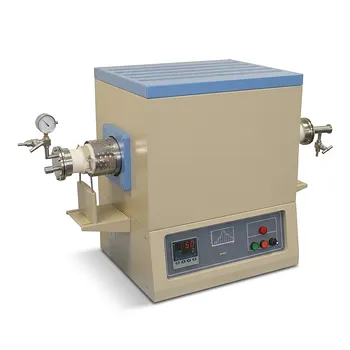
1700C High Temperature Alumina Tube Furnace with 18 Inch Heated Zone and Vacuum Sealing Flanges