How does a push rod mechanism contribute to the workflow within a tube furnace? Optimize Your Hydrogen Reduction Process
Updated 3 months ago
The push rod mechanism acts as the primary manual or automated interface for sample positioning within a controlled-atmosphere tube furnace. It enables the precise movement of crucibles between the furnace’s cooling zone and the high-temperature reaction center without breaching the hydrogen environment. This functionality allows for instantaneous reaction starts and rapid post-reaction cooling, which are vital for maintaining the structural integrity of the resulting material.
The push rod mechanism is the critical component that transforms a static heating environment into a dynamic, time-sensitive process. By allowing samples to be moved into and out of the heat zone at specific moments, it provides the thermal control necessary to dictate the final microstructure and grain size of reduced powders.
Maintaining Atmospheric Integrity and Process Timing
Preserving the Hydrogen Environment
Hydrogen reduction requires a strictly controlled, oxygen-free atmosphere to prevent oxidation and ensure safety. The push rod allows operators to manipulate the sample’s location internally, ensuring the furnace remains sealed throughout the entire heating and cooling cycle.
Achieving Instantaneous Reaction
In a standard workflow, placing a sample in a cold furnace as it ramps up leads to inconsistent reduction and slow kinetics. By using a push rod, the furnace can be preheated to the target temperature; the crucible is then slid into the reaction center to initiate the reduction process immediately.
Enhancing Workflow Efficiency
This mechanism eliminates the need to wait for the entire furnace to cool down before retrieving a sample. By moving the crucible to a designated cooling zone while the heating elements remain active, operators can significantly reduce cycle times between batches.
Optimizing Material Characteristics
Controlling Grain Growth
Excessive time at high temperatures often leads to grain coarsening, which can negatively impact the mechanical properties of an alloy. The push rod enables "rapid quenching" by quickly sliding the sample out of the heat zone, effectively "freezing" the grain size at the desired stage.
Managing Phase Transformations
Precise control over the duration of heat exposure is essential for complex phase transformations in powder metallurgy. The ability to abruptly end the heat treatment by relocating the sample ensures that metastable phases are preserved rather than lost to over-processing.
Ensuring Uniformity in Powder Batches
By ensuring that every part of the sample experiences the target temperature for the exact same duration, the push rod helps achieve a more uniform reduction. This leads to higher-quality powders with consistent chemical and physical properties across different production runs.
Understanding the Trade-offs
Mechanical Wear and Seal Degradation
Because the push rod must slide through a seal to maintain the hydrogen atmosphere, these seals are prone to wear over time. A compromised seal can introduce oxygen into the system, which is both a safety hazard and a catalyst for sample contamination.
Risk of Sample Disturbance
Rapid or jerky movement of the push rod can cause fine oxide powders to shift or spill within the crucible. This not only results in material loss but can also lead to the contamination of the furnace tube, necessitating frequent cleaning and maintenance.
Manual vs. Automated Precision
While manual push rods offer simplicity, they rely heavily on operator skill for consistent timing and positioning. Automated push systems provide better repeatability but increase the mechanical complexity and initial cost of the furnace setup.
How to Apply This to Your Project
- If your primary focus is Grain Size Control: Utilize the push rod to move the sample into the cooling zone immediately after the reduction is complete to prevent unwanted coarsening.
- If your primary focus is Process Repeatability: Consider an automated push rod system to ensure that the speed of entry and exit remains identical across every batch.
- If your primary focus is High-Purity Alloys: Conduct regular pressure tests on the push rod seals to ensure no ambient oxygen is being pulled into the hydrogen stream during movement.
Mastering the use of the push rod mechanism allows for the high-degree of thermal precision required to produce advanced materials with specific, high-performance microstructures.
Summary Table:
| Feature | Key Function | Impact on Workflow |
|---|---|---|
| Sample Positioning | Moving crucibles between zones | Enables instantaneous reaction starts and rapid quenching. |
| Atmospheric Seal | Internal manipulation | Maintains oxygen-free hydrogen environment for safety and purity. |
| Thermal Control | Precise timing in heat zone | Regulates grain growth and preserves metastable phases. |
| Process Efficiency | Parallel heating and cooling | Reduces batch cycle times by eliminating furnace ramp-down waits. |
Elevate Your Material Research with THERMUNITS
Precision in heat treatment is the cornerstone of successful material science and industrial R&D. THERMUNITS is a leading manufacturer specializing in high-performance laboratory equipment. We offer a comprehensive suite of thermal solutions, including Tube, Vacuum, Atmosphere, Muffle, Rotary, and Hot Press furnaces, CVD/PECVD systems, Dental Furnaces, and Vacuum Induction Melting (VIM) units.
Whether you are optimizing hydrogen reduction workflows or developing advanced alloys, our precision-engineered equipment provides the reliability and control you need to achieve superior results. Contact us today to explore how our customized laboratory heat treatment solutions and thermal elements can enhance your lab's productivity and research outcomes.
References
- Arun Kamalasekaran, Christopher Hulme. Synthesis of Copper–Nickel and Iron–Nickel Alloys by Hydrogen Reduction of Mixtures of Metal Oxide Powders. DOI: 10.1007/s40831-024-00886-3
Mentioned Products
- 1100C Dual Zone Hydrogen Gas Tube Furnace with Quartz Tube and Integrated H2 Leak Detection System
- 1500C Compact Hydrogen Gas Tube Furnace with 2 Inch Alumina Tube and Hydrogen Detector
- 1100C Hydrogen Gas Atmosphere Tube Furnace with 5 Inch Fused Quartz Tube and Integrated Safety Monitoring System
- 1700C Hydrogen Gas Tube Furnace with 60mm Alumina Process Tube and Integrated Hydrogen Safety Detector
- Three Zone Hydrogen Gas Tube Furnace with 82mm Superalloy Tube and Dual Hydrogen Detectors 1200C High Temperature Material Processing System
People Also Ask
- Why is it necessary to place MoS2 devices in a dual-zone tube furnace for annealing? Optimize Lattice Repair & Doping
- What is the primary function of an industrial-grade dual-zone tube furnace? Mastering CuInP2S6 CVT Crystal Growth
- Purpose of the reverse gradient step in CVT growth? Master Crystal Purity with Dual-Zone Furnaces
- What are the technical advantages of using a dual-zone tube furnace for growing large PdCoO2 crystals via CVT? Expert Tips
- What are the advantages of using a dual-zone tube furnace for MoS2 CVD? Optimize Precursor Control and Material Quality

Tech Team · ThermUnits
Last updated on Jun 02, 2026
Related Products
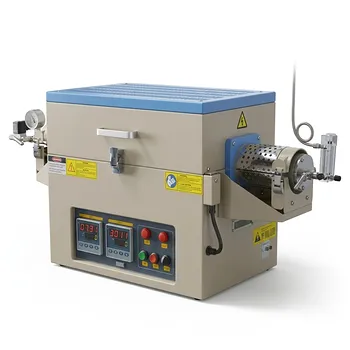
1100C Dual Zone Hydrogen Gas Tube Furnace with Quartz Tube and Integrated H2 Leak Detection System
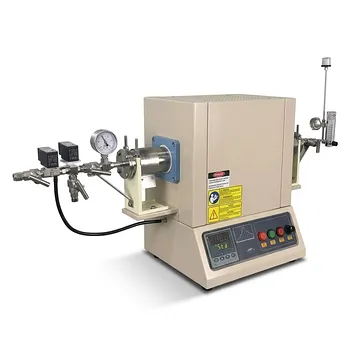
1500C Compact Hydrogen Gas Tube Furnace with 2 Inch Alumina Tube and Hydrogen Detector
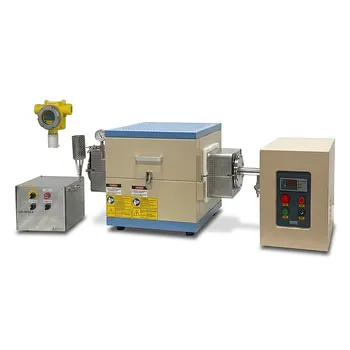
1100C Hydrogen Gas Atmosphere Tube Furnace with 5 Inch Fused Quartz Tube and Integrated Safety Monitoring System
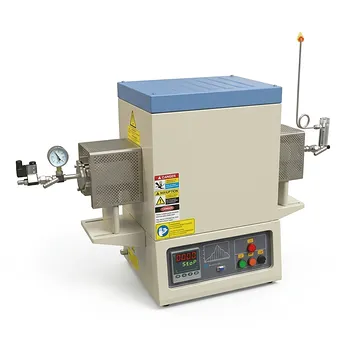
1700C Hydrogen Gas Tube Furnace with 60mm Alumina Process Tube and Integrated Hydrogen Safety Detector
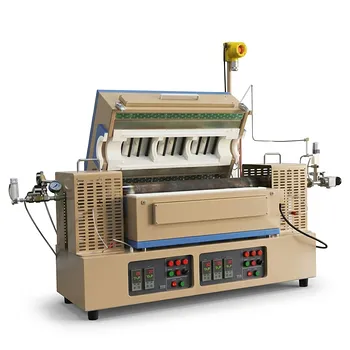
Three Zone Hydrogen Gas Tube Furnace with 82mm Superalloy Tube and Dual Hydrogen Detectors 1200C High Temperature Material Processing System
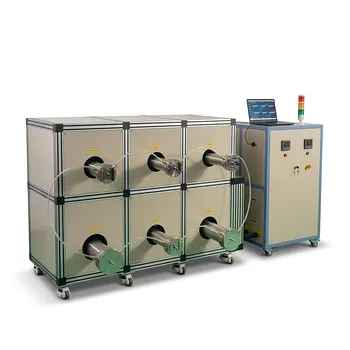
1200C Max 6 Channel High Cleanliness Hydrogen Furnace for High Throughput Annealing
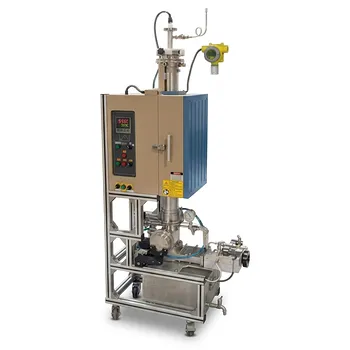
High Temperature 1000C Hydrogen Vertical Quenching Furnace with 4 Inch Stainless Steel Tube
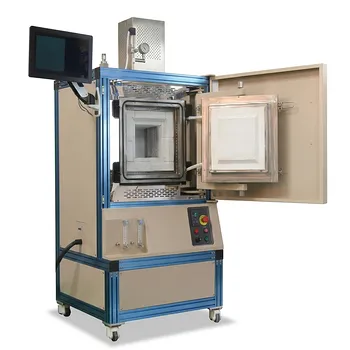
High Temperature Hydrogen Atmosphere Box Furnace 1650C Max Reducing Environment Material Synthesis System 8x8x8 Chamber

Compact Vertical Split Quartz Tube Furnace with Stainless Steel Vacuum Flanges for Rapid Thermal Quenching and Controlled Atmosphere Material Processing

High Temperature 1700C Six Zone Split Tube Furnace with Alumina Tube and Water Cooled Flanges

Vertical 1700C Vacuum and Atmosphere Tube Furnace with 80mm Alumina Tube
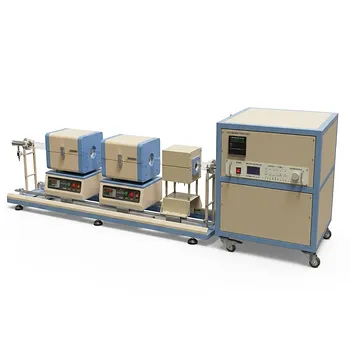
1200C Dual Sliding Tube Furnace with Dual Tubes and Flanges for PECVD Processes
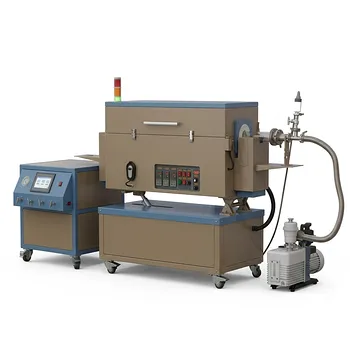
5 Inch Three Zone Rotary Tube Furnace with Integrated Gas Delivery System and 1200C Capability for Advanced Material CVD Processing
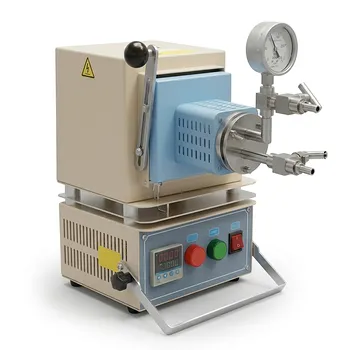
Compact Hybrid Muffle and Tube Furnace for 1000C Controlled Atmosphere Laboratory Material Sintering
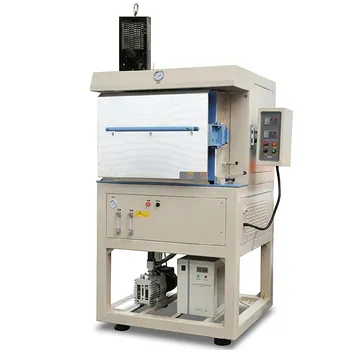
1200C Hydrogen Atmosphere Box Furnace with 5 Heated Sides and 64L Chamber
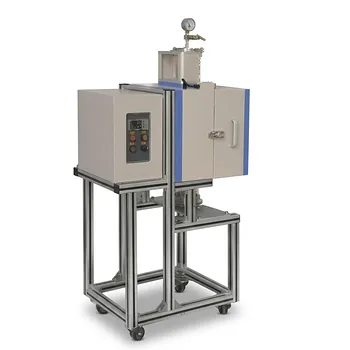
1200°C 5 Inch Vertical Quartz Tube Furnace with Stainless Steel Vacuum Flanges
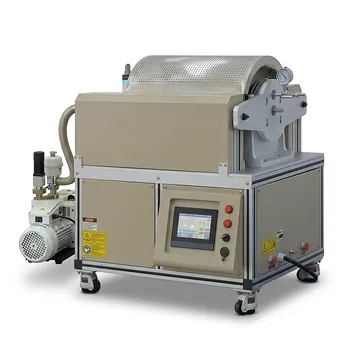
Automated 1200 C Tube Furnace for AI Material Research with 6 Inch OD and Sliding Flange
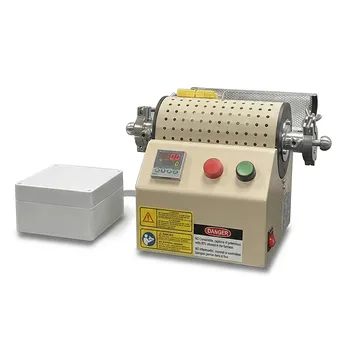
1000C Mini Tube Furnace with 20mm Quartz Tube and Vacuum Flanges for Material Science Research and Controlled Atmosphere Small Sample Processing
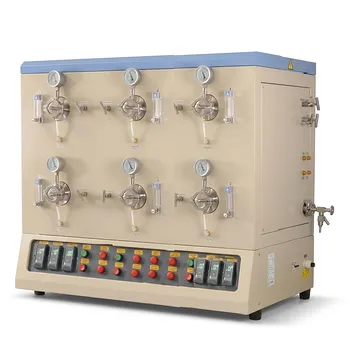
1200C High Throughput Multi Channel Tube Furnace with 50mm Quartz Tubes for Annealing and Material Phase Diagram Research
