What is the significance of quartz observation windows in the optical detection path of a high-temperature tube furnace?
Updated 3 months ago
Quartz observation windows are critical optical interfaces that allow external probe beams to penetrate the furnace's sample zone without signal loss. By integrating these high-purity components into sealing flanges, researchers can perform real-time, in-situ spectral analysis of materials—such as niobium dioxide thin films—while maintaining the precise temperature and controlled reduction atmospheres required for the experiment.
The primary significance of quartz observation windows lies in their unique ability to provide a high-transmittance optical path that remains stable under extreme thermal stress, ensuring that internal atmospheric integrity is never sacrificed for data collection.
Bridging Optical Clarity and Environmental Control
Maintaining Atmospheric Integrity
The observation windows are typically mounted on sealing flanges to ensure the furnace remains a closed system. This allows for the maintenance of a controlled reduction atmosphere, which is vital for preventing unwanted oxidation or chemical shifts in the sample during heating.
High Infrared Transmittance
High-purity quartz is selected specifically for its excellent optical properties, particularly its high infrared transmittance. This ensures that probe beams pass through the window with minimal absorption or scattering, preserving the accuracy of the spectral data being collected.
Enabling In-Situ Monitoring
Because the windows allow light to pass through during the entire thermal cycle, researchers can capture continuous data during both heating and cooling. This is essential for observing phase transitions or chemical reactions as they happen, rather than relying on post-process analysis.
Thermal and Chemical Reliability
Resistance to Thermal Shock
High-temperature furnaces often undergo rapid temperature shifts that would shatter standard glass. Quartz possesses exceptional thermal shock resistance, allowing the windows to remain structurally sound and transparent even during aggressive heating and cooling cycles.
Chemical Inertness and Purity
Much like quartz boats used in synthesis, quartz windows are chemically inert and do not react with the furnace's internal environment. This prevents the introduction of impurities, such as metals or metal oxides, which could otherwise contaminate the sample zone or degrade the optical path.
Durability at Elevated Temperatures
Quartz maintains its mechanical strength and optical clarity at temperatures reaching 900 °C and beyond. This stability ensures that the detection path does not distort or fail when the furnace reaches the peak temperatures required for thin-film testing or nanomaterial synthesis.
Understanding the Trade-offs and Limitations
Surface Deposition and Fogging
Over time, volatile byproducts from the reaction inside the furnace can deposit on the inner surface of the quartz window. This buildup can attenuate the signal of the probe beam, potentially leading to skewed data if the windows are not cleaned or monitored regularly.
Pressure Constraints
While quartz is thermally robust, it can be brittle under high mechanical pressure. Users must ensure that the sealing flanges are designed to distribute pressure evenly to avoid cracking the quartz during high-pressure or vacuum operations.
Optical Interference (Fresnel Reflection)
Every interface between air and quartz results in a small amount of light reflection. In highly sensitive optical setups, this minor signal loss must be accounted for through calibration to ensure the resulting spectral data reflects the sample's properties rather than the window's presence.
How to Optimize Your Optical Detection Path
To ensure the highest quality data and the longest lifespan for your furnace components, consider the following recommendations:
- If your primary focus is Maximum Data Accuracy: Regularly calibrate your sensors to account for the specific transmittance curve of the quartz windows and check for any surface film buildup before each run.
- If your primary focus is Process Safety: Ensure that the quartz is properly seated in high-temperature gaskets within the flange to prevent leaks that could compromise the controlled reduction atmosphere.
- If your primary focus is Longevity: Avoid direct contact between the quartz window and corrosive chemical vapors whenever possible, as some specialized catalysts can etch the surface over many cycles.
By leveraging the thermal stability and optical clarity of high-purity quartz, you can transform a standard furnace into a sophisticated vessel for real-time material discovery.
Summary Table:
| Feature | Significance in Optical Detection Path |
|---|---|
| High IR Transmittance | Allows probe beams to penetrate the furnace with minimal signal absorption or scattering. |
| Atmospheric Control | Ensures the furnace remains a closed system for controlled reduction or vacuum environments. |
| In-Situ Monitoring | Enables continuous data collection of phase transitions and chemical reactions during thermal cycles. |
| Thermal Resilience | Withstands extreme thermal shock and maintains clarity at temperatures exceeding 900°C. |
| Chemical Purity | Inert properties prevent sample contamination and ensure a clean optical interface. |
Elevate Your Material Research with THERMUNITS
Precision in thermal processing is the key to groundbreaking material science. THERMUNITS is a leading manufacturer of high-performance laboratory equipment, providing the optical clarity and atmospheric control required for sophisticated R&D.
Whether you are performing thin-film synthesis or complex spectral analysis, our comprehensive range of thermal solutions—including Tube, Vacuum, Atmosphere, Muffle, and Rotary furnaces, as well as CVD/PECVD and Hot Press systems—is engineered for excellence. We also offer specialized Dental Furnaces, vacuum induction melting furnaces (VIM), and premium Thermal Elements to support every stage of your heat treatment workflow.
Ready to optimize your optical detection path?
Contact THERMUNITS today to discuss your custom furnace requirements!
References
- Zachary R. Robinson, Marc Currie. Measurement of the crystallization and phase transition of niobium dioxide thin-films using a tube furnace optical transmission system. DOI: 10.1063/5.0228400
Mentioned Products
- High Temperature Benchtop Muffle Furnace 1500C with 3.6L Chamber and Quartz Observation Window
- High Temperature Benchtop Muffle Furnace with Quartz Observation Window for Thermal Imaging and Material Analysis
- High Temperature 1200C Split Tube Furnace with Hinged Vacuum Flanges and 4 Inch Quartz Tube for Laboratory Research
- 1100°C High Temperature Quartz Chamber Furnace 8 Inch OD with 7.6 Liter Capacity and Vacuum Atmosphere Capability
- High Temperature Automated 5 Inch Tube Furnace for Autonomous Material Research and Advanced Laboratory R&D
People Also Ask
- What is the purpose of using muffle or tube furnaces in glass synthesis? Achieve Precise Melt-Quenching & Homogeneity
- Why is annealing in a high-temperature muffle furnace necessary for SiO2/Si substrate pretreatment before monolayer WS2 synthesis?
- What is the function of a high-temperature muffle furnace in phosphorus-modified zeolite catalyst preparation?
- What is the function of a high-temp muffle furnace in Ni-V oxide synthesis? Optimize your material's performance.
- What is the function of a muffle furnace in aluminoborosilicate glass prep? Stabilize Raw Materials for Superior Purity

Tech Team · ThermUnits
Last updated on Jun 03, 2026
Related Products
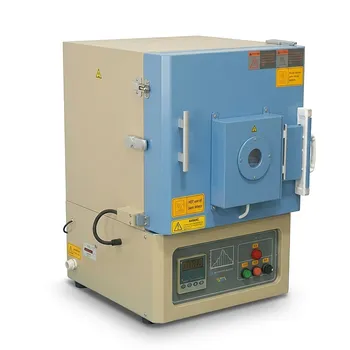
High Temperature Benchtop Muffle Furnace 1500C with 3.6L Chamber and Quartz Observation Window
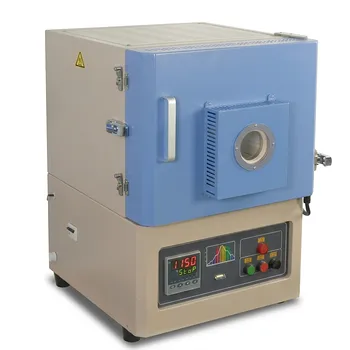
High Temperature Benchtop Muffle Furnace with Quartz Observation Window for Thermal Imaging and Material Analysis
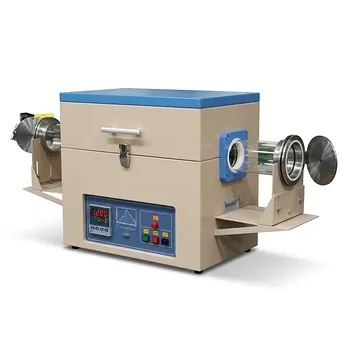
High Temperature 1200C Split Tube Furnace with Hinged Vacuum Flanges and 4 Inch Quartz Tube for Laboratory Research
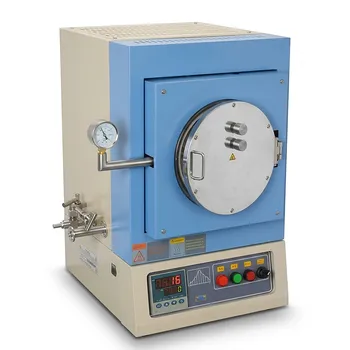
1100°C High Temperature Quartz Chamber Furnace 8 Inch OD with 7.6 Liter Capacity and Vacuum Atmosphere Capability

High Temperature Automated 5 Inch Tube Furnace for Autonomous Material Research and Advanced Laboratory R&D
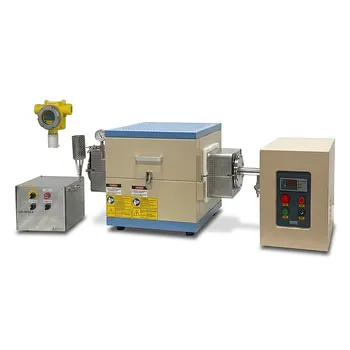
1100C Hydrogen Gas Atmosphere Tube Furnace with 5 Inch Fused Quartz Tube and Integrated Safety Monitoring System
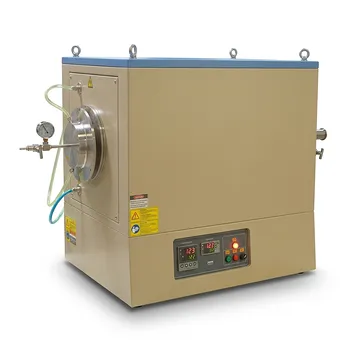
1100°C Large Diameter Quartz Tube Furnace with 24 Inch Heating Zone and Water Cooled Flanges
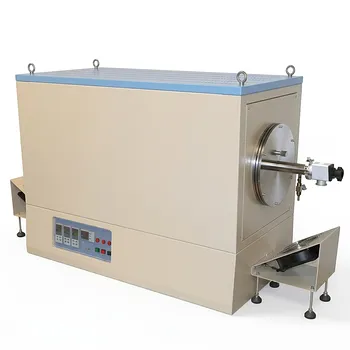
1100°C Three Zone Tube Furnace with 8.5 to 11 Inch OD Quartz Tube and Vacuum Flanges for Large Wafer Processing
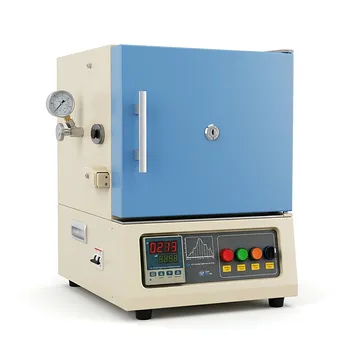
1200C Hybrid Muffle and Tube Furnace for Material Research with Dual Atmosphere Control Quartz Tubes

1200°C 5 Inch Vertical Quartz Tube Furnace with Stainless Steel Vacuum Flanges
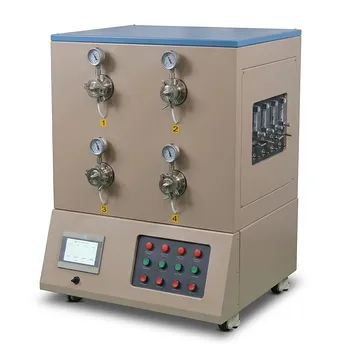
High Throughput 1200C Four Channel Tube Furnace with 3 Inch Quartz Tubes for Multi Zone Annealing and Material Research
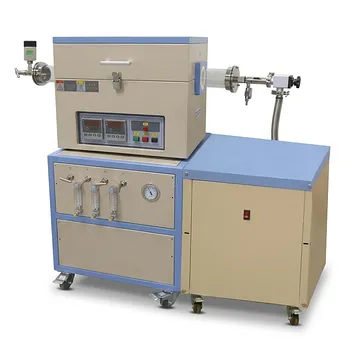
Dual Zone Quartz Tube Furnace with 80mm Diameter 1200C Max Temperature 3 Channel Gas Mixer and Vacuum Pump System
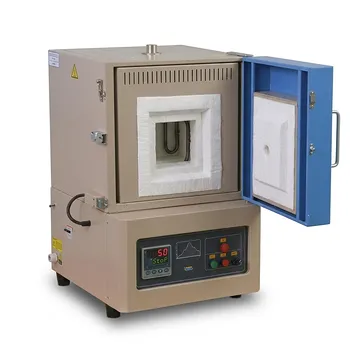
1800°C Bench Top Ultra High Temperature Muffle Furnace with Sapphire Observation Window and Top Feeding Port for Materials Research and Thermal Processing

High Temperature Tube Furnace 1500C with Sliding Flanges and 50mm OD for Rapid Thermal Processing Fast Heating and Cooling
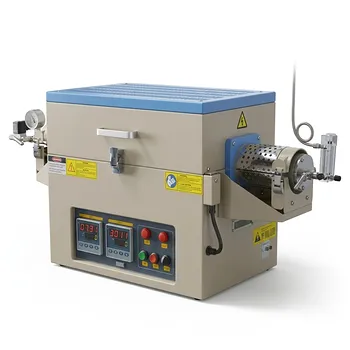
1100C Dual Zone Hydrogen Gas Tube Furnace with Quartz Tube and Integrated H2 Leak Detection System
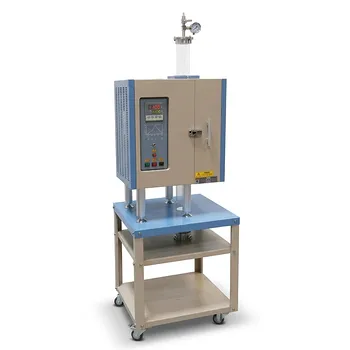
1100°C Split Vertical Tube Furnace with 80mm Quartz Tube and Stainless Steel Vacuum Flanges
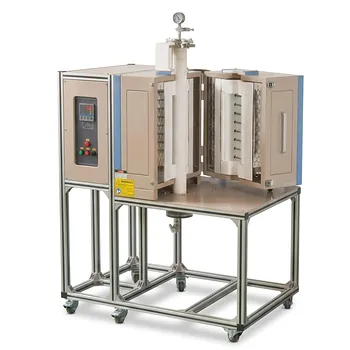
High Temperature 1700C Vertical Split Tube Furnace for Material Quenching and Single Crystal Growth

Three Zone Tube Furnace with 11 Inch or 15 Inch Quartz Tube and Hinged Flanges for Vacuum Atmosphere Heat Treatment
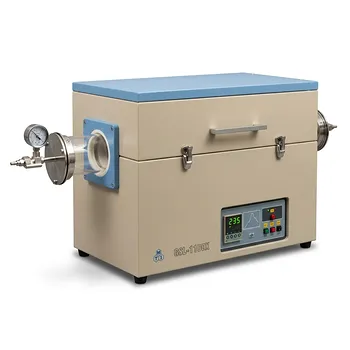
Single Zone Tube Furnace 5 Inch Quartz Tube 36 Inch Heating Zone Vacuum Flanges
