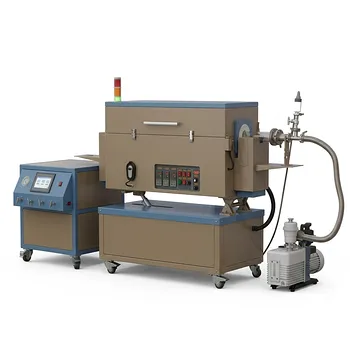
What process conditions are provided by a laboratory tube furnace during carbonization? Expert Guide for Nanocomposites
Updated 3 months ago
A laboratory tube furnace provides a dual-control environment characterized by high temperatures (600–800°C) and a strict inert atmosphere, typically using nitrogen. These specific conditions are essential for the thermal decomposition and carbonization of flour precursors into stable carbon networks. Simultaneously, the furnace enables the in-situ reduction of metallic salts into nanoparticles while shielding the material from oxidative degradation.
The tube furnace acts as a sealed, thermochemical reactor that transforms organic flour into functional carbon nanocomposites. By balancing thermal energy with an oxygen-free environment, it ensures the structural integrity of the carbon matrix and the precise chemical state of embedded metallic components.
Thermal Dynamics of Carbonization
Precise Temperature Windows
The primary role of the furnace is to maintain a high-temperature range, typically between 600°C and 800°C, for flour-derived precursors. This specific heat range provides the thermodynamic energy required to break molecular bonds and facilitate the transition from organic matter to carbon.
Programmed Heating Profiles
The furnace allows for precise control over the heating rate, often set between 3°C and 5°C per minute. Gradual heating is critical for flour precursors, as it ensures uniform dehydration and prevents the structural collapse of the emerging carbon network.
Thermal Decomposition and Reorganization
At these temperatures, non-carbon elements like hydrogen and oxygen are eliminated as volatiles. This process reorganizes the remaining carbon atoms into amorphous or crystalline networks, defining the material's final strength and conductivity.
Atmospheric Control and Chemical Synthesis
Exclusion of Oxygen
A sealed tube environment using high-purity nitrogen (N2) or argon is mandatory. This inert atmosphere prevents the carbon from reacting with oxygen and turning into ash (combustion) at high temperatures.
In-Situ Thermal Reduction
The furnace environment enables the thermal reduction of additives, such as cobalt acetate, into magnetic nanoparticles. Because the atmosphere is oxygen-free, these metallic components remain in their reduced, functional state rather than oxidizing.
Surface Functionalization and Doping
By introducing specific gases, the furnace can facilitate surface chemical regulation. For instance, nitrogen or ammonia atmospheres can be used to dope the carbon framework, altering its catalytic activity or electrical properties during the carbonization stage.
Understanding the Trade-offs
Temperature vs. Surface Area
While higher temperatures (above 800°C) improve carbon crystallinity and electrical conductivity, they may lead to sintering. This phenomenon causes embedded nanoparticles to aggregate, which can reduce the active surface area of the nanocomposite.
Atmospheric Purity vs. Material Integrity
Even trace amounts of oxygen leakage at 800°C can compromise the entire batch. Ensuring a high-vacuum seal or a constant positive pressure of inert gas is necessary, but this increases the complexity and gas consumption of the process.
Heating Rate vs. Processing Time
Slower heating rates produce more uniform and porous structures but significantly extend the synthesis time. Rapid heating can increase throughput but risks creating internal pressures that rupture the porous carbon framework.
Optimization Strategies for Your Project
How to Apply This to Your Synthesis
To achieve the best results for flour-derived carbon nanocomposites, tailor your furnace settings to your specific application requirements.
- If your primary focus is Electrical Conductivity: Target the higher end of the temperature range (800°C+) to promote the formation of more crystalline, graphitic carbon structures.
- If your primary focus is Porosity and Surface Area: Utilize a slower heating rate (3°C/min) and a moderate temperature (600°C) to allow for the gentle release of volatiles without structural damage.
- If your primary focus is Magnetic Functionality: Ensure a strict nitrogen flow and an oxygen-free seal to facilitate the complete reduction of metallic salts into magnetic nanoparticles.
By mastering the balance between thermal energy and atmospheric purity, you can transform simple flour precursors into high-performance carbon nanocomposites with precision.
Summary Table:
| Parameter | Range/Condition | Impact on Carbon Nanocomposites |
|---|---|---|
| Temperature | 600°C – 800°C | Controls carbon crystallization and conductivity |
| Atmosphere | Inert (N2, Argon) | Prevents oxidation; enables in-situ metallic reduction |
| Heating Rate | 3°C – 5°C / min | Maintains porosity and prevents structural collapse |
| Environment | Oxygen-free Seal | Ensures high purity and protects magnetic nanoparticles |
Elevate Your Material Research with THERMUNITS Precision Furnaces
Are you looking to achieve perfect carbonization for your flour-derived nanocomposites? THERMUNITS is a leading manufacturer of high-performance laboratory equipment tailored for material science and industrial R&D. Our expert-engineered Tube, Vacuum, and Atmosphere Furnaces provide the ultra-stable temperature control and strict inert environments essential for your synthesis success.
From Muffle and Rotary furnaces to advanced CVD/PECVD systems and Hot Press solutions, we offer comprehensive thermal processing equipment designed to help you push the boundaries of heat treatment.
Ready to optimize your carbonization process? Contact our technical specialists today to find the ideal furnace configuration for your laboratory needs.
References
- Yiming Zhong, Peitao Xie. Ultra-lightweight carbon nanocomposites as microwave absorber with high absorbing performance derived from flour. DOI: 10.1007/s42114-024-01080-5
Mentioned Products
- High Temperature 1500C Benchtop Muffle Furnace 3.6L Alumina Fiber Chamber Programmable Controller Sintering Annealing Carbonization Thermal Processing System
- Multi Position Tube Furnace 1100C for Laboratory Material Research and Advanced Industrial Thermal Processing
- Compact Hybrid Muffle and Tube Furnace for 1000C Controlled Atmosphere Laboratory Material Sintering
- High Temperature Automated 5 Inch Tube Furnace for Autonomous Material Research and Advanced Laboratory R&D
- Ten Zone Multi Orientation Laboratory Tube Furnace for 1200C High Temperature Gradient Thermal Processing
People Also Ask
- Why is annealing in a high-temperature muffle furnace necessary for SiO2/Si substrate pretreatment before monolayer WS2 synthesis?
- What is the purpose of using muffle or tube furnaces in glass synthesis? Achieve Precise Melt-Quenching & Homogeneity
- What is the role of a high-temperature muffle furnace in the synthesis of graphitic carbon nitride (g-C3N4)? - Guide
- What is the necessity of 950 °C muffle furnace for aluminate spinel supports? Achieve Phase Purity & Lattice Integration
- What is the function of a high-temp muffle furnace in Ni-V oxide synthesis? Optimize your material's performance.

Tech Team · ThermUnits
Last updated on Jun 03, 2026
Related Products
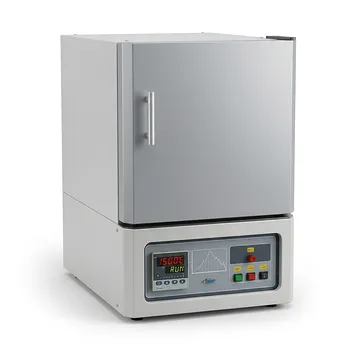
High Temperature 1500C Benchtop Muffle Furnace 3.6L Alumina Fiber Chamber Programmable Controller Sintering Annealing Carbonization Thermal Processing System
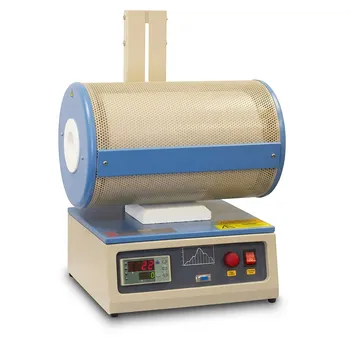
Multi Position Tube Furnace 1100C for Laboratory Material Research and Advanced Industrial Thermal Processing
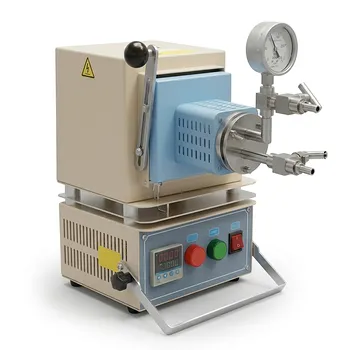
Compact Hybrid Muffle and Tube Furnace for 1000C Controlled Atmosphere Laboratory Material Sintering

High Temperature Automated 5 Inch Tube Furnace for Autonomous Material Research and Advanced Laboratory R&D
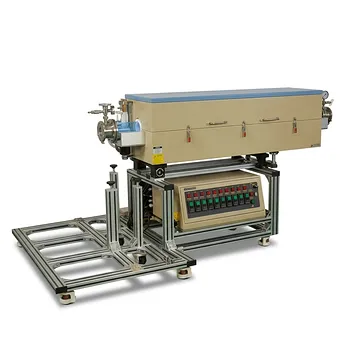
Ten Zone Multi Orientation Laboratory Tube Furnace for 1200C High Temperature Gradient Thermal Processing
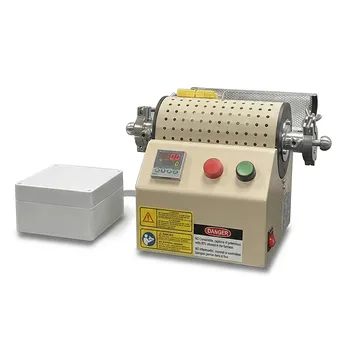
1000C Mini Tube Furnace with 20mm Quartz Tube and Vacuum Flanges for Material Science Research and Controlled Atmosphere Small Sample Processing
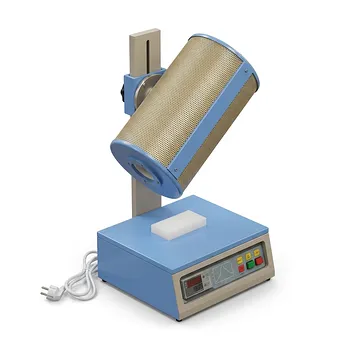
1100°C Vertical Laboratory Furnace for DIY Tubular Reactors with PID Temperature Controller

High Temperature 1700C Vertical Tube Furnace for Powder Spherification and Material Sintering

1800C High Temperature Compact Vacuum Tube Furnace with 60mm OD Alumina Tube and Kanthal MoSi2 Heating Elements
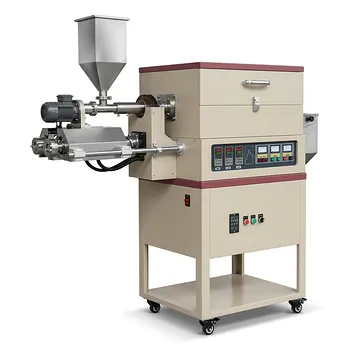
Laboratory Tilting Rotary Tubular Furnaces for Material Science and Industrial Heat Treatment
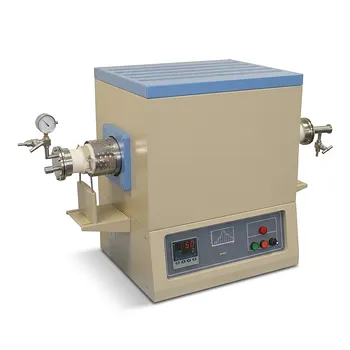
1700C High Temperature Alumina Tube Furnace with 18 Inch Heated Zone and Vacuum Sealing Flanges
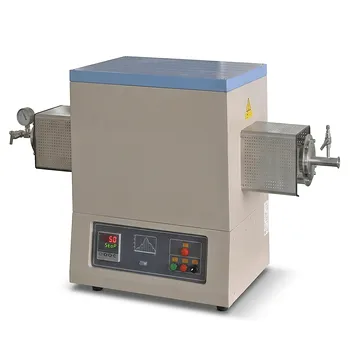
High Temperature 1700C Tube Furnace with 4 Inch OD Alumina Tube and Vacuum Sealing Flanges
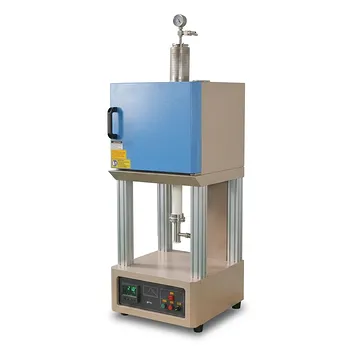
Hybrid High Temperature Tube and Box Furnace 1700C with 2 Inch Alumina Tube for Material Research

Compact High Temperature 1600C Tube Furnace with 50mm Alumina Tube and Vacuum Flanges for Material Sintering
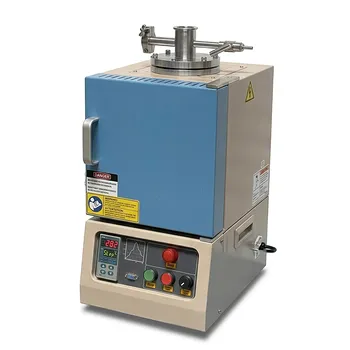
High Temperature Hybrid Muffle and Tube Furnace with Vacuum Capability and PID Control

Compact Vertical Split Quartz Tube Furnace with Stainless Steel Vacuum Flanges for Rapid Thermal Quenching and Controlled Atmosphere Material Processing
Single Zone Tube Furnace 5 Inch Quartz Tube 36 Inch Heating Zone Vacuum Flanges
High Temperature Dual Zone Vacuum Tube Furnace for Material Research and CVD Processing
900°C Max Rotary Tube Furnace with 8 Inch 310S Alloy Tube and Optional Multi Zone Heating for Industrial Material Calcination