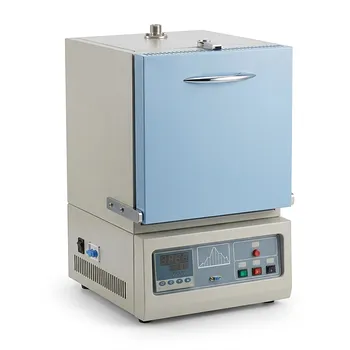
What role does a high-temperature calcination furnace play in the synthesis of AAS? Key to Porosity & Purity
Updated 3 months ago
The high-temperature calcination furnace serves as the critical reaction environment for finalizing the porosity and chemical structure of amorphous acidic aluminosilicate (AAS). In this synthesis, the furnace provides a stable 750 °C air atmosphere necessary to facilitate the oxidative removal of the hexadecyltrimethylammonium bromide (CTAB) template. This precise thermal processing eliminates organic constituents, leaving behind a highly porous, amorphous framework characterized by its inherent catalytic acidity.
The furnace is not merely a heat source but a precision tool for template removal and structural stabilization. By maintaining a stable thermal environment for high-temperature oxidation, it ensures the transition from an organic-templated precursor to a high-porosity, acidic solid.
The Mechanism of Template Removal
Oxidative Decomposition of CTAB
The primary role of the furnace is to drive the oxidative removal of the hexadecyltrimethylammonium bromide (CTAB) template. At the specific threshold of 750 °C, the furnace provides sufficient thermal energy to break down the organic carbon chains within the template.
Creation of Internal Porosity
As the organic components are oxidized and vacated, they leave behind a network of voids within the material. This process is essential for achieving the high porosity required for the material to function effectively as an acidic aluminosilicate.
Achieving Chemical Purity
By facilitating thorough oxidation, the furnace ensures that no residual organic "char" remains within the framework. This leads to a cleaner, more active surface area, which is vital for the material’s performance in acidic catalytic applications.
Structural Evolution of the Amorphous Framework
Establishing the Aluminosilicate Network
The furnace provides the energy required to stabilize the amorphous aluminosilicate framework. Unlike crystalline structures that require higher temperatures or different cooling rates, the 750 °C environment allows the silicon and aluminum atoms to lock into a disordered, yet stable, acidic structure.
Preservation of Surface Acidity
The precise control of the thermal environment is what grants the catalyst its acidic properties. This is achieved by establishing strong physicochemical bonds during the calcination phase, similar to how furnaces stabilize Brønsted acidity in other heteropoly acid catalysts.
Thermal Stability and Consistency
A high-quality furnace ensures temperature uniformity, which is critical for consistent phase purity. Uniform heat distribution prevents "hot spots" that could cause localized crystallization or "cold spots" that result in incomplete template removal.
Understanding the Trade-offs
Temperature vs. Crystallinity
Maintaining the amorphous state of AAS is a delicate balance; if the furnace temperature exceeds the target 750 °C and approaches the ranges used for ceramics (1000 °C–1200 °C), the material may begin to crystallize. This would result in the loss of the specific amorphous properties and potentially reduce the accessible surface area.
Oxidation vs. Structural Collapse
While high-temperature oxidation is necessary to remove the CTAB template, excessive heat or prolonged exposure can lead to sintering. This process causes the pores to collapse, significantly reducing the material's porosity and catalytic effectiveness.
Atmosphere Control
The presence of air is non-negotiable for AAS synthesis because oxygen is required for the oxidation of organics. If the furnace lacks proper ventilation or atmosphere control, the CTAB may undergo pyrolysis instead of oxidation, leaving behind carbon residue that poisons the acidic sites.
How to Apply This to Your Project
Making the Right Choice for Your Goal
- If your primary focus is maximizing surface area: Ensure the furnace is calibrated to exactly 750 °C to remove the CTAB template completely without triggering pore collapse through over-calcination.
- If your primary focus is ensuring catalytic activity: Monitor the air exchange within the furnace to ensure complete oxidation of organic precursors, as residual carbon will block acidic sites.
- If your primary focus is structural consistency: Utilize a furnace with high thermal uniformity (muffle furnace design) to prevent localized phase transitions into crystalline aluminosilicates.
The high-temperature calcination furnace is the definitive tool for transforming a soft organic-inorganic composite into a robust, porous, and acidic amorphous framework.
Summary Table:
| Process Phase | Furnace Function | Key Outcome |
|---|---|---|
| Template Removal | Oxidative decomposition of CTAB at 750°C | Carbon-free, clean framework |
| Porosity Creation | Vacating spaces previously occupied by organics | High specific surface area |
| Phase Stability | Maintaining specific amorphous threshold | Prevention of unwanted crystallization |
| Acidity Fixation | Stabilizing Brønsted acidic sites | Enhanced catalytic performance |
| Uniformity Control | Preventing localized hot/cold spots | Consistent phase purity |
Optimize Your Catalyst R&D with THERMUNITS Precision Furnaces
Achieving the perfect amorphous structure and porosity in acidic aluminosilicate requires rigorous temperature uniformity and atmosphere control. THERMUNITS is a leading manufacturer of high-temperature laboratory equipment, providing the advanced thermal solutions necessary for sensitive material synthesis.
From high-uniformity Muffle and Atmosphere furnaces for precise calcination to specialized CVD/PECVD systems, Vacuum Induction Melting (VIM), and Rotary Kilns, we empower researchers and industrial engineers to achieve reliable, repeatable results. Our equipment is engineered to handle the delicate balance of oxidative template removal without compromising structural integrity.
Enhance your material science breakthroughs today.
Contact THERMUNITS Experts for a Custom Thermal Solution
References
- Rishi Verma, Vivek Polshettiwar. Defects tune the acidic strength of amorphous aluminosilicates. DOI: 10.1038/s41467-024-51233-9
Mentioned Products
- 900°C Max Rotary Tube Furnace with 8 Inch 310S Alloy Tube and Optional Multi Zone Heating for Industrial Material Calcination
- High Temperature Vertical Crucible Furnace with 22L Heating Chamber and 1200C Maximum Temperature
- 1100C High Temperature Vacuum Crucible Furnace with Quartz Chamber for Thermal Processing and Sintering
- High Temperature 1700C Tube Furnace with High Vacuum Turbomolecular Pump System and Multi Channel Mass Flow Controller Gas Mixer
- High Temperature Tube Furnace 1500C with Sliding Flanges and 50mm OD for Rapid Thermal Processing Fast Heating and Cooling
People Also Ask
- How does a rotary tube furnace improve the processing of granular materials? Enhance Uniformity and Reaction Kinetics
- Why use a rotary tube furnace for FACS carbonization? Ensure uniform morphology and prevent sphere agglomeration.
- Why is the precise optimization of residence time essential in the catalyst calcination process? Maximize Your Yields.
- In what ways do rotary tube furnaces enhance chemical and specialty mineral processing? Drive Precision and Uniformity.
- What parameters must operators control to maintain product quality in a rotary furnace? Master Your Heat Treatment.

Tech Team · ThermUnits
Last updated on Jun 02, 2026
Related Products
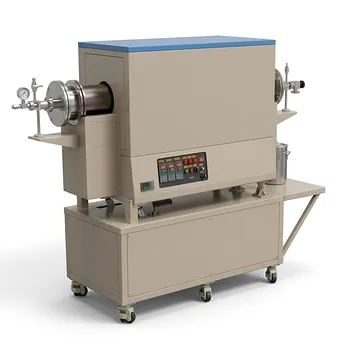
900°C Max Rotary Tube Furnace with 8 Inch 310S Alloy Tube and Optional Multi Zone Heating for Industrial Material Calcination
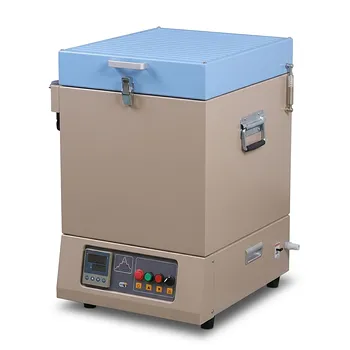
High Temperature Vertical Crucible Furnace with 22L Heating Chamber and 1200C Maximum Temperature
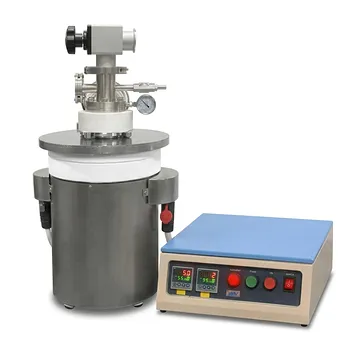
1100C High Temperature Vacuum Crucible Furnace with Quartz Chamber for Thermal Processing and Sintering

High Temperature 1700C Tube Furnace with High Vacuum Turbomolecular Pump System and Multi Channel Mass Flow Controller Gas Mixer

High Temperature Tube Furnace 1500C with Sliding Flanges and 50mm OD for Rapid Thermal Processing Fast Heating and Cooling
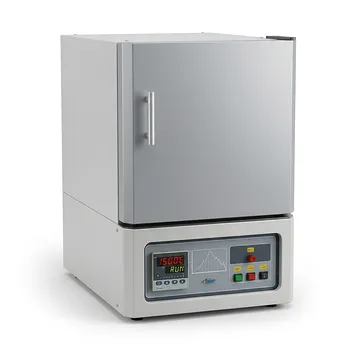
High Temperature 1500C Benchtop Muffle Furnace 3.6L Alumina Fiber Chamber Programmable Controller Sintering Annealing Carbonization Thermal Processing System

Compact High Temperature 1600C Tube Furnace with 50mm Alumina Tube and Vacuum Flanges for Material Sintering
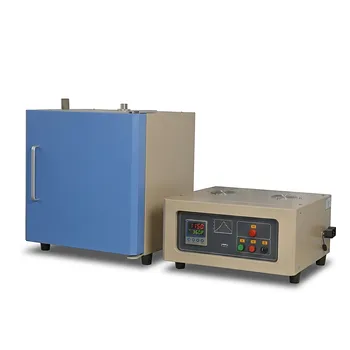
High Temperature Muffle Furnace with Alloy Chamber for Debinding and Sintering Applications
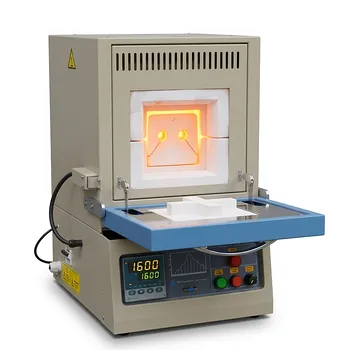
High Temperature Compact Muffle Furnace 1700 C with 30 Segment Programmable Controller and 1.7L Cubic Chamber
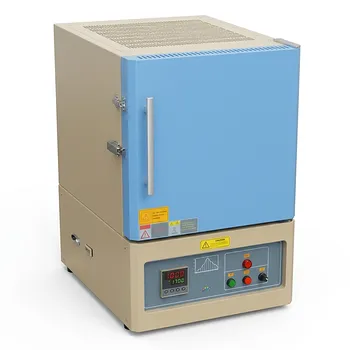
Large Bench Top 1700C High Temperature Muffle Furnace with 19L Chamber for Advanced Material Sintering and Annealing
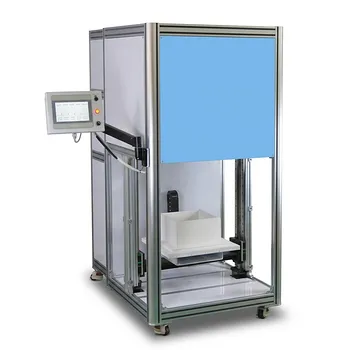
High Temperature 1600°C Three Zone Heated Bottom Loading Box Furnace with Rapid Thermal Processing Chamber 72L Volume
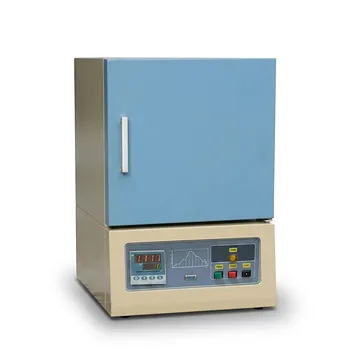
Ultra High Temperature Bench Top Muffle Furnace 1750C Sintering System with Kanthal Super Heating Elements and Precision Digital Control
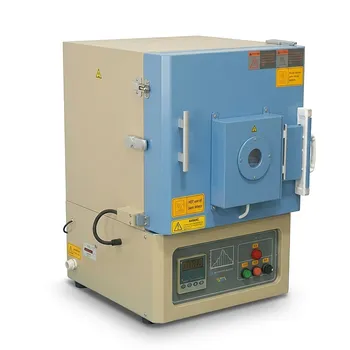
High Temperature Benchtop Muffle Furnace 1500C with 3.6L Chamber and Quartz Observation Window
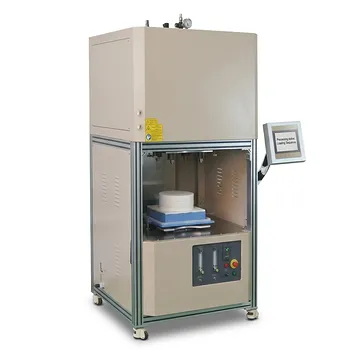
High Temperature Vertical Atmosphere Controlled Furnace with Automatic Bottom Loading and 1700°C Capacity for Advanced Material Research
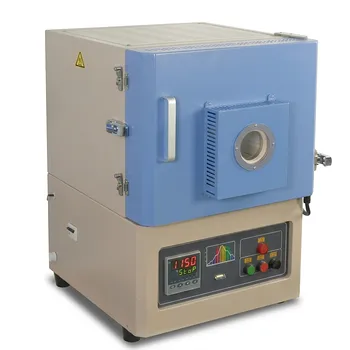
High Temperature Benchtop Muffle Furnace with Quartz Observation Window for Thermal Imaging and Material Analysis
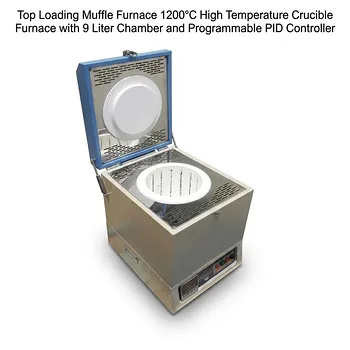
Top Loading Muffle Furnace 1200°C High Temperature Crucible Furnace with 9 Liter Chamber and Programmable PID Controller
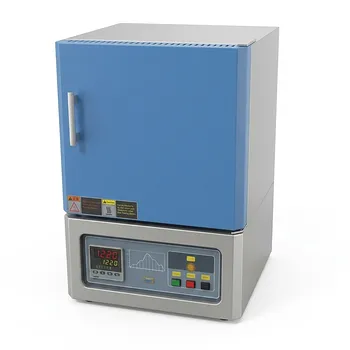
High Temperature Benchtop Muffle Furnace 1700C 10L Chamber Alumina Fiber Insulation MoSi2 Heating Elements
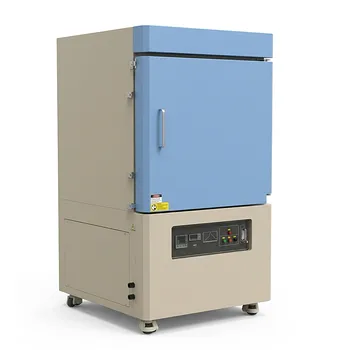
Industrial Large Box Furnace 1700C 216L High Temp Muffle Sintering System
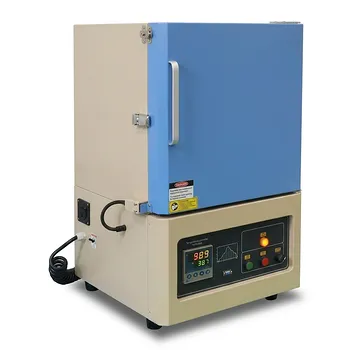
1200°C High Temperature Muffle Furnace 19L Chamber with 50 Segment Programmable Controller