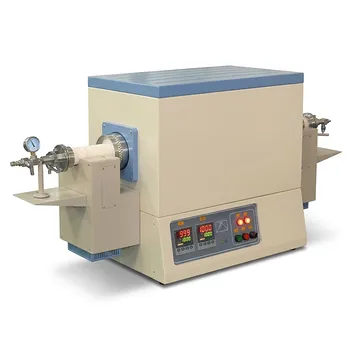
What role does a horizontal rotary quartz tube furnace play in biochar production? Optimize Biomass Carbonization.
Updated 3 months ago
The horizontal rotary quartz tube furnace acts as the primary reactor for the thermochemical conversion of biomass into high-quality biochar. It provides a strictly controlled, high-temperature, oxygen-deficient environment that facilitates the pyrolysis of materials like barley spent grain. By combining precise thermal regulation with dynamic tumbling, the furnace ensures complete carbonization and the development of a sophisticated initial pore structure.
The core role of this furnace is to provide a stable, anaerobic platform where biomass undergoes chemical degradation and reorganization. It transforms raw organic matter into a carbon-rich material with specific physical properties by precisely managing heating rates, residence times, and atmospheric purity.
Facilitating the Pyrolysis Mechanism
Creating the Anaerobic Environment
The furnace utilizes a sealed quartz tube to maintain an inert atmosphere, typically using gases like argon or nitrogen. This oxygen-free environment is critical to prevent the biomass from combusting, allowing it instead to undergo pyrolysis.
Precise Thermal Regulation
Modern furnaces allow for the exact control of heating rates (such as 5 °C/min to 10 °C/min) and residence times at specific temperatures. This precision is necessary to drive the thermochemical degradation of hemicellulose, cellulose, and lignin at their respective decomposition points.
Dynamic Tumbling for Uniformity
The "rotary" feature of the furnace provides dynamic tumbling conditions that are absent in static models. This constant movement ensures that the barley spent grain is heated uniformly, preventing local hotspots and ensuring consistent product quality across the entire batch.
Controlling Physical and Chemical Transformation
Volatile Matter Removal
As the temperature rises within the furnace, the organic components of the biomass undergo cracking and polymerization. This process effectively drives off volatile matter, significantly increasing the relative concentration of fixed carbon in the resulting biochar.
Pore Structure Development
The furnace environment is responsible for the formation of the biochar’s initial pore structure. By regulating the sintering duration and temperature (often ranging from 300 °C to 900 °C), operators can customize the surface area and porosity of the material for specific applications.
Carbon Framework Reorganization
Under the high-temperature conditions provided by the furnace, carbon elements are reorganized into stable graphitic or amorphous frameworks. This transformation is what turns soft agricultural waste into a durable, high-carbon material suitable for industrial or environmental use.
Understanding the Trade-offs
Scalability vs. Precision
While laboratory-scale rotary tube furnaces offer unparalleled precision for research and small-batch production, they are often limited in throughput. For industrial-scale production of biochar from barley spent grain, the energy costs of maintaining high-purity inert atmospheres in larger rotary systems can be a significant economic factor.
Material Limitations
Quartz tubes offer excellent chemical resistance and visibility for monitoring the process, but they are more fragile than stainless steel alternatives. They must be handled carefully to avoid thermal shock or mechanical damage during the loading and unloading of dense biomass.
How to Apply This to Your Project
When selecting or operating a horizontal rotary quartz tube furnace for biochar production, your configuration should align with your specific material goals.
- If your primary focus is maximizing surface area: Utilize a slower heating rate and a mid-range temperature (around 500-600 °C) to allow for the gradual development of micropores without collapsing the carbon structure.
- If your primary focus is high fixed-carbon content: Prioritize higher temperatures (700 °C+) and longer residence times to ensure the near-total removal of volatile organic compounds.
- If your primary focus is product consistency: Ensure the rotary speed is optimized for your biomass volume to maintain constant movement and prevent the "clumping" often seen with moist feedstock like spent grain.
Ultimately, the horizontal rotary quartz tube furnace is the definitive tool for transforming raw biomass into a standardized, high-performance carbon material.
Summary Table:
| Feature | Function in Biochar Production | Key Benefit |
|---|---|---|
| Inert Atmosphere | Prevents biomass combustion using Ar/N2 gases | Facilitates pure pyrolysis and carbonization |
| Rotary Action | Constant tumbling of biomass (e.g., spent grain) | Ensures uniform heating and prevents local hotspots |
| Thermal Precision | Strict control of heating rates and residence time | Optimizes decomposition of hemicellulose and lignin |
| Quartz Tube | High chemical resistance and process visibility | Maintains atmospheric purity and allows visual monitoring |
| Temperature Range | Operates typically between 300°C and 900°C | Enables customization of surface area and porosity |
Transform Your Material Research with THERMUNITS
Are you looking to achieve superior consistency in your biochar or material science projects? THERMUNITS is a leading manufacturer of high-temperature laboratory equipment, providing the precision needed for advanced industrial R&D.
We offer a comprehensive range of thermal processing solutions tailored to your specific requirements, including:
- Rotary and Tube Furnaces for dynamic biomass carbonization.
- Vacuum, Atmosphere, and Muffle Furnaces for controlled environments.
- CVD/PECVD Systems and Vacuum Induction Melting (VIM) furnaces.
- Electric Rotary Kilns and specialized Dental Furnaces.
Our team is dedicated to helping you achieve precise thermal regulation and optimal pore structure development. Contact us today to find the perfect furnace for your laboratory and take your research to the next level.
References
- V. Meseguer, Emmanuel Fuentes. Ciprofloxacin Uptake from an Aqueous Solution via Adsorption with K2CO3-Activated Biochar Derived from Brewing Industry Bagasse. DOI: 10.3390/pr12010199
Mentioned Products
- Compact Vertical Split Quartz Tube Furnace with Stainless Steel Vacuum Flanges for Rapid Thermal Quenching and Controlled Atmosphere Material Processing
- 1200°C 5 Inch Vertical Quartz Tube Furnace with Stainless Steel Vacuum Flanges
- Split Vertical Tube Furnace with 1200C Quartz Tube and Stainless Steel Vacuum Flanges for Rapid Thermal Processing
- Three Zone Tube Furnace with 11 Inch or 15 Inch Quartz Tube and Hinged Flanges for Vacuum Atmosphere Heat Treatment
- 900°C Max Rotary Tube Furnace with 8 Inch 310S Alloy Tube and Optional Multi Zone Heating for Industrial Material Calcination
People Also Ask
- Why integrate a vertical split tube furnace with hydraulic loading for HSECC? Essential for In-Situ Fire Simulation.
- What is the role of a split vertical tube furnace during flash sintering of 8YSZ and 20SDC? Master Ultra-Fast R&D
- What is the primary engineering purpose for using a customized ventilation hood when operating a split tube furnace? RCF Safety
- Why is a quartz tube furnace necessary for phosphorus-doped MoS2/GO preparation? Ensure Purity & Precise Synthesis
- What is the primary function of a Quartz Tube Furnace in ZnO VLS growth? Master High-Precision Nanowire Synthesis

Tech Team · ThermUnits
Last updated on Jun 03, 2026
Related Products
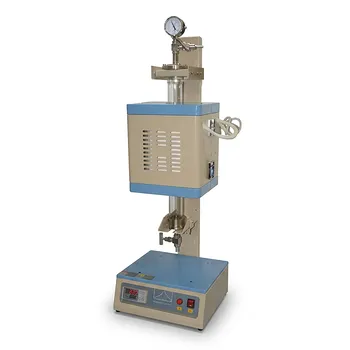
Compact Vertical Split Quartz Tube Furnace with Stainless Steel Vacuum Flanges for Rapid Thermal Quenching and Controlled Atmosphere Material Processing
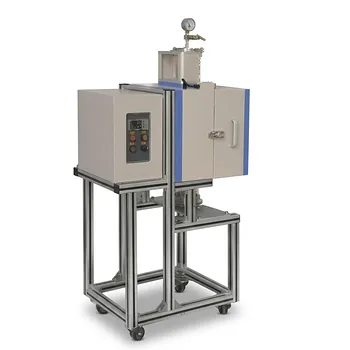
1200°C 5 Inch Vertical Quartz Tube Furnace with Stainless Steel Vacuum Flanges
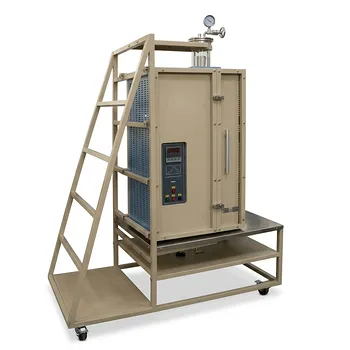
Split Vertical Tube Furnace with 1200C Quartz Tube and Stainless Steel Vacuum Flanges for Rapid Thermal Processing
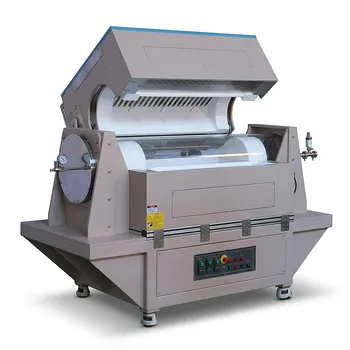
Three Zone Tube Furnace with 11 Inch or 15 Inch Quartz Tube and Hinged Flanges for Vacuum Atmosphere Heat Treatment
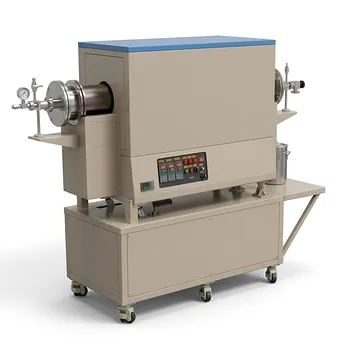
900°C Max Rotary Tube Furnace with 8 Inch 310S Alloy Tube and Optional Multi Zone Heating for Industrial Material Calcination
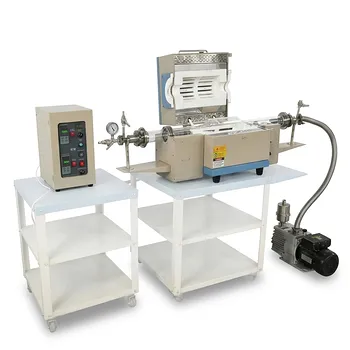
Two Zone Rotary Tube Furnace for Powder CVD Coating and Core Shell Material Synthesis 1100C
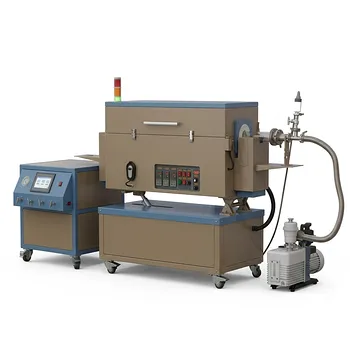
5 Inch Three Zone Rotary Tube Furnace with Integrated Gas Delivery System and 1200C Capability for Advanced Material CVD Processing
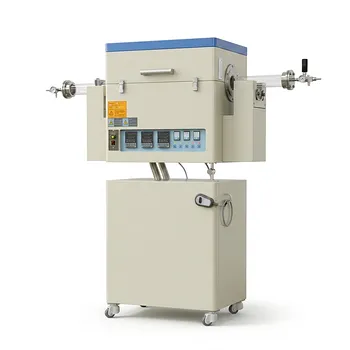
Three Temperature Zone Rotating Tube Furnace for Material Sintering and Controlled Atmospheric Heat Treatment
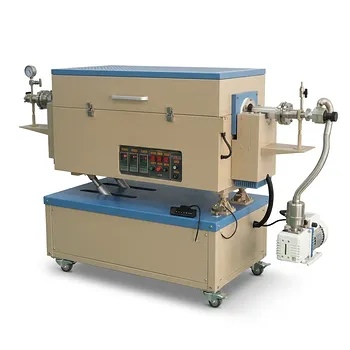
Three Zone Rotary Tube Furnace for High Temperature Powder Processing and Material Research
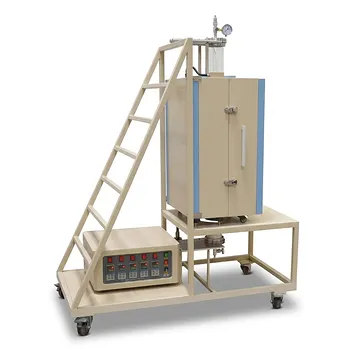
Five Zone Split Vertical Tube Furnace 1200C Max with 4 Inch Quartz Tube and Stainless Steel Vacuum Flanges
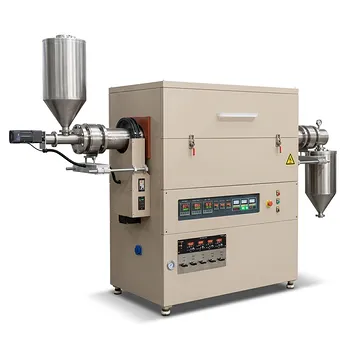
High Temperature Tilting Rotary Tube Furnace with Integrated Mass Flow Control and Multi Zone Heating
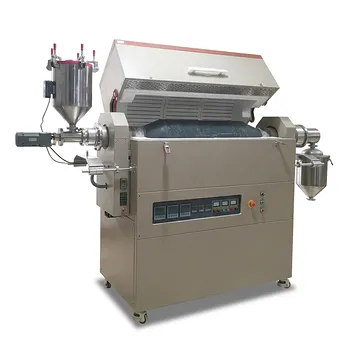
High Temperature Tilting Rotary Tubular Furnace for Continuous Powder Thermal Processing and Controlled Atmosphere Sintering
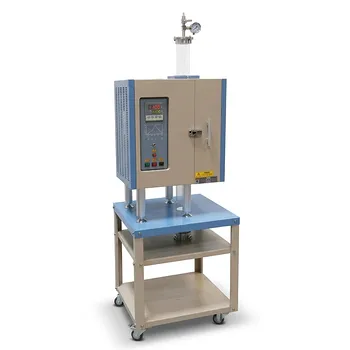
1100°C Split Vertical Tube Furnace with 80mm Quartz Tube and Stainless Steel Vacuum Flanges
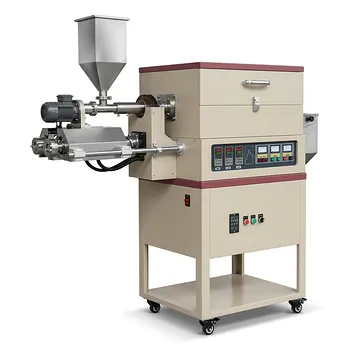
Laboratory Tilting Rotary Tubular Furnaces for Material Science and Industrial Heat Treatment
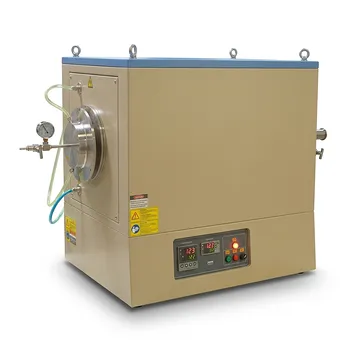
1100°C Large Diameter Quartz Tube Furnace with 24 Inch Heating Zone and Water Cooled Flanges
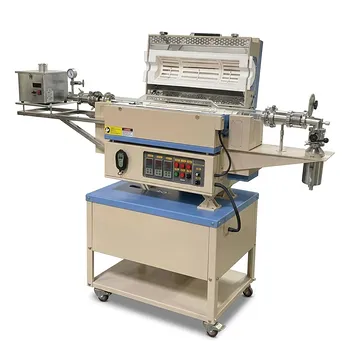
5 Inch Rotary Tube Furnace with Automatic Feeding and Receiving System 1200C Three Zone CVD Powder Processing
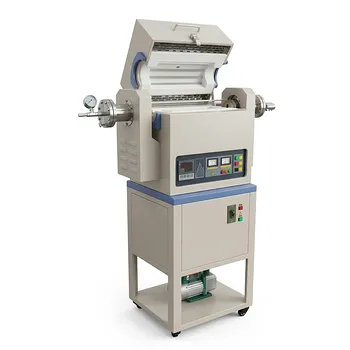
High Temperature Rotary Tilt Tubular Furnaces for Advanced Powder Sintering and Material Processing
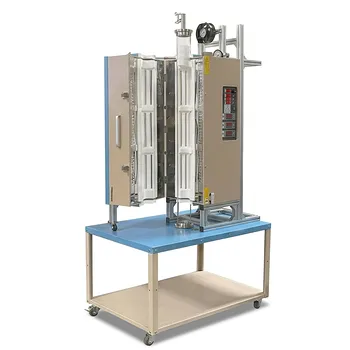
1200C Three Zone Split Vertical Tube Furnace 4 Inch Quartz Tube Stainless Steel Vacuum Flanges
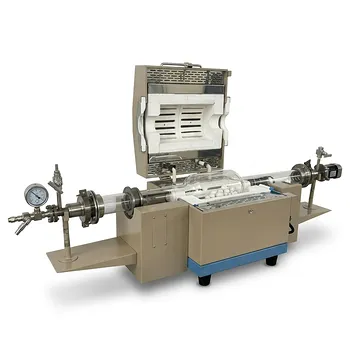
High Temperature Rotary Tube Furnace with Integrated Ball Milling and Gas Flow Function for Powder Nitriding