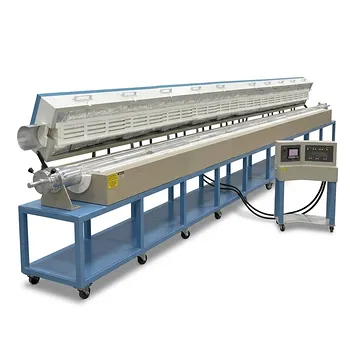
What is the role of a split vertical tube furnace during flash sintering of 8YSZ and 20SDC? Master Ultra-Fast R&D
Updated 3 months ago
The split vertical tube furnace serves as the thermal enabler for flash sintering, providing the critical ambient temperature required to transition 8YSZ and 20SDC from insulators to conductors. By maintaining a precise thermal baseline, the furnace allows an applied electric field to trigger a nearly instantaneous densification process that would be impossible at room temperature.
The core role of the furnace is to elevate the material’s temperature to a flash trigger point, which increases electrical conductivity enough to initiate Joule heating. This creates a synergistic effect where external thermal energy and internal electrical energy combine to achieve ultra-fast sintering.
Activating the Flash Phenomenon
Reaching the Critical Trigger Point
Materials like 8YSZ (yttria-stabilized zirconia) and 20SDC (samarium-doped ceria) possess low electrical conductivity at room temperature. The furnace heats these samples to a specific threshold, often around 800°C, where their resistance drops significantly.
Enhancing Electrical Conductivity
As the furnace provides base thermal energy, the mobility of ions within the ceramic lattice increases. This transition is vital because the flash event—the rapid onset of sintering—cannot occur until the material is conductive enough to allow a current to flow under the applied electric field.
Synergy of Energy Sources
Thermal and Electrical Interaction
The furnace does not work in isolation; it provides the ambient environment that supports Joule heating. Once the electric field is applied, the heat generated internally by the current works alongside the furnace's heat to drive the ultra-fast sintering mechanism.
Precision Control of Sintering Curves
Modern vertical tube furnaces allow researchers to set exact heating curves and maximum temperatures, sometimes up to 1350°C. This precision ensures that the material reaches the trigger point without overshooting, which helps maintain the desired microstructure and grain size.
Advantages of the Split Vertical Design
Facilitating Rapid Access and Integration
The split design of the furnace allows the heating chamber to be opened easily, which is crucial for integrating electrodes or moving spreader systems. This accessibility ensures that samples can be positioned accurately within the hot zone or transferred quickly to minimize heat loss.
Atmosphere and Thermodynamic Stability
Vertical furnaces are often used to simulate industrial conditions by introducing mixed gases, such as Ar-CO2-CO. This allows the sintering of 8YSZ and 20SDC to occur under specific thermodynamic conditions, evaluating how different atmospheres affect the final reduction performance and density of the sinter.
Understanding the Trade-offs
Thermal Gradients and Uniformity
While the furnace provides the necessary heat, a common pitfall is the development of thermal gradients between the furnace-heated surface and the Joule-heated core. If the furnace temperature and the electric field are not perfectly synchronized, the material may suffer from non-uniform densification or localized cracking.
Complexity of System Calibration
Using a split vertical furnace requires rigorous calibration to ensure the initial experimental temperature is accurate. Inaccuracies in the furnace's thermocouple readings can lead to premature or delayed flash events, which compromises the repeatability of the sintering process.
How to Optimize Your Sintering Process
Tailoring the Setup to Your Research Goal
When utilizing a split vertical tube furnace for advanced ceramics, your approach should vary based on the specific material properties and desired outcomes.
- If your primary focus is Grain Size Control: Use the furnace to reach the minimum possible trigger point to allow the electric field to do the bulk of the work, preventing excessive grain growth.
- If your primary focus is Atmosphere Sensitivity: Leverage the furnace’s ability to seal and inject mixed reducing gases to evaluate how oxygen vacancies impact the flash trigger of 20SDC.
- If your primary focus is High-Throughput Testing: Utilize the split design to facilitate faster sample swapping and minimize the cooldown time between experimental runs.
By mastering the balance between external furnace heat and internal electrical discharge, you can achieve full densification of advanced ceramics in a fraction of the time required by traditional methods.
Summary Table:
| Feature | Impact on Flash Sintering |
|---|---|
| Thermal Triggering | Elevates material temperature to reach critical electrical conductivity. |
| Energy Synergy | Combines external furnace heat with internal Joule heating for densification. |
| Split Design | Simplifies electrode integration and allows for rapid sample swapping. |
| Atmosphere Control | Enables use of mixed gases (Ar-CO2) to study thermodynamic stability. |
Advance Your Material Science Research with THERMUNITS
Maximize the precision of your flash sintering experiments with THERMUNITS, a leading manufacturer of high-performance thermal processing solutions. Whether you are sintering 8YSZ/20SDC or developing next-generation ceramics, our comprehensive range of split tube furnaces, vacuum systems, and CVD/PECVD equipment provides the thermal stability and atmospheric control necessary for cutting-edge industrial R&D.
Why choose THERMUNITS?
- Precision Control: Maintain exact heating curves for repeatable flash trigger points.
- Versatile Solutions: From Muffle and Tube furnaces to specialized Vacuum Induction Melting (VIM) and Hot Press systems.
- R&D Focused: Engineered specifically for the needs of material science laboratories.
Ready to optimize your laboratory efficiency? Contact us today to discuss your thermal equipment needs!
References
- R. Muccillo, E.N.S. Muccillo. Analysis of the Luminescent Emission during Flash Sintering of 8YSZ and 20SDC Ceramics. DOI: 10.3390/ceramics7010021
Mentioned Products
- Split Vertical Tube Furnace with 1200C Quartz Tube and Stainless Steel Vacuum Flanges for Rapid Thermal Processing
- 1100°C Split Vertical Tube Furnace with 80mm Quartz Tube and Stainless Steel Vacuum Flanges
- Compact Vertical Split Quartz Tube Furnace with Stainless Steel Vacuum Flanges for Rapid Thermal Quenching and Controlled Atmosphere Material Processing
- High Temperature 1700C Vertical Split Tube Furnace for Material Quenching and Single Crystal Growth
- Five Zone Split Vertical Tube Furnace 1200C Max with 4 Inch Quartz Tube and Stainless Steel Vacuum Flanges
People Also Ask
- Why integrate a vertical split tube furnace with hydraulic loading for HSECC? Essential for In-Situ Fire Simulation.
- What is the primary engineering purpose for using a customized ventilation hood when operating a split tube furnace? RCF Safety
- How does a split tube furnace contribute to the thermal stabilization of Clignin@H-TiO2? Achieve Structural Precision
- How does a split tube furnace facilitate debinding of ceramic green bodies? Master Precise Thermal & Atmosphere Control
- What are the specific advantages and use cases for a split tube furnace? Optimize Lab Efficiency & Material Research

Tech Team · ThermUnits
Last updated on Jun 02, 2026
Related Products
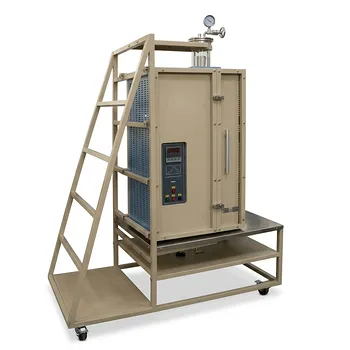
Split Vertical Tube Furnace with 1200C Quartz Tube and Stainless Steel Vacuum Flanges for Rapid Thermal Processing
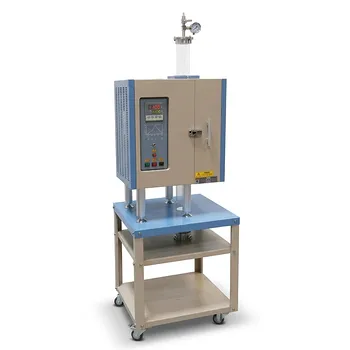
1100°C Split Vertical Tube Furnace with 80mm Quartz Tube and Stainless Steel Vacuum Flanges

Compact Vertical Split Quartz Tube Furnace with Stainless Steel Vacuum Flanges for Rapid Thermal Quenching and Controlled Atmosphere Material Processing
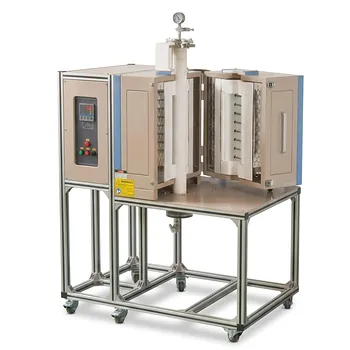
High Temperature 1700C Vertical Split Tube Furnace for Material Quenching and Single Crystal Growth
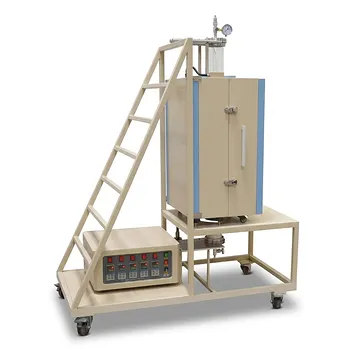
Five Zone Split Vertical Tube Furnace 1200C Max with 4 Inch Quartz Tube and Stainless Steel Vacuum Flanges
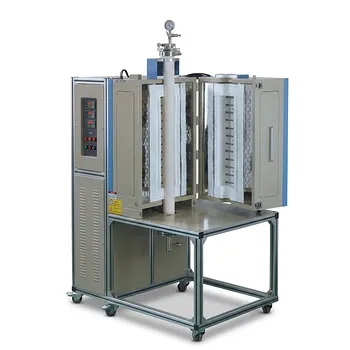
Three Zone Heating Split Vertical Tube Furnace 1700 High Temperature Vacuum Atmosphere Thermal Process System
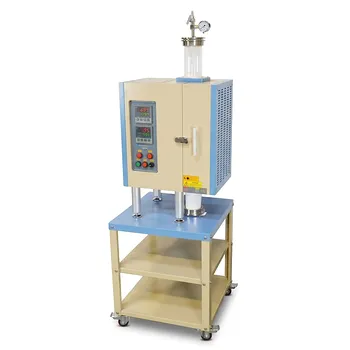
1100°C Dual Zone Split Vertical Tube Furnace with 4 Inch Quartz Tube and Vacuum Sealing Flanges
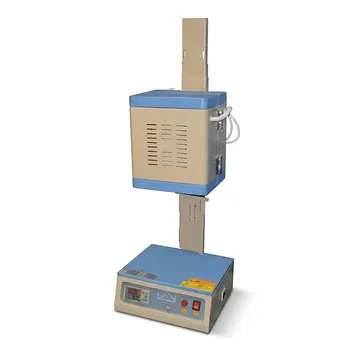
High Temperature Vertical Split Tube Furnace with PID Temperature Controller for 1 and 2 Inch Processing Tubes
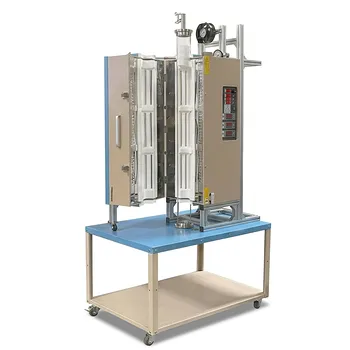
1200C Three Zone Split Vertical Tube Furnace 4 Inch Quartz Tube Stainless Steel Vacuum Flanges
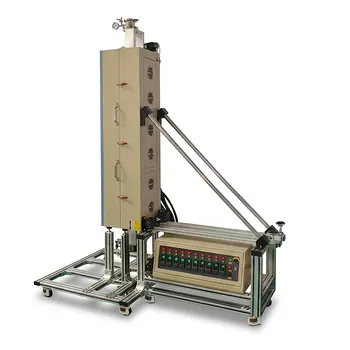
1200°C 10-Zone Split Tube Furnace with Horizontal and Vertical Mounting for Multi-Zone Thermal Gradients and Large Diameter Material Processing
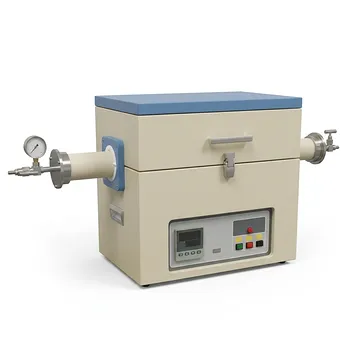
1250C Split Tube Furnace with 3 Inch Mullite Tube and Vacuum Sealing Flanges for Precision Thermal Processing
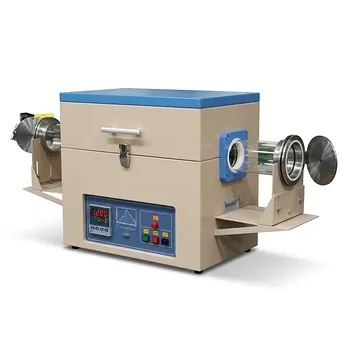
High Temperature 1200C Split Tube Furnace with Hinged Vacuum Flanges and 4 Inch Quartz Tube for Laboratory Research
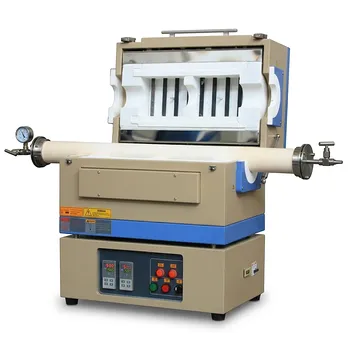
1500C Two Zone Split Tube Furnace with Vacuum Flange and 80mm Alumina Tube

High Temperature 1700C Six Zone Split Tube Furnace with Alumina Tube and Water Cooled Flanges
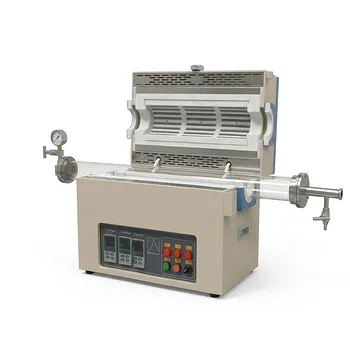
1200°C Three Zone Split Tube Furnace with 18 Inch Heating Length and Vacuum Flanges
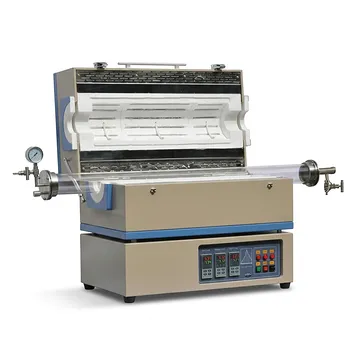
24 Inch Three Zone Split Tube Furnace with Optional Quartz Tube and Vacuum Flange System for High Temperature Material Synthesis
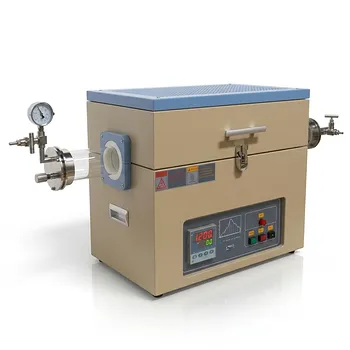
High Temperature 1200C Split Tube Furnace with Optional Quartz Tube Sizes and Vacuum Sealing Flanges for Material Science Research
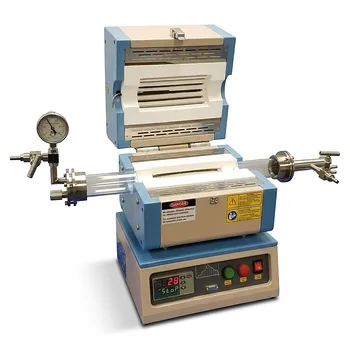
Compact Split Tube Furnace with Integrated Vacuum System and Precision Temperature Calibrator
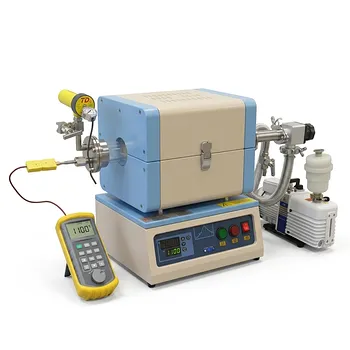
Compact Split Tube Furnace with Insertable Temperature Calibrator and Integrated Vacuum System