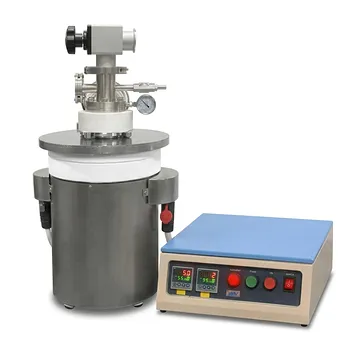
What is the primary function of a Quartz Tube Furnace in ZnO VLS growth? Master High-Precision Nanowire Synthesis
Updated 3 months ago
The Quartz Tube Furnace serves as the fundamental thermal reactor that provides the precise high-temperature environment necessary for the evaporation of zinc precursors and the subsequent directed crystallization of Zinc Oxide (ZnO) nanowires. By maintaining a stable thermal field and a controlled atmosphere, the furnace enables the vapor-liquid-solid (VLS) mechanism to occur, transforming solid raw materials into highly ordered, single-crystal nanostructures guided by metallic catalysts.
The primary function of the Quartz Tube Furnace is to establish a stable and adjustable temperature gradient that facilitates both the gasification of zinc sources and the precise transport of vapor to catalyst sites. It acts as the central control unit for the thermodynamic and kinetic conditions required for high-crystallinity nanowire growth.
The Role of Thermal Energy in Material Phase Transition
Facilitating Evaporation and Carbothermal Reduction
The furnace provides the high temperatures, often ranging from 940°C to 1200°C, required to convert solid zinc or ZnO/graphite mixtures into vapor. In many setups, the furnace drives a carbothermal reduction where graphite reduces ZnO to zinc vapor, which is essential for the VLS process.
Maintaining the Molten Catalyst State
For the VLS mechanism to function, the furnace must maintain the temperature of the substrate at a point where the gold catalyst forms a liquid alloy droplet with the incoming zinc vapor. This liquid droplet acts as a "seed," absorbing the vapor until it reaches supersaturation, at which point the ZnO begins to precipitate and grow as a nanowire.
Controlling Transport and Deposition Mechanics
Establishing the Temperature Gradient
A critical function of the horizontal tube furnace is the creation of a thermal gradient between the high-temperature "source zone" and the lower-temperature "deposition zone." This temperature difference is the primary driver that moves zinc vapor from the source toward the substrate, where it can eventually recrystallize.
Regulating Vapor Transport via Carrier Gases
The furnace environment allows for the precise regulation of carrier gas flow rates, such as argon or oxygen, which transport the zinc vapor downstream. This flow management ensures that the vapor reaches the catalytic sites at a consistent rate, directly influencing the growth velocity and density of the resulting nanowires.
Atmosphere and Pressure Control
Modern quartz tube furnaces allow for vacuum or controlled atmosphere settings, sometimes as low as 1 mTorr. This control is vital for preventing unwanted oxidation of the zinc source before it reaches the catalyst and for ensuring the chemical purity of the ZnO crystal lattice.
Understanding the Trade-offs
Temperature Uniformity vs. Gradient Necessity
While a stable "hot zone" is required for evaporation, an overly uniform temperature throughout the entire tube can prevent deposition. Achieving the perfect balance between source evaporation and downstream supersaturation is the most difficult aspect of VLS furnace management.
Quartz Devitrification and Contamination
Operating at the high temperatures required for ZnO growth (near 1200°C) places significant stress on the quartz tube itself. Over time, quartz can undergo devitrification or become a source of silicon contamination, which may degrade the electrical properties of the semiconductor nanowires.
How to Optimize Growth for Your Project
Making the Right Choice for Your Goal
To achieve specific nanowire characteristics, the furnace parameters must be tuned to the desired outcome of the synthesis.
- If your primary focus is High Crystallinity: Maintain a highly stable, constant temperature in the deposition zone to allow the crystal lattice to form without structural defects.
- If your primary focus is High Aspect Ratio: Increase the carrier gas flow rate and sharpen the temperature gradient to drive faster longitudinal growth while limiting lateral diameter expansion.
- If your primary focus is Morphology Control: Utilize a nested dual-tube design within the furnace to create localized vapor supersaturation, which helps in forming sharp tip morphologies.
The Quartz Tube Furnace remains the indispensable heart of the VLS process, providing the thermal precision necessary to bridge the gap between raw chemical precursors and sophisticated nanostructure arrays.
Summary Table:
| Furnace Function | Impact on ZnO Growth | Key Control Parameter |
|---|---|---|
| Thermal Evaporation | Converts solid precursors into zinc vapor | Source Zone Temp (940°C-1200°C) |
| Vapor Transport | Moves vapor from source to catalyst sites | Temperature Gradient (ΔT) |
| Catalyst Maintenance | Keeps gold droplets in a molten liquid state | Substrate Temperature |
| Atmosphere Control | Regulates growth velocity and prevents oxidation | Carrier Gas Flow & Vacuum Level |
Elevate Your Nanomaterial R&D with THERMUNITS
Precise thermal control is the backbone of successful VLS growth and advanced material synthesis. THERMUNITS is a leading manufacturer of high-temperature laboratory equipment, providing the accuracy and reliability required for cutting-edge material science and industrial R&D.
Our comprehensive thermal processing solutions include:
- Tube Furnaces & CVD/PECVD Systems optimized for nanowire synthesis.
- Vacuum, Atmosphere, and Muffle Furnaces for versatile heat treatments.
- Advanced Equipment: Rotary kilns, Hot Press furnaces, Dental furnaces, and Vacuum Induction Melting (VIM) systems.
Whether you need to maintain perfect temperature uniformity or create sharp gradients for specific morphologies, THERMUNITS delivers the technology to ensure your project's success.
Contact THERMUNITS today to optimize your laboratory workflows!
References
- Clémence Badie, Sang Sub Kim. Selective Detection of H<sub>2</sub> Gas in Gas Mixtures Using NiO‐Shelled Pd‐Decorated ZnO Nanowires. DOI: 10.1002/admt.202302081
Mentioned Products
- Dual Zone Quartz Tube Furnace with 80mm Diameter 1200C Max Temperature 3 Channel Gas Mixer and Vacuum Pump System
- 1100°C High Temperature Quartz Chamber Furnace 8 Inch OD with 7.6 Liter Capacity and Vacuum Atmosphere Capability
- Compact Vertical Split Quartz Tube Furnace with Stainless Steel Vacuum Flanges for Rapid Thermal Quenching and Controlled Atmosphere Material Processing
- 1100°C Large Diameter Quartz Tube Furnace with 24 Inch Heating Zone and Water Cooled Flanges
- 1200°C 5 Inch Vertical Quartz Tube Furnace with Stainless Steel Vacuum Flanges
People Also Ask
- How do dual-zone quartz tube furnaces achieve controllable material preparation? Optimize Perovskite VD Processes
- What are the technical advantages of using a dual-zone tube furnace for growing large PdCoO2 crystals via CVT? Expert Tips
- Purpose of the reverse gradient step in CVT growth? Master Crystal Purity with Dual-Zone Furnaces
- Why is it necessary to place MoS2 devices in a dual-zone tube furnace for annealing? Optimize Lattice Repair & Doping
- Why is a dual-zone tube furnace necessary for ReO3-doped Cu2Te CVD? Essential for precise precursor synchronization.

Tech Team · ThermUnits
Last updated on Jun 02, 2026
Related Products
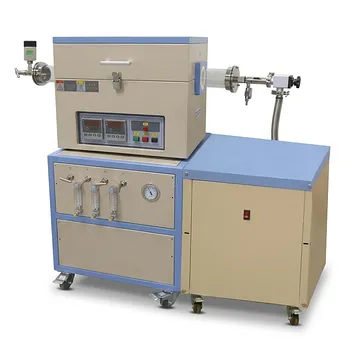
Dual Zone Quartz Tube Furnace with 80mm Diameter 1200C Max Temperature 3 Channel Gas Mixer and Vacuum Pump System

1100°C High Temperature Quartz Chamber Furnace 8 Inch OD with 7.6 Liter Capacity and Vacuum Atmosphere Capability

Compact Vertical Split Quartz Tube Furnace with Stainless Steel Vacuum Flanges for Rapid Thermal Quenching and Controlled Atmosphere Material Processing
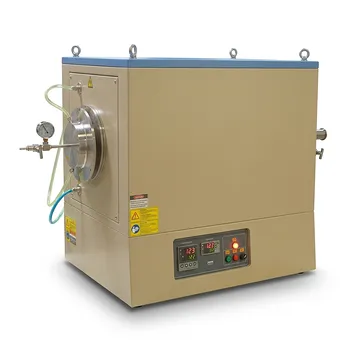
1100°C Large Diameter Quartz Tube Furnace with 24 Inch Heating Zone and Water Cooled Flanges

1200°C 5 Inch Vertical Quartz Tube Furnace with Stainless Steel Vacuum Flanges
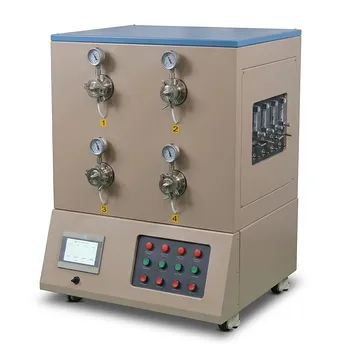
High Throughput 1200C Four Channel Tube Furnace with 3 Inch Quartz Tubes for Multi Zone Annealing and Material Research
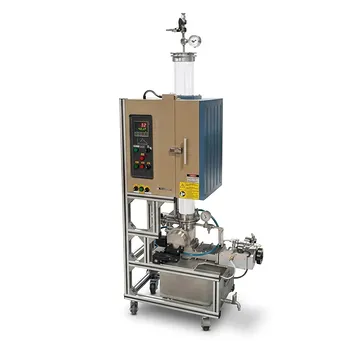
1200C High Temperature Atmosphere Controlled Vertical Quenching Tube Furnace with 4 Inch Quartz Tube
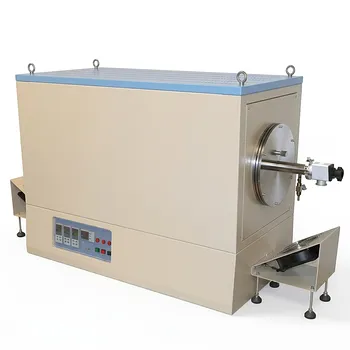
1100°C Three Zone Tube Furnace with 8.5 to 11 Inch OD Quartz Tube and Vacuum Flanges for Large Wafer Processing
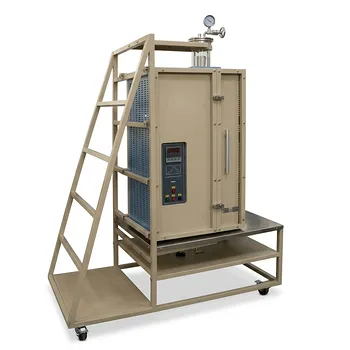
Split Vertical Tube Furnace with 1200C Quartz Tube and Stainless Steel Vacuum Flanges for Rapid Thermal Processing
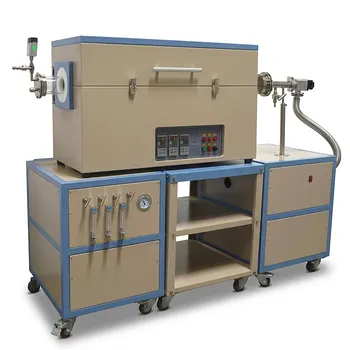
Three Zone Quartz Tube Furnace with 3 Channel Gas Mixer Vacuum Pump and Anti Corrosive Vacuum Gauge
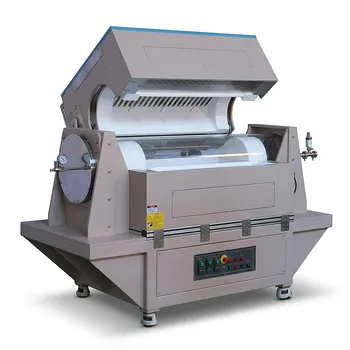
Three Zone Tube Furnace with 11 Inch or 15 Inch Quartz Tube and Hinged Flanges for Vacuum Atmosphere Heat Treatment
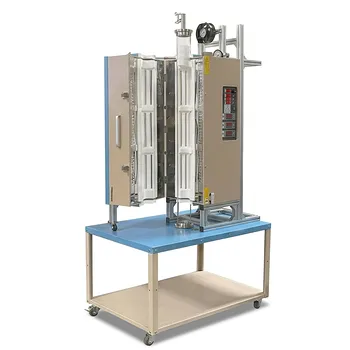
1200C Three Zone Split Vertical Tube Furnace 4 Inch Quartz Tube Stainless Steel Vacuum Flanges
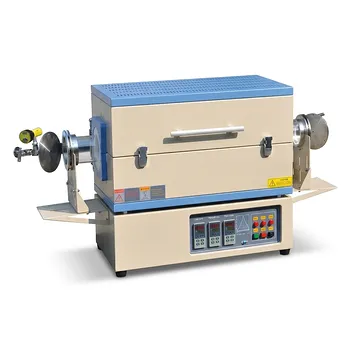
Three Zone Tube Furnace with 24 Inch Heating Length and Hinged Flange Quartz Tube System
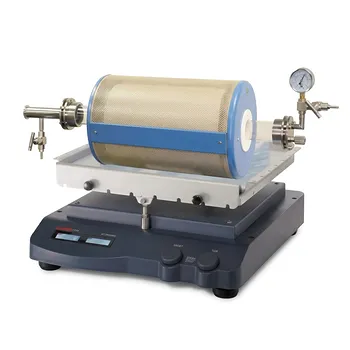
High Temperature Rocking Tube Furnace with Quartz Tube and Vacuum Flange for Materials Synthesis
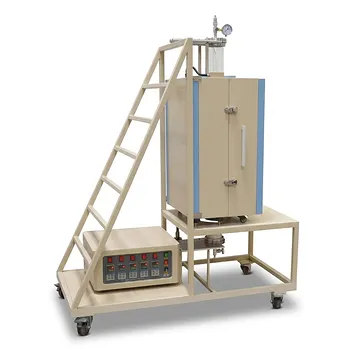
Five Zone Split Vertical Tube Furnace 1200C Max with 4 Inch Quartz Tube and Stainless Steel Vacuum Flanges
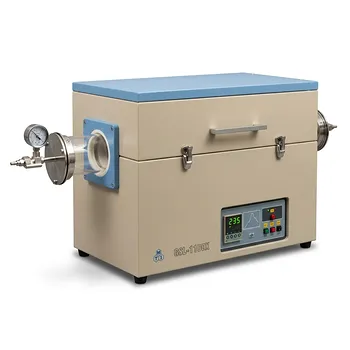
Single Zone Tube Furnace 5 Inch Quartz Tube 36 Inch Heating Zone Vacuum Flanges
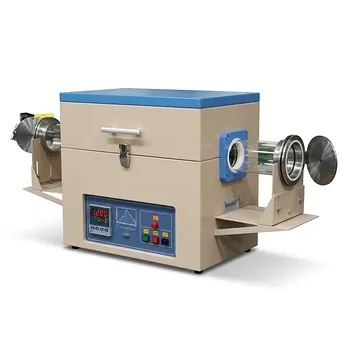
High Temperature 1200C Split Tube Furnace with Hinged Vacuum Flanges and 4 Inch Quartz Tube for Laboratory Research
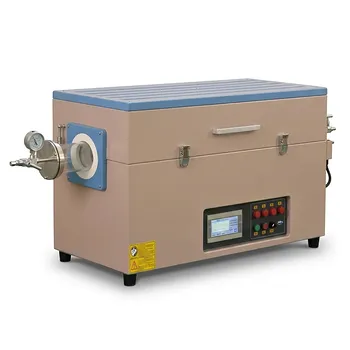
1200C Four Zone Split Tube Furnace with Touch Screen Control and High Purity Quartz Tube and Vacuum Sealing Flanges

High Temperature Automated 5 Inch Tube Furnace for Autonomous Material Research and Advanced Laboratory R&D