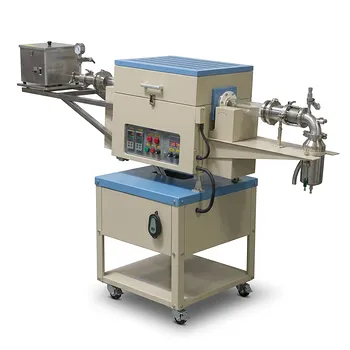
What specific advantages does MPCVD offer for the production of gem-quality lab-grown diamonds? Unlock Colorless Purity
Updated 5 months ago
Microwave Plasma Chemical Vapor Deposition (MPCVD) is the premier technology for producing high-purity, colorless diamonds. Unlike the High-Pressure High-Temperature (HPHT) method, which often results in a distinct yellow tint due to nitrogen impurities, MPCVD allows for precise control over plasma chemistry. This process enables the growth of large, single-crystal boules with optical and physical properties that are virtually indistinguishable from the finest natural stones.
Core Takeaway: MPCVD offers a superior path to gem-quality diamonds by using precise plasma control and atomic hydrogen to ensure high crystallinity and color purity, effectively bypassing the structural and aesthetic limitations of HPHT methods.
Superior Control Over Optical Purity
Eliminating the "Yellow Tint"
The most significant advantage of MPCVD is its ability to produce colorless, gem-grade diamonds. HPHT methods frequently introduce nitrogen into the diamond lattice, which results in a yellow or brownish hue that requires further treatment.
MPCVD avoids this by operating in a vacuum environment where plasma chemistry can be strictly regulated. This allows for the production of Type IIa diamonds, the rarest and most chemically pure category of stones.
Matching Natural Diamond Properties
Diamonds grown via MPCVD possess optical and physical properties equivalent to those found in nature. Because the environment is so controlled, the resulting stones lack the metallic inclusions sometimes found in HPHT diamonds.
This high level of purity ensures that the diamond maintains its brilliance and fire without the internal "cloudiness" that can plague lesser synthesis methods.
The Role of Plasma Chemistry and Hydrogen
Atomic Hydrogen as a Selective Etchant
A critical technical advantage of MPCVD is the high concentration of atomic hydrogen within the plasma. This hydrogen serves a dual purpose: it selectively etches away non-diamond (sp2) carbon while stabilizing the desired sp3 diamond bonding.
By removing graphite-like carbon during the growth process, the system ensures that only the strongest diamond bonds remain. This results in a material with exceptional structural integrity and fewer internal defects.
Achieving High Crystallinity
Despite growing at moderate rates—typically several micrometers per hour—the MPCVD process yields high crystallinity. This slow, methodical growth allows the carbon atoms to arrange themselves into a near-perfect lattice.
The result is a single-crystal boule that is large enough for high-carat jewelry while maintaining the structural density required for industrial and gemological applications.
Understanding the Trade-offs
Growth Speed vs. Quality
While HPHT can often produce diamonds faster, it does so at the cost of internal stress and impurity. MPCVD is a more deliberate process that prioritizes the quality of the crystal over the speed of the output.
Equipment Complexity and Cost
The MPCVD process requires sophisticated microwave generators and vacuum systems, which can be more complex to maintain than HPHT presses. However, for producers targeting the top-tier gem market, the higher investment is offset by the significantly higher value of colorless stones.
Applying This to Your Diamond Strategy
Selecting the Right Synthesis Method
- If your primary focus is Maximum Color Purity: Choose MPCVD, as it is the most reliable method for producing D-E-F color-grade stones without nitrogen contamination.
- If your primary focus is Large, Single-Crystal Yields: Utilize MPCVD to grow large boules that can be precision-cut into high-carat, gem-quality diamonds.
- If your primary focus is Industrial-Grade Bulk Production: Consider if the speed of HPHT outweighs the superior optical clarity of MPCVD for your specific use case.
By leveraging the precision of plasma chemistry, MPCVD provides the only viable path for scaling the production of diamonds that truly rival the world's most elite natural stones.
Summary Table:
| Feature | MPCVD Method | HPHT Method |
|---|---|---|
| Diamond Color | High-purity, Colorless (D-E-F) | Often Yellowish/Brownish tint |
| Impurities | Type IIa (Minimal nitrogen) | Nitrogen & Metallic inclusions |
| Crystal Quality | High crystallinity, few defects | Possible internal stress/inclusions |
| Mechanism | Plasma chemistry & hydrogen etching | Pressurized solvent-catalyst metal |
| Best For | Premium gem-quality jewelry | Industrial & mass-market diamonds |
Elevate Your Diamond Synthesis with THERMUNITS Precision
Achieving the perfect D-color diamond requires absolute control over your thermal environment. THERMUNITS is a leading manufacturer of high-temperature laboratory equipment, providing the advanced CVD/PECVD systems and specialized furnaces necessary for elite material science and industrial R&D.
From high-vacuum environments to precise atmosphere control, our comprehensive range—including Muffle, Vacuum, Tube, and Hot Press furnaces—is designed to help you bypass impurities and achieve superior crystallinity. Whether you are scaling lab-grown diamond production or developing new carbon materials, our expert-engineered solutions deliver the reliability your research demands.
Ready to optimize your heat treatment process? Contact THERMUNITS today to get a custom quote!
Mentioned Products
- Cylindrical Resonator MPCVD Machine System for Microwave Plasma Chemical Vapor Deposition and Lab Diamond Growth
- 915MHz MPCVD Diamond Machine Microwave Plasma Chemical Vapor Deposition System Reactor
- HFCVD Machine System for Nano Diamond Coating on Drawing Dies and Industrial Tools
- Multi Heating Zones CVD Tube Furnace System for Precision Chemical Vapor Deposition and Advanced Material Synthesis
- 1200C Max Compact Auto-Sliding PECVD Furnace with 2 Inch Tube and Vacuum Pump
People Also Ask
- How does the high concentration of atomic hydrogen in MPCVD benefit diamond growth? The Key to Gem-Grade Quality.
- What are the typical operating pressure ranges and vacuum requirements for MPCVD systems? Optimize Your Material Growth
- What technical parameters are critical for optimizing the growth of single-crystal diamonds in MPCVD systems? Expert Guide
- What are the technical advantages of the electrodeless plasma design in MPCVD systems? Purity & Precision in Synthesis
- How does the versatility of gas compatibility in MPCVD systems compare to filament-based CVD methods? Purity & Doping.

Tech Team · ThermUnits
Last updated on Apr 14, 2026
Related Products
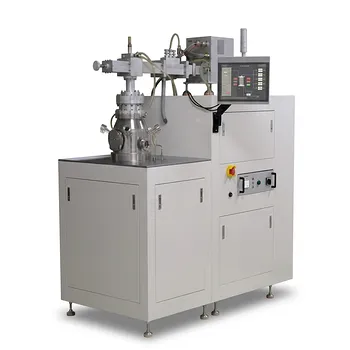
Cylindrical Resonator MPCVD Machine System for Microwave Plasma Chemical Vapor Deposition and Lab Diamond Growth
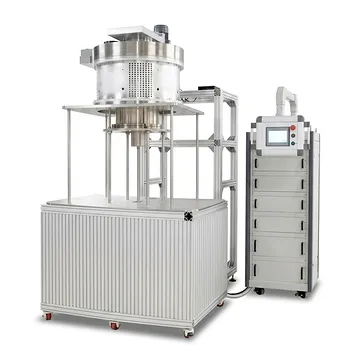
915MHz MPCVD Diamond Machine Microwave Plasma Chemical Vapor Deposition System Reactor
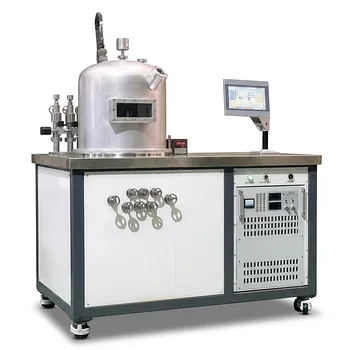
HFCVD Machine System for Nano Diamond Coating on Drawing Dies and Industrial Tools
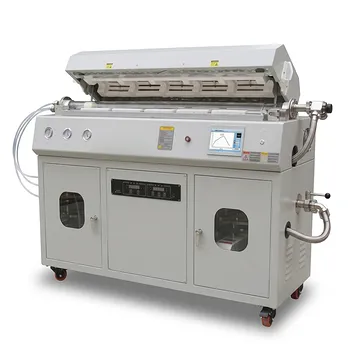
Multi Heating Zones CVD Tube Furnace System for Precision Chemical Vapor Deposition and Advanced Material Synthesis
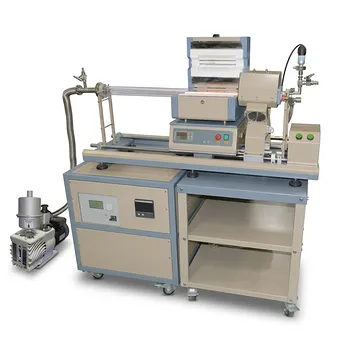
1200C Max Compact Auto-Sliding PECVD Furnace with 2 Inch Tube and Vacuum Pump
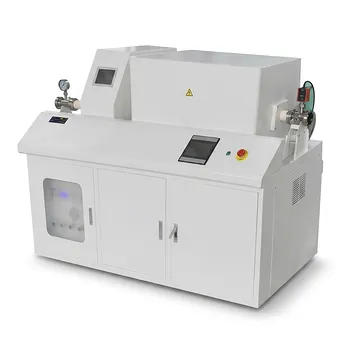
Chemical Vapor Deposition CVD System Slide PECVD Tube Furnace with Liquid Gasifier PECVD Machine
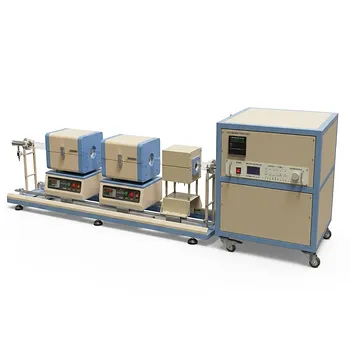
1200C Dual Sliding Tube Furnace with Dual Tubes and Flanges for PECVD Processes
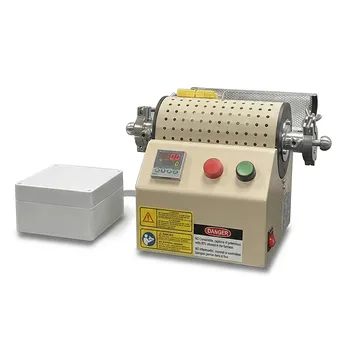
1000C Mini Tube Furnace with 20mm Quartz Tube and Vacuum Flanges for Material Science Research and Controlled Atmosphere Small Sample Processing
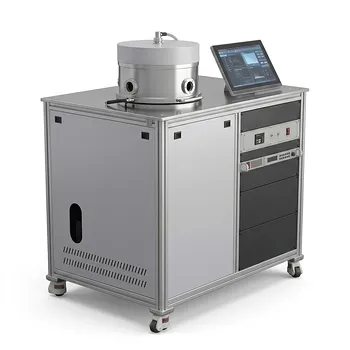
Inclined Rotary Plasma Enhanced Chemical Vapor Deposition PECVD System for Thin Film Deposition and Nanomaterial Synthesis