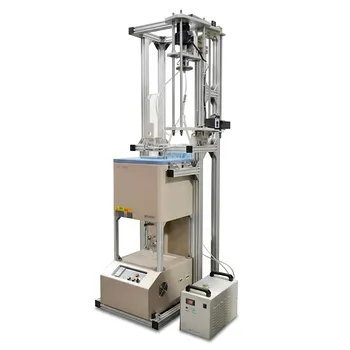
What technical advantages does a horizontal high-temperature tube furnace offer for studying the carbothermic reduction kinetics of zinc?
Updated 3 months ago
Technical precision in zinc carbothermic reduction is achieved through the unique architecture of the horizontal high-temperature tube furnace, which offers a stable, high-heat environment up to 1300°C. This equipment provides the critical combination of precise atmospheric control and vapor transport mechanisms required to isolate and measure the kinetic variables of zinc volatilization.
The horizontal tube furnace is the definitive tool for zinc kinetics because it creates a highly sealed, linear reaction path. This allows researchers to precisely control the temperature gradients and carrier gas velocities that dictate the rate of zinc vapor removal and chemical reduction.
Precision Thermal Management for Kinetic Accuracy
Achievement of High-Temperature Thresholds
Carbothermic reduction of zinc requires substantial thermal energy, often exceeding 1000°C to initiate the reaction. The tube furnace provides a stable thermal field capable of reaching and maintaining temperatures above 1300°C.
This stability is essential for kinetic studies, as even minor temperature fluctuations can exponentially alter reaction rates. High-precision control systems ensure the furnace maintains a uniform hot zone, allowing for the accurate determination of equilibrium constants.
Influence of Thermal Gradients
Horizontal furnaces allow for the establishment of controlled thermal gradients along the length of the quartz tube. By moving the sample or adjusting the zone settings, researchers can study how temperature changes impact the transition from solid-phase reactants to gas-phase products.
This spatial control is vital for understanding the Vapor-Solid (VS) or Vapor-Liquid-Solid (VLS) deposition pathways. It allows for the observation of how zinc vapor behaves as it moves from the high-heat reaction zone to cooler collection zones.
Atmospheric Control and Vapor Transport
Maintaining a Reducing Environment
The carbothermic process is highly sensitive to oxygen, which can cause the immediate re-oxidation of generated zinc vapor. The highly sealed reaction chamber of a tube furnace is superior to standard box furnaces because it prevents atmospheric leaks.
By using flow meters to introduce precise amounts of nitrogen or argon, researchers create an inert or reducing "blanket." This protects the sample from oxidation and ensures that the mass loss measured is purely a result of the reduction reaction.
Dynamic Removal of Reaction Products
Kinetics are heavily influenced by the concentration of products in the reaction zone. The horizontal tube furnace acts as a carrier system, using a continuous flow of gas to sweep zinc vapor and carbon oxides away from the sample.
This laminar gas flow prevents the saturation of the local atmosphere, which would otherwise slow the reaction. By varying the flow rate, researchers can calculate the mass transfer coefficients and volatilization rates under different industrial scenarios.
Understanding the Trade-offs and Limitations
Sample Size and Geometry Constraints
The primary limitation of the tube furnace is the restricted volume of the quartz tube. This limits the size and shape of the crucibles used, which can impact the surface-area-to-volume ratio of the zinc/carbon mixture.
Condensation and Tube Fouling
As zinc vapor is transported to cooler regions of the furnace, it inevitably condenses on the inner walls of the tube. Over time, this buildup can restrict gas flow or contaminate subsequent experiments if the tube is not meticulously cleaned or replaced.
Measurement Latency
While the furnace provides a stable environment, there is often a thermal lag between the heating elements and the core of the sample. Researchers must account for this delay when timing the start of kinetic measurements to ensure the data reflects the intended temperature.
How to Optimize Your Zinc Reduction Study
Selecting the right parameters for your furnace setup depends on the specific aspect of the reduction process you intend to isolate.
- If your primary focus is Chemical Reaction Rates: Operate at high gas flow rates to ensure that mass transfer (vapor removal) is not the rate-limiting step, allowing you to measure the pure chemical kinetics.
- If your primary focus is Vapor Deposition or Recovery: Utilize the natural thermal gradient of the horizontal tube to create a "collection zone" at a specific temperature where zinc crystals can nucleate.
- If your primary focus is Atmospheric Purity: Prioritize a furnace with high-quality vacuum flanges and double-seal end caps to prevent even trace amounts of oxygen from entering the 1300°C environment.
By leveraging the linear flow and sealed environment of the horizontal tube furnace, you can transform a complex multi-phase reaction into a series of measurable, repeatable kinetic data points.
Summary Table:
| Technical Feature | Advantage for Zinc Kinetics | Impact on Research |
|---|---|---|
| 1300°C Thermal Stability | Uniform hot zone maintenance | High accuracy in determining equilibrium constants |
| Sealed Reaction Path | Precise inert/reducing atmosphere | Prevents re-oxidation of generated zinc vapor |
| Laminar Gas Flow | Dynamic removal of reaction products | Enables calculation of mass transfer coefficients |
| Linear Thermal Gradients | Spatial control along the tube | Ideal for studying vapor-solid (VS) deposition pathways |
Elevate Your R&D with THERMUNITS Precision Thermal Solutions
Unlock the full potential of your material science research with THERMUNITS, a premier manufacturer of high-temperature laboratory equipment. We specialize in providing industrial-grade precision for complex studies like zinc carbothermic reduction.
Our comprehensive range of thermal processing solutions includes:
- Advanced Furnaces: Tube (Horizontal/Vertical), Muffle, Vacuum, Atmosphere, Rotary, and Hot Press furnaces.
- Specialized Systems: CVD/PECVD systems, Dental Furnaces, and Vacuum Induction Melting (VIM) furnaces.
- Industrial Kilns: Electric rotary kilns and high-performance thermal elements.
Whether you are focusing on chemical reaction rates or vapor deposition, our equipment is designed to deliver repeatable, high-accuracy data. Contact our technical team today to discuss your specific heat treatment requirements and discover how THERMUNITS can optimize your laboratory’s efficiency.
References
- Zeng Peng, Xuchang Wei. Volatilization Kinetics of Zinc from the Flotation Products of Low-Grade Lead–Zinc Oxide Ore during Carbothermic Reduction. DOI: 10.3390/su16062326
Mentioned Products
- Ten Zone Multi Orientation Laboratory Tube Furnace for 1200C High Temperature Gradient Thermal Processing
- Multi Position Tube Furnace 1100C for Laboratory Material Research and Advanced Industrial Thermal Processing
- High Temperature 1700C Vertical Tube Furnace for Powder Spherification and Material Sintering
- High Temperature Tube Furnace 1500C with Sliding Flanges and 50mm OD for Rapid Thermal Processing Fast Heating and Cooling
- High Temperature 1700C Tube Furnace with High Vacuum Turbomolecular Pump System and Multi Channel Mass Flow Controller Gas Mixer
People Also Ask
- What are the technical advantages of using a multi-zone independently controlled tube furnace in the modified USP process?
- Role of multi-zone tube furnaces in CVD growth of 2D materials? Optimize Precise Single-Crystal Thermal Control.
- How does a multi-zone tube furnace facilitate the synthesis of two-dimensional alpha-Ga2Se3 crystals? Precision Growth
- What is the role of a multi-zone tube furnace in material science research? Mastering Precise Temperature Gradients
- What key role does a laboratory high-temperature tube furnace play in the production of carbon nanofibers? Guide

Tech Team · ThermUnits
Last updated on Jun 03, 2026
Related Products
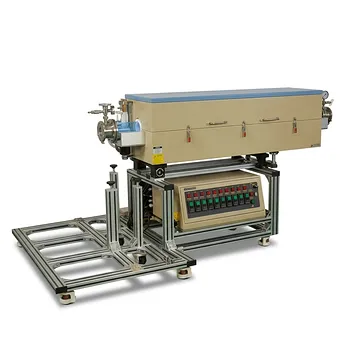
Ten Zone Multi Orientation Laboratory Tube Furnace for 1200C High Temperature Gradient Thermal Processing
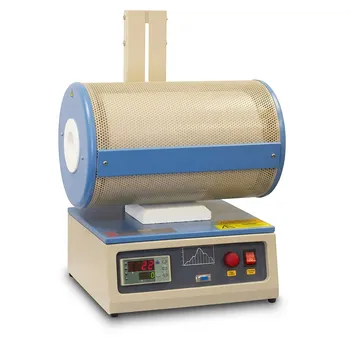
Multi Position Tube Furnace 1100C for Laboratory Material Research and Advanced Industrial Thermal Processing

High Temperature 1700C Vertical Tube Furnace for Powder Spherification and Material Sintering

High Temperature Tube Furnace 1500C with Sliding Flanges and 50mm OD for Rapid Thermal Processing Fast Heating and Cooling

High Temperature 1700C Tube Furnace with High Vacuum Turbomolecular Pump System and Multi Channel Mass Flow Controller Gas Mixer
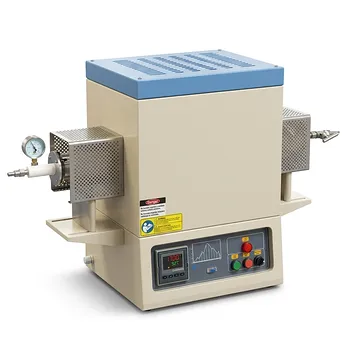
High Temperature Three Zone Tube Furnace 1700C with Alumina Tube and Water Cooled Flanges

High Temperature 1700C Benchtop Tube Furnace with 5 Inch Heating Zone High Purity Alumina Tube and Vacuum Sealing Flanges
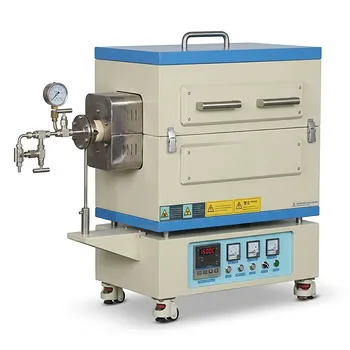
High Temperature Split Tube Furnace 1500C for Material Research Vacuum and Atmosphere Thermal Processing
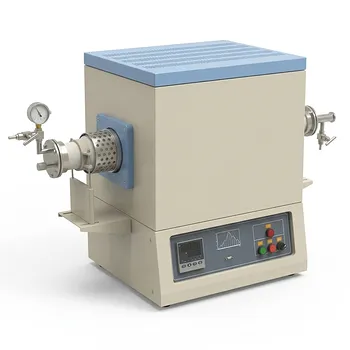
1750°C High Temperature Benchtop Vacuum Atmosphere Tube Furnace with Kanthal Super 1800 Heating Elements and 60mm Alumina Processing Tube

High Temperature 1700C Six Zone Split Tube Furnace with Alumina Tube and Water Cooled Flanges
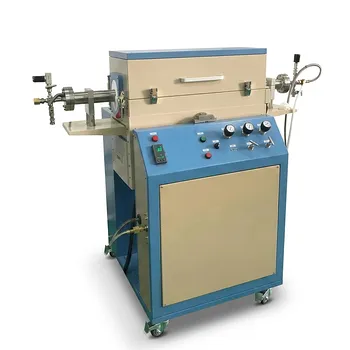
High Temperature Rocking Tube Furnace 1700°C Alumina Processing Tube with Precision Oscillation for Material Synthesis

Compact High Temperature 1600C Tube Furnace with 50mm Alumina Tube and Vacuum Flanges for Material Sintering

1800C High Temperature Compact Vacuum Tube Furnace with 60mm OD Alumina Tube and Kanthal MoSi2 Heating Elements
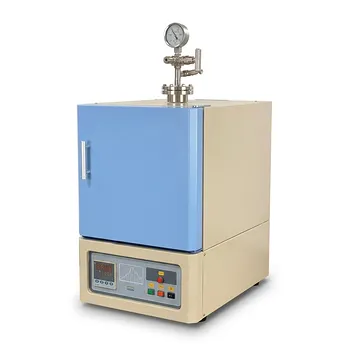
Hybrid High Temperature Muffle and Tube Furnace with 1500C Capability and Vacuum Flange Assembly

High Temperature Automated 5 Inch Tube Furnace for Autonomous Material Research and Advanced Laboratory R&D
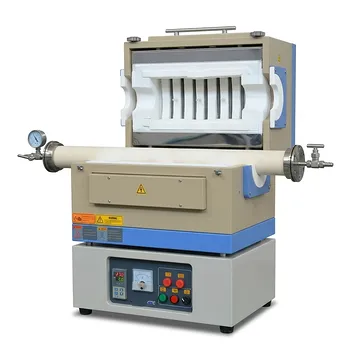
High Temperature 1600C Split Tube Furnace Vacuum Flanges Valves Optional 60mm 80mm Alumina Tube

Vertical 1700C Vacuum and Atmosphere Tube Furnace with 80mm Alumina Tube
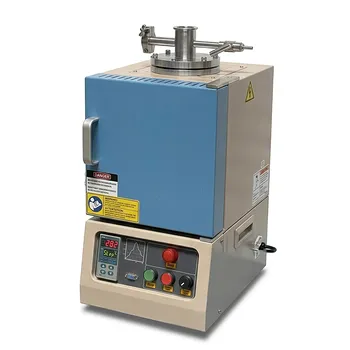
High Temperature Hybrid Muffle and Tube Furnace with Vacuum Capability and PID Control

1700C Hydrogen Gas Tube Furnace with 60mm Alumina Process Tube and Integrated Hydrogen Safety Detector