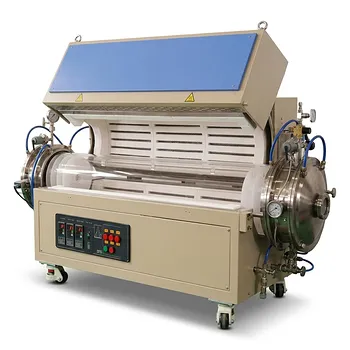
What is the role of a multi-zone tube furnace in material science research? Mastering Precise Temperature Gradients
Updated 5 months ago
The multi-zone tube furnace is a specialized laboratory instrument designed to create and maintain precise, independent temperature gradients across a single reaction chamber. By utilizing multiple heating circuits along the length of the tube, it allows researchers to control the thermal environment of various stages—such as precursor sublimation, chemical reaction, and final deposition—simultaneously. This capability is fundamental for synthesizing advanced materials like single-crystal 2D semiconductors, carbon nanotubes, and high-purity doped crystals.
The core value of a multi-zone tube furnace lies in its ability to transform a static heating environment into a dynamic thermal field. This enables the spatial separation of chemical processes, allowing for the precise control of vapor pressures and deposition rates required for high-quality material synthesis.
Managing Complex Thermal Fields
A standard furnace provides uniform heat, but material synthesis often requires "thermal steps" to drive chemical reactions across a distance.
Independent Temperature Control
Each zone in the furnace operates with its own thermocouple and controller, allowing for distinct temperature setpoints within a single quartz or ceramic tube. This independence is critical when working with multiple precursors that have vastly different sublimation or evaporation temperatures.
Creating Precise Gradients
By setting different temperatures in adjacent zones, researchers can establish a temperature gradient that dictates the direction of vapor flow. This gradient acts as the driving force in Chemical Vapor Transport (CVT), moving gaseous species from a high-temperature source zone to a cooler growth zone where they crystallize.
Stable Precursor Transport
The ability to maintain a constant temperature in the sublimation zone ensures a steady partial pressure of reactant gases. This stability is essential for the epitaxial growth of large-area materials, preventing fluctuations that could lead to defects or uneven thickness.
Advancing 2D Material Synthesis
The rise of materials like graphene and transition metal dichalcogenides (TMDs) has made the multi-zone furnace an indispensable tool in nanotechnology.
Regulating Sublimation Rates
In the growth of Molybdenum Disulfide (MoS2), different zones can independently heat sulfur powder and molybdenum trioxide. Because sulfur sublimates at a much lower temperature than molybdenum precursors, independent zones prevent the sulfur from exhausting before the molybdenum is ready to react.
Optimized Deposition Zones
The final zone in the furnace is often dedicated to the deposition substrate, such as sapphire or silicon dioxide. By maintaining this zone at a specific, lower temperature, researchers can control the nucleation density and crystal morphology of the thin films being formed.
Facilitating Solid-State Reactions
Beyond vapors, these furnaces are used for specialized annealing and solid-phase reactions. The precise control over heating and cooling curves ensures that components diffuse sufficiently to produce materials with high phase purity and complete crystalline structures.
Understanding the Trade-offs
While highly versatile, multi-zone furnaces introduce complexities that require careful management to ensure experimental reproducibility.
Thermal Interference Between Zones
Heat naturally flows from hot areas to cold areas, meaning one zone can influence the temperature of the neighboring zone. This thermal "bleed" can make it difficult to maintain extremely sharp temperature transitions without specialized insulation or spacing.
Increased System Complexity
With more heating elements and controllers comes a higher risk of component failure and a steeper learning curve for the operator. Calibration becomes more labor-intensive, as each zone must be verified independently and in conjunction with others to ensure the actual internal temperature matches the programmed profile.
Atmospheric Control Challenges
Because these furnaces are often used for CVD, maintaining a sealed flow channel is paramount. Any leak in the tube or the fittings can introduce oxygen, which may oxidize precursors and ruin the growth of sensitive materials like carbon nanotubes or TMDs.
How to Apply This to Your Project
Choosing and configuring a multi-zone furnace depends heavily on the physical properties of the materials you intend to synthesize.
- If your primary focus is Chemical Vapor Transport (CVT): Prioritize a furnace with at least two zones and a high degree of thermal stability to maintain the long-term gradients necessary for slow crystal growth.
- If your primary focus is 2D Material Synthesis (CVD): Opt for a three-zone system to independently control two different precursors and a separate deposition zone for maximum flexibility.
- If your primary focus is High-Purity Annealing: Ensure the furnace features advanced atmospheric controls and high-precision controllers to manage cooling rates and prevent phase contamination.
By mastering the spatial and temporal control of temperature, researchers can move beyond simple heating to achieve the precise molecular architecture required for next-generation material science.
Summary Table:
| Feature | Role in Material Science | Primary Applications |
|---|---|---|
| Independent Zones | Allows different setpoints for multiple precursors | CVD, TMD Synthesis (MoS2) |
| Thermal Gradients | Drives vapor flow and chemical vapor transport | CVT, Single-crystal growth |
| Spatial Separation | Isolates sublimation, reaction, and deposition stages | High-purity doped crystals |
| Precise Nucleation | Controls cooling rates and crystal morphology | Thin film deposition, Annealing |
Elevate Your Research with THERMUNITS Precision Heating
THERMUNITS is a leading manufacturer of high-temperature laboratory equipment dedicated to advancing material science and industrial R&D. Whether you are synthesizing next-generation 2D materials or performing complex chemical vapor transport, our thermal processing solutions deliver the stability and control your project demands.
Our comprehensive product range includes:
- Tube & Multi-Zone Furnaces (CVD/PECVD systems)
- Muffle, Vacuum, and Atmosphere Furnaces
- Rotary & Hot Press Furnaces
- Specialized Equipment: Dental furnaces, VIM systems, and electric rotary kilns
Don't let thermal fluctuations compromise your results. Contact our expert team today to find the perfect furnace configuration for your laboratory needs!
Mentioned Products
- Ten Zone Multi Orientation Laboratory Tube Furnace for 1200C High Temperature Gradient Thermal Processing
- 1200°C 10-Zone Split Tube Furnace with Horizontal and Vertical Mounting for Multi-Zone Thermal Gradients and Large Diameter Material Processing
- Four Zone 1200C Multi Zone Split Tube Furnace with Independent Digital Temperature Controllers for One or Two Inch Processing Tubes
- Seven Zone 1200C Split Tube Furnace with Precision Temperature Controller and Quick Flange Vacuum System
- Six Zone Split Tube Furnace 1.8 Meter Quartz Tube 1200C High Temperature Heating System
People Also Ask
- What are the technical advantages of using a multi-zone independently controlled tube furnace in the modified USP process?
- Role of multi-zone tube furnaces in CVD growth of 2D materials? Optimize Precise Single-Crystal Thermal Control.
- How does a multi-zone tube furnace facilitate the synthesis of two-dimensional alpha-Ga2Se3 crystals? Precision Growth
- What key role does a laboratory high-temperature tube furnace play in the production of carbon nanofibers? Guide
- Why use a tube furnace for oxygen annealing LaCrO3/LaMnO3? Optimize Phase Transition & Magnetic Performance.

Tech Team · ThermUnits
Last updated on Apr 14, 2026
Related Products
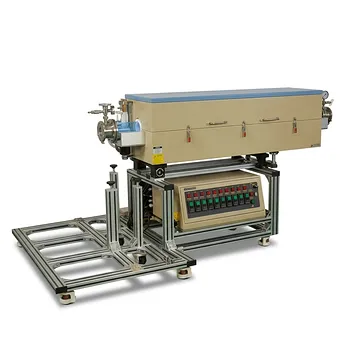
Ten Zone Multi Orientation Laboratory Tube Furnace for 1200C High Temperature Gradient Thermal Processing
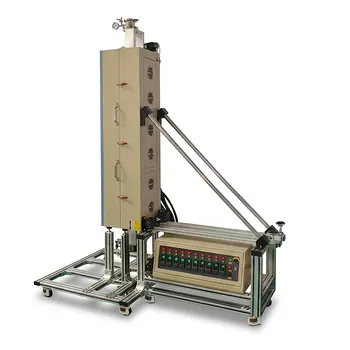
1200°C 10-Zone Split Tube Furnace with Horizontal and Vertical Mounting for Multi-Zone Thermal Gradients and Large Diameter Material Processing
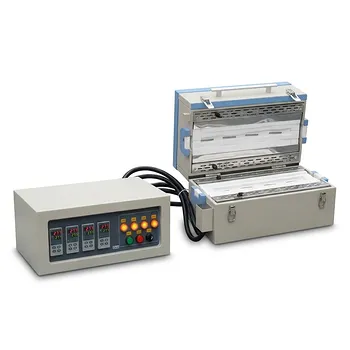
Four Zone 1200C Multi Zone Split Tube Furnace with Independent Digital Temperature Controllers for One or Two Inch Processing Tubes
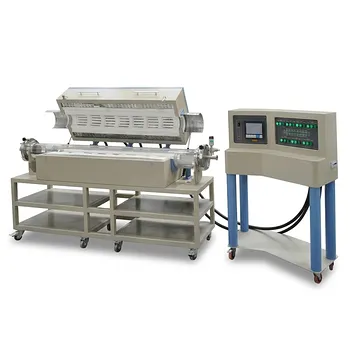
Seven Zone 1200C Split Tube Furnace with Precision Temperature Controller and Quick Flange Vacuum System
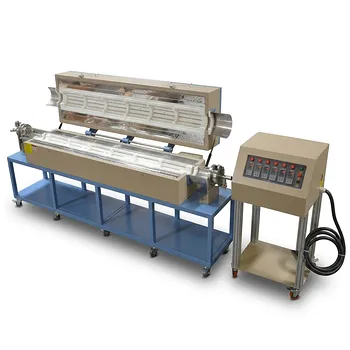
Six Zone Split Tube Furnace 1.8 Meter Quartz Tube 1200C High Temperature Heating System
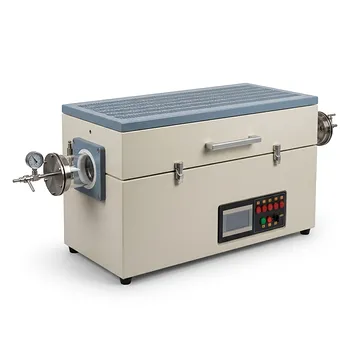
Five Zone 1200C High Temperature Split Tube Furnace with Touch Screen Controller and Multiple Quartz Tube Options
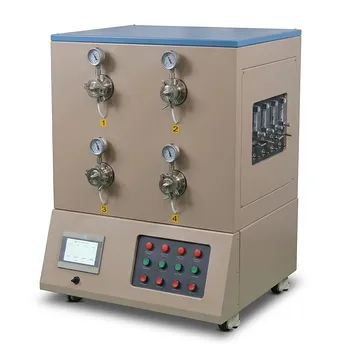
High Throughput 1200C Four Channel Tube Furnace with 3 Inch Quartz Tubes for Multi Zone Annealing and Material Research
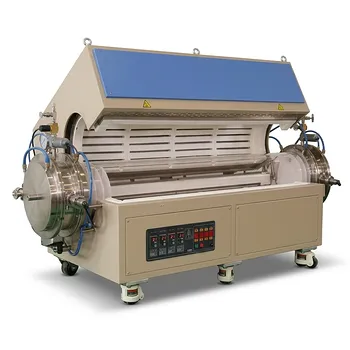
1200C Max Four Zone Split Tube Furnace with Optional Large Diameter Quartz Tubes
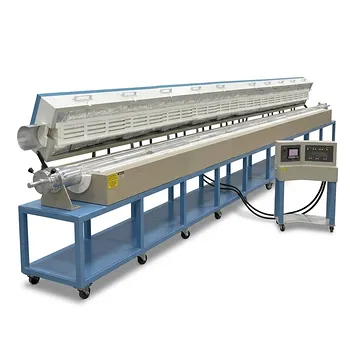
12 Zone Ultra Long Split Tube Furnace with 20 Foot Quartz Tube and 1100C Max Temperature
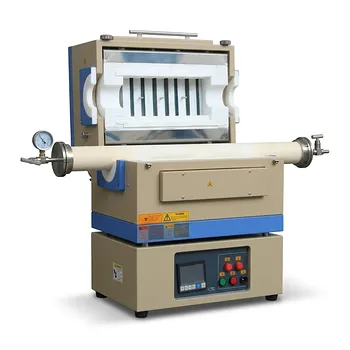
1500C Eight Zone Split Tube Furnace for Thermal Gradient Processing and Advanced Material Research
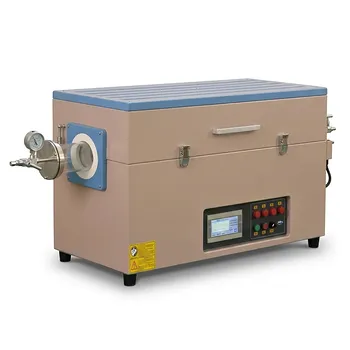
1200C Four Zone Split Tube Furnace with Touch Screen Control and High Purity Quartz Tube and Vacuum Sealing Flanges
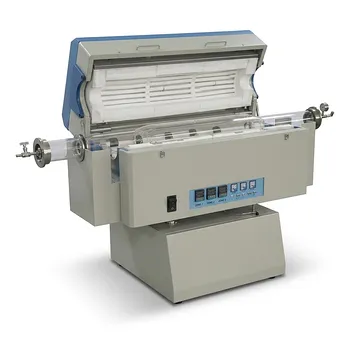
Large Three Temperature Zone Rotating Tube Furnace for High Uniformity Material Sintering
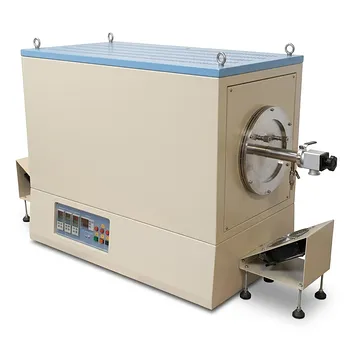
Four Zone Tube Furnace 1100C with 600mm Large Diameter Quartz Tube and Vacuum Flanges
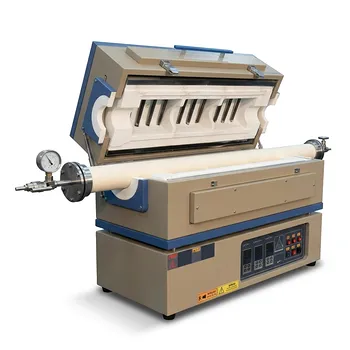
1600C Three Zone Split Tube Furnace with Alumina Tube and Vacuum Flange
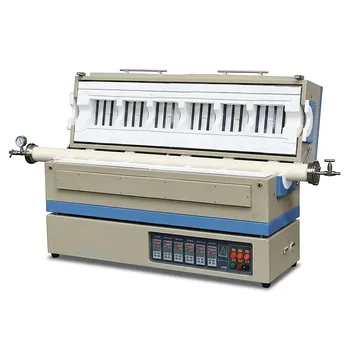
Six Zone Split Tube Furnace with Alumina Tube and Vacuum Flanges for 1500C High Temperature Thermal Processing and CVD
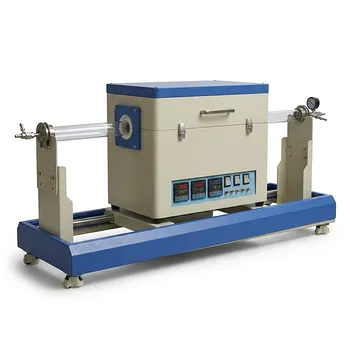
Double Temperature Zone Double Cover Tube Furnace for High Temperature CVD and Vacuum Annealing
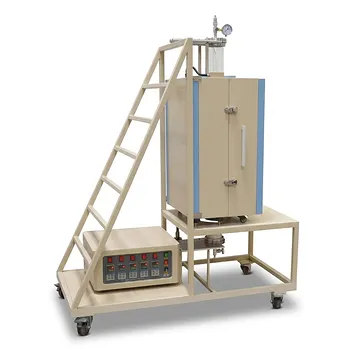
Five Zone Split Vertical Tube Furnace 1200C Max with 4 Inch Quartz Tube and Stainless Steel Vacuum Flanges
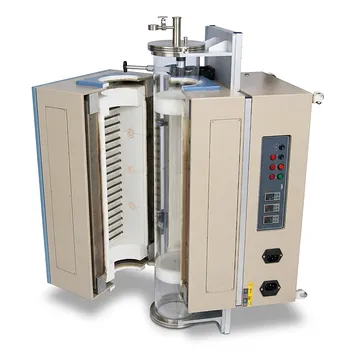
Large Vertical Three Zone Tube Furnace with 8 Inch or 11 Inch Quartz Tube and High Vacuum Flanges 1200C

High Temperature 1700C Six Zone Split Tube Furnace with Alumina Tube and Water Cooled Flanges