What temperature ranges and heating elements are characteristic of modern tube furnaces? Explore 1800°C Capabilities
Updated 5 months ago
Modern tube furnaces are engineered to operate across a broad thermal spectrum, typically ranging from 500 °C to 1800 °C. To reach these extreme temperatures, systems utilize specialized heating elements such as molybdenum disilicide (MoSi2) or silicon carbide (SiC), which provide the high-watt density required for advanced materials processing. These modern systems are characterized by exceptional thermal stability, frequently maintaining a precise control margin of ±1 °C.
The performance of a modern tube furnace is defined by the synergy between its heating elements and the refractory materials of the process tube. While metallic alloys suffice for moderate heat, specialized ceramics are required to reach the 1800 °C threshold used in advanced industrial and research applications.
Defining Temperature Ranges in Modern Systems
Low to Moderate Temperature Ranges
Standard laboratory processes typically operate between 500 °C and 1200 °C. At these levels, furnaces are used for applications like ash content determination, glass fusing, and general heat treatment of metals.
High-Temperature Capabilities
Advanced research and industrial sintering often require temperatures between 1200 °C and 1800 °C. Achieving this range requires high-performance insulation and specialized ceramic heating elements that can withstand prolonged thermal stress.
Precision and Thermal Stability
Modern control systems ensure that once a target temperature is reached, the fluctuation is minimal. This ±1 °C stability is critical for repeatable results in semiconductor manufacturing and materials testing.
Essential Heating Element Technologies
Metallic Resistance Alloys
For temperatures up to approximately 1200 °C, high-resistance alloys like Kanthal or nichrome are the standard. These elements are cost-effective and durable for general-purpose laboratory work where extreme heat is not required.
Silicon Carbide (SiC) Elements
When processes exceed the limits of metallic alloys, silicon carbide is often employed. These ceramic elements offer higher power output and are suitable for intermediate high-temperature applications.
Molybdenum Disilicide (MoSi2)
For the most demanding applications reaching 1800 °C, MoSi2 is the preferred heating element. These elements are known for their ability to form a protective quartz layer at high temperatures, which prevents further oxidation and extends the element's lifespan.
Element Arrangement and Zoning
Heating elements are typically arranged in helical or zoned patterns around the process tube. This configuration ensures even heat distribution and allows for "multi-zone" control, where different sections of the tube can be maintained at different temperatures.
The Role of the Reaction Chamber
Fused Quartz Tubes
Fused quartz is frequently used for processes up to 1100–1200 °C because it is transparent and chemically inert. It allows researchers to visually monitor the reaction, though it lacks the thermal resistance required for extreme heat.
Alumina and Corundum Tubes
For temperatures approaching 1700–1800 °C, alumina (aluminum oxide) or corundum tubes are necessary. These materials are opaque but provide the structural integrity and thermal stability required to prevent the tube from sagging or reacting with the sample at peak heat.
Specialized Refractory Metals
In highly corrosive environments or specialized vacuum processes, tubes may be fabricated from molybdenum or tungsten. These refractory metals offer niche benefits but are generally more expensive and complex to maintain than ceramic alternatives.
Navigating Technical Trade-offs
Thermal Shock and Material Fragility
High-temperature ceramic elements and alumina tubes are highly susceptible to thermal shock. Rapid heating or cooling cycles can cause these materials to crack, requiring strictly controlled ramp rates that increase total process time.
Component Degradation and Aging
Heating elements, particularly SiC, undergo an aging process where their electrical resistance increases over time. This requires the furnace controller to adjust voltage output periodically to maintain consistent temperature performance.
Material Compatibility
At temperatures above 1500 °C, chemical interactions between the process tube and the heating elements or the sample itself become more likely. Choosing the wrong tube material can lead to sample contamination or premature failure of the reaction chamber.
Selecting the Right Configuration for Your Process
Successful furnace operation depends on matching the heating technology to your specific material requirements and throughput goals.
- If your primary focus is routine laboratory analysis (up to 1100 °C): Select a furnace with Kanthal elements and a quartz tube for maximum cost-efficiency and visibility.
- If your primary focus is high-temperature sintering or ceramic firing: Prioritize a system with MoSi2 heating elements and high-purity alumina tubing to ensure stability at 1700 °C+.
- If your primary focus is precise thermal gradients: Invest in a multi-zone tube furnace with independent controllers for each heating segment to create specific temperature profiles.
Modern tube furnaces offer a sophisticated balance of extreme heat and surgical precision, provided the heating elements and tube materials are correctly matched to the application.
Summary Table:
| Feature | Low to Moderate (500°C - 1200°C) | High-Temperature (1200°C - 1800°C) |
|---|---|---|
| Heating Elements | Metallic Alloys (Kanthal, Nichrome) | Silicon Carbide (SiC) / Molybdenum Disilicide (MoSi2) |
| Process Tube | Fused Quartz | Alumina, Corundum, or Refractory Metals |
| Thermal Stability | ±1 °C | ±1 °C |
| Common Uses | Ashing, Glass Fusing, General Heat Treatment | Sintering, Ceramic Firing, Semiconductor R&D |
Elevate Your Research with THERMUNITS Thermal Expertise
As a global leader in high-temperature laboratory equipment, THERMUNITS specializes in delivering precision thermal processing solutions for material science and industrial R&D. We offer a comprehensive catalog of equipment, including Tube Furnaces, CVD/PECVD systems, Muffle, Vacuum, and Atmosphere furnaces, as well as Hot Press and Vacuum Induction Melting (VIM) systems.
Our advanced engineering ensures that your processes—from routine lab analysis to 1800°C sintering—benefit from superior stability and element durability.
Ready to upgrade your laboratory capabilities? Contact our technical team today to discuss how our custom furnace configurations, dental furnaces, and electric rotary kilns can accelerate your innovation.
Mentioned Products
- Vertical 1700C Vacuum and Atmosphere Tube Furnace with 80mm Alumina Tube
- Compact High Temperature 1600C Tube Furnace with 50mm Alumina Tube and Vacuum Flanges for Material Sintering
- 900°C Max Rotary Tube Furnace with 8 Inch 310S Alloy Tube and Optional Multi Zone Heating for Industrial Material Calcination
- Split Vertical Tube Furnace with 1200C Quartz Tube and Stainless Steel Vacuum Flanges for Rapid Thermal Processing
- High Temperature 1700C Tube Furnace with High Vacuum Turbomolecular Pump System and Multi Channel Mass Flow Controller Gas Mixer
People Also Ask
- How is an industrial-grade vertical tube furnace utilized in smelting leaching residues? Enhance Metal Recovery Efficiency
- What is the function of a laboratory-grade vertical tube furnace in fast pyrolysis? Optimize Composite Research.
- How does a vertical tube furnace facilitate thermoelectric alloy melting? Precision synthesis for material homogeneity.
- Why is a thermocouple sensor indispensable for monitoring the vertical tube furnace during gallium oxide nanowire production? Optimize VLS Growth
- What are the advantages of using a vertical tube furnace for crucible experiments simulating steel-slag interactions?

Tech Team · ThermUnits
Last updated on Apr 14, 2026
Related Products

Vertical 1700C Vacuum and Atmosphere Tube Furnace with 80mm Alumina Tube

Compact High Temperature 1600C Tube Furnace with 50mm Alumina Tube and Vacuum Flanges for Material Sintering
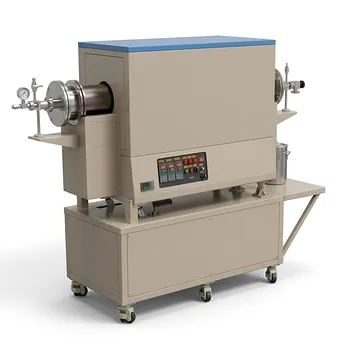
900°C Max Rotary Tube Furnace with 8 Inch 310S Alloy Tube and Optional Multi Zone Heating for Industrial Material Calcination
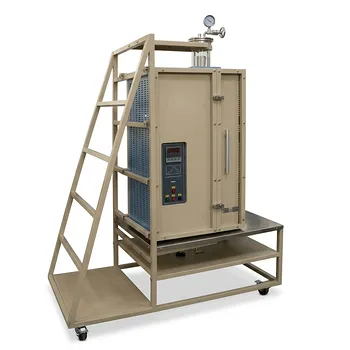
Split Vertical Tube Furnace with 1200C Quartz Tube and Stainless Steel Vacuum Flanges for Rapid Thermal Processing

High Temperature 1700C Tube Furnace with High Vacuum Turbomolecular Pump System and Multi Channel Mass Flow Controller Gas Mixer

1100C Tube Furnace with Vacuum Flange and Programmable Temperature Controller for Material Science and Industrial Heat Treatment

5 Inch Three Zone Rotary Tube Furnace with Integrated Gas Delivery System and 1200C Capability for Advanced Material CVD Processing

1700C Hydrogen Gas Tube Furnace with 60mm Alumina Process Tube and Integrated Hydrogen Safety Detector

1200°C 5 Inch Vertical Quartz Tube Furnace with Stainless Steel Vacuum Flanges

High Temperature 1700C Six Zone Split Tube Furnace with Alumina Tube and Water Cooled Flanges

Compact Vertical Split Quartz Tube Furnace with Stainless Steel Vacuum Flanges for Rapid Thermal Quenching and Controlled Atmosphere Material Processing

High Temperature 1700C Benchtop Tube Furnace with 5 Inch Heating Zone High Purity Alumina Tube and Vacuum Sealing Flanges

1200C High Throughput Multi Channel Tube Furnace with 50mm Quartz Tubes for Annealing and Material Phase Diagram Research

Three Zone Tube Furnace with 11 Inch or 15 Inch Quartz Tube and Hinged Flanges for Vacuum Atmosphere Heat Treatment

1800C High Temperature Compact Vacuum Tube Furnace with 60mm OD Alumina Tube and Kanthal MoSi2 Heating Elements

High Temperature 1700C Vertical Tube Furnace for Powder Spherification and Material Sintering
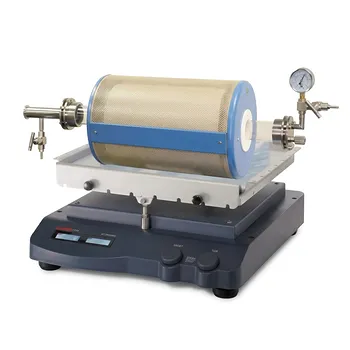
High Temperature Rocking Tube Furnace with Quartz Tube and Vacuum Flange for Materials Synthesis

High Temperature Automated 5 Inch Tube Furnace for Autonomous Material Research and Advanced Laboratory R&D
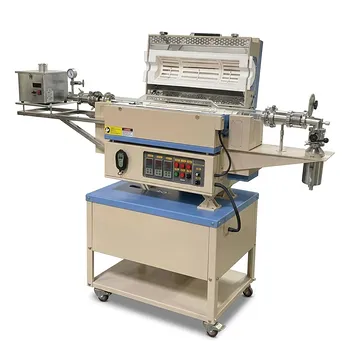
5 Inch Rotary Tube Furnace with Automatic Feeding and Receiving System 1200C Three Zone CVD Powder Processing