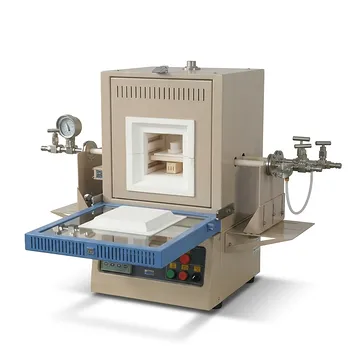
What type of thermal treatment equipment is used for the 200°C annealing of Nickel Oxide (NiO)/Silicon (Si) structures?
Updated 3 months ago
For the 200°C annealing of Nickel Oxide (NiO)/Silicon (Si) structures, the standard equipment used is either laboratory-grade hot plates or constant-temperature annealing furnaces. These tools are selected for their ability to provide the precise thermal control necessary to modify the interface between the oxide layer and the substrate. By maintaining a stable temperature, this equipment facilitates the structural refinements required for high-performance semiconductor applications.
Precise thermal treatment at 200°C is the critical step in stabilizing the NiO/Si interface and reducing internal defects. Choosing between a hot plate and a furnace depends on the required level of environmental control and the specific performance goals of the heterojunction.
The Role of Precision in Thermal Processing
Laboratory-Grade Hot Plates
Hot plates are frequently used for surface-level heating because they offer a direct and accessible way to apply thermal energy. They are particularly effective for rapid testing and prototyping where a quick transition to the 200°C setpoint is required.
Constant-Temperature Annealing Furnaces
Annealing furnaces provide a more enclosed and uniform thermal environment, which minimizes temperature fluctuations. This equipment is preferred when the entire structure needs to reach thermal equilibrium without interference from ambient air currents.
Precision Temperature Control
Both types of equipment must offer high-accuracy temperature management to ensure the NiO/Si structure does not exceed or fall below the 200°C threshold. Deviations from this temperature can lead to inconsistent material properties and failed device characteristics.
Enhancing Heterojunction Performance
Improving Interfacial Adhesion
The primary goal of using this equipment is to enhance the interfacial adhesion between the NiO nanolayer and the Silicon substrate. Stronger adhesion prevents delamination and ensures long-term mechanical stability of the electronic component.
Reducing Interface Defect States
Thermal treatment at 200°C helps in reducing interface defect states, which are irregularities at the atomic level that can trap charges. Minimizing these defects is essential for achieving the clear rectification characteristics necessary for diodes and sensors.
Optimizing Crystal Quality
The controlled application of heat encourages the atoms within the Nickel Oxide to arrange themselves into a more orderly structure. This improvement in crystal quality directly translates to better electrical conductivity and higher overall detectivity in the final heterojunction.
Understanding the Trade-offs
Atmospheric Exposure vs. Control
Hot plates are typically used in open-air environments, which can expose the NiO layer to ambient moisture or contaminants during the heating process. In contrast, furnaces can sometimes be used with inert gases to protect the material, though they require significantly longer heating and cooling cycles.
Uniformity Across the Substrate
Hot plates may suffer from thermal gradients, where the center of the plate is hotter than the edges. For larger Silicon wafers, a constant-temperature furnace is often necessary to ensure that the annealing effect is identical across the entire surface area.
Selecting the Right Equipment for Your Goal
When deciding on the appropriate thermal treatment setup for your NiO/Si structures, consider the following recommendations based on your specific research or production needs:
- If your primary focus is rapid prototyping and high throughput: Use a laboratory-grade hot plate for its accessibility and fast ramp-up times.
- If your primary focus is maximum crystal quality and defect reduction: Utilize a constant-temperature annealing furnace to ensure the most stable and uniform thermal environment possible.
- If your primary focus is minimizing surface contamination: Opt for a furnace environment that allows for controlled atmosphere processing.
Selecting the appropriate equipment for the 200°C annealing process is the foundational step in engineering high-detectivity Nickel Oxide and Silicon heterojunctions.
Summary Table:
| Equipment Type | Recommended Use Case | Key Advantages |
|---|---|---|
| Laboratory Hot Plate | Rapid prototyping and testing | Fast ramp-up, easy sample access |
| Annealing Furnace | High-performance device production | Uniform heating, atmosphere control |
| Vacuum Furnace | Contamination-sensitive research | Prevents oxidation and impurities |
Optimize Your Thermal Processing with THERMUNITS
As a leading manufacturer of high-temperature laboratory equipment for material science and industrial R&D, THERMUNITS provides the precision required for advanced semiconductor annealing. Our comprehensive range—including Atmosphere, Vacuum, and Tube Furnaces, as well as CVD/PECVD systems—is designed to deliver the stability and uniformity your NiO/Si heterojunction research demands.
Enhance your lab's efficiency and crystal quality with our industry-leading solutions. Contact our expert team today to find the perfect equipment for your application!
References
- Bhishma Pandit, Keun Heo. Self-Powered Broadband Photodetector Based on NiO/Si Heterojunction Incorporating Graphene Transparent Conducting Layer. DOI: 10.3390/nano14060551
Mentioned Products
- High Temperature Cold Wall Vacuum Furnace for Advanced Material Sintering and Annealing 1600C Heating Area 200x200x300mm
- High Temperature 1500C Benchtop Muffle Furnace 3.6L Alumina Fiber Chamber Programmable Controller Sintering Annealing Carbonization Thermal Processing System
- Large Bench Top 1700C High Temperature Muffle Furnace with 19L Chamber for Advanced Material Sintering and Annealing
- 1200C High Temperature 5 Inch Sliding Tube Furnace for Rapid Thermal Processing RTP and Wafer Annealing
- High Temperature 1000C Vacuum Furnace with 8 Inch ID Chamber for Material Sintering and Research Annealing
People Also Ask
- What is the purpose of coating ceramic sheets with platinum paste? Achieve Stable High-Temp Ohmic Contacts
- What is the function of high-vacuum furnaces in (Mo2/3V1/3)n+1AlCn MAX phase synthesis? Ensure Purity & Diffusion.
- Why is high-vacuum annealing treatment essential in the preparation of multilayer composite separation membranes such as Pd/Ti?
- What Role Does a Vacuum Sintering Furnace Play in Ni-Mn-Ga Alloy Fabrication? Optimizing Porous Structures
- How does a vacuum or atmosphere sintering furnace contribute to the congener-welding process of carbon nitride membranes?

Tech Team · ThermUnits
Last updated on Jun 03, 2026
Related Products
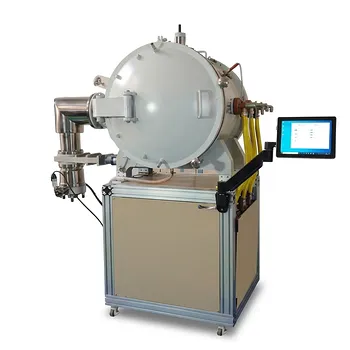
High Temperature Cold Wall Vacuum Furnace for Advanced Material Sintering and Annealing 1600C Heating Area 200x200x300mm

High Temperature 1500C Benchtop Muffle Furnace 3.6L Alumina Fiber Chamber Programmable Controller Sintering Annealing Carbonization Thermal Processing System
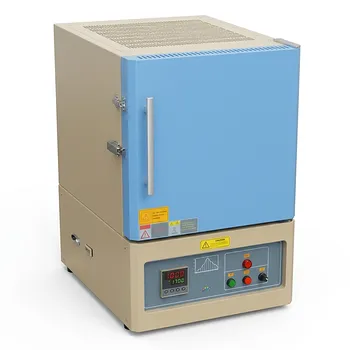
Large Bench Top 1700C High Temperature Muffle Furnace with 19L Chamber for Advanced Material Sintering and Annealing
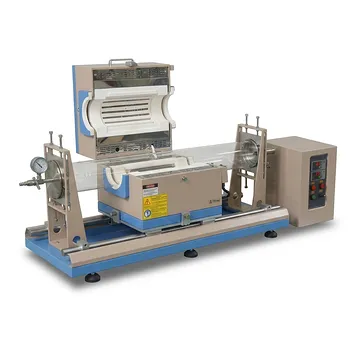
1200C High Temperature 5 Inch Sliding Tube Furnace for Rapid Thermal Processing RTP and Wafer Annealing
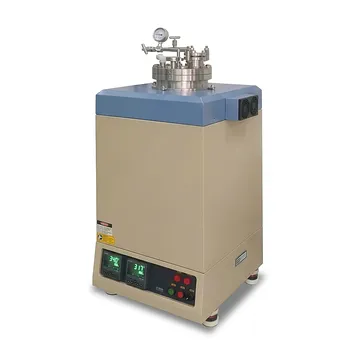
High Temperature 1000C Vacuum Furnace with 8 Inch ID Chamber for Material Sintering and Research Annealing
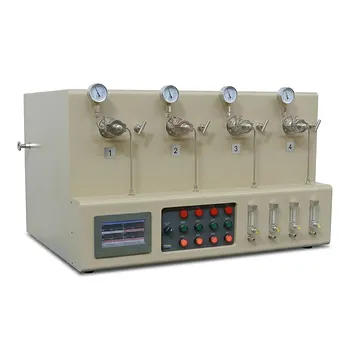
High Temperature 1700C 4 Channel Tube Furnace 1 Inch Alumina Tube for Hi-Throughput Annealing
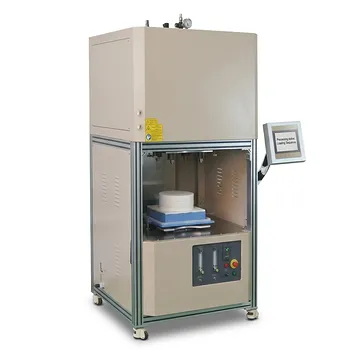
High Temperature Vertical Atmosphere Controlled Furnace with Automatic Bottom Loading and 1700°C Capacity for Advanced Material Research
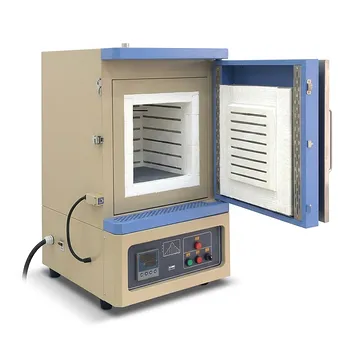
Five Side Heating Muffle Furnace High Purity Alumina Fiber 27L Chamber 1200C High Temperature Thermal Processing System for Sintering Annealing and Materials Research
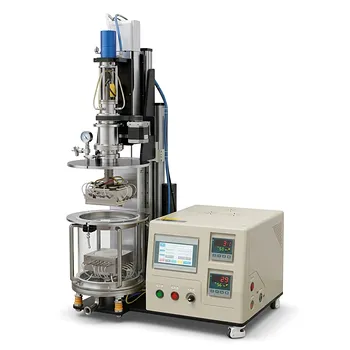
High Temperature 800C Rapid Thermal Processing Furnace with Rotating Sample Holder for Close Spaced Sublimation and Thin Film Solar Cell Research
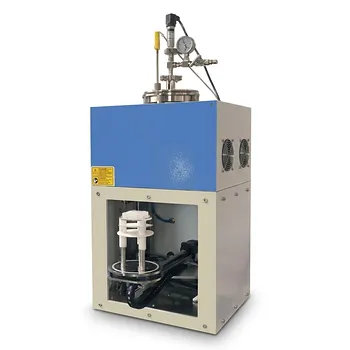
Rapid Thermal Processing Atmosphere Controlled Bottom Loading Furnace 1100C with 50C Per Second Heating Rate for Wafer Annealing
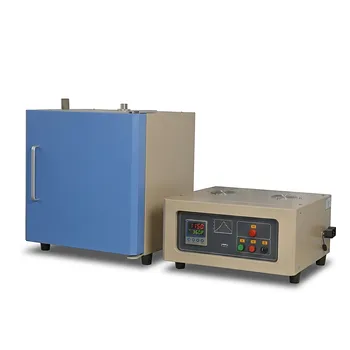
High Temperature Muffle Furnace with Alloy Chamber for Debinding and Sintering Applications
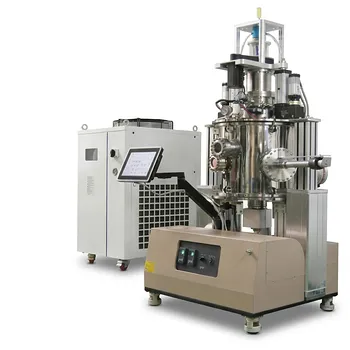
950C Rapid Thermal Processing Furnace for 12 Inch Wafer CSS Coating with Rotating Substrate Holder
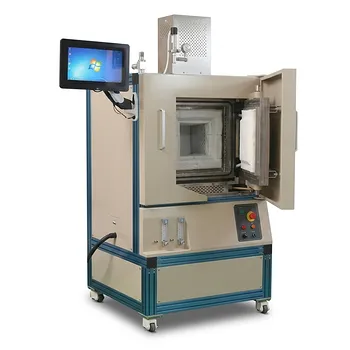
High Temperature Oxygen and Inert Atmosphere Controlled Furnace 8 Liter 1700C Sintering System for Advanced Materials RD
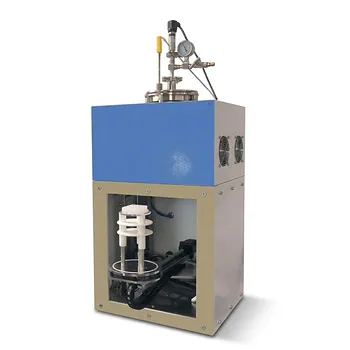
Rapid Thermal Processing Furnace 1100C Atmosphere Controlled Bottom Loading RTP System for Wafer Annealing and Catalysis Research
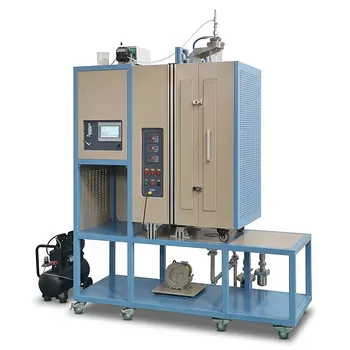
1500C Three Zone Vertical Pyrolysis Furnace for Nanoparticle Synthesis and Advanced Oxide Coating
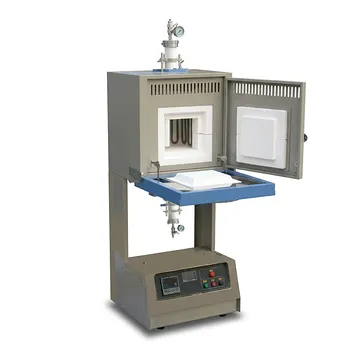
Vertical Hybrid High Temperature Furnace 1500C Alumina Tube SOFC Fuel Cell Testing Laboratory Heat Treatment Research Equipment
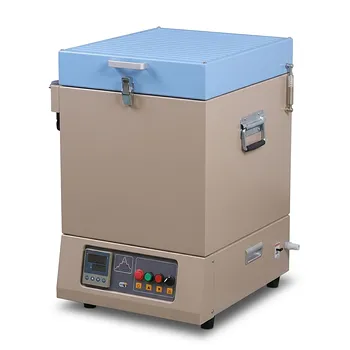
High Temperature Vertical Crucible Furnace with 22L Heating Chamber and 1200C Maximum Temperature
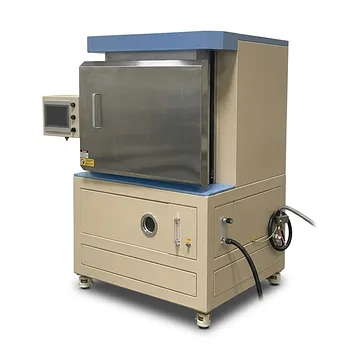
1650C High Temperature Atmosphere Controlled Box Furnace with 65L Chamber for Advanced Material Sintering and Industrial Heat Treatment
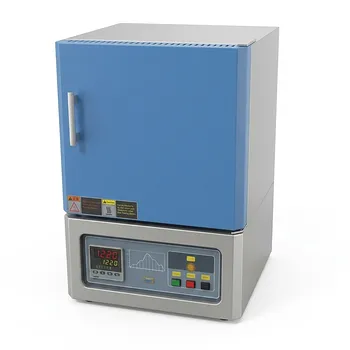
High Temperature Benchtop Muffle Furnace 1700C 10L Chamber Alumina Fiber Insulation MoSi2 Heating Elements