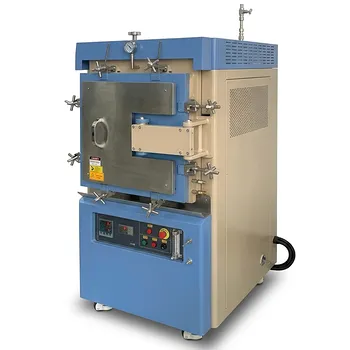
Why is high-vacuum annealing treatment essential in the preparation of multilayer composite separation membranes such as Pd/Ti?
Updated 3 months ago
High-vacuum annealing is the critical processing step required to prevent the oxidation of reactive metal layers and manage atomic diffusion. By providing an oxygen-free environment at temperatures around 600 °C, this treatment stabilizes intermediate diffusion barriers and prevents the formation of brittle intermetallic compounds between the Palladium (Pd) and Titanium (Ti) layers. This precise control over the material's internal structure is what ensures the final membrane maintains a high hydrogen permeation flux and long-term chemical stability.
Vacuum annealing is essential because it isolates reactive metals from oxygen while providing the thermal energy needed to stabilize the membrane's internal architecture. This process prevents the formation of performance-degrading compounds, ensuring the membrane remains effective for hydrogen separation.
Preventing Oxidation of Reactive Substrates
The Vulnerability of Titanium and Palladium
At the high temperatures required for membrane stabilization, metals like Titanium (Ti) and its alloys are highly reactive with even trace amounts of oxygen. Without a high-vacuum environment, an oxide layer would rapidly form on the substrate, acting as a physical barrier that degrades the membrane's performance.
Maintaining Chemical Purity
An ultra-high vacuum (often reaching 10⁻⁷ Torr) ensures that the partial pressure of oxygen is low enough to prevent surface contamination. This purity is vital for metallic thin films, as any oxidation during the heating process would alter the chemical identity of the layers and interfere with hydrogen transport.
Managing Atomic Diffusion and Structural Integrity
Stabilizing Diffusion Barriers
Multilayer membranes often utilize intermediate layers, such as TaTiNbZr, to act as a buffer between the Pd and the Ti. High-vacuum annealing at 600 °C for 24 hours provides the energy necessary to stabilize these layers, creating a robust framework that prevents the layers from delaminating or failing under stress.
Inhibiting Intermetallic Compounds (IMCs)
A primary goal of this treatment is to prevent the Palladium and Titanium from reacting directly to form intermetallic compounds. These compounds are often brittle and lack the necessary permeability for hydrogen; by controlling the thermal environment, the vacuum furnace ensures the layers remain distinct and functional.
Stress Relief and Defect Repair
The manufacturing process for thin films, such as sputtering, often introduces residual internal stresses and crystal defects. High-vacuum annealing allows for recrystallization and grain growth, which "heals" the crystal structure and eliminates stresses that could otherwise lead to membrane cracking or failure.
Understanding the Trade-offs
Balancing Temperature and Time
While heat is necessary for stabilization, excessive thermal exposure can drive unwanted diffusion even in a vacuum. If the annealing temperature is too high or the duration too long, the diffusion barriers may eventually fail, allowing the Pd and Ti layers to mix and degrade the membrane's efficiency.
Operational Complexity and Cost
Maintaining a stable high-vacuum environment requires specialized equipment and significant energy. The requirement for a 24-hour treatment cycle at 600 °C adds substantial time and cost to the production of Pd/Ti membranes compared to simpler material systems.
How to Apply This to Your Project
Recommendations for Membrane Preparation
- If your primary focus is Hydrogen Permeation Flux: Prioritize a 24-hour annealing cycle at 600 °C to ensure the intermediate diffusion barriers are fully stabilized without forming intermetallic compounds.
- If your primary focus is Material Purity and Phase Stability: Utilize an ultra-high vacuum (10⁻⁷ Torr) to prevent the oxidation of highly reactive metallic thin films like Nb₃Sn or V₃Si.
- If your primary focus is Mechanical Durability: Use the annealing process specifically for stress relief to eliminate residual stresses from the sputtering or deposition process, which prevents premature mechanical failure.
By strictly controlling the vacuum and thermal profile, you ensure that the membrane's performance is driven by its design rather than by accidental chemical contamination.
Summary Table:
| Key Feature | Process Requirement | Benefit to Membrane Performance |
|---|---|---|
| Environment | High Vacuum (10⁻⁷ Torr) | Prevents oxidation of reactive Ti and metallic thin films. |
| Temperature | Around 600 °C | Provides energy for barrier stabilization and stress relief. |
| Duration | 24-Hour Cycle | Ensures recrystallization and heals crystal defects. |
| Diffusion Control | Barrier Stabilization | Inhibits brittle Intermetallic Compounds (IMCs). |
| Final Goal | Phase Stability | Maintains high hydrogen flux and long-term durability. |
Elevate Your Material Research with THERMUNITS Precision Furnaces
At THERMUNITS, we understand that the success of your Pd/Ti membrane research depends on absolute vacuum purity and thermal precision. As a leading manufacturer of high-temperature laboratory equipment for material science and industrial R&D, we offer the robust solutions your project demands.
Whether you require Vacuum Furnaces, Atmosphere Furnaces, Tube/Rotary Furnaces, or advanced CVD/PECVD systems, our equipment is engineered to provide the stable, oxygen-free environments necessary to prevent oxidation and manage atomic diffusion. From Vacuum Induction Melting (VIM) to specialized Dental and Hot Press furnaces, we empower researchers to achieve superior material integrity.
Ready to optimize your thermal processing workflow? Contact our technical experts today to discover how our high-performance heat treatment solutions can enhance your laboratory's efficiency and results.
References
- Andrea Di Schino, Claudio Testani. Microstructure and Properties in Metals and Alloys (Volume 2). DOI: 10.3390/met14040473
Mentioned Products
- High Temperature 1000C Vacuum Furnace with 8 Inch ID Chamber for Material Sintering and Research Annealing
- High Temperature Cold Wall Vacuum Furnace for Advanced Material Sintering and Annealing 1600C Heating Area 200x200x300mm
- High Temperature Vertical Atmosphere Controlled Furnace with Automatic Bottom Loading and 1700°C Capacity for Advanced Material Research
- 1100C High Temperature Vacuum Crucible Furnace with Quartz Chamber for Thermal Processing and Sintering
- High Temperature Cold Wall High Vacuum Chamber Furnace 1400C for Advanced Material Processing
People Also Ask
- How does the temperature control precision of a high-temperature sintering furnace affect Na1+xLa1-xZr2O6-δ ceramics?
- How does a high-temperature sintering furnace environment enhance NdFeB magnets? Achieve 98%+ density with precision.
- What role does a high-temperature annealing furnace play in forming ordered Pt3(CoNi) intermetallic catalysts?
- What is the function of high-vacuum furnaces in (Mo2/3V1/3)n+1AlCn MAX phase synthesis? Ensure Purity & Diffusion.
- How does a vacuum or atmosphere sintering furnace contribute to the congener-welding process of carbon nitride membranes?

Tech Team · ThermUnits
Last updated on Jun 02, 2026
Related Products
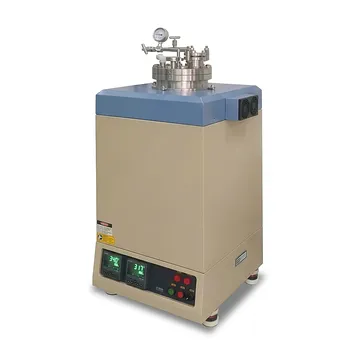
High Temperature 1000C Vacuum Furnace with 8 Inch ID Chamber for Material Sintering and Research Annealing
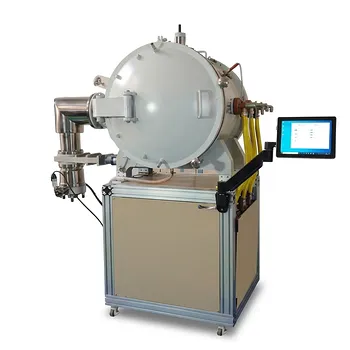
High Temperature Cold Wall Vacuum Furnace for Advanced Material Sintering and Annealing 1600C Heating Area 200x200x300mm
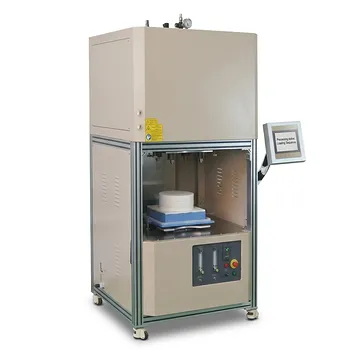
High Temperature Vertical Atmosphere Controlled Furnace with Automatic Bottom Loading and 1700°C Capacity for Advanced Material Research
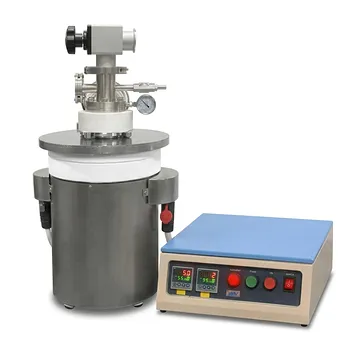
1100C High Temperature Vacuum Crucible Furnace with Quartz Chamber for Thermal Processing and Sintering
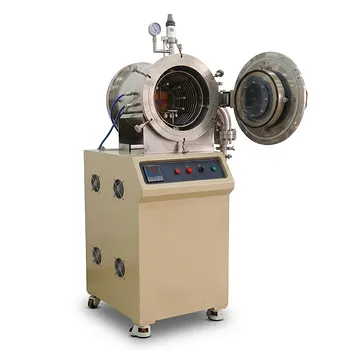
High Temperature Cold Wall High Vacuum Chamber Furnace 1400C for Advanced Material Processing

1200C High Throughput Multi Channel Tube Furnace with 50mm Quartz Tubes for Annealing and Material Phase Diagram Research
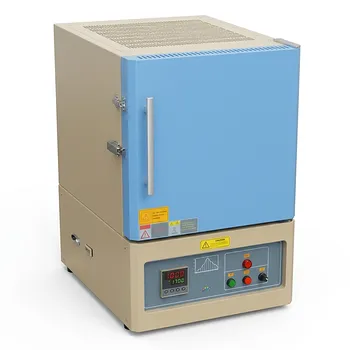
Large Bench Top 1700C High Temperature Muffle Furnace with 19L Chamber for Advanced Material Sintering and Annealing
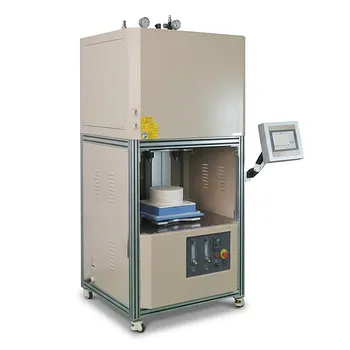
High Temperature Vertical Atmosphere Controlled Furnace 1700C Automatic Bottom Loading 13 Liter Vacuum Thermal System
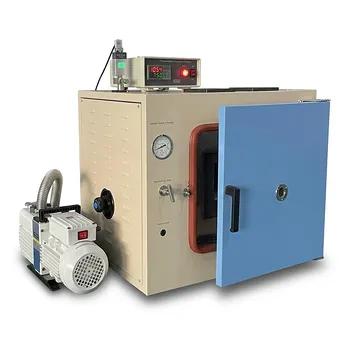
Compact High Vacuum Box Furnace 1050C Max 6.2L Ceramic Chamber Stainless Steel Shell Programmable Temperature Controller for Material Science Research

High Temperature 1500C Benchtop Muffle Furnace 3.6L Alumina Fiber Chamber Programmable Controller Sintering Annealing Carbonization Thermal Processing System
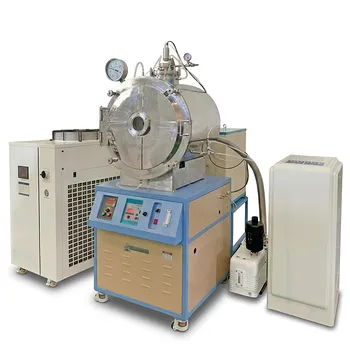
Ultra High Temperature Induction Heated Vacuum Furnace with Molten Salt Electrolysis Capability and 3000 Degree Precision Control

1750°C High Temperature Benchtop Vacuum Atmosphere Tube Furnace with Kanthal Super 1800 Heating Elements and 60mm Alumina Processing Tube
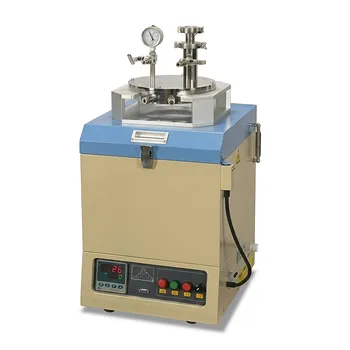
Vertical Vacuum Furnace 1100C High Temperature 8 Inch Quartz Chamber Water Cold Flange System
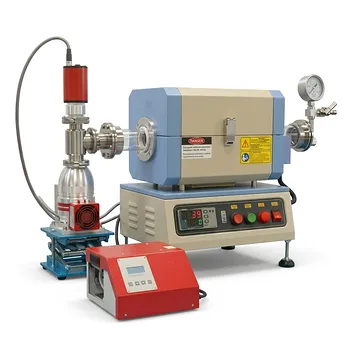
High Vacuum Compact Tube Furnace 1200C with Integrated Turbo Pump System and 8 Inch Heating Zone
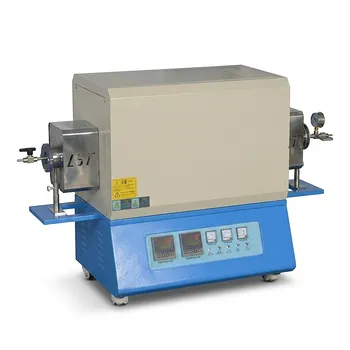
High Temperature Dual Zone Vacuum Tube Furnace for Material Research and CVD Processing

High Temperature 1700C Tube Furnace with High Vacuum Turbomolecular Pump System and Multi Channel Mass Flow Controller Gas Mixer

1800C High Temperature Compact Vacuum Tube Furnace with 60mm OD Alumina Tube and Kanthal MoSi2 Heating Elements
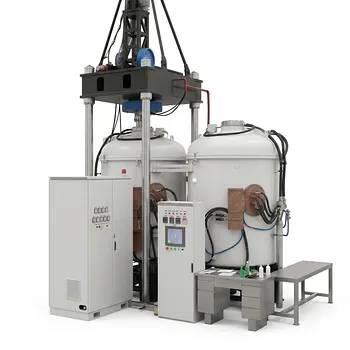
High Pressure 600T Vacuum Induction Hot Press Furnace for Advanced Material Heat Treatment and Sintering

High Temperature 1700C Vertical Tube Furnace for Powder Spherification and Material Sintering