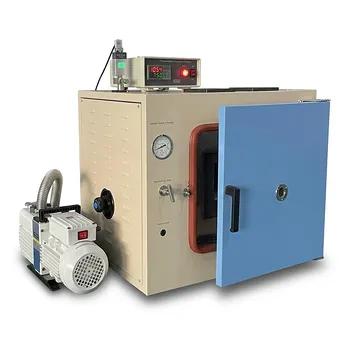
What Role Does a Vacuum Sintering Furnace Play in Ni-Mn-Ga Alloy Fabrication? Optimizing Porous Structures
Updated 3 months ago
The vacuum sintering furnace is the fundamental enabler for creating porous Ni-Mn-Ga alloys. It provides the high-temperature, low-oxygen environment necessary to evaporate space-holding agents like Sodium Chloride (NaCl) while simultaneously bonding metal powders through solid-state diffusion. This dual-action process creates a controlled, interconnected pore network that is essential for the material's functional performance and shape memory effects.
The vacuum sintering furnace facilitates the simultaneous removal of pore-forming agents and the development of structural integrity through sintering. By strictly controlling the thermal and atmospheric environment, it ensures chemical purity and precise microstructural phases, which are the cornerstones of the alloy's shape memory and superelastic properties.
Facilitating In-Situ Pore Formation
The Role of Space Holder Evaporation
The furnace environment allows for the direct evaporation of space holders such as NaCl at high temperatures. As the temperature rises—typically reaching an initial holding stage around 1083 K—the vacuum facilitates the complete removal of these temporary structures.
Achieving Uniform Pore Distribution
This process creates an in-situ porous structure with a uniform distribution that matches the original placement of the space holder. Because the furnace provides a stable thermal field, the resulting pore size and geometry remain highly predictable and controlled.
Removal of Volatile Impurities
Beyond the space holder, the high-vacuum environment is critical for removing moisture and other low-boiling-point impurities. This decontamination phase is vital for preventing internal defects that could compromise the alloy's functional lifespan.
Establishing Structural and Mechanical Integrity
Formation of Sintering Necks
As the furnace reaches higher sintering temperatures (often up to 1373 K), it drives solid-state diffusion between the Ni-Mn-Ga powder particles. This leads to the formation of sintering necks, which are the microscopic bridges that provide the porous structure with its necessary mechanical strength.
Driving Atomic Diffusion
The stable thermal energy provided by the furnace ensures that atoms migrate across particle boundaries effectively. This grain boundary diffusion promotes densification in the solid regions of the alloy, ensuring the "struts" of the porous network are robust.
Substrate Bonding and Integration
In applications where a porous layer is joined to a solid base, the furnace facilitates a metallurgical bond between the powder and the substrate. The vacuum ensures these contact surfaces remain free of oxides, allowing for a seamless and strong transition between different material densities.
Protecting Chemical Purity and Phase Stability
Prevention of Element Oxidation
Reactive elements like Manganese (Mn) and Gallium (Ga) are highly susceptible to oxidation at elevated temperatures. The vacuum environment—or a high-purity argon atmosphere—isolates these metals from oxygen, preventing the formation of brittle oxides that would degrade the shape memory effect.
Preservation of Stoichiometric Ratios
Precise control over the furnace atmosphere ensures that the chemical composition of the alloy adheres strictly to its design. Even minor losses of active elements through oxidation can shift the martensitic transformation temperatures, rendering the alloy ineffective for its intended use.
Microstructural Phase Manipulation
The furnace's ability to execute specific thermal cycles, including rapid quenching, allows engineers to manipulate the microstructural phase. This control helps retain the high-temperature austenite phase at room temperature or modulate martensite variants, significantly enhancing superelastic recovery.
Understanding the Trade-offs and Challenges
The Risk of Element Volatilization
While the vacuum is necessary to remove NaCl, it can also cause the undesired evaporation of alloying elements like Manganese if the pressure is too low or the temperature is too high. This requires a delicate balance of vacuum levels to ensure the space holder is removed without altering the alloy's chemistry.
Balancing Porosity and Brittleness
Higher sintering temperatures improve mechanical strength by growing larger sintering necks, but they can also lead to excessive grain growth. Large grains can make the porous network brittle, potentially leading to premature failure during the cyclic loading typical of shape memory applications.
Thermal Gradient Complications
In large-scale vacuum furnaces, maintaining a uniform thermal field is a constant challenge. Any temperature gradients across the sample can lead to non-uniform pore sizes or inconsistent phase transformations, which diminish the overall quality of the fabrication.
How to Optimize Your Sintering Process
Based on your specific requirements for Ni-Mn-Ga fabrication, consider the following strategic focuses:
- If your primary focus is maximizing shape memory recovery: Prioritize the heat treatment cycle and rapid quenching capabilities of the furnace to precisely control the martensitic phase distribution.
- If your primary focus is high mechanical durability: Focus on the sintering duration and temperature at the 1373 K range to ensure the formation of robust sintering necks through maximum atomic diffusion.
- If your primary focus is precise pore geometry: Ensure the vacuum level is optimized specifically for the evaporation kinetics of your chosen space holder (e.g., NaCl) during the initial holding stage.
- If your primary focus is chemical purity: Utilize a furnace with a high-purity argon backfill option to provide an extra layer of protection against the oxidation of reactive elements like Manganese.
By mastering the furnace's environmental variables, you can transform a simple powder mixture into a high-performance, functional porous alloy.
Summary Table:
| Key Function | Process Mechanism | Benefit to Ni-Mn-Ga Alloy |
|---|---|---|
| Pore Formation | In-situ NaCl evaporation in vacuum | Creates uniform, interconnected pore networks |
| Structural Integrity | Solid-state diffusion (up to 1373 K) | Forms sintering necks for high mechanical strength |
| Chemical Purity | Low-oxygen/Argon atmosphere | Prevents Mn/Ga oxidation and preserves phase stability |
| Phase Control | Precise thermal cycles/quenching | Optimizes shape memory and superelastic recovery |
Elevate Your Material Research with THERMUNITS
As a leading manufacturer of high-temperature laboratory equipment, THERMUNITS provides the precision tools required for advanced material science and industrial R&D. Whether you are fabricating Ni-Mn-Ga shape memory alloys or exploring complex porous structures, our comprehensive range of Vacuum, Atmosphere, Tube, and Muffle furnaces—along with specialized CVD/PECVD and Vacuum Induction Melting (VIM) systems—ensures the thermal stability and chemical purity your projects demand.
Why choose THERMUNITS?
- Precision Control: Advanced thermal management for critical phase transformations.
- Versatile Solutions: Equipment ranging from Rotary and Hot Press furnaces to specialized Dental and Electric Rotary Kilns.
- R&D Excellence: Tailored for the rigorous demands of laboratory heat treatment and industrial material development.
Ready to optimize your fabrication workflow and achieve superior material performance?
👉 Contact our technical experts today to find the perfect thermal solution for your laboratory!
References
- Andrea Di Schino, Claudio Testani. Microstructure and Properties in Metals and Alloys (Volume 2). DOI: 10.3390/met14040473
Mentioned Products
- High Vacuum Pressure Chamber Furnace 800C 3.5 Bar Sintering System for Superconducting Materials
- High Temperature 1000C Vacuum Furnace with 8 Inch ID Chamber for Material Sintering and Research Annealing
- Industrial High Temperature Vacuum Hot Press Furnace and Heated Vacuum Press Machine for Material Science Sintering
- Vacuum Dental Porcelain Sintering Furnace for High Precision Ceramic Restorations
- Industrial Vacuum Hot Press Furnace Machine and High Temperature Heated Vacuum Press for Advanced Material Sintering
People Also Ask
- How does a vacuum or atmosphere sintering furnace contribute to the congener-welding process of carbon nitride membranes?
- Why must MoS2 samples undergo high vacuum dehydration? Key to a-IGZO Heterojunction Stability
- How does vacuum hot pressing improve the quality of sputtering targets? Achieve High Density & Purity for Thin-Films
- What role does a high-vacuum tube sintering furnace play in NAB composites? Enhance Density and Phase Control.
- What are the advantages of vacuum sintering in powder metallurgy? Achieve Superior Purity and Near-Theoretical Density

Tech Team · ThermUnits
Last updated on Jun 02, 2026
Related Products
High Vacuum Pressure Chamber Furnace 800C 3.5 Bar Sintering System for Superconducting Materials
High Temperature 1000C Vacuum Furnace with 8 Inch ID Chamber for Material Sintering and Research Annealing
Industrial High Temperature Vacuum Hot Press Furnace and Heated Vacuum Press Machine for Material Science Sintering
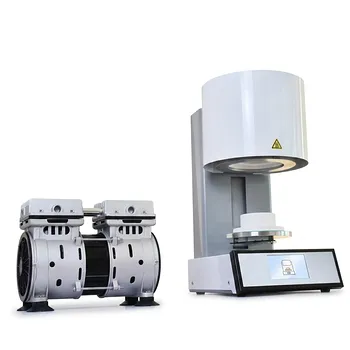
Vacuum Dental Porcelain Sintering Furnace for High Precision Ceramic Restorations
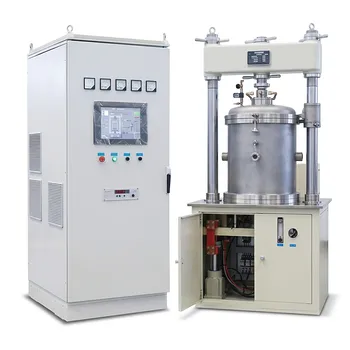
Industrial Vacuum Hot Press Furnace Machine and High Temperature Heated Vacuum Press for Advanced Material Sintering
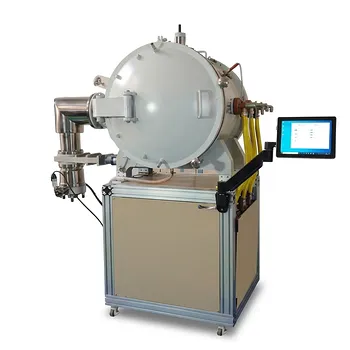
High Temperature Cold Wall Vacuum Furnace for Advanced Material Sintering and Annealing 1600C Heating Area 200x200x300mm
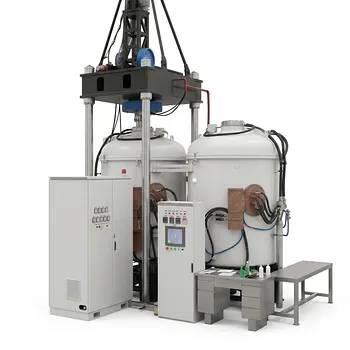
High Pressure 600T Vacuum Induction Hot Press Furnace for Advanced Material Heat Treatment and Sintering
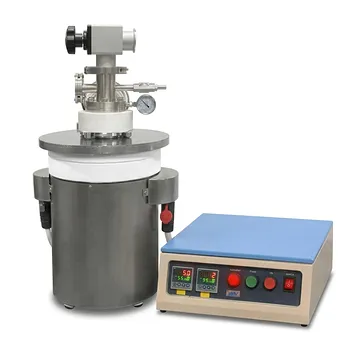
1100C High Temperature Vacuum Crucible Furnace with Quartz Chamber for Thermal Processing and Sintering
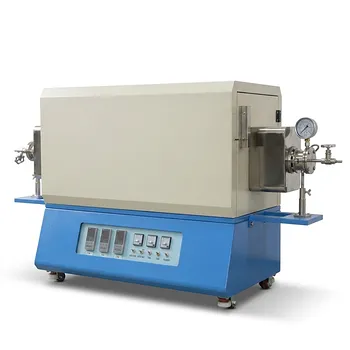
Three Temperature Zone High Temperature Vacuum Tube Furnace for CVD and Material Sintering
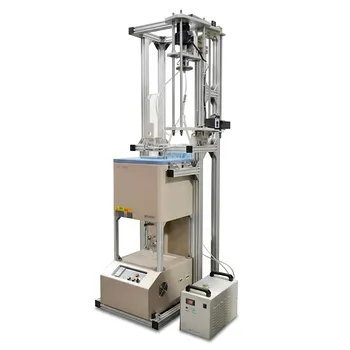
500C Vacuum Vertical Tube Furnace 84mm OD Sample Rotation Lifting System

Compact High Temperature 1600C Tube Furnace with 50mm Alumina Tube and Vacuum Flanges for Material Sintering

High Temperature 1700C Vertical Tube Furnace for Powder Spherification and Material Sintering
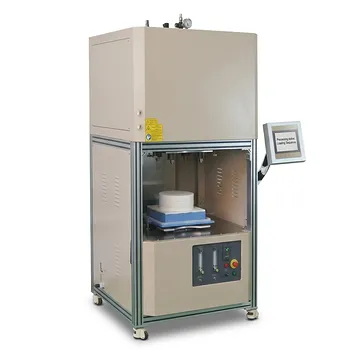
High Temperature Vertical Atmosphere Controlled Furnace with Automatic Bottom Loading and 1700°C Capacity for Advanced Material Research
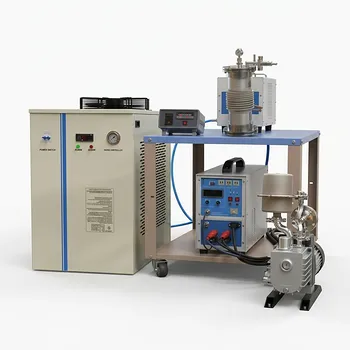
Induction Heating System with Temperature Control for High Temperature Vacuum Sintering and Melting
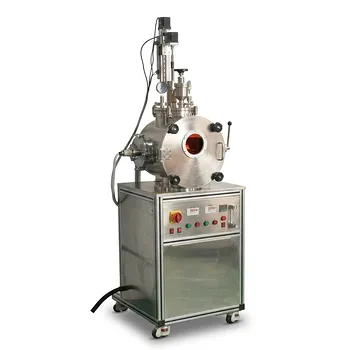
High Vacuum Melting Casting Furnace with Mechanical Stirring and Secondary Charge for Metallic Alloy Research
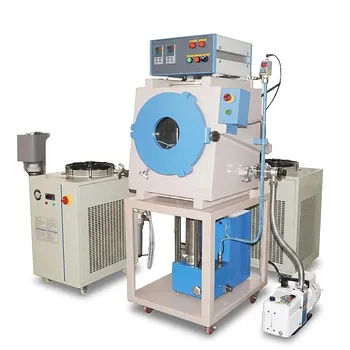
High Temperature Vacuum Lamination Hot Press Furnace Machine for Semiconductor Wafer Bonding and Advanced Composite Thermal Processing
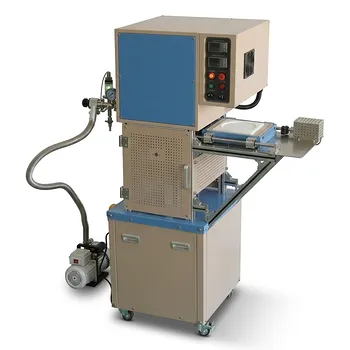
1200°C Bottom Loading Vacuum Furnace with Rapid Gas Cooling and 8.6 Inch Diameter Quartz Chamber
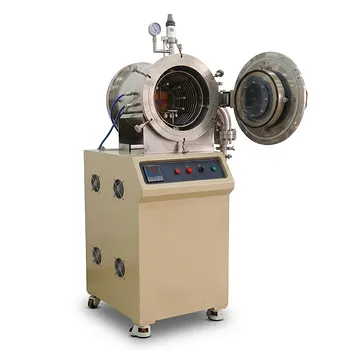
High Temperature Cold Wall High Vacuum Chamber Furnace 1400C for Advanced Material Processing
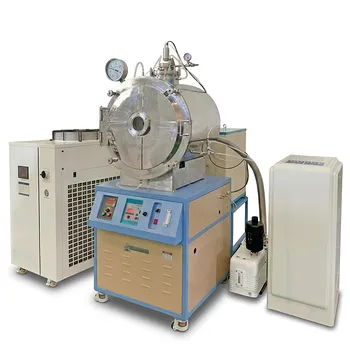
Ultra High Temperature Induction Heated Vacuum Furnace with Molten Salt Electrolysis Capability and 3000 Degree Precision Control