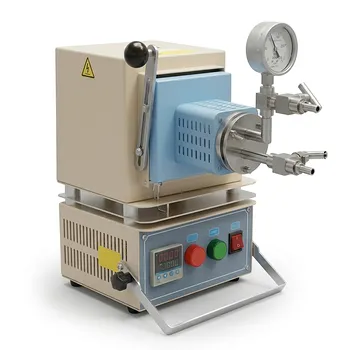
Why use gas preheating & horizontal tube furnaces for MgCO3 calcination? Ensure thermal precision and kinetic accuracy.
Updated 3 months ago
The integration of gas preheating systems and horizontal tube furnaces is essential for maintaining thermal precision during magnesium carbonate calcination. These components work in tandem to ensure that reactant gases reach the target temperature before they contact the sample, effectively eliminating kinetic errors caused by heating delays. By preventing steam condensation and providing a stable reaction environment, this setup ensures that the resulting data reflects true chemical kinetics rather than experimental artifacts.
The core requirement for these systems stems from the need for thermal equilibrium and phase stability. Preheating ensures gases are reaction-ready, while the horizontal furnace provides the controlled environment necessary for stable gas-solid interface reactions.
The Critical Role of Gas Preheating
Preventing Water Steam Condensation
In magnesium carbonate experiments, reaction gases often include water steam, which must remain in the gas phase to interact correctly with the sample. If delivery lines are not preheated, the steam will condense into liquid water, disrupting the gas flow and the chemical stoichiometry of the experiment.
Ensuring Instantaneous Thermal Equilibrium
Reaction gases must reach the target calcination temperature, such as 500°C, before they enter the reaction chamber. If "cold" gases reach the sample, they create a temperature gradient that slows the reaction, leading to kinetic errors.
Eliminating Gas Heating Delays
By using a dedicated preheating stage, the system ensures that the energy required to heat the gas is supplied outside the reactor. This allows the sample to remain at a constant temperature, ensuring that the observed reaction rates are a product of chemistry, not heat transfer.
Strategic Advantages of Horizontal Tube Furnaces
Creating a Controlled Fixed-Bed Environment
The horizontal tube furnace acts as a horizontal fixed-bed reactor, which is ideal for studying gas-solid interface reactions. This design allows for the precise introduction of gases like high-purity nitrogen to create an inert pyrolysis environment.
Facilitating Stable Gas-Solid Reactions
In processes involving Magnesium Oxide (MgO) and CO2, the horizontal furnace provides the thermal stability needed to form stable crystals. This setup is critical for observing how carbon dioxide is absorbed to form a dense, anti-corrosion layer on the material surface.
Management of Volatile Matter
At temperatures reaching 1000°C, these furnaces efficiently remove volatile matter from samples. This allows researchers to study the synergy between inorganic matter and the remaining stable structure without interference from transient organic compounds.
Understanding the Trade-offs and Pitfalls
Complexity of Thermal Synchronization
The primary challenge in this setup is the synchronization between the preheater and the furnace. If the preheater is set even slightly lower than the furnace, it can still cause a localized cooling effect on the sample, skewing the data.
Material Stress in Delivery Lines
Maintaining delivery lines at high temperatures to prevent condensation puts significant thermal stress on the tubing. Specialized alloys or high-grade quartz are often required to prevent leaks or contamination at these elevated temperatures.
Risk of Surface Variations
In a horizontal furnace, the flow of gas over a stationary bed can sometimes lead to non-uniform reaction layers if the flow rate is not carefully controlled. Researchers must ensure the gas velocity is sufficient to reach the entire sample surface consistently.
How to Apply This to Your Project
When designing your calcination apparatus, prioritize the component that aligns with your specific experimental output.
- If your primary focus is kinetic accuracy: Invest in a high-precision gas preheater with independent thermocouples to ensure the gas temperature exactly matches the furnace set point.
- If your primary focus is material synthesis and purity: Prioritize a horizontal tube furnace with superior sealing capabilities to maintain a high-purity CO2 or nitrogen atmosphere.
- If your primary focus is preventing system clogs: Ensure all delivery lines between the preheater and the furnace are heavily insulated and actively traced with heating elements.
By mastering the thermal transition of the reactant gases, you ensure that your calcination results are both reproducible and scientifically rigorous.
Summary Table:
| Component | Primary Function | Key Benefit |
|---|---|---|
| Gas Preheating System | Heats reactant gases before sample contact | Eliminates kinetic errors and prevents steam condensation |
| Horizontal Tube Furnace | Acts as a horizontal fixed-bed reactor | Provides a stable environment for gas-solid interface reactions |
| Thermal Synchronization | Aligns preheater and furnace temperatures | Ensures true chemical kinetics without localized cooling effects |
| Atmosphere Control | Manages high-purity N2 or CO2 flow | Enables precise pyrolysis and anti-corrosion layer studies |
Elevate Your Research with THERMUNITS Precision Thermal Solutions
Achieving accurate kinetic data in magnesium carbonate calcination requires world-class equipment. THERMUNITS is a leading manufacturer of high-temperature laboratory equipment specifically designed for material science and industrial R&D. We provide the thermal precision you need through our comprehensive range of solutions, including:
- Tube & Rotary Furnaces for precise gas-solid reaction studies.
- Vacuum & Atmosphere Furnaces for controlled environment experiments.
- CVD/PECVD Systems for advanced material synthesis.
- Muffle, Hot Press, and Dental Furnaces for diverse heat treatment needs.
- Vacuum Induction Melting (VIM) & Thermal Elements for specialized industrial applications.
Whether you are refining calcination processes or developing new materials, our expert team is ready to provide the right furnace configuration to eliminate experimental artifacts and maximize accuracy.
Ready to upgrade your lab's capabilities? Contact us today to get a custom quote!
References
- Hani Ababneh, Bassam B. Dally. Steam Calcination of Magnesium Carbonate: A Kinetic Study. DOI: 10.11159/mmme24.105
Mentioned Products
- Dual Zone Rotary Tube Furnace for Uniform Powder Calcination 1000C 2 Inch Quartz Tube
- 900°C Max Rotary Tube Furnace with 8 Inch 310S Alloy Tube and Optional Multi Zone Heating for Industrial Material Calcination
- Multi Position Tube Furnace 1100C for Laboratory Material Research and Advanced Industrial Thermal Processing
- High Temperature Vertical Hybrid Furnace with Alumina Tube and SiC Heating for SOFC Coin Cell Testing and Atmosphere Processing
- High Temperature 1700C Vertical Tube Furnace for Powder Spherification and Material Sintering
People Also Ask
- How does a high-precision dual-zone furnace control the structure of nickel-telluride nanoparticles during VS reactions?
- How do internal alternating plates guide particle movement in a rotary furnace? Optimize Heat Exchange & Flow Control
- How does rotational angular velocity impact rotary furnace performance? Optimize Throughput and Thermal Accuracy
- How does the baffle angle affect particle flow in a rotary calcination furnace? Master Flow & Heat Efficiency
- What is the primary function and operating principle of a rotary furnace? Maximize Thermal Processing Efficiency

Tech Team · ThermUnits
Last updated on Jun 02, 2026
Related Products
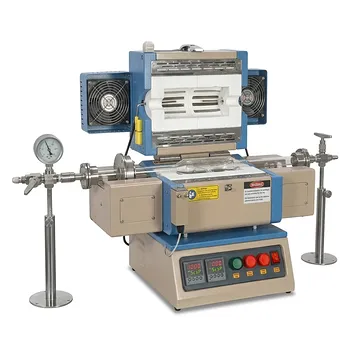
Dual Zone Rotary Tube Furnace for Uniform Powder Calcination 1000C 2 Inch Quartz Tube
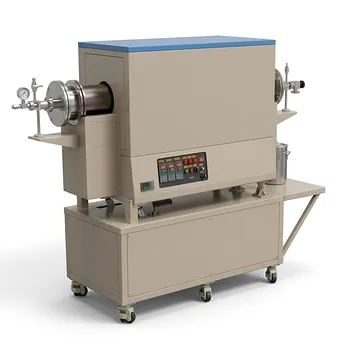
900°C Max Rotary Tube Furnace with 8 Inch 310S Alloy Tube and Optional Multi Zone Heating for Industrial Material Calcination
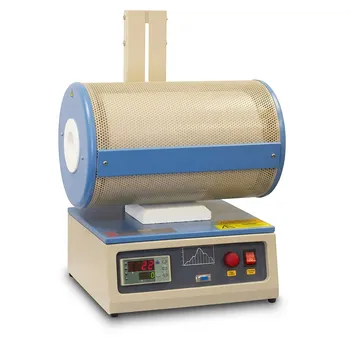
Multi Position Tube Furnace 1100C for Laboratory Material Research and Advanced Industrial Thermal Processing
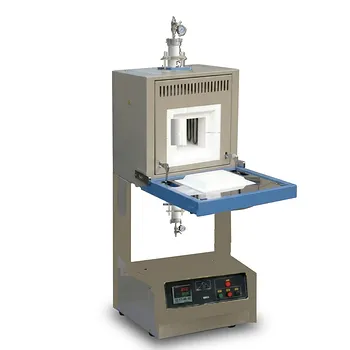
High Temperature Vertical Hybrid Furnace with Alumina Tube and SiC Heating for SOFC Coin Cell Testing and Atmosphere Processing

High Temperature 1700C Vertical Tube Furnace for Powder Spherification and Material Sintering
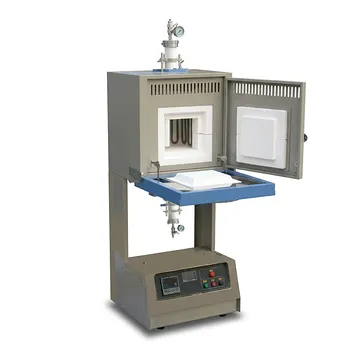
Vertical Hybrid High Temperature Furnace 1500C Alumina Tube SOFC Fuel Cell Testing Laboratory Heat Treatment Research Equipment
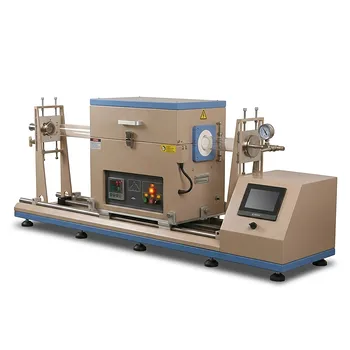
1200C Sliding Tube Furnace for Rapid Thermal Processing and CVD Graphene Growth with 100mm OD Capacity

Compact Vertical Split Quartz Tube Furnace with Stainless Steel Vacuum Flanges for Rapid Thermal Quenching and Controlled Atmosphere Material Processing
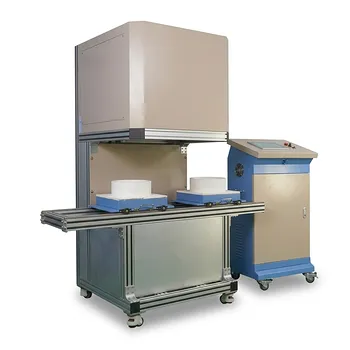
High Temperature Bottom Loading Vertical Furnace 1700C Dual Stage Sample Processing System 18L Large Capacity Thermal Treatment Equipment

1200°C 5 Inch Vertical Quartz Tube Furnace with Stainless Steel Vacuum Flanges

Vertical 1700C Vacuum and Atmosphere Tube Furnace with 80mm Alumina Tube
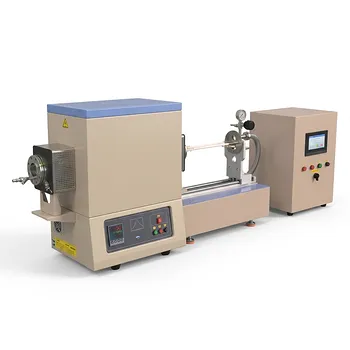
High Temperature Horizontal Electrical Assisted Sintering Furnace with 3KW Programmable Power Source for Advanced Ceramic Materials
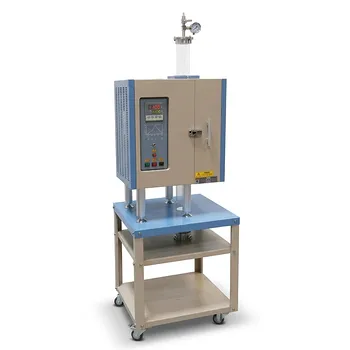
1100°C Split Vertical Tube Furnace with 80mm Quartz Tube and Stainless Steel Vacuum Flanges
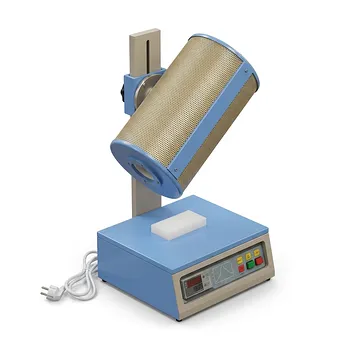
1100°C Vertical Laboratory Furnace for DIY Tubular Reactors with PID Temperature Controller
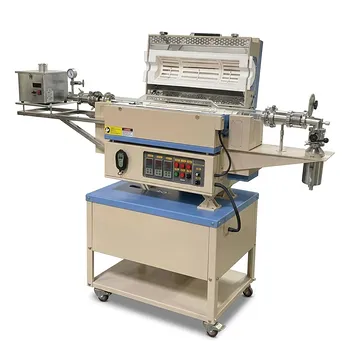
5 Inch Rotary Tube Furnace with Automatic Feeding and Receiving System 1200C Three Zone CVD Powder Processing
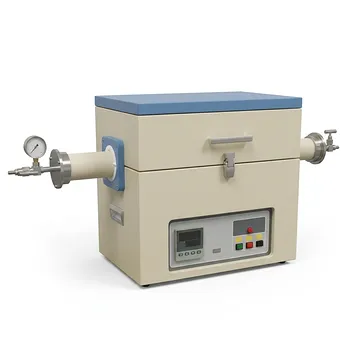
1250C Split Tube Furnace with 3 Inch Mullite Tube and Vacuum Sealing Flanges for Precision Thermal Processing
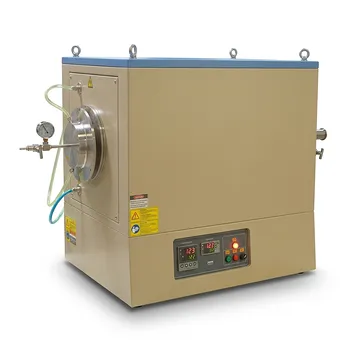
1100°C Large Diameter Quartz Tube Furnace with 24 Inch Heating Zone and Water Cooled Flanges
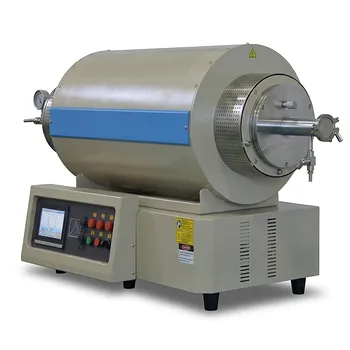
1200C Max Three Zone Tube Furnace 6 Inch OD Max with Tube and Flange

1800C High Temperature Compact Vacuum Tube Furnace with 60mm OD Alumina Tube and Kanthal MoSi2 Heating Elements