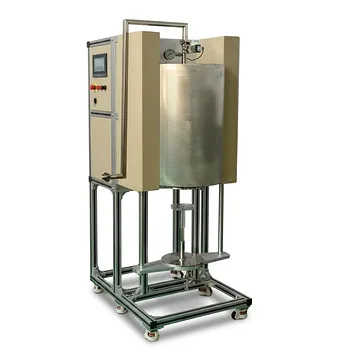
How does a high-precision dual-zone furnace control the structure of nickel-telluride nanoparticles during VS reactions?
Updated 3 months ago
Precision thermal gradient management is the fundamental mechanism. A high-precision dual-zone furnace controls the structure of nickel-telluride nanoparticles by maintaining a strict, localized temperature differential across a reaction vessel. By isolating the tellurium source and the nickel substrate at specific, independent temperatures—such as 422 °C and 448 °C—the system dictates the rate of tellurium vaporization and its subsequent deposition kinetics on the nickel surface. This granular control allows for the intentional tuning of the nanoparticles' crystal structure and stoichiometric composition, which are the primary drivers of catalytic performance.
The dual-zone furnace acts as a kinetic regulator, using a temperature-driven vapor pressure gradient to manage the arrival rate of tellurium atoms at the nickel surface. This precision ensures that the resulting nickel-telluride compounds possess the exact phase and active site density required for specific technical applications.
The Mechanics of Vapor-Solid (VS) Reaction Kinetics
Establishing the Spatial Temperature Gradient
The furnace operates by creating a precise temperature field across a quartz reaction tube. By setting the tellurium source end and the nickel carrier end to distinct temperatures, the system creates a directional flow of energy and matter.
Driving Continuous Tellurium Supply
The temperature at the source end (e.g., 422 °C) is calibrated to reach the specific sublimation or vapor pressure required for tellurium. This ensures a steady, measurable supply of tellurium vapor that migrates toward the nickel substrate.
Controlling the Deposition Rate
The temperature at the nickel carrier end (e.g., 448 °C) determines the thermal energy available at the reaction site. This specific heat level regulates how tellurium atoms incorporate into the nickel lattice, preventing chaotic growth and favoring ordered nanoparticle formation.
Structural and Stoichiometric Control
Fine-Tuning Crystal Phases
High-precision control of the temperature field allows researchers to navigate the nickel-telluride phase diagram with extreme accuracy. Small adjustments in the gradient can shift the reaction between different stoichiometric ratios, such as NiTe or NiTe₂, each possessing unique electronic properties.
Optimizing Catalyst Active Sites
The furnace's precision directly influences the density and configuration of active sites on the nanoparticle surface. By controlling the VS reaction kinetics, the system ensures that the resulting crystal structure maximizes the exposure of these sites for electrochemical or catalytic processes.
Comparison with In-Situ Exsolution
While VS reactions focus on vapor deposition, other methods like in-situ exsolution utilize controlled atmospheres (e.g., 5% H2/He at 1000 °C) to migrate ions from a substrate. While exsolution provides superior mechanical anchoring and anti-agglomeration, the dual-zone VS method offers more specialized control over the chemical identity of the telluride layer.
Understanding the Trade-offs and Pitfalls
Kinetic vs. Thermodynamic Stability
A primary challenge in dual-zone synthesis is balancing the speed of the reaction with the quality of the crystal. Rapid vapor deposition can lead to amorphous structures or non-uniform stoichiometry, whereas too slow a rate may result in incomplete surface coverage.
Sensitivity to Thermal Fluctuations
The primary risk in these reactions is thermal instability within the furnace. Even minor deviations from the target temperatures (422 °C/448 °C) can drastically alter the vapor flux, leading to inconsistent nanoparticle sizes across the nickel carrier.
Boundary Layer Interference
In a Vapor-Solid reaction, a passive boundary layer can sometimes form on the nickel surface, hindering further telluride growth. Managing the temperature gradient is essential to ensure the tellurium vapor can penetrate or react effectively with the nickel substrate throughout the duration of the process.
How to Apply This to Your Project
When configuring a dual-zone furnace for nanoparticle synthesis, your parameters should align with your specific material requirements:
- If your primary focus is stoichiometric precision: Prioritize the stability of the temperature gradient to ensure a constant vapor-to-solid ratio throughout the reaction.
- If your primary focus is active site optimization: Focus on the nickel carrier-end temperature to control the surface morphology and crystal facet exposure.
- If your primary focus is high-temperature durability: Consider integrating exsolution-style thermal treatments to improve the mechanical bond between the particles and the substrate.
Mastering the thermal landscape within a dual-zone furnace transforms a complex chemical reaction into a predictable and precise engineering process for advanced material synthesis.
Summary Table:
| Parameter | Role in VS Reaction | Key Benefit |
|---|---|---|
| Source Zone Temp | Controls Te sublimation and vapor pressure | Ensures a steady and measurable material supply |
| Substrate Zone Temp | Regulates deposition kinetics and lattice entry | Enables precise control over phase and stoichiometry |
| Thermal Gradient | Manages the arrival rate of tellurium atoms | Prevents chaotic growth; ensures uniform active sites |
| Atmosphere Control | Prevents oxidation and manages carrier flow | Protects chemical identity and catalyst purity |
Elevate Your Material Research with THERMUNITS
Achieve unparalleled precision in nanoparticle synthesis and advanced material science. THERMUNITS is a leading manufacturer of high-temperature laboratory equipment, providing the thermal stability required for complex Vapor-Solid (VS) reactions and industrial R&D.
Our comprehensive range of thermal processing solutions includes:
- Tube & CVD/PECVD Systems for high-precision dual-zone synthesis.
- Vacuum, Atmosphere, and Muffle Furnaces for versatile heat treatments.
- Rotary Kilns, Vacuum Induction Melting (VIM), and Hot Press Furnaces for industrial-scale innovation.
- Dental Furnaces and Thermal Elements tailored for specialized applications.
Don't let thermal fluctuations compromise your stoichiometric accuracy. Partner with THERMUNITS for reliable, high-performance equipment designed for the most demanding laboratory environments.
Contact our technical experts today to discuss your project requirements and find the ideal furnace solution.
References
- Daniel Garstenauer, Klaus W. Richter. Active site engineering of intermetallic nanoparticles by the vapour–solid synthesis: carbon black supported nickel tellurides for hydrogen evolution. DOI: 10.1039/d4nr03397c
Mentioned Products
- Dual Zone Quartz Tube Furnace with 80mm Diameter 1200C Max Temperature 3 Channel Gas Mixer and Vacuum Pump System
- 1200C Dual Zone Split Tube Furnace with Fused Quartz Tube and Vacuum Flanges Available in 60mm 80mm and 100mm Diameters
- 1200C Dual Temperature Zone Slidable Tube Furnace for 2D Material Growth and TCVD Synthesis
- Dual Heating Zone 1200C Compact Split Tube Furnace with Optional 1" - 2" Tube and Vacuum Flanges
- High Temperature Dual Zone Tube Furnace for Material Science Research and Professional Thermal Processing
People Also Ask
- How do dual-zone quartz tube furnaces achieve controllable material preparation? Optimize Perovskite VD Processes
- What are the technical advantages of using a dual-zone tube furnace for growing large PdCoO2 crystals via CVT? Expert Tips
- Purpose of the reverse gradient step in CVT growth? Master Crystal Purity with Dual-Zone Furnaces
- Why is it necessary to place MoS2 devices in a dual-zone tube furnace for annealing? Optimize Lattice Repair & Doping
- Why is a dual-zone tube furnace necessary for ReO3-doped Cu2Te CVD? Essential for precise precursor synchronization.

Tech Team · ThermUnits
Last updated on Jun 02, 2026
Related Products
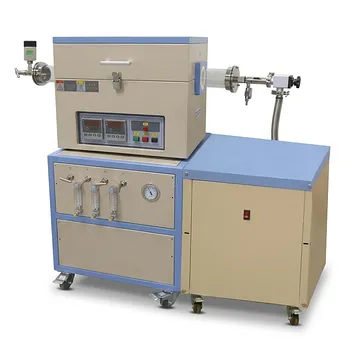
Dual Zone Quartz Tube Furnace with 80mm Diameter 1200C Max Temperature 3 Channel Gas Mixer and Vacuum Pump System
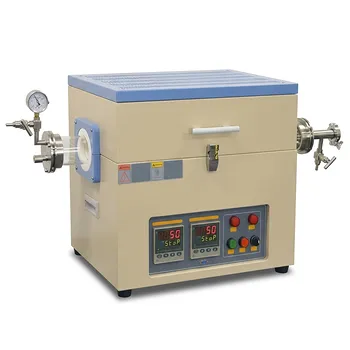
1200C Dual Zone Split Tube Furnace with Fused Quartz Tube and Vacuum Flanges Available in 60mm 80mm and 100mm Diameters
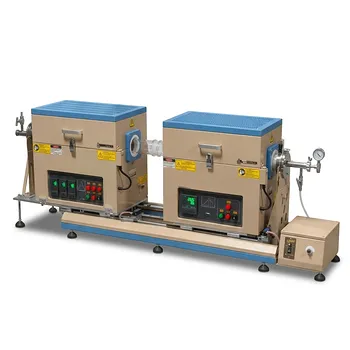
1200C Dual Temperature Zone Slidable Tube Furnace for 2D Material Growth and TCVD Synthesis
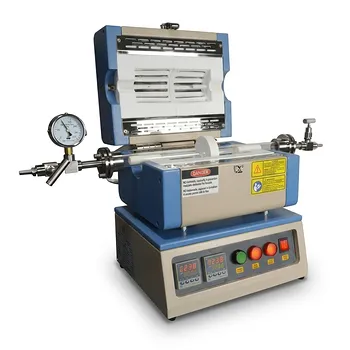
Dual Heating Zone 1200C Compact Split Tube Furnace with Optional 1" - 2" Tube and Vacuum Flanges
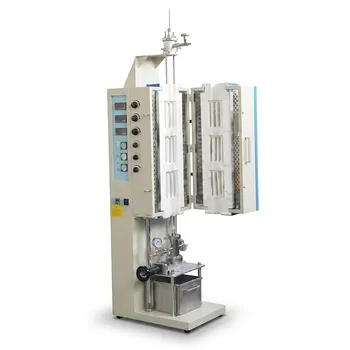
High Temperature Dual Zone Tube Furnace for Material Science Research and Professional Thermal Processing
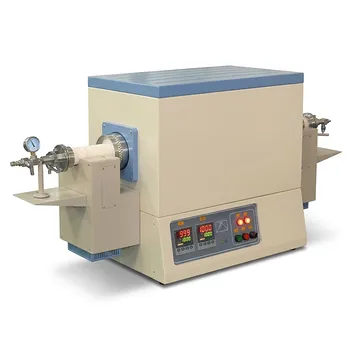
High Temperature 1700C Dual Zone Rotary Tube Furnace with 60mm Alumina Tube and Precision Rotation Control
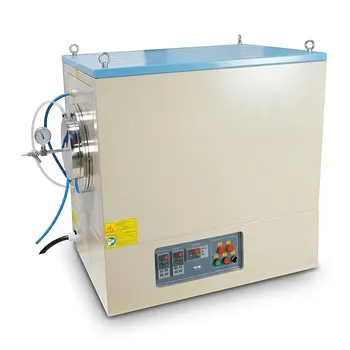
Dual Zone Tube Furnace 1100C with 11 Inch Quartz Tube and Vacuum Flanges for 8 Inch Wafer Processing
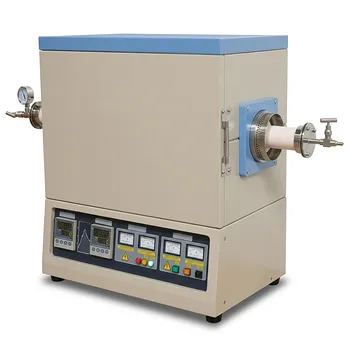
High Temperature 1700C Dual Zone Tube Furnace for Material Science and Industrial Chemical Vapor Deposition Research
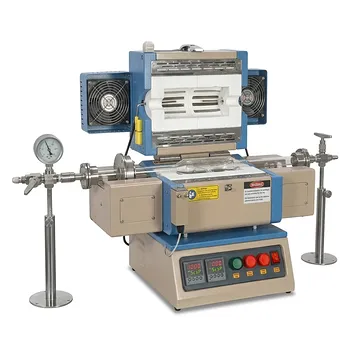
Dual Zone Rotary Tube Furnace for Uniform Powder Calcination 1000C 2 Inch Quartz Tube
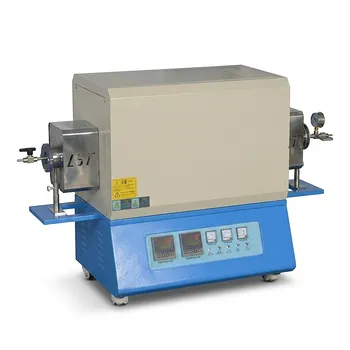
High Temperature Dual Zone Vacuum Tube Furnace for Material Research and CVD Processing
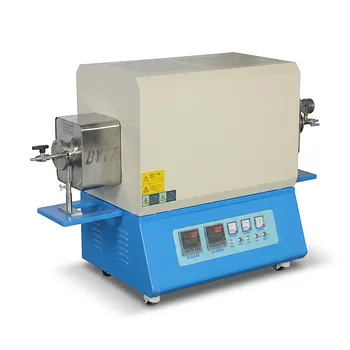
High Temperature Dual Zone Split Tube Furnace for Advanced Atmosphere Sintering and Vacuum CVD Applications
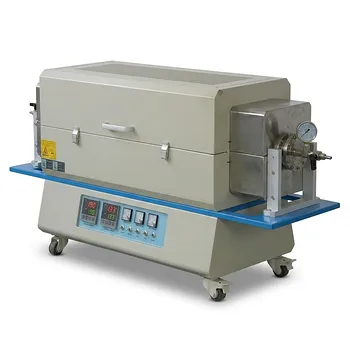
High Temperature Elongated Dual Zone Tube Furnace for Material Research and Industrial Heat Treatment
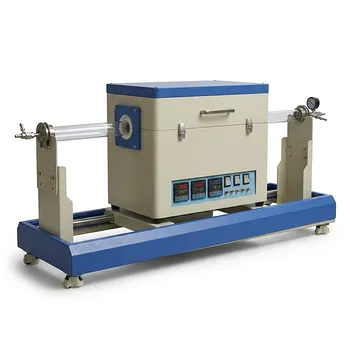
Double Temperature Zone Double Cover Tube Furnace for High Temperature CVD and Vacuum Annealing
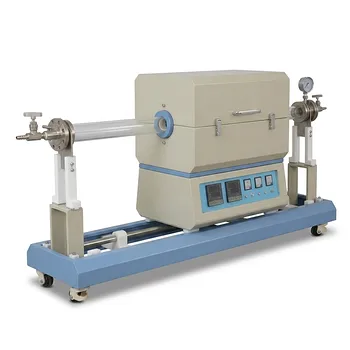
Double Zone Fast Heating Tube Furnace High Temperature Vacuum Atmosphere System
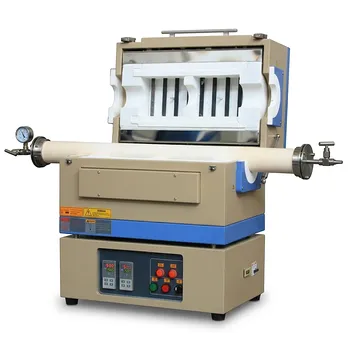
1500C Two Zone Split Tube Furnace with Vacuum Flange and 80mm Alumina Tube
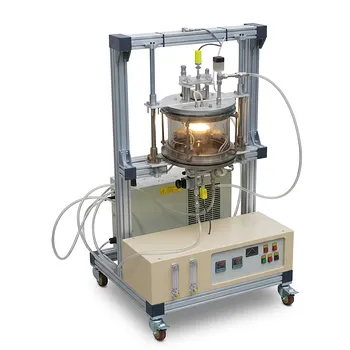
Two Zones CSS Furnace for Rapid Thermal Processing Thin Film Coating 3 Inch Diameter 650C
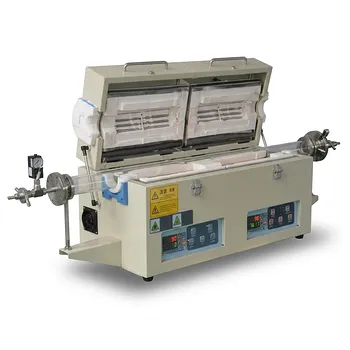
Elongated Two Temperature Zone Pipe Furnace for Industrial Heat Treatment and Material Science Research
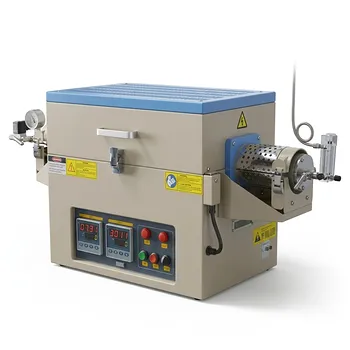
1100C Dual Zone Hydrogen Gas Tube Furnace with Quartz Tube and Integrated H2 Leak Detection System
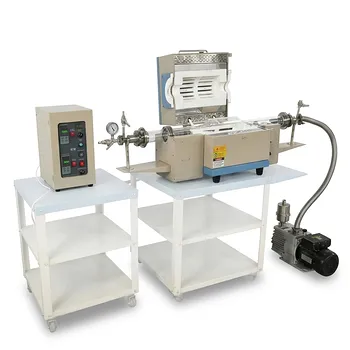
Two Zone Rotary Tube Furnace for Powder CVD Coating and Core Shell Material Synthesis 1100C