Why are high-purity alumina boats or crucibles typically selected for (Ti, Nb)2AlC MAX phase synthesis? Essential Guide
Updated 5 months ago
High-purity alumina crucibles are the industry standard due to their exceptional thermal stability and chemical inertness at extreme temperatures. These containers are selected because they withstand the 1500°C sintering temperatures required for (Ti, Nb)₂AlC synthesis and subsequent 900°C oxidation environments without reacting with the reactants. This prevents impurity contamination and ensures that oxidation mass gain measurements accurately reflect the sample's behavior rather than container interference.
High-purity alumina provides a chemically neutral environment that remains stable at temperatures exceeding 1500°C, ensuring material purity and experimental repeatability. By eliminating side reactions and container mass fluctuations, it allows for the precise characterization of MAX phase synthesis and oxidation kinetics.
Maintaining Phase Purity during Synthesis
High-purity alumina (Al₂O₃) is chosen primarily for its ability to maintain structural and chemical integrity during the high-heat sintering process.
Chemical Inertness at Extreme Temperatures
During the synthesis of (Ti, Nb)₂AlC, temperatures typically reach 1500°C to 1600°C. High-purity alumina does not undergo side reactions with metal reactants or the aluminum components under these reducing or inert atmospheres.
Prevention of Impurity Infiltration
Because the alumina boat does not react with the powders, it prevents the introduction of foreign metallic elements into the MAX phase. This is critical for compositional characterization and ensures the resulting photocatalytic materials meet high-performance standards.
Resistance to Molten Erosion
In some synthesis stages, components may reach a liquid or semi-molten state. Alumina is highly resistant to erosion from molten oxides, ensuring the diffusion interface reaction data remains pure and reliable.
Accuracy in Thermal Oxidation Experiments
Following synthesis, researchers often subject MAX phases to thermal oxidation to test durability and kinetics.
Stability in Corrosive Environments
At oxidation temperatures around 900°C to 1000°C, alumina remains incredibly stable in air. It does not react with the alloy specimens or the resulting oxide scales that form on the surface of the MAX phase.
Reliability of Mass Gain Data
In oxidation kinetics studies, the sample's weight is measured to determine the rate of oxygen uptake. High-purity alumina exhibits no significant mass fluctuations, ensuring that recorded mass gains are derived solely from the oxidation of the alloy itself.
Ensuring Phase Purity
Using alumina supports the precursor or powder stably without reacting with the precursor gel or host matrix. This ensures the high phase purity of the final powder, which is essential for accurate performance evaluation and temperature sensing sensitivity.
Understanding the Trade-offs
While high-purity alumina is the preferred choice, it is not without limitations that researchers must manage.
Thermal Shock Sensitivity
High-purity alumina is ceramic and can be brittle. Rapid heating or cooling cycles can cause the boat or crucible to crack, meaning furnace ramp rates must be carefully controlled to preserve the container.
Potential for Adhesion
In some instances, lightly sintered MAX phase products may adhere to the crucible walls. While alumina is chemically inert, the physical morphology of the product can sometimes make it difficult to remove without mechanical crushing, though it generally remains easier to process than products from other container types.
How to Apply This to Your Project
Selecting the right vessel depends on the specific temperature and purity requirements of your MAX phase research.
- If your primary focus is phase purity and characterization: High-purity alumina is mandatory to prevent the infiltration of impurities that would skew XRD or SEM results.
- If your primary focus is oxidation kinetics and mass gain: Use high-purity alumina to ensure that the container's weight remains constant, allowing for precise measurement of the sample’s oxygen consumption.
- If your primary focus is high-volume industrial processing: Ensure your tube furnaces use high-alumina linings to provide a stable, low-oxygen environment necessary for controlling the reaction behavior of aluminum components.
Choosing high-purity alumina ensures that your experimental results are a true reflection of the material's properties rather than an artifact of the container.
Summary Table:
| Feature | Benefit | Application |
|---|---|---|
| Thermal Stability | Withstands up to 1600°C | High-temperature MAX phase sintering |
| Chemical Inertness | Prevents impurity infiltration | High-purity material characterization |
| Constant Mass | Accurate oxidation kinetics | Precision mass gain measurements |
| Erosion Resistance | Resists molten oxide attack | Complex multi-stage synthesis |
Optimize Your Material Synthesis with THERMUNITS
Achieve unmatched precision in your (Ti, Nb)₂AlC MAX phase research with THERMUNITS, a leading manufacturer of high-temperature laboratory equipment for material science. We provide a comprehensive range of thermal processing solutions, including Muffle, Vacuum, Atmosphere, and Tube furnaces, as well as CVD/PECVD systems designed for extreme stability and purity.
Whether you are conducting high-heat sintering or delicate thermal oxidation experiments, our equipment ensures the chemical neutrality and temperature control your R&D requires. Contact us today to find the perfect furnace solution for your laboratory!
References
- Shalu Atri, Olivier Monfort. MXene-Derived Oxide Nanoheterostructures for Photocatalytic Sulfamethoxazole Degradation. DOI: 10.1021/acsanm.4c02523
Mentioned Products
- High Temperature 1700C Benchtop Tube Furnace with 5 Inch Heating Zone High Purity Alumina Tube and Vacuum Sealing Flanges
- 600°C Vertical Crucible Furnace with SS316 Alloy Reactor and 6 Port Vacuum Flange
- Compact High Temperature 1600C Tube Furnace with 50mm Alumina Tube and Vacuum Flanges for Material Sintering
- 1100C High Temperature Vacuum Crucible Furnace with Quartz Chamber for Thermal Processing and Sintering
- High Temperature Induction Melting System with Integrated Ultra High Purity Glove Box for Metallic Alloy Processing
People Also Ask
- How are high-temperature tube furnaces utilized to repair etching damage? Precision Lattice Restoration Solutions
- What is the function of a high-temperature tube furnace in the synthesis of g-C3N4? Optimize Thermal Polycondensation
- What impact does the heating rate of a tube furnace have on biochar microstructure? Optimize Your Material R&D.
- What is the role of a high-temperature tube furnace in the calcination process of ZnO/In2O3 nanocomposites?
- Conditions for nZVI Synthesis in Tube Furnaces? Learn to Optimize Thermal and Atmospheric Control for High Purity.

Tech Team · ThermUnits
Last updated on Apr 14, 2026
Related Products

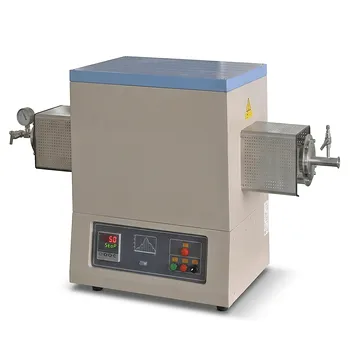
High Temperature 1700C Benchtop Tube Furnace with 5 Inch Heating Zone High Purity Alumina Tube and Vacuum Sealing Flanges
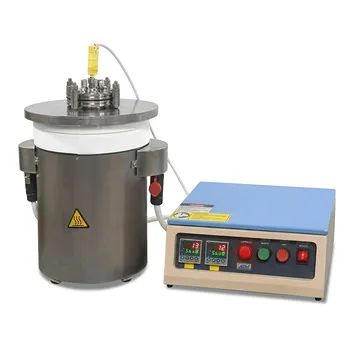
600°C Vertical Crucible Furnace with SS316 Alloy Reactor and 6 Port Vacuum Flange

Compact High Temperature 1600C Tube Furnace with 50mm Alumina Tube and Vacuum Flanges for Material Sintering
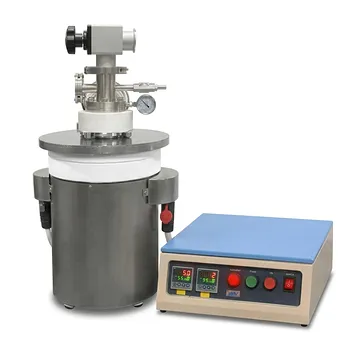
1100C High Temperature Vacuum Crucible Furnace with Quartz Chamber for Thermal Processing and Sintering
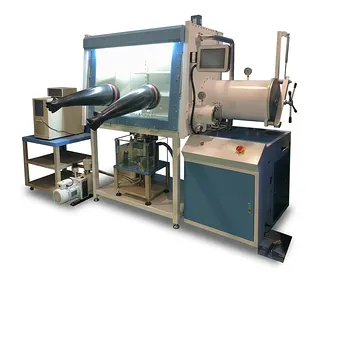
High Temperature Induction Melting System with Integrated Ultra High Purity Glove Box for Metallic Alloy Processing
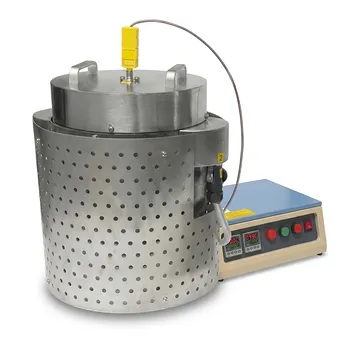
Vertical Crucible Furnace 1000C High Temperature Laboratory Equipment 4.7 Inch Diameter Chamber SS316 Anti Corrosive Enclosure
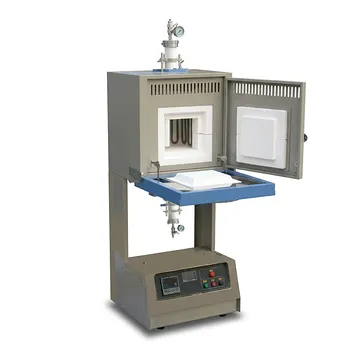
Vertical Hybrid High Temperature Furnace 1500C Alumina Tube SOFC Fuel Cell Testing Laboratory Heat Treatment Research Equipment
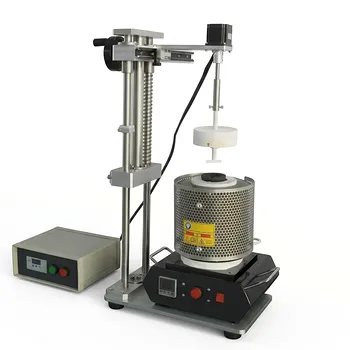
1100C Crucible Melting Furnace with Stirring Function for Glovebox and Air Sensitive Alloy Research
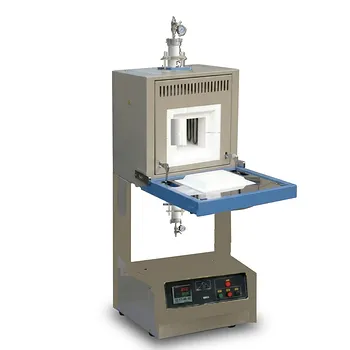
High Temperature Vertical Hybrid Furnace with Alumina Tube and SiC Heating for SOFC Coin Cell Testing and Atmosphere Processing
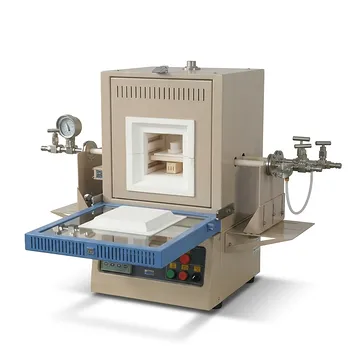
1700C Compact Hybrid Furnace with Dual Layer Box Sintering and Controlled Atmosphere Alumina Tubes
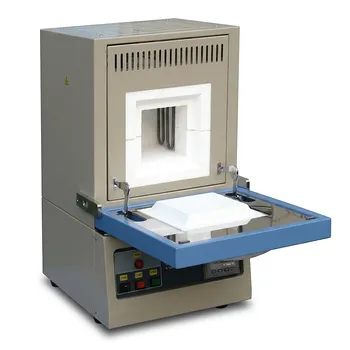
High Temperature 1800C Compact Muffle Furnace with Kanthal Super 1900 Heating Elements and 1.7L Alumina Chamber
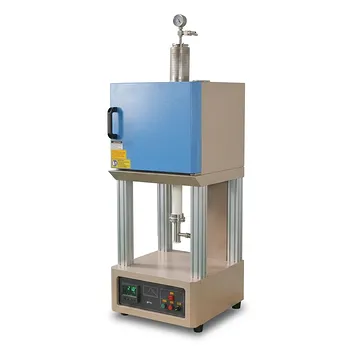
Hybrid High Temperature Tube and Box Furnace 1700C with 2 Inch Alumina Tube for Material Research
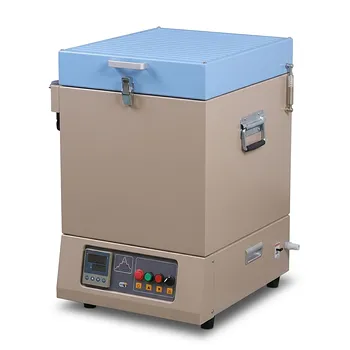
High Temperature Vertical Crucible Furnace with 22L Heating Chamber and 1200C Maximum Temperature
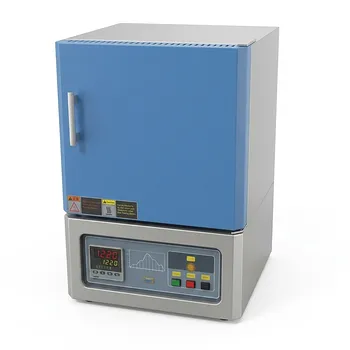
High Temperature Benchtop Muffle Furnace 1700C 10L Chamber Alumina Fiber Insulation MoSi2 Heating Elements
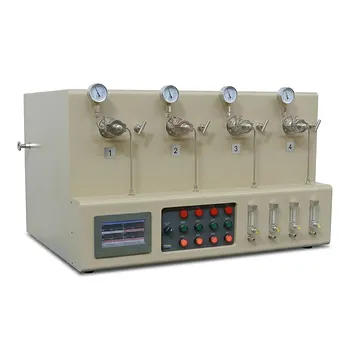
High Temperature 1700C 4 Channel Tube Furnace 1 Inch Alumina Tube for Hi-Throughput Annealing
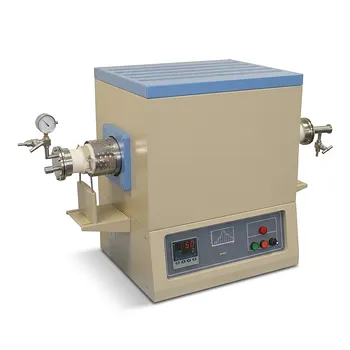
1700C High Temperature Alumina Tube Furnace with 18 Inch Heated Zone and Vacuum Sealing Flanges
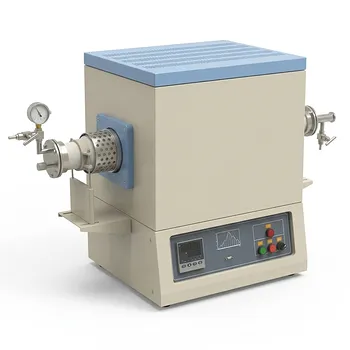
1750°C High Temperature Benchtop Vacuum Atmosphere Tube Furnace with Kanthal Super 1800 Heating Elements and 60mm Alumina Processing Tube
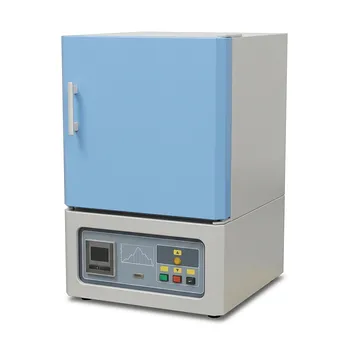
1800C Bench Top Muffle Furnace with Kanthal Super 1900 Heating Elements and 3.6L Alumina Fiber Chamber

1700C Hydrogen Gas Tube Furnace with 60mm Alumina Process Tube and Integrated Hydrogen Safety Detector