Why are high-purity alumina crucibles used as containers during high-temperature catalytic graphitization? Key Benefits
Updated 3 months ago
High-purity alumina crucibles are the industry standard for catalytic graphitization due to their unique combination of thermal resilience and chemical neutrality. These containers maintain exceptional structural integrity at temperatures exceeding 1300°C and remain completely inert when in contact with carbon-based materials and transition metal catalysts. By resisting deformation and chemical reactions, they ensure that the final graphitized product remains free from contamination.
High-purity alumina crucibles provide a stable, non-reactive environment that is essential for high-temperature synthesis involving carbon and metal catalysts. Their primary value lies in preventing chemical interference and maintaining structural stability under extreme thermal stress, thereby ensuring the purity of the synthesized material.
Achieving Structural Integrity at Extreme Heat
Resilience Against Thermal Deformation
Catalytic graphitization requires sustained exposure to temperatures often exceeding 1300°C. At these levels, standard materials may soften or sag, but high-purity alumina maintains its physical shape and structural strength.
Management of Thermal Shock
These crucibles are engineered to withstand rapid heating and cooling cycles without cracking. This durability is critical for industrial processes where throughput depends on the ability to cycle samples through various temperature stages quickly.
Low Permeability in Controlled Environments
High-purity alumina possesses low permeability, which is vital for experiments conducted in a vacuum or specific atmospheres. This property helps maintain a stable environment and prevents the infiltration of outside gases that could degrade the quality of the graphitization.
Preventing Chemical Contamination
Inertness to Carbon and Metal Catalysts
The graphitization process involves transition metal catalysts that can be highly reactive with container materials. Alumina is chemically inert to these metals and carbon, ensuring that the crucible does not leach impurities into the sample or alter the reaction kinetics.
Resistance to Molten Erosion
In processes involving iron-based melts or molten oxides, alumina acts as a refractory barrier. It resists erosion from these aggressive substances, preventing the infiltration of crucible elements into the experimental system and preserving the integrity of the data.
Prevention of Chemical Interference
In specialized synthesis, such as creating graphitic carbon nitride (g-C3N4), alumina prevents interference between the container and nitrogen-containing organic precursors. This ensures the final powder maintains high crystalline stability and photocatalytic purity.
Understanding the Trade-offs
Thermal Conductivity vs. Graphite
While alumina is an excellent insulator and chemically stable, it has lower thermal conductivity compared to graphite crucibles. In processes requiring perfectly uniform sample heating across large volumes, the slower heat transfer of alumina must be accounted for in the heating protocol.
Material Brittleness
Despite their high-temperature strength, alumina crucibles are ceramic and inherently brittle. They are susceptible to mechanical failure if handled roughly or if subjected to extreme mechanical stress during loading and unloading.
Chemical Sensitivity to Specific Alkalines
While alumina is generally inert, it can be sensitive to specific highly alkaline environments at extreme temperatures. Users must ensure that the specific catalyst or flux used does not exceed the chemical resistance thresholds of the Al2O3 structure.
Selecting the Right Container for Your Goal
To achieve the best results in high-temperature processing, the choice of crucible must align with your specific experimental constraints.
- If your primary focus is Maximum Chemical Purity: Use high-purity alumina to ensure zero leaching of impurities from the container into your carbon transition metal system.
- If your primary focus is Uniform Temperature Distribution: Consider checking if the thermal conductivity of alumina meets your needs, or adjust ramp rates to allow for even heat penetration.
- If your primary focus is Vacuum Stability: Utilize high-purity alumina due to its low permeability, which helps maintain the integrity of the vacuum system during high-heat cycles.
By providing a thermally stable and chemically neutral environment, alumina crucibles remain the definitive choice for ensuring the precision and purity of high-temperature catalytic reactions.
Summary Table:
| Feature | Performance | Advantage in Graphitization |
|---|---|---|
| Thermal Stability | Resists >1300°C | Prevents deformation & cracking under extreme heat. |
| Chemical Inertness | Non-reactive | Ensures zero contamination from carbon or metal catalysts. |
| Permeability | Low gas infiltration | Maintains atmosphere integrity in vacuum/controlled R&D. |
| Erosion Resistance | High | Acts as a refractory barrier against molten metal/oxides. |
Maximize Your Material Synthesis Precision with THERMUNITS
As a global leader in high-temperature laboratory equipment, THERMUNITS provides the expert thermal solutions required for advanced material science and industrial R&D. Whether you are performing high-purity catalytic graphitization or complex heat treatments, our equipment is designed for maximum consistency and reliability.
Our Comprehensive Thermal Solutions Include:
- Advanced Furnaces: Muffle, Vacuum, Atmosphere, Tube, Rotary, and Hot Press furnaces.
- Specialized Systems: CVD/PECVD systems, Dental Furnaces, and Electric Rotary Kilns.
- Industrial R&D: Vacuum Induction Melting (VIM) furnaces and high-grade Thermal Elements.
Ready to enhance your lab's efficiency and product purity? Contact THERMUNITS today to consult with our engineers and find the perfect heat treatment configuration for your specific application.
References
- Ziyi Shi, Weihong Yang. Bio-based anode material production for lithium–ion batteries through catalytic graphitization of biochar: the deployment of hybrid catalysts. DOI: 10.1038/s41598-024-54509-8
Mentioned Products
- High Temperature 1700C Benchtop Tube Furnace with 5 Inch Heating Zone High Purity Alumina Tube and Vacuum Sealing Flanges
- 600°C Vertical Crucible Furnace with SS316 Alloy Reactor and 6 Port Vacuum Flange
- 1100C High Temperature Vacuum Crucible Furnace with Quartz Chamber for Thermal Processing and Sintering
- High Temperature Vertical Crucible Furnace with 22L Heating Chamber and 1200C Maximum Temperature
- Vertical Crucible Furnace 1000C High Temperature Laboratory Equipment 4.7 Inch Diameter Chamber SS316 Anti Corrosive Enclosure
People Also Ask
- How are high-temperature tube furnaces utilized to repair etching damage? Precision Lattice Restoration Solutions
- What is the function of a high-temperature tube furnace in the synthesis of g-C3N4? Optimize Thermal Polycondensation
- What impact does the heating rate of a tube furnace have on biochar microstructure? Optimize Your Material R&D.
- What is the role of a high-temperature tube furnace in the calcination process of ZnO/In2O3 nanocomposites?
- Conditions for nZVI Synthesis in Tube Furnaces? Learn to Optimize Thermal and Atmospheric Control for High Purity.

Tech Team · ThermUnits
Last updated on Jun 02, 2026
Related Products

High Temperature 1700C Benchtop Tube Furnace with 5 Inch Heating Zone High Purity Alumina Tube and Vacuum Sealing Flanges
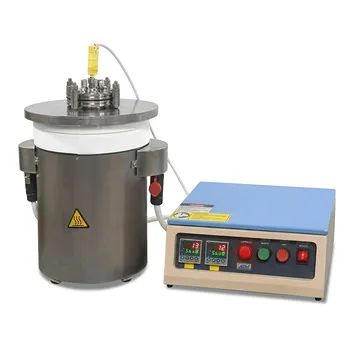
600°C Vertical Crucible Furnace with SS316 Alloy Reactor and 6 Port Vacuum Flange
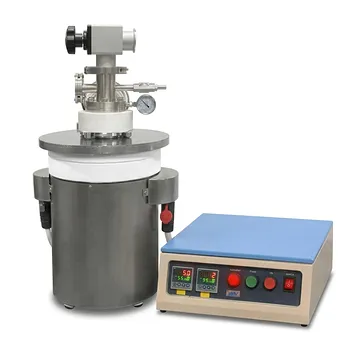
1100C High Temperature Vacuum Crucible Furnace with Quartz Chamber for Thermal Processing and Sintering
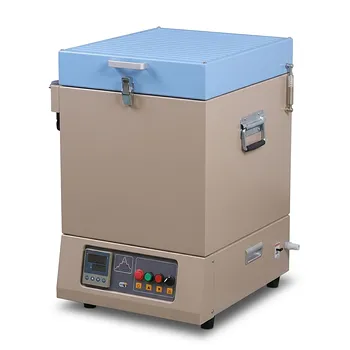
High Temperature Vertical Crucible Furnace with 22L Heating Chamber and 1200C Maximum Temperature
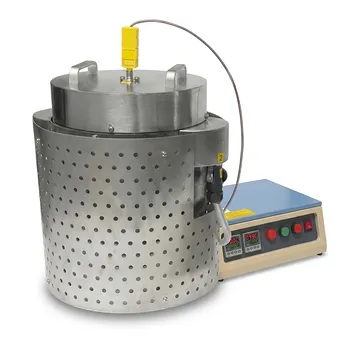
Vertical Crucible Furnace 1000C High Temperature Laboratory Equipment 4.7 Inch Diameter Chamber SS316 Anti Corrosive Enclosure
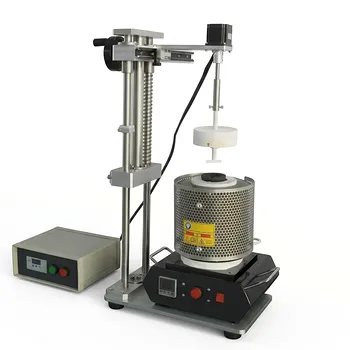
1100C Crucible Melting Furnace with Stirring Function for Glovebox and Air Sensitive Alloy Research
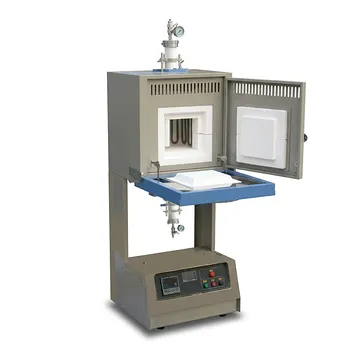
Vertical Hybrid High Temperature Furnace 1500C Alumina Tube SOFC Fuel Cell Testing Laboratory Heat Treatment Research Equipment
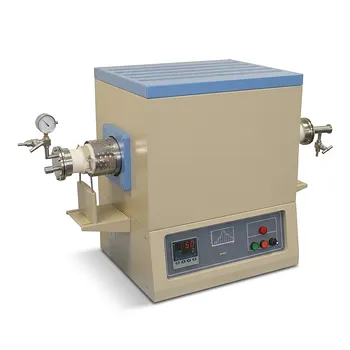
1700C High Temperature Alumina Tube Furnace with 18 Inch Heated Zone and Vacuum Sealing Flanges
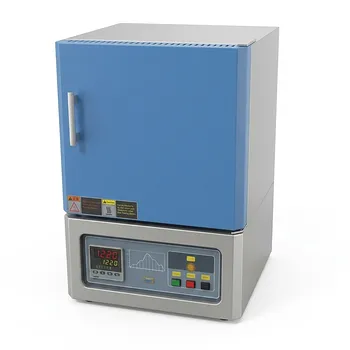
High Temperature Benchtop Muffle Furnace 1700C 10L Chamber Alumina Fiber Insulation MoSi2 Heating Elements
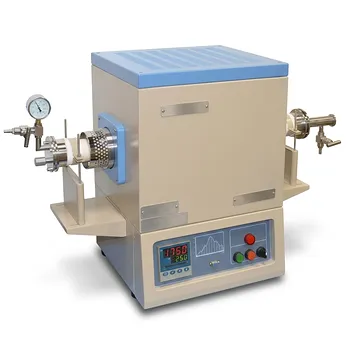
High Temperature Compact Vacuum Tube Furnace 1750C Max 60mm OD Alumina Tube
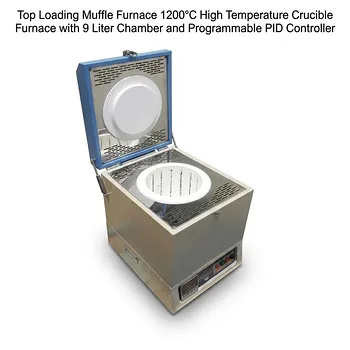
Top Loading Muffle Furnace 1200°C High Temperature Crucible Furnace with 9 Liter Chamber and Programmable PID Controller
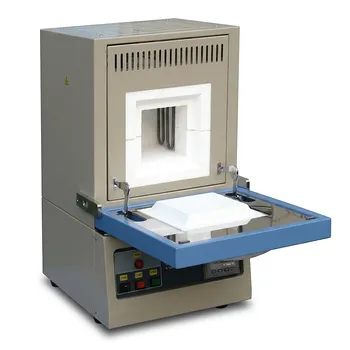
High Temperature 1800C Compact Muffle Furnace with Kanthal Super 1900 Heating Elements and 1.7L Alumina Chamber

Compact High Temperature 1600C Tube Furnace with 50mm Alumina Tube and Vacuum Flanges for Material Sintering

1800C High Temperature Compact Vacuum Tube Furnace with 60mm OD Alumina Tube and Kanthal MoSi2 Heating Elements
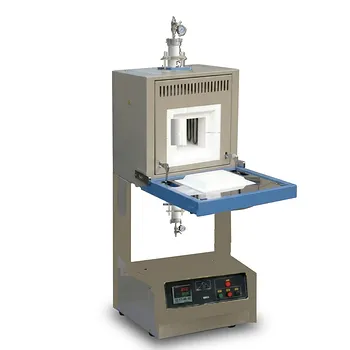
High Temperature Vertical Hybrid Furnace with Alumina Tube and SiC Heating for SOFC Coin Cell Testing and Atmosphere Processing
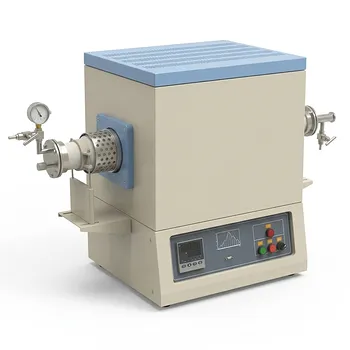
1750°C High Temperature Benchtop Vacuum Atmosphere Tube Furnace with Kanthal Super 1800 Heating Elements and 60mm Alumina Processing Tube
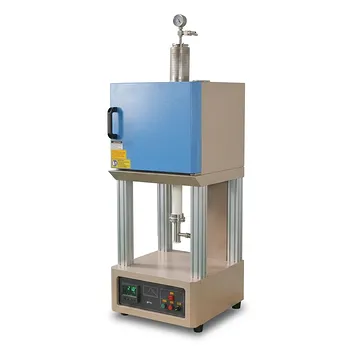
Hybrid High Temperature Tube and Box Furnace 1700C with 2 Inch Alumina Tube for Material Research
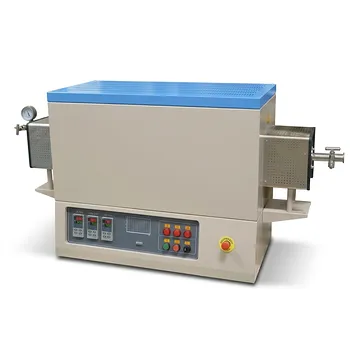
Three Zone Alumina Tube Furnace with Vacuum Flanges High Temperature 1700C Thermal Gradient CVD System
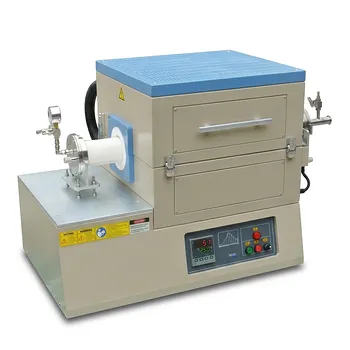
High Temperature 1700C Split Tube Furnace with Vacuum Flanges Valves and 60mm Alumina Tube