Why are high-purity alumina crucibles used for ALSZ curing? Ensure Purity & Stability in Ceramic Synthesis
Updated 3 months ago
High-purity alumina crucibles are the industry standard for the catalytic thermal curing of Acrylate-grafted Liquid Silazane (ALSZ).
These vessels are selected because they provide a unique combination of chemical inertness and thermal stability required to manage the complex transition of liquid silazane into a solid ceramic. By resisting reactions with both the silazane components and the metal catalysts used in the process, alumina ensures the final ceramic precursor remains pure and the experimental results remain repeatable.
High-purity alumina acts as a critical, non-reactive barrier that maintains the chemical integrity of ALSZ during high-temperature transformations. It ensures that the resulting ceramic product is defined by its intended molecular structure rather than contamination from the reaction vessel.
Managing Chemical Reactivity and Purity
Inertness to Metal Catalysts and Silazanes
The curing of ALSZ often involves the use of transition metal catalysts that can be highly reactive at elevated temperatures. High-purity alumina is chemically inert to these catalysts and the carbon-based components within the silazane, preventing undesired side reactions that could alter the product's chemistry.
Prevention of Sample Contamination
At temperatures exceeding 800°C, many container materials can leach impurities into the sample. Alumina’s high stability ensures that no external ions or atoms—such as active silicon or transition metals—contaminate the cured product, preserving the specific microscopic structure of the resulting material.
Ensuring Experimental Repeatability
Because alumina does not degrade or react during the curing process, it provides a consistent environment for every batch. This consistency is vital for researchers and engineers who require high-precision data and predictable phase transformations during the synthesis of ceramic precursors.
Thermal Performance and Structural Integrity
Management of Severe Temperature Gradients
During the transition from a liquid state to a solid ceramic, ALSZ undergoes significant physical changes that can create localized thermal stresses. Alumina’s high thermal conductivity allows it to distribute heat effectively, managing these gradients without cracking or failing during the sintering phase.
High-Temperature Structural Stability
High-purity alumina maintains its structural strength at temperatures often exceeding 1300°C. Unlike lower-grade materials that may soften or deform, alumina crucibles remain rigid, ensuring the reaction vessel does not collapse or bond with the sample during long-term heat treatments.
Resistance to Thermal Shock
The catalytic curing process may involve rapid heating and cooling cycles to achieve specific crystalline structures. Alumina is specifically valued for its thermal shock stability, allowing it to withstand these cycles without the risk of brittle fracture or structural degradation.
Understanding the Trade-offs
Brittleness and Handling Requirements
While alumina is exceptionally strong at high temperatures, it remains a ceramic material and is inherently brittle. It is susceptible to mechanical shock at room temperature, meaning crucibles must be handled with extreme care to avoid micro-cracks that could lead to failure under heat.
Porosity and Surface Interaction
Even "high-purity" alumina can have varying levels of surface porosity depending on the manufacturing process. In some cases, highly fluid liquid silazanes may penetrate the surface pores before curing, which can make sample recovery difficult and potentially lead to crucible "pinning" where the sample sticks to the walls.
Cost vs. Performance
High-purity alumina (typically 99% or higher) is significantly more expensive than standard laboratory glassware or lower-grade ceramics. However, using lower-purity alternatives often leads to sample poisoning, where impurities like silica or iron bleed into the reaction, rendering the final ALSZ product useless for high-performance applications.
How to Apply This to Your Project
Making the Best Choice for Your Goal
Choosing the right reaction vessel depends on your specific temperature targets and the sensitivity of your ALSZ formulation.
- If your primary focus is absolute chemical purity: Use 99.7% or higher high-purity alumina to eliminate the risk of trace metal contamination.
- If your primary focus is high-volume thermal cycling: Ensure your alumina crucibles are thin-walled to better accommodate rapid expansion and contraction.
- If your primary focus is cost-effective prototyping: Consider quartz tubes for lower-temperature phases (below 1100°C), but switch to alumina for the final high-temperature sintering.
Selecting high-purity alumina ensures that your final ceramic material achieves its full theoretical performance without interference from its environment.
Summary Table:
| Feature | Advantage for ALSZ Curing | Technical Context |
|---|---|---|
| Chemical Inertness | Prevents sample contamination | Resists transition metal catalysts and silazanes |
| Thermal Stability | Maintains structural integrity | Rated for continuous use at 1300°C+ |
| Heat Conductivity | Ensures uniform thermal curing | Effectively manages localized temperature gradients |
| High Purity | Guaranteed repeatable results | Prevents leaching of silica or iron impurities |
| Thermal Shock Resistance | Supports rapid cycling | Withstands specific phase transformation cycles |
Optimize Your High-Temperature Research with THERMUNITS
Achieving precision in ALSZ curing and advanced material synthesis requires a reliable and controlled thermal environment. THERMUNITS is a leading manufacturer of high-performance thermal processing solutions designed specifically for material science and industrial R&D.
From Muffle, Vacuum, and Atmosphere furnaces to advanced CVD/PECVD systems and Vacuum Induction Melting (VIM) furnaces, we provide the precision equipment necessary for repeatable, high-purity results. Our comprehensive range also includes Tube, Rotary, and Hot Press furnaces, ensuring we have the right solution for your specific heat treatment challenges.
Ready to upgrade your laboratory’s capabilities?
Contact THERMUNITS Today to explore our full range of laboratory furnaces and thermal elements. Let our experts help you find the perfect system for your high-temperature applications.
References
- Keke Pei, Mingjie Liu. Catalytic Thermocuring and Synergistic Photothermocuring of Single-Component Acrylate-Grafted Liquid Oligosilazanes. DOI: 10.1021/acsomega.4c02018
Mentioned Products
- High Temperature 1700C Benchtop Tube Furnace with 5 Inch Heating Zone High Purity Alumina Tube and Vacuum Sealing Flanges
- 600°C Vertical Crucible Furnace with SS316 Alloy Reactor and 6 Port Vacuum Flange
- 1100C High Temperature Vacuum Crucible Furnace with Quartz Chamber for Thermal Processing and Sintering
- High Temperature Vertical Crucible Furnace with 22L Heating Chamber and 1200C Maximum Temperature
- Vertical Crucible Furnace 1000C High Temperature Laboratory Equipment 4.7 Inch Diameter Chamber SS316 Anti Corrosive Enclosure
People Also Ask
- How are high-temperature tube furnaces utilized to repair etching damage? Precision Lattice Restoration Solutions
- What is the function of a high-temperature tube furnace in the synthesis of g-C3N4? Optimize Thermal Polycondensation
- What is the role of a high-temperature tube furnace in the calcination process of ZnO/In2O3 nanocomposites?
- What impact does the heating rate of a tube furnace have on biochar microstructure? Optimize Your Material R&D.
- Conditions for nZVI Synthesis in Tube Furnaces? Learn to Optimize Thermal and Atmospheric Control for High Purity.

Tech Team · ThermUnits
Last updated on Jun 03, 2026
Related Products

High Temperature 1700C Benchtop Tube Furnace with 5 Inch Heating Zone High Purity Alumina Tube and Vacuum Sealing Flanges
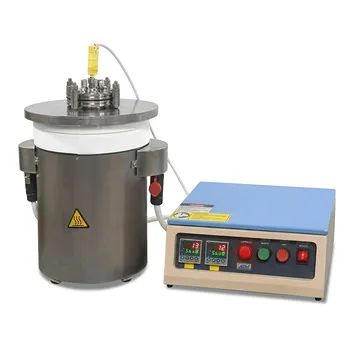
600°C Vertical Crucible Furnace with SS316 Alloy Reactor and 6 Port Vacuum Flange
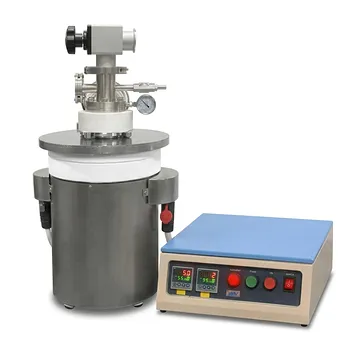
1100C High Temperature Vacuum Crucible Furnace with Quartz Chamber for Thermal Processing and Sintering
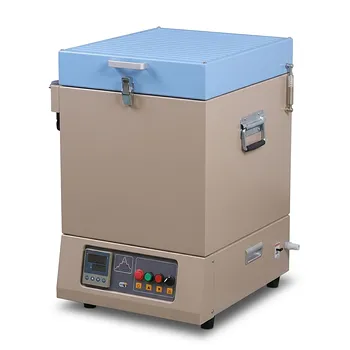
High Temperature Vertical Crucible Furnace with 22L Heating Chamber and 1200C Maximum Temperature
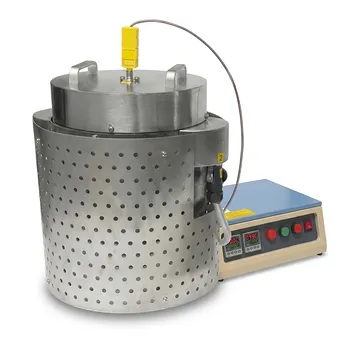
Vertical Crucible Furnace 1000C High Temperature Laboratory Equipment 4.7 Inch Diameter Chamber SS316 Anti Corrosive Enclosure
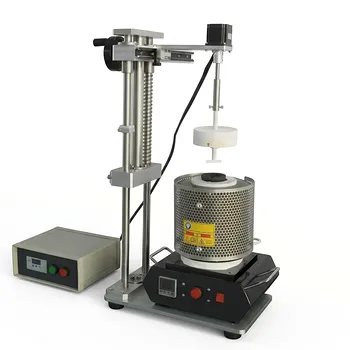
1100C Crucible Melting Furnace with Stirring Function for Glovebox and Air Sensitive Alloy Research
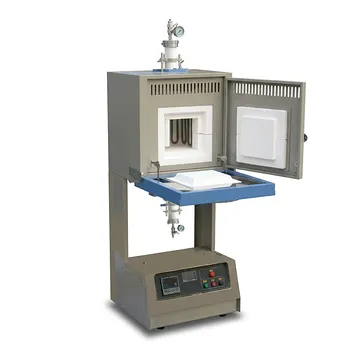
Vertical Hybrid High Temperature Furnace 1500C Alumina Tube SOFC Fuel Cell Testing Laboratory Heat Treatment Research Equipment

1700C High Temperature Alumina Tube Furnace with 18 Inch Heated Zone and Vacuum Sealing Flanges
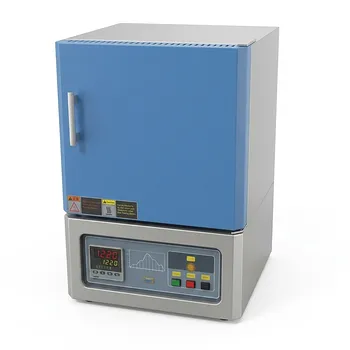
High Temperature Benchtop Muffle Furnace 1700C 10L Chamber Alumina Fiber Insulation MoSi2 Heating Elements
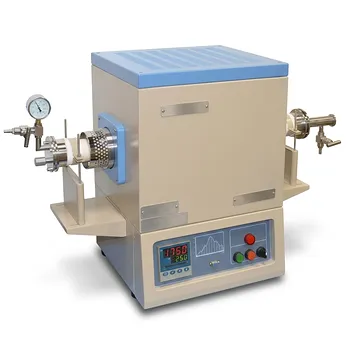
High Temperature Compact Vacuum Tube Furnace 1750C Max 60mm OD Alumina Tube
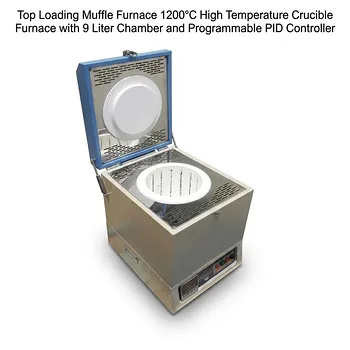
Top Loading Muffle Furnace 1200°C High Temperature Crucible Furnace with 9 Liter Chamber and Programmable PID Controller
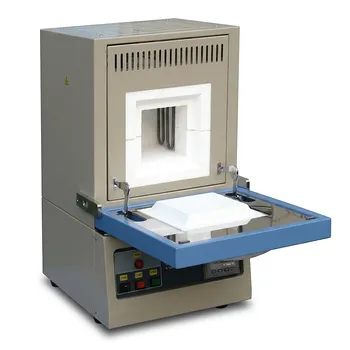
High Temperature 1800C Compact Muffle Furnace with Kanthal Super 1900 Heating Elements and 1.7L Alumina Chamber

Compact High Temperature 1600C Tube Furnace with 50mm Alumina Tube and Vacuum Flanges for Material Sintering

1800C High Temperature Compact Vacuum Tube Furnace with 60mm OD Alumina Tube and Kanthal MoSi2 Heating Elements
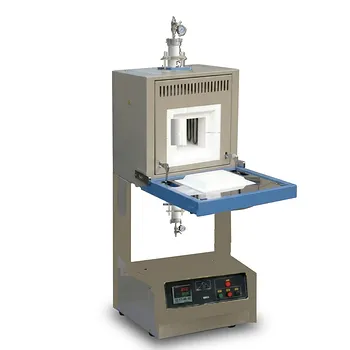
High Temperature Vertical Hybrid Furnace with Alumina Tube and SiC Heating for SOFC Coin Cell Testing and Atmosphere Processing

1750°C High Temperature Benchtop Vacuum Atmosphere Tube Furnace with Kanthal Super 1800 Heating Elements and 60mm Alumina Processing Tube
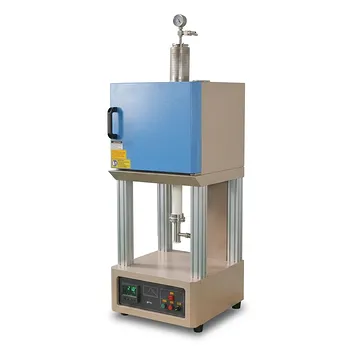
Hybrid High Temperature Tube and Box Furnace 1700C with 2 Inch Alumina Tube for Material Research
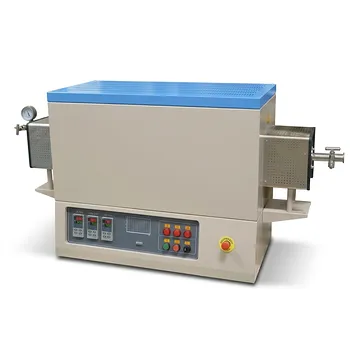
Three Zone Alumina Tube Furnace with Vacuum Flanges High Temperature 1700C Thermal Gradient CVD System
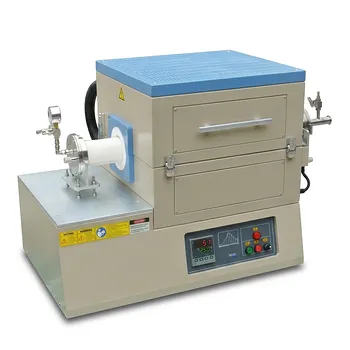
High Temperature 1700C Split Tube Furnace with Vacuum Flanges Valves and 60mm Alumina Tube