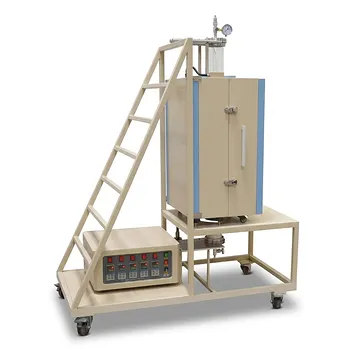
Why are high vacuum sealed quartz ampoules required for the synthesis of van der Waals chalcogenides? Purity & Control.
Updated 3 months ago
The necessity of high vacuum sealed quartz ampoules lies in their dual role as a protective barrier and a stoichiometric regulator. High-temperature synthesis of chalcogenides like Mn₂Ga₂S₅ and Mn₂Al₂Se₅ requires these ampoules to eliminate oxygen and moisture, which would otherwise cause the reactive metal precursors—specifically aluminum and manganese—to undergo oxidation or hydrolysis. Furthermore, the sealed environment prevents the escape of volatile elements like sulfur and selenium, ensuring the final material maintains its precise chemical ratio and phase purity.
High vacuum sealed quartz ampoules provide a chemically inert, hermetically sealed environment that is essential for preventing precursor degradation and maintaining the strict stoichiometric ratios required for high-quality van der Waals crystals.
Preventing Oxidation and Hydrolysis of Reactive Metals
The Vulnerability of Manganese and Aluminum
At the high temperatures required for synthesis (e.g., 1173 K), metals such as manganese and aluminum become extremely reactive. In the presence of even trace amounts of oxygen or water vapor, these precursors will form stable oxides or hydroxides instead of the desired chalcogenide phase.
Creating an Oxygen-Free Atmosphere
The high vacuum process physically removes air and moisture from the reaction vessel before it is sealed. This isolation is critical for ensuring that the chemical potential of the system is directed solely toward the formation of the Mn-Ga-S or Mn-Al-Se bonds rather than competing oxidative reactions.
Maintaining Phase Purity
By eliminating external contaminants, the quartz ampoule ensures that no secondary oxide phases are present in the final product. This is vital for van der Waals materials, where the presence of impurities can disrupt the layered crystal structure and degrade the material's physical properties.
Ensuring Stoichiometric Precision
Containing Volatile Chalcogens
Sulfur (S) and selenium (Se) have high vapor pressures and tend to volatilize long before the metal precursors reach their reaction temperatures. A sealed quartz tube acts as a pressure vessel that traps these vapors, forcing them to remain in contact with the metals to complete the reaction.
Achieving Vapor Pressure Equilibrium
The vacuum environment within the sealed tube helps establish a stable vapor pressure equilibrium. This equilibrium is a fundamental requirement for the growth of high-quality crystals and ensures that the final atomic ratio matches the initial loading of raw materials.
Long-Duration Thermal Stability
Synthesizing these compounds often requires reaction periods exceeding 200 hours. High-purity quartz maintains its structural integrity and vacuum seal at elevated temperatures, preventing the gradual loss of volatile components over these extended durations.
Understanding the Trade-offs and Risks
Pressure-Induced Ampoule Failure
The primary risk in this method is the buildup of internal vapor pressure from sulfur or selenium, which can lead to ampoule explosions. Careful calculation of the "free volume" inside the tube is necessary to ensure the quartz can withstand the internal stress at peak temperatures.
Quartz Reactivity Limits
While quartz is generally inert, it can react with certain aggressive fluxes or highly basic precursors at temperatures exceeding 1200 °C. For materials like Mn₂Al₂Se₅, the synthesis must be carefully calibrated to stay within the thermal and chemical stability limits of the silica glass.
Vacuum Quality Requirements
A "low" vacuum is often insufficient to prevent the formation of microscopic oxide seeds. Achieving a high vacuum (typically 10⁻³ to 10⁻⁵ Torr) is a technical requirement that adds complexity to the experimental setup but is non-negotiable for producing research-grade chalcogenide crystals.
How to Apply This to Your Synthesis
Making the Right Choice for Your Goal
- If your primary focus is phase purity: Ensure you use a high-vacuum diffusion pump or turbo pump system to reach at least 10⁻⁴ Torr before sealing the ampoule.
- If your primary focus is stoichiometric accuracy: Accurately calculate the volume of the ampoule relative to the mass of the chalcogen to manage internal vapor pressure and prevent material loss.
- If your primary focus is single-crystal growth: Use high-purity (99.999%+) quartz to minimize the risk of the container wall acting as a nucleation site for unwanted secondary phases.
By mastering the vacuum encapsulation process, you secure the chemical environment necessary to transform raw elemental powders into high-performance van der Waals semiconductors.
Summary Table:
| Function | Impact on Material | Technical Requirement |
|---|---|---|
| Oxidation Prevention | Protects reactive Mn & Al precursors | High Vacuum ($10^{-3}$ to $10^{-5}$ Torr) |
| Volatile Containment | Prevents escape of S and Se vapors | Hermetically Sealed Quartz Tube |
| Thermal Stability | Maintains integrity for >200h reactions | High-Purity Quartz Glass |
| Stoichiometry | Ensures exact atomic ratios and phase purity | Precise "Free Volume" Calculation |
Elevate Your Material Synthesis with THERMUNITS
Achieving research-grade chalcogenide crystals like Mn₂Ga₂S₅ and Mn₂Al₂Se₅ requires precise thermal control and reliable vacuum environments. THERMUNITS is a leading manufacturer of high-temperature laboratory equipment tailored for material science and industrial R&D.
We provide a comprehensive range of thermal processing solutions to support your synthesis, including:
- Tube & Vacuum Furnaces ideal for quartz ampoule sealing and long-duration reactions.
- Muffle, Atmosphere, and Rotary Furnaces for versatile heat treatment.
- CVD/PECVD Systems, Hot Press Furnaces, and Vacuum Induction Melting (VIM).
- Dental Furnaces, Electric Rotary Kilns, and high-quality Thermal Elements.
Ensure stoichiometric precision and phase purity in your layered crystal growth. Contact THERMUNITS today to find the perfect thermal solution for your lab!
References
- Ivan V. Chernoukhov, Valeriy Yu. Verchenko. Mn2Ga2S5 and Mn2Al2Se5 van der Waals Chalcogenides: A Source of Atomically Thin Nanomaterials. DOI: 10.3390/molecules29092026
Mentioned Products
- Compact Vertical Split Quartz Tube Furnace with Stainless Steel Vacuum Flanges for Rapid Thermal Quenching and Controlled Atmosphere Material Processing
- 1100°C High Temperature Quartz Chamber Furnace 8 Inch OD with 7.6 Liter Capacity and Vacuum Atmosphere Capability
- High Temperature 1200C Split Tube Furnace with Hinged Vacuum Flanges and 4 Inch Quartz Tube for Laboratory Research
- Bottom Loading Vacuum Furnace 1200C Rapid Cooling Atmosphere Control Quartz Chamber
- 1200°C 5 Inch Vertical Quartz Tube Furnace with Stainless Steel Vacuum Flanges
People Also Ask
- Why integrate a vertical split tube furnace with hydraulic loading for HSECC? Essential for In-Situ Fire Simulation.
- What is the role of a split vertical tube furnace during flash sintering of 8YSZ and 20SDC? Master Ultra-Fast R&D
- What is the primary engineering purpose for using a customized ventilation hood when operating a split tube furnace? RCF Safety
- Why is a quartz tube furnace necessary for phosphorus-doped MoS2/GO preparation? Ensure Purity & Precise Synthesis
- What is the primary function of a Quartz Tube Furnace in ZnO VLS growth? Master High-Precision Nanowire Synthesis

Tech Team · ThermUnits
Last updated on Jun 03, 2026
Related Products
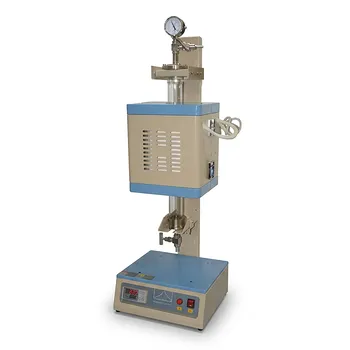
Compact Vertical Split Quartz Tube Furnace with Stainless Steel Vacuum Flanges for Rapid Thermal Quenching and Controlled Atmosphere Material Processing
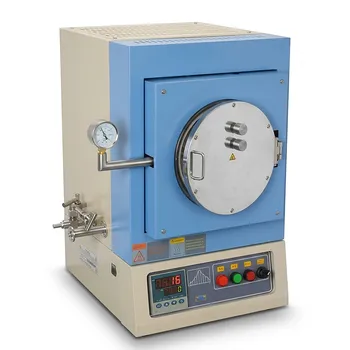
1100°C High Temperature Quartz Chamber Furnace 8 Inch OD with 7.6 Liter Capacity and Vacuum Atmosphere Capability
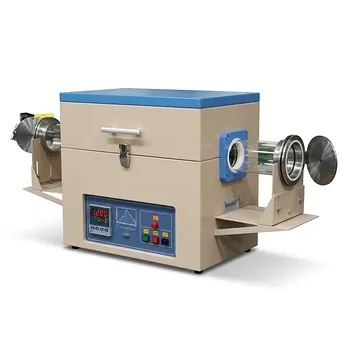
High Temperature 1200C Split Tube Furnace with Hinged Vacuum Flanges and 4 Inch Quartz Tube for Laboratory Research
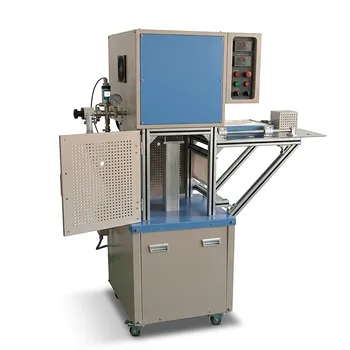
Bottom Loading Vacuum Furnace 1200C Rapid Cooling Atmosphere Control Quartz Chamber
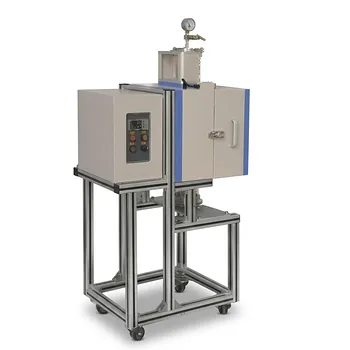
1200°C 5 Inch Vertical Quartz Tube Furnace with Stainless Steel Vacuum Flanges
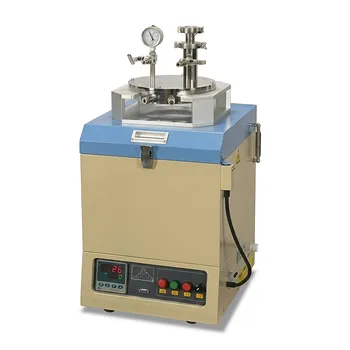
Vertical Vacuum Furnace 1100C High Temperature 8 Inch Quartz Chamber Water Cold Flange System
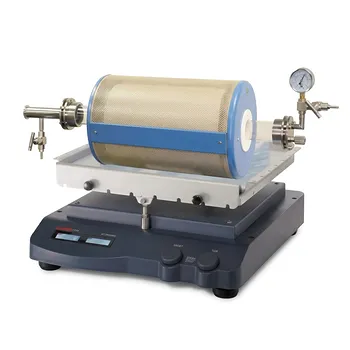
High Temperature Rocking Tube Furnace with Quartz Tube and Vacuum Flange for Materials Synthesis
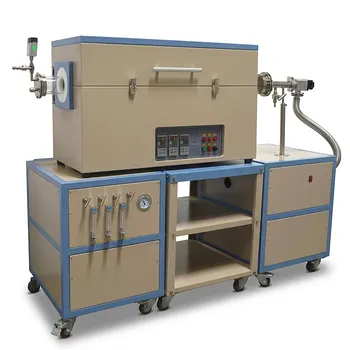
Three Zone Quartz Tube Furnace with 3 Channel Gas Mixer Vacuum Pump and Anti Corrosive Vacuum Gauge
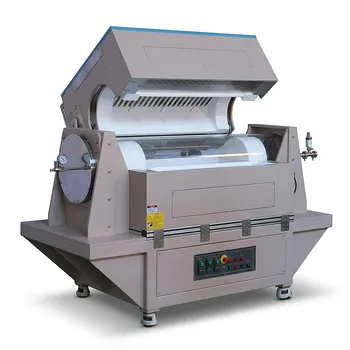
Three Zone Tube Furnace with 11 Inch or 15 Inch Quartz Tube and Hinged Flanges for Vacuum Atmosphere Heat Treatment
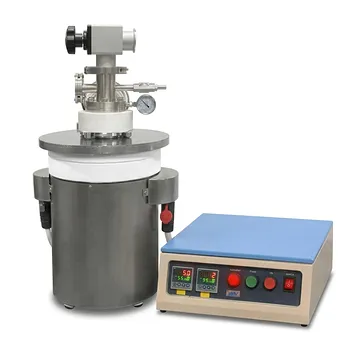
1100C High Temperature Vacuum Crucible Furnace with Quartz Chamber for Thermal Processing and Sintering
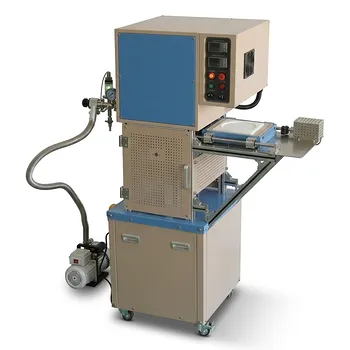
1200°C Bottom Loading Vacuum Furnace with Rapid Gas Cooling and 8.6 Inch Diameter Quartz Chamber
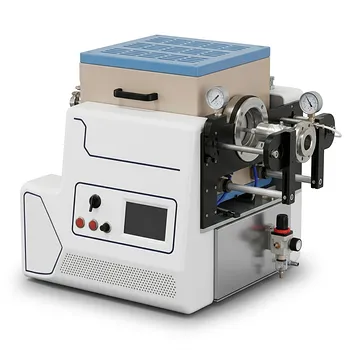
High Temperature Automated 5 Inch Tube Furnace for Autonomous Material Research and Advanced Laboratory R&D