Why are PID controllers and high-precision thermocouples required for temperature monitoring? Ensure ±1 K Precision
Updated 3 months ago
PID controllers and high-precision thermocouples are required in high-temperature smelting because they form a closed-loop feedback system that minimizes temperature fluctuations. This precision is critical because smelting characteristics—such as phase equilibrium relationships, liquidus temperatures, and metal distribution coefficients—are extremely sensitive to even minor thermal variations.
Core Takeaway: To obtain reliable thermodynamic data and maintain consistent reaction kinetics, smelting experiments demand a hardware-software synergy that stabilizes heat output within narrow tolerances, often as tight as ±1 K.
The Mechanics of Closed-Loop Control
Precision Power Regulation
A PID (Proportional-Integral-Derivative) controller acts as the "brain" of the smelting furnace, constantly calculating the difference between the desired setpoint and the actual temperature. It adjusts the power output to the heating elements in real-time, preventing the "undershoot" and "overshoot" common in simpler control systems.
Real-Time Feedback Processing
The thermocouple functions as the "nervous system," providing the constant stream of electrical signals the PID unit needs to make adjustments. This continuous loop ensures that the furnace responds immediately to external disturbances, such as the introduction of new material or changes in ambient conditions.
Maintaining Isothermal Conditions
High-precision systems are capable of maintaining temperatures within a ±1 K tolerance. This level of stability is a prerequisite for ensuring that experimental measurements align with thermodynamic model predictions rather than being artifacts of temperature drift.
Navigating High-Temperature Environments
Material Selection for Heat Resistance
Smelting experiments often exceed 1500°C, necessitating specialized sensors like Type B or S-type platinum-rhodium thermocouples. These materials offer the long-term stability and chemical inertness required to survive extreme industrial and laboratory environments.
Protection via Alumina Sheathing
To prevent the melt from destroying the sensor, thermocouples are often housed in alumina-sheathed tubes. These provide essential refractory protection and ensure the sensor remains chemically isolated from the slag or matte while accurately sensing the temperature.
Monitoring Endothermic and Exothermic Transitions
Dual-thermocouple setups allow researchers to monitor both the furnace chamber and the internal material layer. This is vital for identifying the end of a temperature plateau in reactions like limestone decomposition, which signals the completion of a process and prevents over-calcination.
The Scientific Necessity of Precision
Impact on Thermodynamic Data
Key parameters like apparent activation energy and equilibrium constants are calculated based on temperature. Even a small error in temperature measurement can lead to significant inaccuracies in the resulting thermodynamic and kinetic data.
Sensitivity of Chemical Reactions
In processes like nickel slag cleaning or battery recycling, the reaction kinetics are highly sensitive to thermal energy. Precise control ensures consistency in the extent of reduction reactions and prevents the degradation of the final product’s physicochemical properties.
Preventing Equipment and Product Damage
Excessive heat can result in localized overheating, leading to "coking" in binder pitch oxidation or catastrophic failure of the furnace's refractory lining. High-precision monitoring provides a safety buffer that prevents temperatures from reaching levels that cause equipment damage.
Understanding the Trade-offs
Accuracy vs. Sensor Longevity
While Type B and S thermocouples provide high accuracy, they are expensive and can become brittle over time at extreme temperatures. Researchers must balance the need for high-precision data with the replacement costs associated with sensor degradation in corrosive melt environments.
Complexity of PID Tuning
A PID controller is only as effective as its tuning; poorly configured parameters can lead to oscillation, where the temperature swings wildly around the setpoint. Achieving a stable ±1 K range requires precise calibration of the proportional, integral, and derivative gains specific to the furnace's thermal mass.
Response Lag in Protected Sensors
While alumina sheaths protect the thermocouple, they also introduce a thermal lag. This delay between a temperature change in the melt and the sensor's reaction can make real-time control more difficult if the PID logic does not account for the insulation properties of the sheath.
How to Apply This to Your Smelting Project
Choosing the Right Monitoring Strategy
- If your primary focus is Thermodynamic Modeling: Utilize Type B platinum-rhodium thermocouples with a high-precision PID unit to maintain a strict ±1 K isothermal environment.
- If your primary focus is Industrial Scale-Up (0-1200°C): Use K-type thermocouples for their cost-effectiveness and reliability in detecting fluctuations within a ±2.5°C margin.
- If your primary focus is Chemical Decomposition: Deploy dual-thermocouple monitoring—one for the heating system and one for the material layer—to pinpoint exactly when endothermic plateaus end.
Successfully capturing high-temperature data relies on the seamless integration of rugged sensor hardware and intelligent control logic.
Summary Table:
| Component | Primary Function | Key Benefit for Smelting |
|---|---|---|
| PID Controller | Closed-loop power regulation | Eliminates overshoot; maintains stable isothermal states. |
| High-Precision Thermocouple | Real-time thermal feedback | Provides accurate data (up to 1500°C+) for kinetic modeling. |
| Alumina Sheathing | Refractory sensor protection | Prevents chemical corrosion and sensor failure in melts. |
| Integrated System | Hardware-software synergy | Achieves ±1 K tolerances required for reliable R&D results. |
Optimize Your Thermal Precision with THERMUNITS
In high-temperature material science and industrial R&D, even a 1-degree fluctuation can compromise your thermodynamic data. THERMUNITS is a leading manufacturer dedicated to delivering the stability your research demands.
We offer a comprehensive range of high-performance thermal processing solutions, including:
- Advanced Furnaces: Muffle, Vacuum, Atmosphere, Tube, Rotary, and Hot Press models.
- Specialized Systems: CVD/PECVD, Dental Furnaces, Electric Rotary Kilns, and Vacuum Induction Melting (VIM) furnaces.
- Precision Components: High-stability thermal elements and specialized laboratory heat treatment equipment.
Whether you are refining battery recycling processes or calculating activation energies, our equipment provides the ±1 K precision your project requires.
Ready to elevate your lab's performance?
Contact our technical experts today to find the perfect high-precision solution for your smelting and heat treatment needs.
References
- Miao Tian, Xueyi Guo. Multiphase Equilibrium Relationships between Copper Matte and CaO-Al2O3-Bearing Iron Silicate Slags in Combined Smelting of WEEE and Copper Concentrates. DOI: 10.3390/su16020890
Mentioned Products
- High Temperature Muffle Furnace with Alloy Chamber for Debinding and Sintering Applications
- High Temperature 1500C Benchtop Muffle Furnace 3.6L Alumina Fiber Chamber Programmable Controller Sintering Annealing Carbonization Thermal Processing System
- Large Bench Top 1700C High Temperature Muffle Furnace with 19L Chamber for Advanced Material Sintering and Annealing
- High Temperature 1700C Bench Top Muffle Furnace with Alumina Fiber Insulation and 3.6L Chamber Capacity for Precision Sintering and Heat Treatment
- High Temperature Compact Muffle Furnace 1700 C with 30 Segment Programmable Controller and 1.7L Cubic Chamber
People Also Ask
- What role does a high-temperature muffle furnace play in evaluating the mineral composition of rock samples? LOI & XRF Guide
- What role does a high-temperature muffle furnace play in the synthesis of Melem precursors? Precision Polymerization.
- What is the purpose of using muffle or tube furnaces in glass synthesis? Achieve Precise Melt-Quenching & Homogeneity
- Why is annealing in a high-temperature muffle furnace necessary for SiO2/Si substrate pretreatment before monolayer WS2 synthesis?
- What is the role of a high-temperature muffle furnace in the synthesis of graphitic carbon nitride (g-C3N4)? - Guide

Tech Team · ThermUnits
Last updated on Jun 03, 2026
Related Products
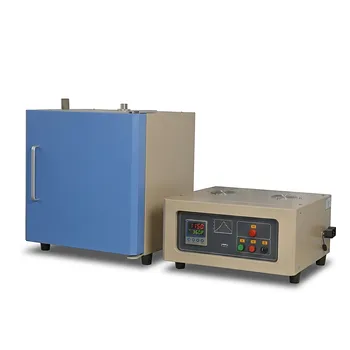
High Temperature Muffle Furnace with Alloy Chamber for Debinding and Sintering Applications
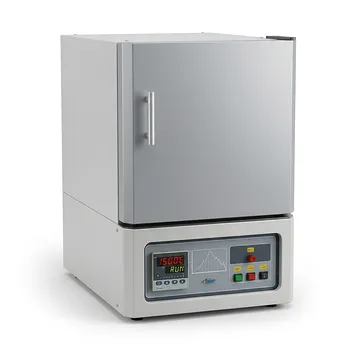
High Temperature 1500C Benchtop Muffle Furnace 3.6L Alumina Fiber Chamber Programmable Controller Sintering Annealing Carbonization Thermal Processing System
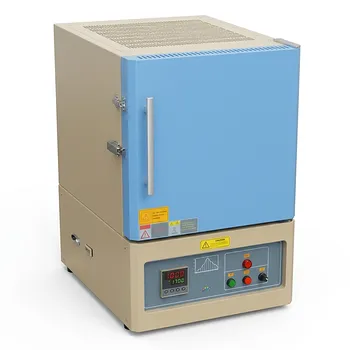
Large Bench Top 1700C High Temperature Muffle Furnace with 19L Chamber for Advanced Material Sintering and Annealing
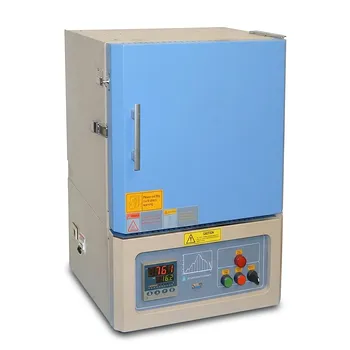
High Temperature 1700C Bench Top Muffle Furnace with Alumina Fiber Insulation and 3.6L Chamber Capacity for Precision Sintering and Heat Treatment
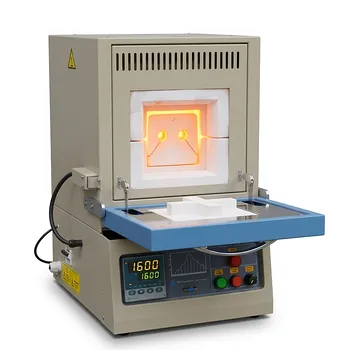
High Temperature Compact Muffle Furnace 1700 C with 30 Segment Programmable Controller and 1.7L Cubic Chamber
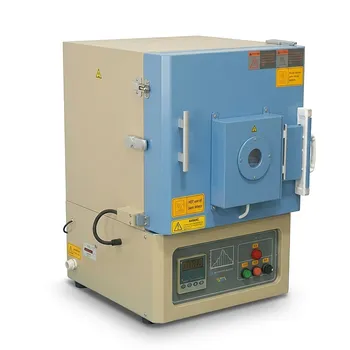
High Temperature Benchtop Muffle Furnace 1500C with 3.6L Chamber and Quartz Observation Window
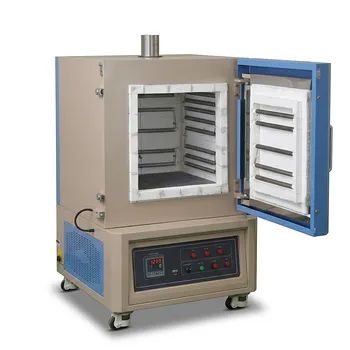
1200C High Temperature 125L Muffle Furnace 5 Side Heating for Large Batch Sintering with Optional Alloy Debinding Chamber
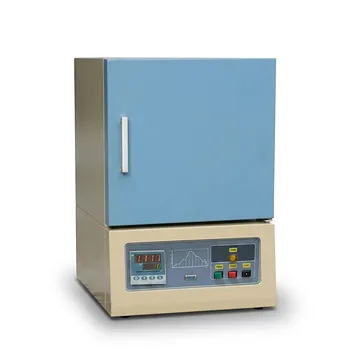
Ultra High Temperature Bench Top Muffle Furnace 1750C Sintering System with Kanthal Super Heating Elements and Precision Digital Control
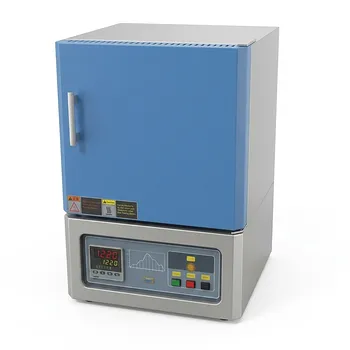
High Temperature Benchtop Muffle Furnace 1700C 10L Chamber Alumina Fiber Insulation MoSi2 Heating Elements
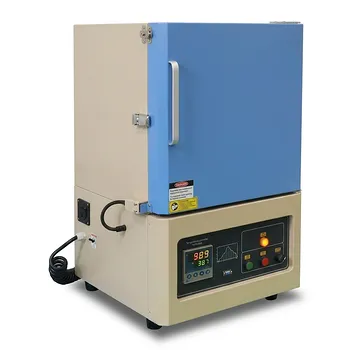
1200°C High Temperature Muffle Furnace 19L Chamber with 50 Segment Programmable Controller
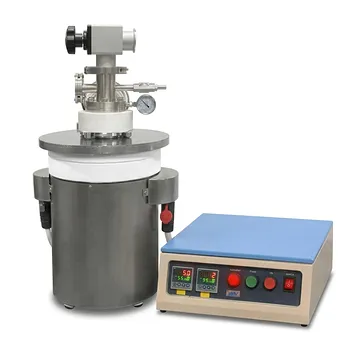
1100C High Temperature Vacuum Crucible Furnace with Quartz Chamber for Thermal Processing and Sintering

High Temperature 1700C Tube Furnace with High Vacuum Turbomolecular Pump System and Multi Channel Mass Flow Controller Gas Mixer

High Temperature Tube Furnace 1500C with Sliding Flanges and 50mm OD for Rapid Thermal Processing Fast Heating and Cooling
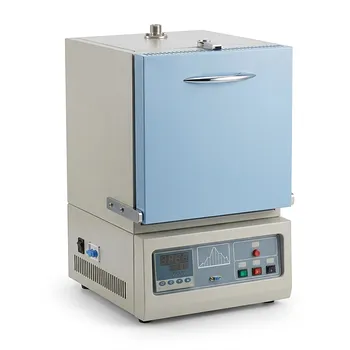
1750C Compact Muffle Furnace 1.7L Ultra High Temperature Laboratory Sintering System for Advanced Ceramics and Material Science Research
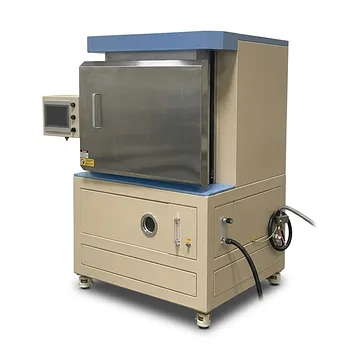
1650C High Temperature Atmosphere Controlled Box Furnace with 65L Chamber for Advanced Material Sintering and Industrial Heat Treatment
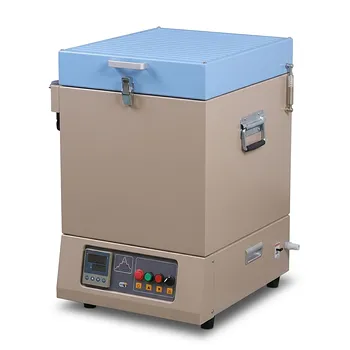
High Temperature Vertical Crucible Furnace with 22L Heating Chamber and 1200C Maximum Temperature
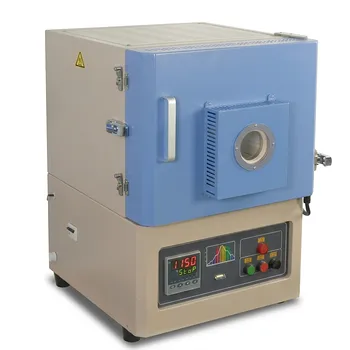
High Temperature Benchtop Muffle Furnace with Quartz Observation Window for Thermal Imaging and Material Analysis
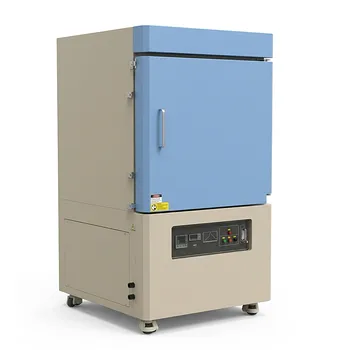
Industrial Large Box Furnace 1700C 216L High Temp Muffle Sintering System
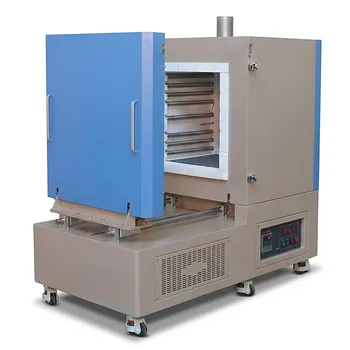
1200C Five Side Heating Muffle Furnace with Sliding Door 125L Volume High Temperature Heat Treatment System for Large Scale Sintering and Annealing