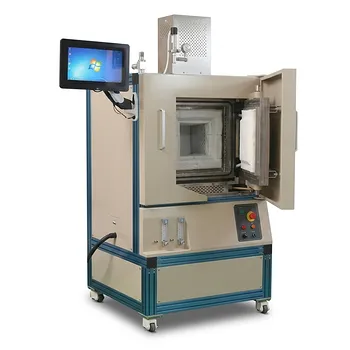
Why is a continuous and stable nitrogen flow essential during the sintering of AlN nanofibers? Ensure Material Purity.
Updated 3 months ago
A continuous and stable nitrogen flow is the critical catalyst and guardian of the sintering process for Aluminum Nitride (AlN) nanofibers. This flow provides the essential nitrogen atoms required for the chemical synthesis of AlN while simultaneously purging the furnace of oxygen to prevent destructive oxidation. By maintaining a specific flow rate (typically 3.5 to 6.0 l/min), it also regulates the final grain size and ensures chemical equilibrium by flushing out volatile byproducts.
Core Takeaway: Nitrogen serves a dual role as both a primary reactant and a protective atmosphere. Without a stable flow, the nanofibers would suffer from oxygen contamination, stunted chemical conversion, and poor structural density.
The Dual Role of Nitrogen in Chemical Synthesis
Providing the Essential Reaction Source
In the production of Aluminum Nitride, nitrogen is not merely a background gas; it is a primary reactant. A continuous flow ensures a constant supply of nitrogen atoms to the reaction site, which is necessary to convert the precursor material into its final nitride form.
Shifting Chemical Equilibrium
As the sintering process progresses, various volatile byproducts are generated. A stable nitrogen flow effectively flushes these gases away, preventing them from lingering in the chamber and shifting the chemical equilibrium toward the desired production of Aluminum Nitride.
Regulating Nanofiber Grain Size
The rate of gas flow directly impacts the microstructural development of the fibers. By maintaining a flow between 3.5 and 6.0 l/min, technicians can precisely control the grain size of the nanofibers, which is vital for achieving specific thermal and mechanical properties.
Atmospheric Protection and Purity
Prevention of High-Temperature Oxidation
Aluminum is highly reactive to oxygen, especially at the elevated temperatures required for sintering. The nitrogen flow acts as a protective shield, displacing oxygen within the furnace chamber to prevent the material from undergoing oxidative combustion or "ashing."
Disrupting Surface Oxide Films
For high-density sintering to occur, the thin oxide films that naturally form on aluminum surfaces must be managed. A high-purity nitrogen environment maintains an ultra-low oxygen partial pressure, which facilitates the disruption of these films and allows for better atomic diffusion between particles.
Protecting Equipment and Porosity
Beyond the material itself, the nitrogen flow protects the furnace hardware from corrosive byproducts. Additionally, by removing these gaseous byproducts promptly, the nitrogen prevents them from re-depositing into the pores of the material, ensuring the final product maintains its intended porosity and permeability.
Understanding the Trade-offs and Risks
The Risk of Insufficient Flow
If the nitrogen flow is too low or becomes unstable, oxygen can seep into the chamber, leading to oxidation and loss of conductivity. Furthermore, stagnant byproduct gases can halt the reaction prematurely or cause secondary deposition that ruins the surface of the nanofibers.
The Consequences of Excessive Flow
While higher flow rates help remove impurities, an excessively high flow can lead to thermal instability within the furnace. Rapid gas movement may cool the material unevenly, leading to internal stresses or inconsistent grain growth across the nanofiber batch.
Managing Nitrogen Purity
The effectiveness of the process is entirely dependent on the purity of the gas. Even minor traces of moisture or oxygen within the nitrogen supply can result in the formation of alumina (Al2O3) instead of aluminum nitride, compromising the thermal conductivity of the final part.
How to Optimize Nitrogen Flow for Your Process
Achieving the perfect sintering environment requires balancing the flow rate against the specific volume of your furnace and the mass of your precursors.
- If your primary focus is Maximum Density: Ensure an ultra-low oxygen partial pressure by using high-purity nitrogen and a steady flow to facilitate liquid-phase sintering and atomic diffusion.
- If your primary focus is Grain Size Control: Precisely calibrate your mass flow controllers to stay within the 3.5 to 6.0 l/min range to prevent overgrowth or stunted crystal development.
- If your primary focus is Equipment Longevity: Maintain a continuous flow even during the cooling phase to ensure all corrosive volatile byproducts are completely purged from the system.
A mastery of nitrogen flow dynamics is the difference between a brittle, contaminated byproduct and a high-performance Aluminum Nitride nanofiber.
Summary Table:
| Key Role | Specific Function | Impact on AlN Nanofibers |
|---|---|---|
| Primary Reactant | Provides N₂ atoms for synthesis | Ensures complete chemical conversion |
| Protective Shield | Displaces oxygen and moisture | Prevents oxidation and "ashing" |
| Equilibrium Regulator | Flushes out volatile byproducts | Maintains high purity and intended porosity |
| Microstructure Control | Regulates flow (3.5–6.0 l/min) | Optimizes grain size and thermal properties |
Elevate Your Advanced Material Synthesis with THERMUNITS
Achieving the perfect chemical equilibrium in AlN sintering requires more than just heat—it requires precision atmosphere control. THERMUNITS is a leading manufacturer of high-temperature laboratory equipment designed specifically for material science and industrial R&D.
Our comprehensive range of thermal solutions includes Atmosphere Furnaces, Vacuum & Tube Furnaces, CVD/PECVD systems, and Rotary Kilns, all engineered to provide the stable gas flow and ultra-low oxygen partial pressure your research demands. Whether you are scaling up AlN nanofiber production or perfecting a new ceramic composite, our equipment ensures repeatable, high-purity results.
Ready to optimize your thermal processing? Contact THERMUNITS today to find the perfect furnace for your lab
References
- Md. Shakhawat Hossain, Koji Nakane. Enhancing heat dissipation in polyurethane sheets through the incorporation of freeze‐dried aluminum nitride nanofiber. DOI: 10.1111/ijac.14725
Mentioned Products
- High Temperature 1500C Benchtop Muffle Furnace 3.6L Alumina Fiber Chamber Programmable Controller Sintering Annealing Carbonization Thermal Processing System
- Compact High Temperature 1600C Tube Furnace with 50mm Alumina Tube and Vacuum Flanges for Material Sintering
- 1700C Compact Hybrid Furnace with Dual Layer Box Sintering and Controlled Atmosphere Alumina Tubes
- High Temperature 1800C Compact Muffle Furnace with Kanthal Super 1900 Heating Elements and 1.7L Alumina Chamber
- 1750C Compact Muffle Furnace 1.7L Ultra High Temperature Laboratory Sintering System for Advanced Ceramics and Material Science Research
People Also Ask
- Why is annealing in a high-temperature muffle furnace necessary for SiO2/Si substrate pretreatment before monolayer WS2 synthesis?
- What is the purpose of using muffle or tube furnaces in glass synthesis? Achieve Precise Melt-Quenching & Homogeneity
- What is the role of a high-temperature muffle furnace in the synthesis of graphitic carbon nitride (g-C3N4)? - Guide
- What is the necessity of 950 °C muffle furnace for aluminate spinel supports? Achieve Phase Purity & Lattice Integration
- What is the function of a high-temp muffle furnace in Ni-V oxide synthesis? Optimize your material's performance.

Tech Team · ThermUnits
Last updated on Jun 02, 2026
Related Products
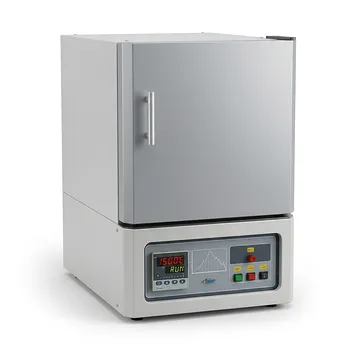
High Temperature 1500C Benchtop Muffle Furnace 3.6L Alumina Fiber Chamber Programmable Controller Sintering Annealing Carbonization Thermal Processing System

Compact High Temperature 1600C Tube Furnace with 50mm Alumina Tube and Vacuum Flanges for Material Sintering
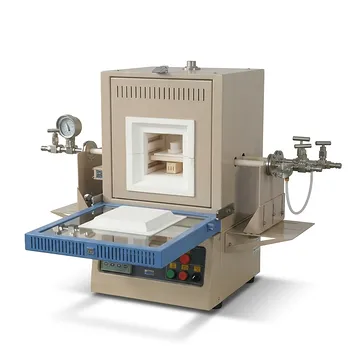
1700C Compact Hybrid Furnace with Dual Layer Box Sintering and Controlled Atmosphere Alumina Tubes
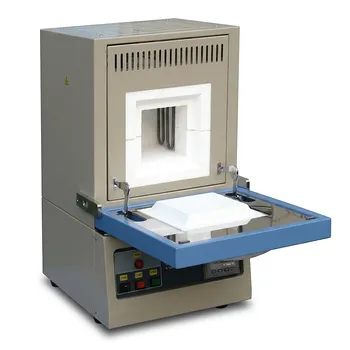
High Temperature 1800C Compact Muffle Furnace with Kanthal Super 1900 Heating Elements and 1.7L Alumina Chamber
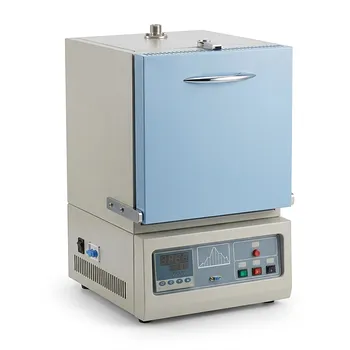
1750C Compact Muffle Furnace 1.7L Ultra High Temperature Laboratory Sintering System for Advanced Ceramics and Material Science Research
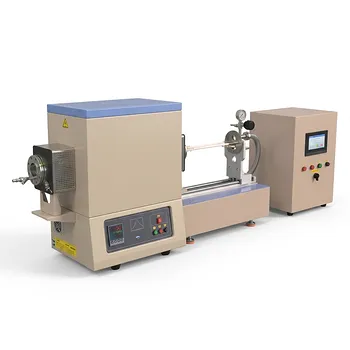
High Temperature Horizontal Electrical Assisted Sintering Furnace with 3KW Programmable Power Source for Advanced Ceramic Materials

High Temperature 1700C Vertical Tube Furnace for Powder Spherification and Material Sintering
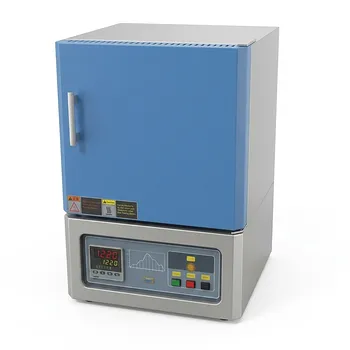
High Temperature Benchtop Muffle Furnace 1700C 10L Chamber Alumina Fiber Insulation MoSi2 Heating Elements
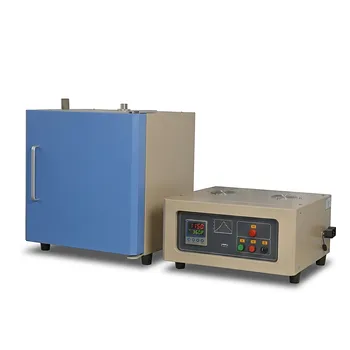
High Temperature Muffle Furnace with Alloy Chamber for Debinding and Sintering Applications
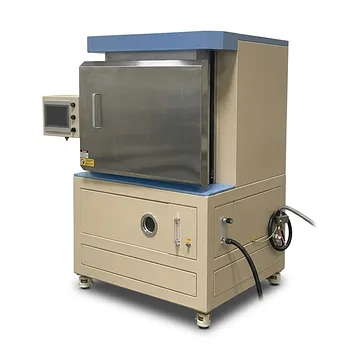
1650C High Temperature Atmosphere Controlled Box Furnace with 65L Chamber for Advanced Material Sintering and Industrial Heat Treatment
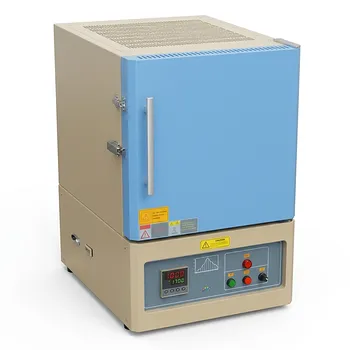
Large Bench Top 1700C High Temperature Muffle Furnace with 19L Chamber for Advanced Material Sintering and Annealing
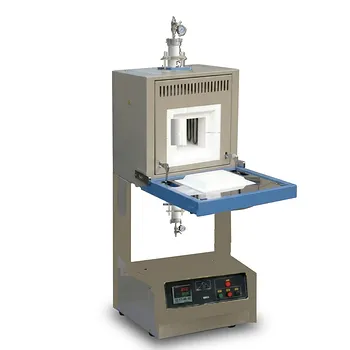
High Temperature Vertical Hybrid Furnace with Alumina Tube and SiC Heating for SOFC Coin Cell Testing and Atmosphere Processing
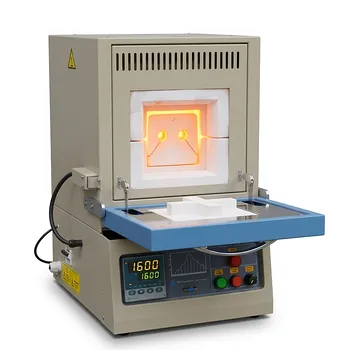
High Temperature Compact Muffle Furnace 1700 C with 30 Segment Programmable Controller and 1.7L Cubic Chamber
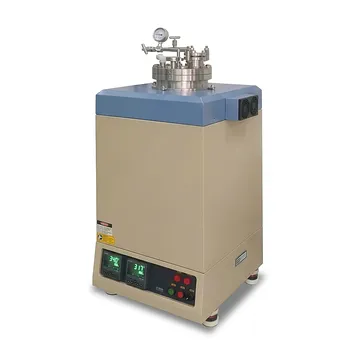
High Temperature 1000C Vacuum Furnace with 8 Inch ID Chamber for Material Sintering and Research Annealing
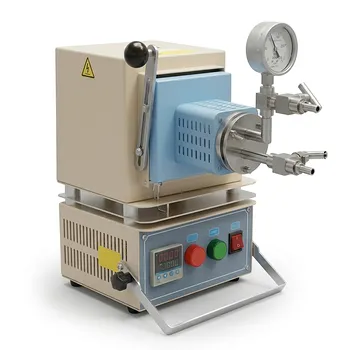
Compact Hybrid Muffle and Tube Furnace for 1000C Controlled Atmosphere Laboratory Material Sintering
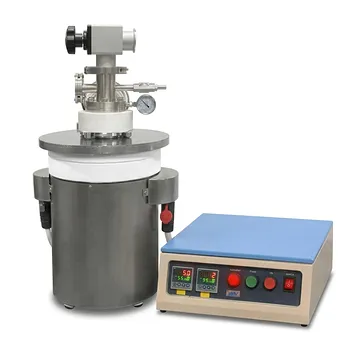
1100C High Temperature Vacuum Crucible Furnace with Quartz Chamber for Thermal Processing and Sintering
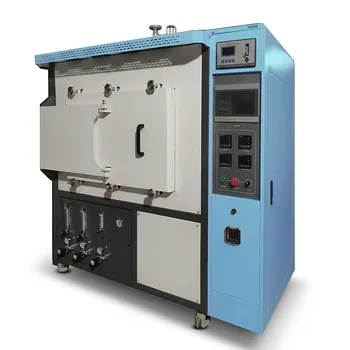
Roller Table Atmosphere Furnace 1500C High Temperature Battery Material Sintering System 112L Capacity
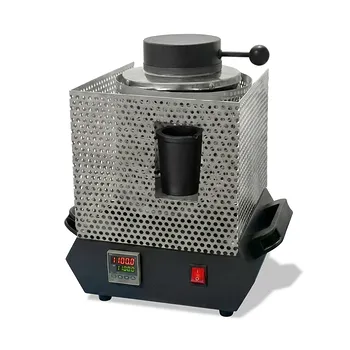
Compact Crucible Melting Furnace 1100C Programmable Temperature Controller Metal Sintering Equipment
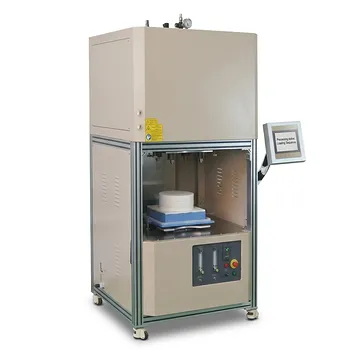
High Temperature Vertical Atmosphere Controlled Furnace with Automatic Bottom Loading and 1700°C Capacity for Advanced Material Research