Why is a gas-tight tube furnace combined with high-purity argon flow necessary for OBO-MXenes? Protect Your Materials
Updated 5 months ago
Thermal treatment of OBO-MXenes requires a gas-tight tube furnace and high-purity argon flow to prevent the rapid oxidation of the MXene structure and its surface active sites at high temperatures. This specific configuration ensures that the molten salt etching process occurs in a strictly inert environment, while simultaneously managing the removal of volatile by-products like AlCl₃ to maintain the chemical equilibrium necessary for successful synthesis.
Core Takeaway: A sealed, inert atmosphere is the critical barrier that protects MXenes from irreversible oxidative damage and surface contamination during high-temperature processing, ensuring the material retains its intended electronic and structural properties.
Preventing Catastrophic Thermal Oxidation
Protecting the MXene Backbone
At the high temperatures required for eutectic molten salt etching (700–800°C), MXenes are highly susceptible to oxidation. Without a gas-tight seal and high-purity argon, the material would react with ambient oxygen and moisture to form bulk oxides, destroying the two-dimensional structure.
Preserving Surface Active Sites
The argon flow creates a strictly oxygen-free environment that preserves the surface active sites and functional groups of the MXene. This is essential for maintaining the material's catalytic properties and ensuring the stable existence of critical defects, such as oxygen vacancies, within the heterostructure.
Maintaining Electrical Conductivity
High-purity argon prevents the unintended formation of non-conductive oxide layers on the MXene substrate. By isolating the material from oxygen, the system ensures the high electrical conductivity of the MXene layers is preserved, which is vital for its performance in electronic and energy storage applications.
Managing Reaction Equilibrium and Purity
Removal of Gaseous By-products
The thermal treatment of MXenes often involves the generation of gaseous by-products, such as AlCl₃. A continuous argon flow acts as a carrier gas, ensuring these by-products are discharged in a controlled manner to maintain the reaction equilibrium necessary for the synthesis to proceed.
Preventing Secondary Deposition
The constant gas flow timely removes volatile compounds generated during the heating process. This prevents these vapors from undergoing secondary deposition on the material's surface, which would otherwise mask active sites and decrease the overall purity of the composite.
Control of Sublimation and Structure
In some synthesis routes, the argon flow helps manage the sublimation of metallic components. This controlled removal can be used to create specific morphological features, such as hollow structures, which are crucial for optimizing the surface area of the final material.
Understanding the Trade-offs
The Cost of High Purity
Using high-purity argon (99.999% or higher) significantly increases operational costs compared to industrial-grade gas. However, even trace amounts of oxygen or moisture in the gas stream can lead to partial oxidation, which degrades the electrochemical performance of the MXene.
Balance of Flow Rates
Setting the correct flow rate (e.g., 100 sccm) is a delicate balance. A flow rate that is too low may fail to remove by-products effectively, while a rate that is too high can lead to temperature fluctuations within the furnace or the unintended loss of fine precursor powders.
System Seal Integrity
A "gas-tight" furnace must be regularly maintained to ensure O-rings and fittings are not compromised. Even a micro-leak can introduce enough oxygen to transform the MXene into a metal oxide at 800°C, rendering the entire thermal treatment unsuccessful.
How to Apply This to Your Project
When setting up your thermal treatment for OBO-MXenes, consider your specific performance targets:
- If your primary focus is maximizing electrical conductivity: Prioritize the gas-tight integrity of the furnace and use the highest purity argon available to prevent any resistive oxide formation.
- If your primary focus is structural purity and surface exposure: Maintain a consistent and high flow rate to ensure all volatile organic compounds and etching by-products are removed from the heating zone immediately.
- If your primary focus is defect engineering (e.g., oxygen vacancies): Use a precise gas control system to maintain a stable inert environment that prevents the over-oxidation of titanium suboxides.
The successful synthesis of high-quality MXenes depends entirely on your ability to exclude reactive gases while precisely managing the exit of reaction by-products.
Summary Table:
| Component | Primary Function | Critical Benefit for MXenes |
|---|---|---|
| Gas-Tight Seal | Isolates sample from ambient air | Prevents catastrophic oxidation & structural failure at 800°C. |
| High-Purity Argon | Creates an inert environment | Preserves surface active sites and high electrical conductivity. |
| Continuous Flow | Carries away gaseous by-products (AlCl₃) | Maintains reaction equilibrium and prevents secondary deposition. |
| Flow Rate Control | Manages sublimation & by-product exit | Enables defect engineering (e.g., oxygen vacancies) and purity. |
Precision Thermal Solutions for Your MXene Research
Achieving the perfect OBO-MXene synthesis requires zero tolerance for oxidation. THERMUNITS is a leading manufacturer of high-temperature laboratory equipment designed specifically for material science and industrial R&D. Our high-performance Tube Furnaces, Atmosphere Furnaces, and Vacuum Systems provide the exact gas-tight integrity and atmosphere control needed to protect your samples from contamination.
From Muffle and Rotary Furnaces to advanced CVD/PECVD systems and Vacuum Induction Melting (VIM) units, we empower researchers to push the boundaries of heat treatment.
Ready to upgrade your lab's capabilities? Contact our thermal processing experts today to find the ideal furnace for your specific application and ensure superior results for your next project.
References
- Dongqi Li, Xinliang Feng. MXenes with ordered triatomic-layer borate polyanion terminations. DOI: 10.1038/s41563-024-01911-2
Mentioned Products
- 1100C Dual Zone Hydrogen Gas Tube Furnace with Quartz Tube and Integrated H2 Leak Detection System
- 1700C Hydrogen Gas Tube Furnace with 60mm Alumina Process Tube and Integrated Hydrogen Safety Detector
- 1100C Hydrogen Gas Atmosphere Tube Furnace with 5 Inch Fused Quartz Tube and Integrated Safety Monitoring System
- 1500C Compact Hydrogen Gas Tube Furnace with 2 Inch Alumina Tube and Hydrogen Detector
- Gas Pre-Heating Tube Furnace for High Temperature Pyrolysis Reactors and Material Science Research
People Also Ask
- Why is it necessary to place MoS2 devices in a dual-zone tube furnace for annealing? Optimize Lattice Repair & Doping
- What is the primary function of an industrial-grade dual-zone tube furnace? Mastering CuInP2S6 CVT Crystal Growth
- Purpose of the reverse gradient step in CVT growth? Master Crystal Purity with Dual-Zone Furnaces
- What are the technical advantages of using a dual-zone tube furnace for growing large PdCoO2 crystals via CVT? Expert Tips
- What are the advantages of using a dual-zone tube furnace for MoS2 CVD? Optimize Precursor Control and Material Quality

Tech Team · ThermUnits
Last updated on Apr 14, 2026
Related Products
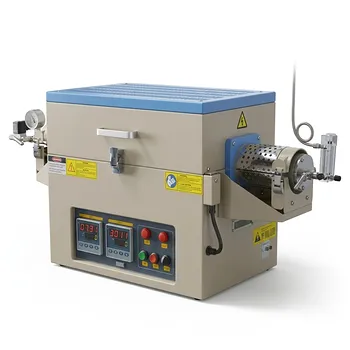
1100C Dual Zone Hydrogen Gas Tube Furnace with Quartz Tube and Integrated H2 Leak Detection System

1700C Hydrogen Gas Tube Furnace with 60mm Alumina Process Tube and Integrated Hydrogen Safety Detector
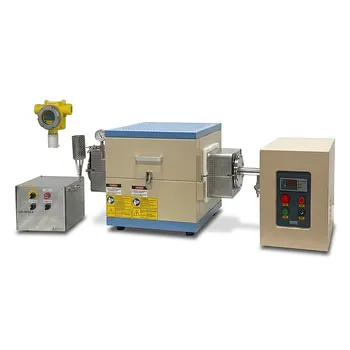
1100C Hydrogen Gas Atmosphere Tube Furnace with 5 Inch Fused Quartz Tube and Integrated Safety Monitoring System
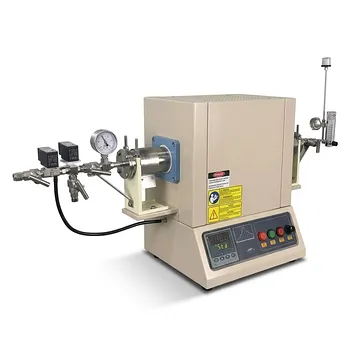
1500C Compact Hydrogen Gas Tube Furnace with 2 Inch Alumina Tube and Hydrogen Detector
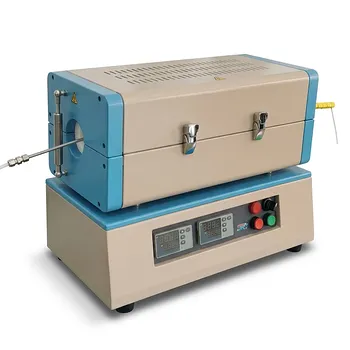
Gas Pre-Heating Tube Furnace for High Temperature Pyrolysis Reactors and Material Science Research

Vertical 1700C Vacuum and Atmosphere Tube Furnace with 80mm Alumina Tube
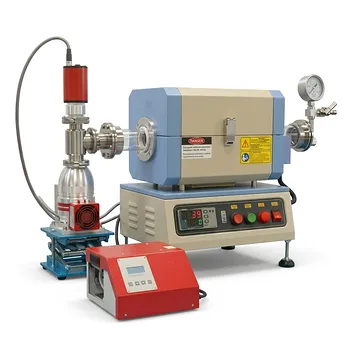
High Vacuum Compact Tube Furnace 1200C with Integrated Turbo Pump System and 8 Inch Heating Zone

1200°C 5 Inch Vertical Quartz Tube Furnace with Stainless Steel Vacuum Flanges

Compact Vertical Split Quartz Tube Furnace with Stainless Steel Vacuum Flanges for Rapid Thermal Quenching and Controlled Atmosphere Material Processing
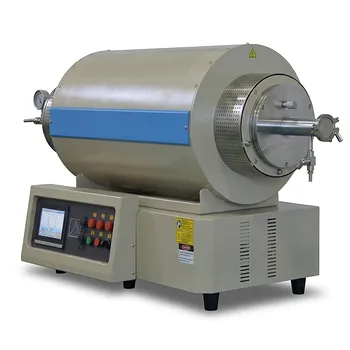
1200C Max Three Zone Tube Furnace 6 Inch OD Max with Tube and Flange
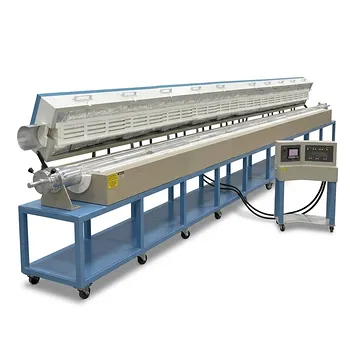
12 Zone Ultra Long Split Tube Furnace with 20 Foot Quartz Tube and 1100C Max Temperature

Compact High Temperature 1600C Tube Furnace with 50mm Alumina Tube and Vacuum Flanges for Material Sintering
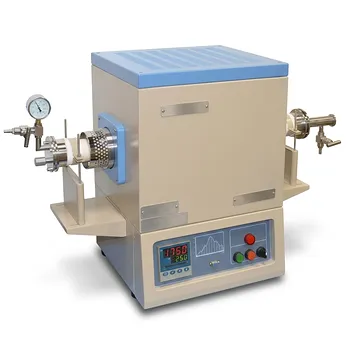
High Temperature Compact Vacuum Tube Furnace 1750C Max 60mm OD Alumina Tube
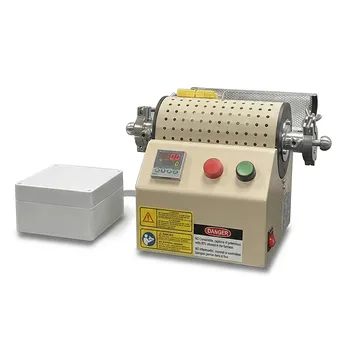
1000C Mini Tube Furnace with 20mm Quartz Tube and Vacuum Flanges for Material Science Research and Controlled Atmosphere Small Sample Processing
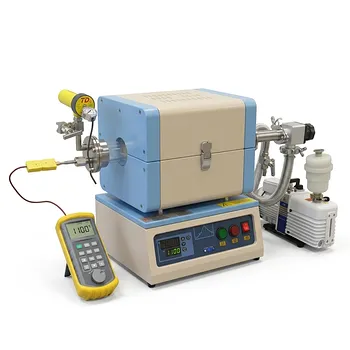
Compact Split Tube Furnace with Insertable Temperature Calibrator and Integrated Vacuum System
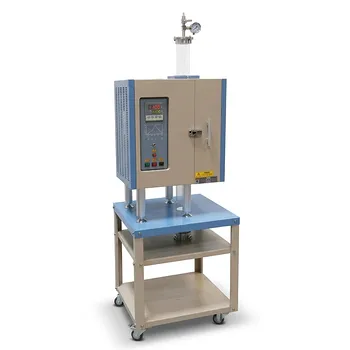
1100°C Split Vertical Tube Furnace with 80mm Quartz Tube and Stainless Steel Vacuum Flanges

1800C High Temperature Compact Vacuum Tube Furnace with 60mm OD Alumina Tube and Kanthal MoSi2 Heating Elements
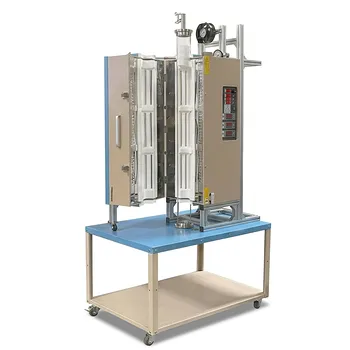
1200C Three Zone Split Vertical Tube Furnace 4 Inch Quartz Tube Stainless Steel Vacuum Flanges

High Temperature 1700C Vertical Tube Furnace for Powder Spherification and Material Sintering
