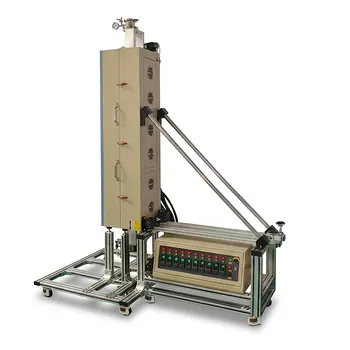
What is the primary function of an industrial-grade dual-zone tube furnace? Mastering CuInP2S6 CVT Crystal Growth
Updated 3 months ago
The primary function of an industrial-grade dual-zone tube furnace is to provide the necessary thermodynamic driving force for Chemical Vapor Transport (CVT) by establishing a precise temperature gradient. In the growth of CuInP₂S₆ single crystals, the furnace maintains a high-temperature source zone (typically 650°C) and a cooler growth zone (typically 600°C). This controlled thermal environment allows gaseous precursors to migrate and precipitate into high-quality, high-purity single crystals at the cooler end.
The dual-zone tube furnace acts as the engine of the CVT process, using independent temperature controls to create a stable thermal field. This gradient is the essential physical driver that enables the sublimation, transport, and orderly crystallization of raw materials into large-scale single crystals.
The Mechanics of Thermodynamic Driving Forces
Creating the Temperature Gradient
The furnace utilizes two independently controlled heating zones to create a stable temperature differential across a reaction tube. For CuInP₂S₆, the source end is held at a higher temperature to facilitate the reaction between raw materials and a transport agent.
Facilitating Gaseous Migration
This temperature difference creates a concentration gradient that drives the gaseous intermediate products to migrate. The vapors move from the high-temperature source zone toward the lower-temperature growth zone through diffusion or convection.
Achieving Controlled Precipitation
Once the gaseous components reach the cooler growth zone, the reduction in temperature triggers supersaturation. This environment allows the material to re-precipitate and crystallize slowly, ensuring the development of a high-purity crystal lattice.
The Role of Precision in Crystal Quality
Maintaining Thermal Field Stability
A dual-zone furnace provides a level of thermal field regulation that single-zone furnaces cannot match. This stability is critical for ensuring that the deposition rate remains constant, which directly impacts the internal structural integrity of the CuInP₂S₆ crystal.
Regulating Nucleation and Growth
By precisely setting the growth zone temperature (600°C), the furnace controls the nucleation density. Proper regulation prevents the formation of many small, low-quality "poly-crystals" and instead encourages the growth of a single, large-sized crystal.
Purification through Vapor Transport
The CVT process inherently acts as a purification step because only specific volatile components are transported via the gas phase. The furnace enables this selective migration, leaving non-volatile impurities behind in the source material.
Understanding the Trade-offs and Constraints
Gradient Sensitivity
If the temperature gradient is too steep, the transport rate may become too high, leading to defects or disordered growth. Conversely, a gradient that is too shallow may result in insufficient driving force, causing the growth process to stall entirely.
Accuracy vs. Repeatability
Industrial-grade furnaces must balance absolute temperature accuracy with long-term stability. Even a minor fluctuation of a few degrees over the several days required for crystal growth can introduce "striations" or layers of defects within the crystal.
Cold Spot Risks
The furnace must be carefully configured to avoid unintentional "cold spots" outside of the designated growth zone. If precursors deposit prematurely on the tube walls, it can deplete the source material and reduce the final yield and size of the CuInP₂S₆ crystal.
How to Apply This to Your Project
When selecting or operating a dual-zone tube furnace for crystal growth, your approach should depend on your specific material requirements:
- If your primary focus is high crystal purity: Ensure the furnace can maintain a very stable, low-fluctuation temperature in the growth zone to allow for the slowest possible precipitation.
- If your primary focus is maximizing crystal size: Focus on optimizing the steepness of the gradient to increase the transport rate without crossing the threshold into disordered crystallization.
- If your primary focus is throughput and yield: Use the independent zone controls to find the "sweet spot" where sublimation at the source is maximized while still maintaining a controlled sink temperature.
The dual-zone tube furnace remains the gold standard for CVT because it transforms raw thermodynamic potential into the precise, orderly growth of advanced single crystals.
Summary Table:
| Feature | Function in CVT Process | Benefit for CuInP2S6 Growth |
|---|---|---|
| Source Zone (650°C) | Facilitates sublimation of raw materials | Generates steady gaseous precursor flow |
| Growth Zone (600°C) | Triggers supersaturation and precipitation | Ensures orderly crystallization and high purity |
| Temperature Gradient | Provides thermodynamic driving force | Enables controlled gaseous migration and diffusion |
| Independent PID Control | Maintains stable thermal field | Prevents defects and ensures structural integrity |
Achieve Precise Thermal Control with THERMUNITS
As a leading manufacturer of high-temperature laboratory equipment for material science and industrial R&D, THERMUNITS provides the precision and stability required for complex processes like CVT crystal growth. Our dual-zone tube furnaces are engineered to deliver the exact temperature gradients necessary for high-quality CuInP2S6 production.
Beyond tube furnaces, we offer a comprehensive suite of thermal processing solutions tailored to your research needs, including:
- Furnaces: Muffle, Vacuum, Atmosphere, Rotary, Hot Press, and Dental Furnaces.
- Advanced Systems: CVD/PECVD systems, Electric Rotary Kilns, and Vacuum Induction Melting (VIM) furnaces.
- Components: High-quality Thermal Elements and specialized heat treatment equipment.
Partner with experts to optimize your material synthesis. Contact THERMUNITS today to request a quote or consultation!
References
- Xingan Jiang, Weiyou Yang. Dual-role ion dynamics in ferroionic CuInP2S6: revealing the transition from ferroelectric to ionic switching mechanisms. DOI: 10.1038/s41467-024-55160-7
Mentioned Products
- Dual Zone Quartz Tube Furnace with 80mm Diameter 1200C Max Temperature 3 Channel Gas Mixer and Vacuum Pump System
- Dual Zone Tube Furnace 1100C with 11 Inch Quartz Tube and Vacuum Flanges for 8 Inch Wafer Processing
- 1200C Dual Zone Split Tube Furnace with Fused Quartz Tube and Vacuum Flanges Available in 60mm 80mm and 100mm Diameters
- High Temperature Dual Zone Tube Furnace for Material Science Research and Professional Thermal Processing
- Dual Zone Split Tube Quenching Furnace with High Vacuum Atmosphere Control and Rapid Cooling
People Also Ask
- How do dual-zone quartz tube furnaces achieve controllable material preparation? Optimize Perovskite VD Processes
- What are the technical advantages of using a dual-zone tube furnace for growing large PdCoO2 crystals via CVT? Expert Tips
- Purpose of the reverse gradient step in CVT growth? Master Crystal Purity with Dual-Zone Furnaces
- Why is it necessary to place MoS2 devices in a dual-zone tube furnace for annealing? Optimize Lattice Repair & Doping
- Why is a dual-zone tube furnace necessary for ReO3-doped Cu2Te CVD? Essential for precise precursor synchronization.

Tech Team · ThermUnits
Last updated on Jun 03, 2026
Related Products
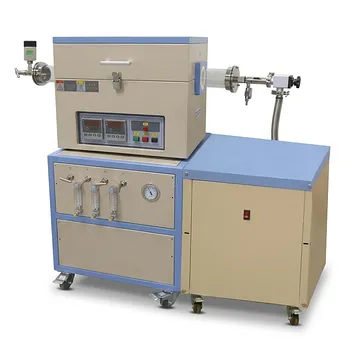
Dual Zone Quartz Tube Furnace with 80mm Diameter 1200C Max Temperature 3 Channel Gas Mixer and Vacuum Pump System
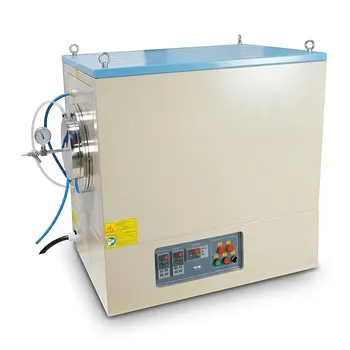
Dual Zone Tube Furnace 1100C with 11 Inch Quartz Tube and Vacuum Flanges for 8 Inch Wafer Processing
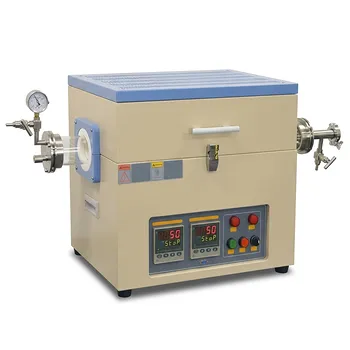
1200C Dual Zone Split Tube Furnace with Fused Quartz Tube and Vacuum Flanges Available in 60mm 80mm and 100mm Diameters
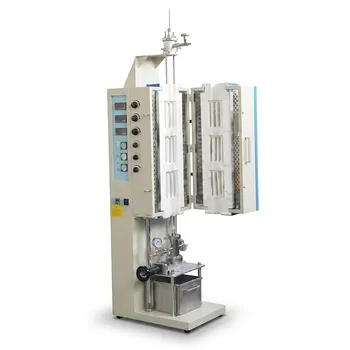
High Temperature Dual Zone Tube Furnace for Material Science Research and Professional Thermal Processing
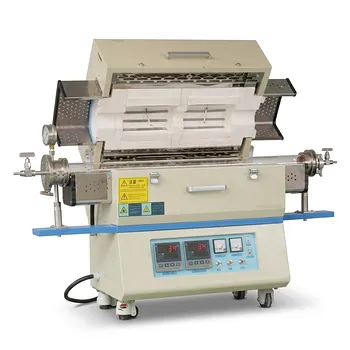
Dual Zone Split Tube Quenching Furnace with High Vacuum Atmosphere Control and Rapid Cooling
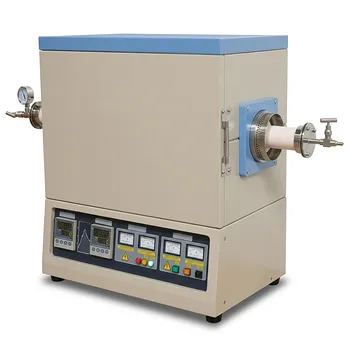
High Temperature 1700C Dual Zone Tube Furnace for Material Science and Industrial Chemical Vapor Deposition Research
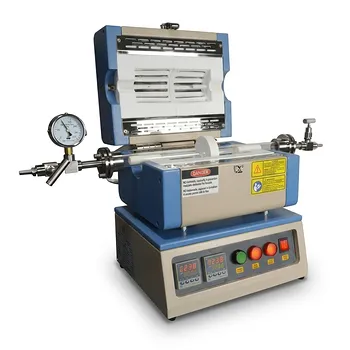
Dual Heating Zone 1200C Compact Split Tube Furnace with Optional 1" - 2" Tube and Vacuum Flanges
High Temperature Elongated Dual Zone Tube Furnace for Material Research and Industrial Heat Treatment
High Temperature Dual Zone Vacuum Tube Furnace for Material Research and CVD Processing
Double Temperature Zone Double Cover Tube Furnace for High Temperature CVD and Vacuum Annealing
High Temperature Dual Zone Split Tube Furnace for Advanced Atmosphere Sintering and Vacuum CVD Applications
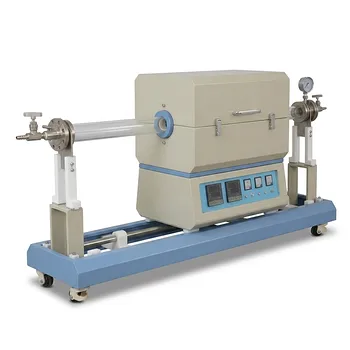
Double Zone Fast Heating Tube Furnace High Temperature Vacuum Atmosphere System
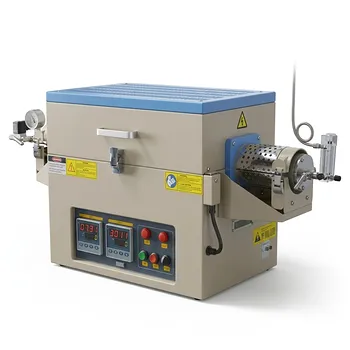
1100C Dual Zone Hydrogen Gas Tube Furnace with Quartz Tube and Integrated H2 Leak Detection System
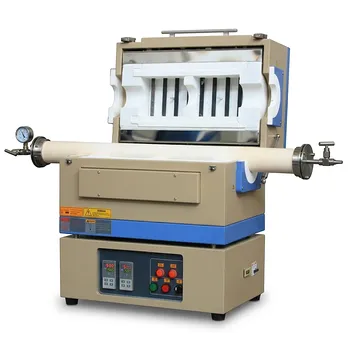
1500C Two Zone Split Tube Furnace with Vacuum Flange and 80mm Alumina Tube
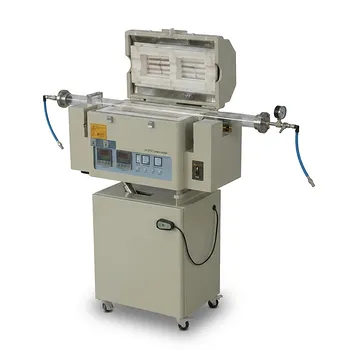
Double Temperature Revolving Tube Furnace with Precision Rotation and Adjustable Inclination for Advanced Material Research
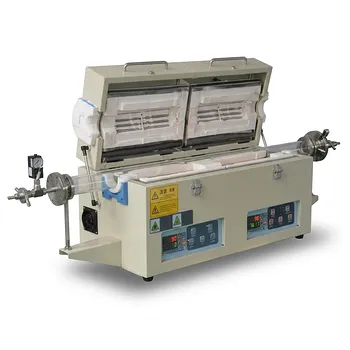
Elongated Two Temperature Zone Pipe Furnace for Industrial Heat Treatment and Material Science Research
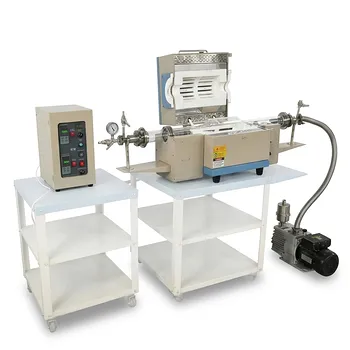
Two Zone Rotary Tube Furnace for Powder CVD Coating and Core Shell Material Synthesis 1100C
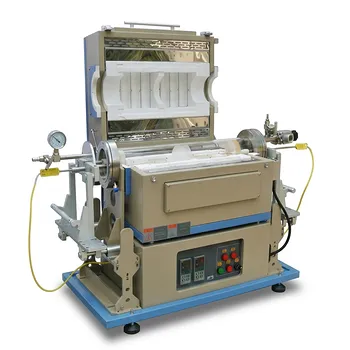
Two Zone IR Heating Rapid Thermal Processing RTP Tube Furnace with 4 Inch ID Quartz Tube and Sliding Sample Holders
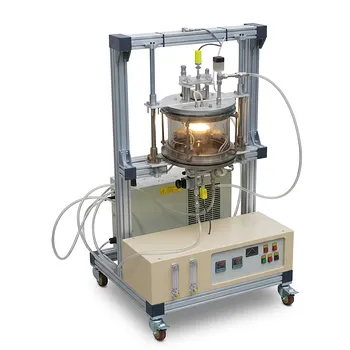
Two Zones CSS Furnace for Rapid Thermal Processing Thin Film Coating 3 Inch Diameter 650C