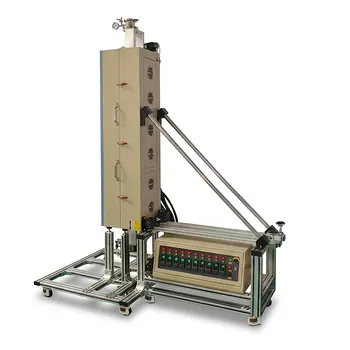
Why is a dual-zone tube furnace necessary for ReO3-doped Cu2Te CVD? Essential for precise precursor synchronization.
Updated 3 months ago
A dual-zone tube furnace is essential for synthesizing $ReO_3$-doped $Cu_2Te$ because it enables the independent thermal management of precursors with vastly different vaporization temperatures.
By providing separate heating environments, the furnace allows ammonium perrhenate to reach its vaporization point at 500°C in Zone 1 while simultaneously maintaining tellurium powder at 650°C in Zone 2. This precise synchronization ensures that both precursors reach their ideal vapor pressures at the same time, allowing them to be transported by gas flow to react uniformly on the copper foam substrate.
Core Takeaway: The dual-zone configuration is required to overcome the thermal mismatch between precursors, ensuring that both materials transition into the vapor phase at controlled rates to achieve a stoichiometric and uniform composite film.
Synchronizing Mismatched Thermal Properties
Managing Vaporization Thresholds
In Chemical Vapor Deposition (CVD), the rate at which a precursor enters the gas phase is governed by its temperature. Ammonium perrhenate and tellurium powder have distinct thermal profiles, meaning a single-zone furnace would either overheat one or underheat the other.
A dual-zone furnace solves this by establishing Zone 1 at 500°C specifically for the rhenium source, while Zone 2 provides 650°C for the tellurium. This ensures both materials are available in the gas phase in the correct proportions for the doping process to occur.
Achieving Ideal Vapor Pressure
The "Deep Need" in this synthesis is the maintenance of a stable partial pressure for each component. If the vapor pressure of the $ReO_3$ dopant does not match the transformation rate of the $Cu_2Te$ base, the resulting catalyst will suffer from non-uniform doping or poor crystalline quality.
By independently regulating the upstream and downstream temperatures, researchers can "tune" the concentration of each precursor. This results in a controlled reaction environment where the precursors reach the copper foam substrate simultaneously.
Precision in Composite Growth
Establishing a Stable Temperature Gradient
The dual-zone setup creates a physical driver for the reaction by maintaining a stable temperature gradient within the reaction tube. This gradient allows gaseous products to diffuse and react at specific points rather than precipitating prematurely.
In the case of $ReO_3$-doped $Cu_2Te$, this gradient ensures that the reaction occurs specifically at the substrate surface. This level of control is what allows for the formation of a uniform composite film rather than a disorganized mixture of powders.
Suppressing Side Reactions
When precursors are heated in an uncontrolled environment, unwanted chemical pathways—or side reactions—can occur. Precise thermal grading ensures that the precursors only react when they meet at the substrate under the intended conditions.
Independent control prevents the decomposition of sensitive precursors, such as the rhenium source, before they have a chance to incorporate into the $Cu_2Te$ lattice. This leads to higher chemical purity in the final catalyst.
Understanding the Trade-offs
Complexity of Calibration
While a dual-zone furnace offers superior control, it requires significant effort to calibrate the thermal transition zone between the two heaters. If the zones are too close, heat bleed can cause one zone to exceed its target temperature, ruining the vapor pressure balance.
Gas Flow Dynamics
The introduction of two distinct heating zones complicates carrier gas dynamics. The flow rate must be carefully balanced with the temperatures of both zones to ensure that the heavier vaporized tellurium and the lighter rhenium dopant reach the substrate at the same time without depositing on the tube walls.
How to Apply This to Your Synthesis
Making the Right Choice for Your Goal
- If your primary focus is uniform doping levels: Prioritize the precise calibration of the upstream zone (Zone 1) to ensure the $ReO_3$ sublimation rate remains constant throughout the entire deposition window.
- If your primary focus is high crystalline quality: Focus on the temperature stability of the downstream zone (Zone 2) and the substrate area to provide the energy necessary for proper lattice formation.
- If your primary focus is preventing precursor waste: Use the independent controls to slowly ramp the temperature of the tellurium source only after the rhenium source has reached a stable vaporization state.
The dual-zone tube furnace serves as the fundamental architecture for balancing the chemical and physical requirements of complex composite synthesis.
Summary Table:
| Parameter | Zone 1 (Upstream) | Zone 2 (Downstream) |
|---|---|---|
| Precursor | Ammonium Perrhenate | Tellurium Powder |
| Operating Temp | 500°C | 650°C |
| Phase Change | Sublimation ($ReO_3$ source) | Vaporization (Te source) |
| Objective | Synchronized vapor release | Uniform reaction on substrate |
| Key Outcome | Prevents thermal mismatch | Stoichiometric composite film |
Optimize Your CVD Synthesis with THERMUNITS Precision
Achieving perfect stoichiometric ratios in complex composite catalysts requires absolute thermal control. THERMUNITS is a leading manufacturer of high-temperature laboratory equipment for material science and industrial R&D. We specialize in providing advanced Tube Furnaces (Single/Multi-Zone), CVD/PECVD systems, and Atmosphere Furnaces designed for precision.
Our equipment empowers researchers to maintain stable temperature gradients and ideal vapor pressures, ensuring high crystalline quality and chemical purity in every run. Beyond CVD systems, we offer a comprehensive range including Muffle, Vacuum, Rotary, and Hot Press furnaces, as well as VIM systems and Dental Furnaces.
Ready to enhance your lab’s thermal processing efficiency? Contact us today to consult with our experts and discover the perfect solution for your heat treatment needs.
References
- Aruna Vijayan, N. Sandhyarani. Efficient and sustainable hydrogen evolution reaction: enhanced photoelectrochemical performance of ReO<sub>3</sub>-incorporated Cu<sub>2</sub>Te catalysts. DOI: 10.1039/d4ya00023d
Mentioned Products
- Dual Zone Quartz Tube Furnace with 80mm Diameter 1200C Max Temperature 3 Channel Gas Mixer and Vacuum Pump System
- Dual Zone Tube Furnace 1100C with 11 Inch Quartz Tube and Vacuum Flanges for 8 Inch Wafer Processing
- 1200C Dual Zone Split Tube Furnace with Fused Quartz Tube and Vacuum Flanges Available in 60mm 80mm and 100mm Diameters
- High Temperature Dual Zone Tube Furnace for Material Science Research and Professional Thermal Processing
- Dual Zone Split Tube Quenching Furnace with High Vacuum Atmosphere Control and Rapid Cooling
People Also Ask
- How do dual-zone quartz tube furnaces achieve controllable material preparation? Optimize Perovskite VD Processes
- What are the technical advantages of using a dual-zone tube furnace for growing large PdCoO2 crystals via CVT? Expert Tips
- Purpose of the reverse gradient step in CVT growth? Master Crystal Purity with Dual-Zone Furnaces
- Why is it necessary to place MoS2 devices in a dual-zone tube furnace for annealing? Optimize Lattice Repair & Doping
- What are the primary technical advantages of using a dual-zone tube furnace for MoS2? Optimize CVD Precision & Yield

Tech Team · ThermUnits
Last updated on Jun 03, 2026
Related Products
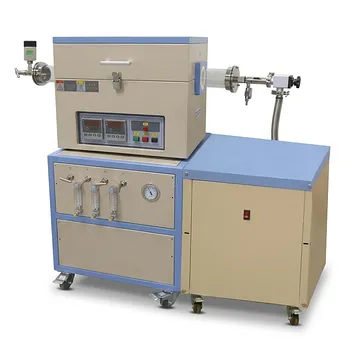
Dual Zone Quartz Tube Furnace with 80mm Diameter 1200C Max Temperature 3 Channel Gas Mixer and Vacuum Pump System
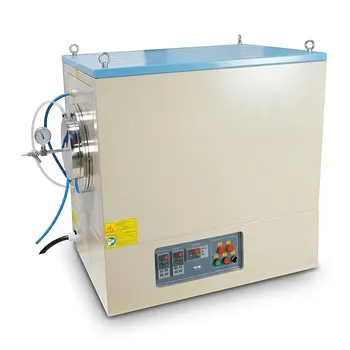
Dual Zone Tube Furnace 1100C with 11 Inch Quartz Tube and Vacuum Flanges for 8 Inch Wafer Processing
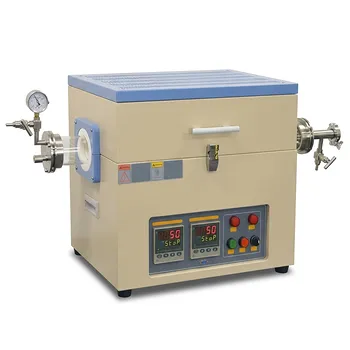
1200C Dual Zone Split Tube Furnace with Fused Quartz Tube and Vacuum Flanges Available in 60mm 80mm and 100mm Diameters
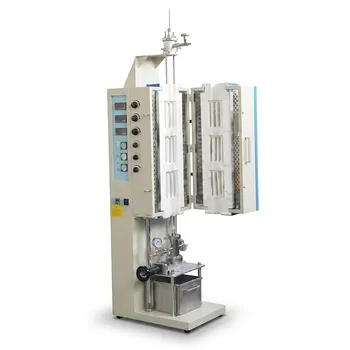
High Temperature Dual Zone Tube Furnace for Material Science Research and Professional Thermal Processing
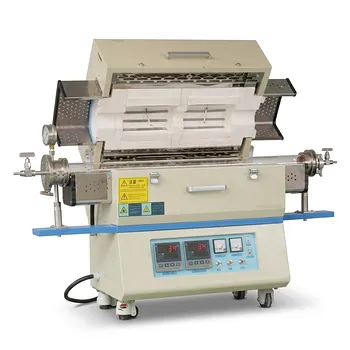
Dual Zone Split Tube Quenching Furnace with High Vacuum Atmosphere Control and Rapid Cooling
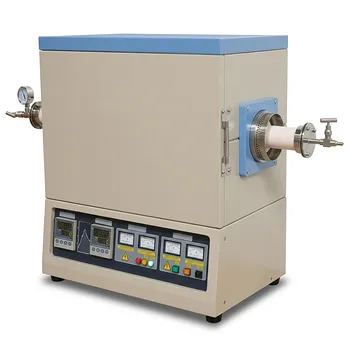
High Temperature 1700C Dual Zone Tube Furnace for Material Science and Industrial Chemical Vapor Deposition Research
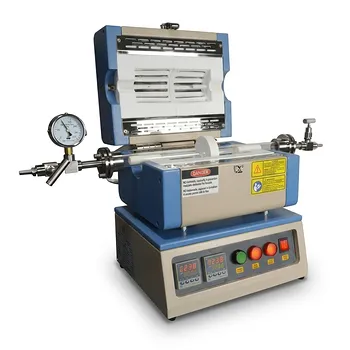
Dual Heating Zone 1200C Compact Split Tube Furnace with Optional 1" - 2" Tube and Vacuum Flanges
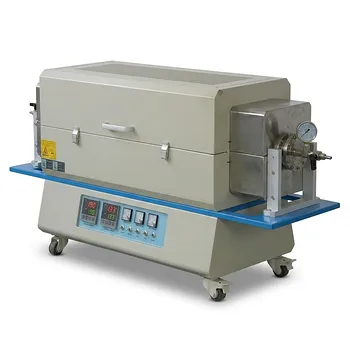
High Temperature Elongated Dual Zone Tube Furnace for Material Research and Industrial Heat Treatment
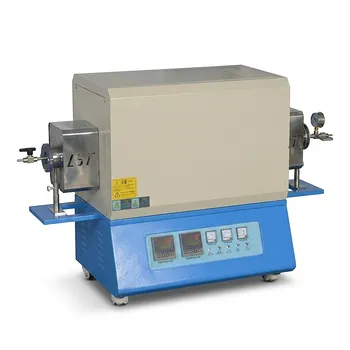
High Temperature Dual Zone Vacuum Tube Furnace for Material Research and CVD Processing
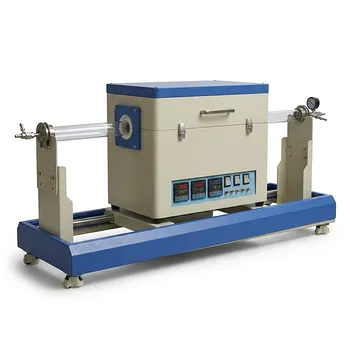
Double Temperature Zone Double Cover Tube Furnace for High Temperature CVD and Vacuum Annealing
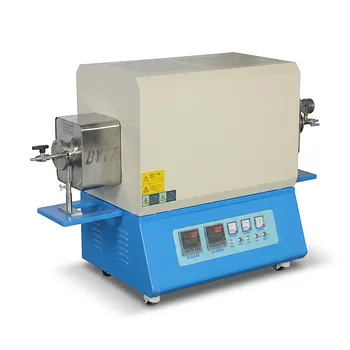
High Temperature Dual Zone Split Tube Furnace for Advanced Atmosphere Sintering and Vacuum CVD Applications
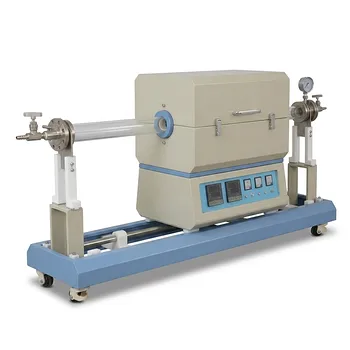
Double Zone Fast Heating Tube Furnace High Temperature Vacuum Atmosphere System
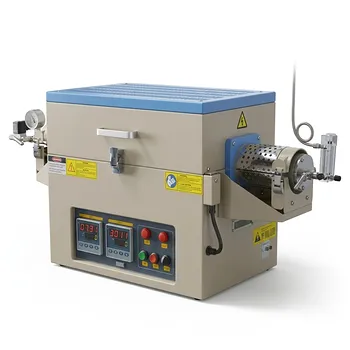
1100C Dual Zone Hydrogen Gas Tube Furnace with Quartz Tube and Integrated H2 Leak Detection System
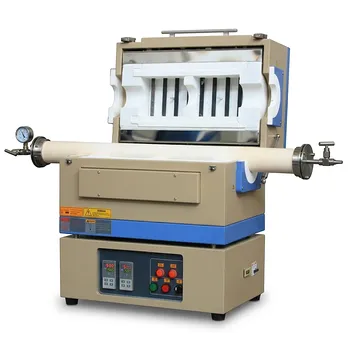
1500C Two Zone Split Tube Furnace with Vacuum Flange and 80mm Alumina Tube
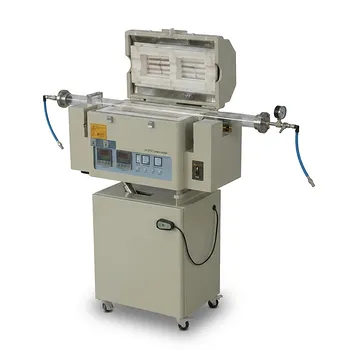
Double Temperature Revolving Tube Furnace with Precision Rotation and Adjustable Inclination for Advanced Material Research
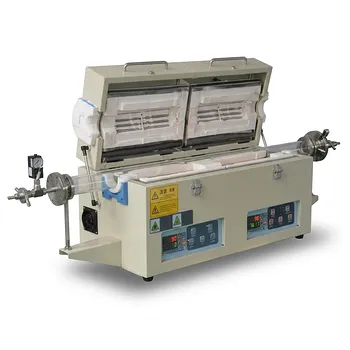
Elongated Two Temperature Zone Pipe Furnace for Industrial Heat Treatment and Material Science Research
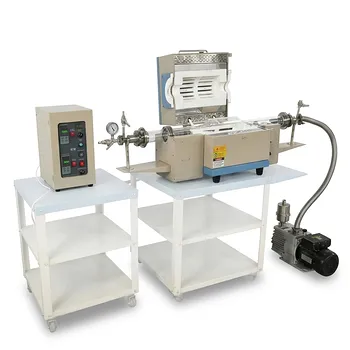
Two Zone Rotary Tube Furnace for Powder CVD Coating and Core Shell Material Synthesis 1100C
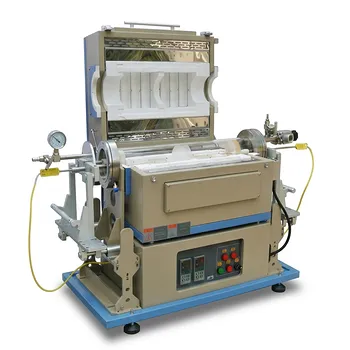
Two Zone IR Heating Rapid Thermal Processing RTP Tube Furnace with 4 Inch ID Quartz Tube and Sliding Sample Holders
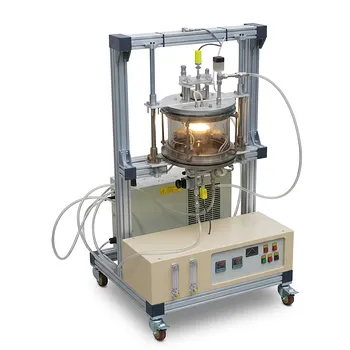
Two Zones CSS Furnace for Rapid Thermal Processing Thin Film Coating 3 Inch Diameter 650C