Why is a high-purity alumina crucible required for activation experiments? Ensure Data Integrity & Equipment Safety.
Updated 3 months ago
High-purity alumina crucibles are the industry standard for high-temperature activation experiments because they provide an unparalleled combination of chemical inertness and thermal stability. When using aggressive activating agents like potassium hydroxide (KOH) at temperatures around 800°C, standard containers would corrode or leach impurities. High-purity alumina ensures that the chemical reaction remains confined to the sample, protecting both the integrity of your data and the longevity of your furnace equipment.
Core Takeaway: High-purity alumina crucibles act as a chemically "invisible" barrier, resisting extreme alkaline corrosion and high-temperature erosion to ensure that experimental results reflect the sample's true behavior rather than contamination from the container.
Superior Resistance to Chemical Erosion
Withstanding Aggressive Alkaline Activators
Activation experiments often utilize strong alkalis such as KOH or NaOH to develop porosity in carbon materials. At temperatures exceeding 600°C, these activators become highly corrosive liquids that would dissolve quartz or lower-grade ceramics. High-purity alumina (Al₂O₃) possesses a crystalline structure that is inherently resistant to alkaline attack, preventing the crucible from being consumed during the process.
Preventing Molten Oxide and Metal Reactions
In complex synthesis or pre-melting processes, crucibles must hold molten oxides or metals like copper at temperatures reaching 1200°C to 1700 K. High-purity alumina maintains its surface integrity against these melts, ensuring the crucible does not react with the experimental media. This stability is critical for observing the true resistance of coatings or the behavior of alloy specimens without interference.
Preserving Sample Purity and Data Integrity
Eliminating Ion Leaching and Contamination
Standard ceramic materials contain silica or other binders that can leach into a sample at high temperatures. High-purity alumina minimizes the infiltration of impurity ions, which is vital when researching electrocatalytic activity or synthesizing transition metal oxides. By keeping the sample pure, researchers ensure that electrochemical testing and compositional analyses are accurate and reproducible.
Ensuring Signal Accuracy in Thermogravimetric Analysis
When conducting thermogravimetric analysis (TGA) or mass signal monitoring near 1000°C, the container must be weight-stable. High-purity alumina does not produce background weight changes even in complex reactive gas environments. This ensures that every milligram of weight change measured is a result of the sample's chemical behavior, not a reaction involving the crucible.
Structural Safety and Mechanical Longevity
Maintaining Mechanical Strength at Temperature
Horizontal tube furnaces subject components to significant thermal stress during heating and cooling cycles. High-purity alumina retains its mechanical strength and structural safety even during long-term operation at extreme temperatures. This prevents the crucible from cracking or deforming, which could otherwise lead to sample loss or damage to the furnace's heating elements.
Thermal Shock Stability
These crucibles are engineered for thermal shock stability, allowing them to survive the temperature gradients found within a horizontal tube furnace. This durability reduces the risk of catastrophic failure during a run. Consistent performance across multiple experiments makes them a reliable reaction carrier for demanding synthesis protocols.
Understanding the Trade-offs
While high-purity alumina is exceptionally versatile, it is not a "universal" solution for every experiment. It is a brittle material and can crack if subjected to localized, rapid heating or cooling (thermal shock) beyond its rated capacity. Furthermore, while it resists many acids and alkalis, it can still be attacked by certain specialized fluxing agents or extremely high-temperature phosphoric acid.
Choosing a lower-purity alumina (95-99%) might be tempting to save costs, but these often contain silica binders. These binders significantly lower the melting point and chemical resistance of the crucible, leading to sample contamination and potential fusion with the furnace tube.
How to Apply This to Your Project
Selecting the Right Crucible for Your Goal
- If your primary focus is carbon activation with KOH/NaOH: Use a high-purity alumina crucible (99.5% or higher) to prevent the activator from eating through the container and ruining your furnace tube.
- If your primary focus is high-precision TGA or mass spectrometry: Ensure the crucible is pre-fired to eliminate any residual moisture or volatiles, ensuring a clean mass signal.
- If your primary focus is synthesizing electrocatalysts or semiconductors: Prioritize high-purity alumina to prevent the leaching of iron, silicon, or calcium ions that could poison the catalyst's active sites.
- If your primary focus is molten metal research: Verify that the alumina's porosity is near zero to prevent the metal from "wetting" or infiltrating the crucible walls.
High-purity alumina remains the definitive choice for researchers who require absolute certainty in their high-temperature chemical environments.
Summary Table:
| Key Feature | Advantage | Experimental Benefit |
|---|---|---|
| Chemical Inertness | Resists KOH/NaOH alkaline attack | Prevents crucible corrosion and sample contamination |
| Thermal Stability | Maintains strength up to 1700 K | Ensures structural safety during long heating cycles |
| High Purity | Zero silica or impurity binders | Eliminates ion leaching for accurate electrochemical data |
| Weight Stability | No background weight changes | Critical for high-precision TGA and mass signal accuracy |
Optimize Your Thermal Research with THERMUNITS
Precision in material science starts with the right equipment. THERMUNITS is a leading manufacturer of high-temperature laboratory equipment, providing advanced solutions for industrial R&D. Whether you are conducting carbon activation, catalyst synthesis, or metal research, our high-performance systems ensure repeatable results and maximum durability.
Our comprehensive product range includes:
- Furnaces: Muffle, Vacuum, Atmosphere, Tube, Rotary, and Hot Press furnaces.
- Advanced Systems: CVD/PECVD systems, Dental Furnaces, and Vacuum Induction Melting (VIM) furnaces.
- Components: Electric rotary kilns, Thermal Elements, and specialized heat treatment accessories.
Ready to enhance your laboratory's efficiency and data accuracy? Contact our expert team today to find the perfect thermal processing solution for your specific requirements.
References
- T. P. Fischer, Rüdiger‐A. Eichel. Post-treatment strategies for pyrophoric KOH-activated carbon nanofibres. DOI: 10.1039/d3ra07096d
Mentioned Products
- High Temperature 1700C Benchtop Tube Furnace with 5 Inch Heating Zone High Purity Alumina Tube and Vacuum Sealing Flanges
- High Temperature 1700C Tube Furnace with 4 Inch OD Alumina Tube and Vacuum Sealing Flanges
- 1700C High Temperature Alumina Tube Furnace with 18 Inch Heated Zone and Vacuum Sealing Flanges
- High Temperature 1700C 4 Channel Tube Furnace 1 Inch Alumina Tube for Hi-Throughput Annealing
- Compact High Temperature 1600C Tube Furnace with 50mm Alumina Tube and Vacuum Flanges for Material Sintering
People Also Ask
- How are high-temperature tube furnaces utilized to repair etching damage? Precision Lattice Restoration Solutions
- What is the function of a high-temperature tube furnace in the synthesis of g-C3N4? Optimize Thermal Polycondensation
- What impact does the heating rate of a tube furnace have on biochar microstructure? Optimize Your Material R&D.
- What is the role of a high-temperature tube furnace in the calcination process of ZnO/In2O3 nanocomposites?
- Conditions for nZVI Synthesis in Tube Furnaces? Learn to Optimize Thermal and Atmospheric Control for High Purity.

Tech Team · ThermUnits
Last updated on Jun 03, 2026
Related Products

High Temperature 1700C Benchtop Tube Furnace with 5 Inch Heating Zone High Purity Alumina Tube and Vacuum Sealing Flanges
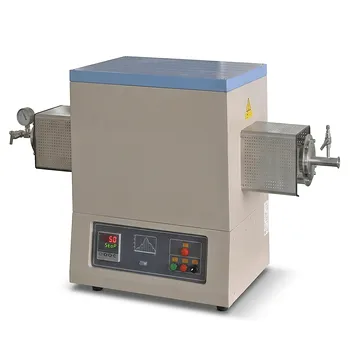
High Temperature 1700C Tube Furnace with 4 Inch OD Alumina Tube and Vacuum Sealing Flanges
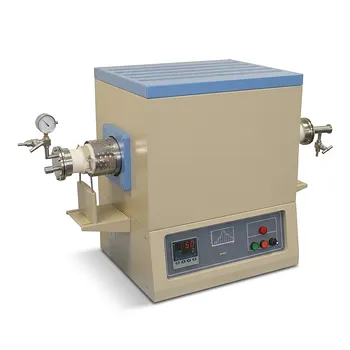
1700C High Temperature Alumina Tube Furnace with 18 Inch Heated Zone and Vacuum Sealing Flanges
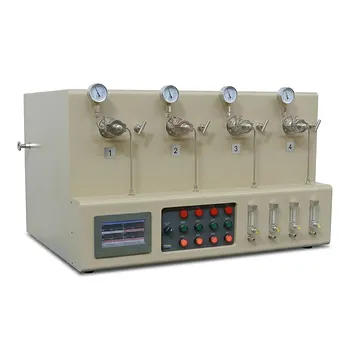
High Temperature 1700C 4 Channel Tube Furnace 1 Inch Alumina Tube for Hi-Throughput Annealing

Compact High Temperature 1600C Tube Furnace with 50mm Alumina Tube and Vacuum Flanges for Material Sintering
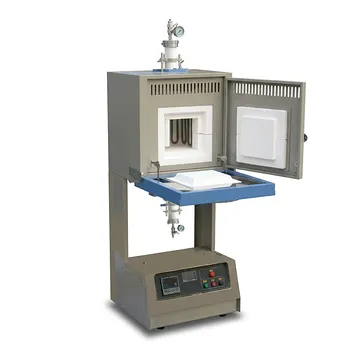
Vertical Hybrid High Temperature Furnace 1500C Alumina Tube SOFC Fuel Cell Testing Laboratory Heat Treatment Research Equipment
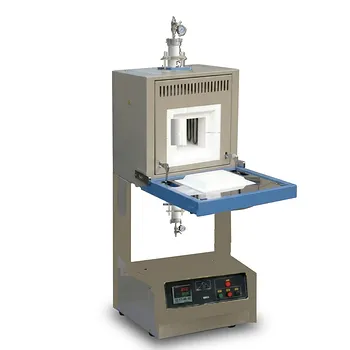
High Temperature Vertical Hybrid Furnace with Alumina Tube and SiC Heating for SOFC Coin Cell Testing and Atmosphere Processing
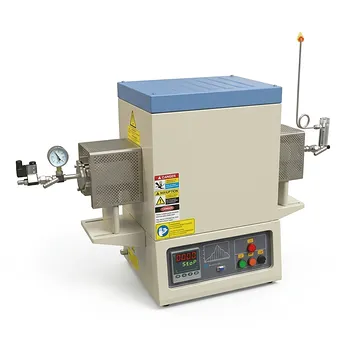
1700C Hydrogen Gas Tube Furnace with 60mm Alumina Process Tube and Integrated Hydrogen Safety Detector
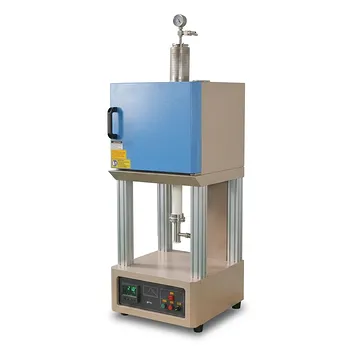
Hybrid High Temperature Tube and Box Furnace 1700C with 2 Inch Alumina Tube for Material Research

Vertical 1700C Vacuum and Atmosphere Tube Furnace with 80mm Alumina Tube

1800C High Temperature Compact Vacuum Tube Furnace with 60mm OD Alumina Tube and Kanthal MoSi2 Heating Elements
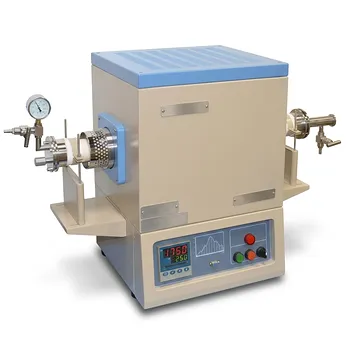
High Temperature Compact Vacuum Tube Furnace 1750C Max 60mm OD Alumina Tube
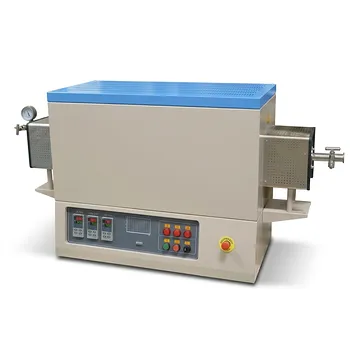
Three Zone Alumina Tube Furnace with Vacuum Flanges High Temperature 1700C Thermal Gradient CVD System
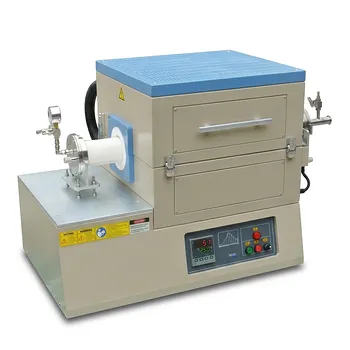
High Temperature 1700C Split Tube Furnace with Vacuum Flanges Valves and 60mm Alumina Tube
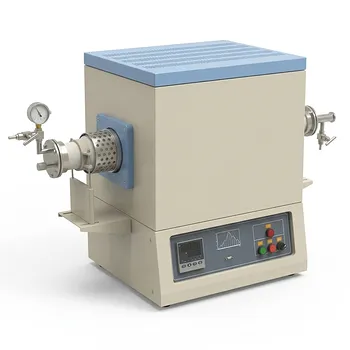
1750°C High Temperature Benchtop Vacuum Atmosphere Tube Furnace with Kanthal Super 1800 Heating Elements and 60mm Alumina Processing Tube
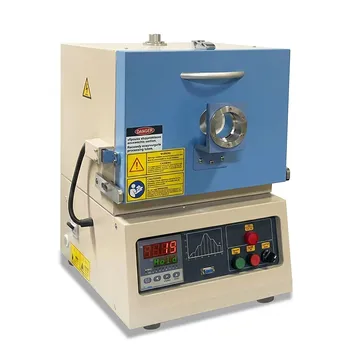
High Temperature Hybrid Muffle and Tube Furnace 1700C Programmable PID Controlled Box System with Vacuum Flange and Alumina Processing Tube
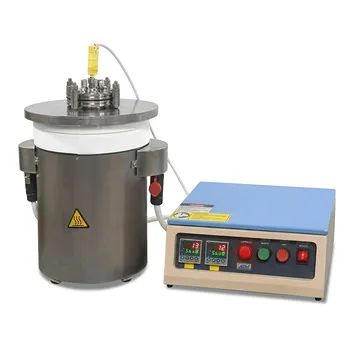
600°C Vertical Crucible Furnace with SS316 Alloy Reactor and 6 Port Vacuum Flange
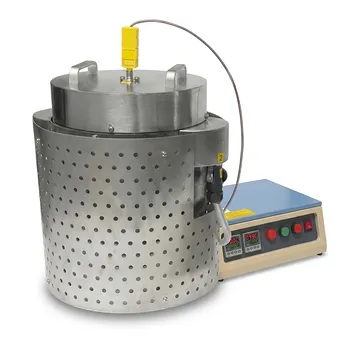
Vertical Crucible Furnace 1000C High Temperature Laboratory Equipment 4.7 Inch Diameter Chamber SS316 Anti Corrosive Enclosure
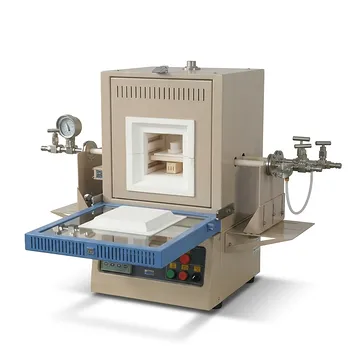
1700C Compact Hybrid Furnace with Dual Layer Box Sintering and Controlled Atmosphere Alumina Tubes