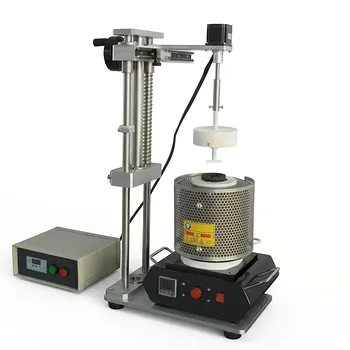
Why is a Box Furnace with Oxygen Control Essential for YBCO Targets? Master Phase Transition and Superconductivity
Updated 6 months ago
Preparing high-quality YBCO sputtering targets requires a high-temperature box furnace with flowing oxygen to synthesize the specific orthorhombic crystal phase necessary for superconductivity. This equipment provides the stable thermal environment and oxygen-rich atmosphere needed to prevent oxygen loss at high temperatures, ensuring the material achieves the correct stoichiometric ratio and structural integrity.
Core Takeaway: A controlled oxygen environment and precise thermal cycling are mandatory to transform YBCO from a non-superconducting tetragonal phase into a high-performance orthorhombic phase while preventing mechanical failure during the sputtering process.
Driving the Phase Transition to Superconductivity
The Critical Role of Flowing Oxygen
At high temperatures, YBCO naturally tends to lose oxygen atoms from its crystal lattice. Introducing flowing oxygen during the sintering process prevents this depletion, ensuring the material maintains the density of superconducting carriers required for high-performance films.
Managing the Tetragonal-to-Orthorhombic Shift
The most vital transformation occurs as the material cools, particularly in the 500°C temperature zone. Flowing oxygen allows the lattice to "re-fill" oxygen vacancies, facilitating the structural transition from a tetragonal phase to the superconducting orthorhombic phase.
Repairing Lattice Defects
Controlled oxygen flow acts as a chemical repair agent for oxygen vacancy defects. By optimizing the oxygen content within the crystal lattice, the furnace helps maximize the critical transition temperature (Tc) of the resulting target.
Achieving Structural and Chemical Homogeneity
Promoting Solid-State Atomic Diffusion
A box furnace provides a highly stable thermal field, typically reaching temperatures like 930°C, which is essential for solid-state reactions. This heat drives atomic diffusion, allowing the Y, Ba, and Cu precursors to rearrange into a uniform, new phase.
Ensuring Full Precursor Decomposition
Precise temperature curves are necessary to ensure that chemical precursors decompose fully before the final sintering begins. Without this control, residual impurities can remain in the target, leading to "spit" or inconsistent film quality during the sputtering process.
Material Densification and Pore Elimination
High-temperature sintering is the primary mechanism for eliminating pores and achieving material densification. A dense, well-sintered YBCO target is essential for withstanding the mechanical and thermal stresses of Pulsed Laser Deposition (PLD) or RF sputtering.
Understanding the Trade-offs and Process Risks
Thermal Gradients and Micro-cracking
While high heat is necessary, cooling too rapidly can be catastrophic for the ceramic target. Excessive temperature gradients lead to internal stress, which often results in micro-cracks that can cause the target to shatter under the vacuum conditions of a sputtering chamber.
Uniformity vs. Throughput
Box furnaces offer excellent temperature field uniformity, which is superior for larger targets, but they may have slower heating and cooling cycles compared to tube furnaces. This trade-off means longer processing times are required to ensure the entire volume of the target reaches the ideal stoichiometric phase.
Oxygen Saturation Limits
There is a delicate balance in oxygenation; while oxygen is required for the superconducting phase, over-processing or improper isothermal holds can lead to internal stresses. The cooling rate must be strictly programmed (e.g., 10°C/min) to allow oxygen to diffuse deeply into the center of the target without creating a brittle exterior.
How to Apply This to Your Target Preparation
When configuring your thermal process, your specific goals for the sputtering target should dictate your furnace parameters.
- If your primary focus is Maximum Superconducting Tc: Prioritize an extended isothermal hold at 500°C under high-purity flowing oxygen to ensure complete orthorhombic phase conversion.
- If your primary focus is Target Longevity and Durability: Focus on a slow, programmable cooling curve (no more than 10°C/min) to eliminate internal stresses and prevent micro-cracking during use.
- If your primary focus is Film Stoichiometry: Ensure multiple calcination steps in the box furnace to promote full atomic diffusion and chemical homogeneity before the final sintering.
By mastering the balance between oxygen partial pressure and thermal uniformity, you ensure the production of a high-density, high-performance YBCO sputtering target.
Summary Table:
| Key Requirement | Functional Role in YBCO Synthesis | Impact on Final Target |
|---|---|---|
| Flowing Oxygen | Prevents depletion; repairs lattice defects | High carrier density and superconducting Tc |
| 930°C Sintering | Promotes solid-state atomic diffusion | Chemical homogeneity and material density |
| 500°C Isothermal | Facilitates Tetragonal-to-Orthorhombic shift | Formation of the superconducting phase |
| Slow Cooling | Minimizes internal thermal gradients | Prevents micro-cracks and structural failure |
Elevate Your Material Research with THERMUNITS
As a leading manufacturer of high-temperature laboratory equipment, THERMUNITS provides the precision and reliability essential for material science and industrial R&D. Our advanced thermal processing solutions—including Muffle, Vacuum, Atmosphere, Tube, and Hot Press furnaces—are engineered to deliver the uniform temperature fields and atmosphere control necessary for high-performance YBCO sputtering targets.
From CVD/PECVD systems to custom dental furnaces and vacuum induction melting (VIM) equipment, we help researchers and manufacturers achieve superior stoichiometric ratios and phase purity. Contact us today to discuss how our heat treatment solutions can optimize your production of superconducting materials.
References
- Akhilesh Kumar Gupta, Dushyant Singh. Optimizing Deposition Techniques and Parameters For HIGH TC ybco thin films. DOI: 10.29070/68chhr60
Mentioned Products
- High Temperature Oxygen and Inert Atmosphere Controlled Furnace 8 Liter 1700C Sintering System for Advanced Materials RD
- 1650C High Temperature Atmosphere Controlled Box Furnace with 65L Chamber for Advanced Material Sintering and Industrial Heat Treatment
- 1200C Hydrogen Atmosphere Box Furnace with 5 Heated Sides and 64L Chamber
- 1250 C Compact Vertical Box Furnace for Glovebox Material Research Air Sensitive Samples
- Industrial Large Box Furnace 1700C 216L High Temp Muffle Sintering System
People Also Ask
- What role does atmosphere control play in technical ceramics and glass? Master Material Purity and Precision
- What are the advantages of using an atmosphere-controlled high-temperature sintering furnace? Precise Oxygen Control
- Why is a tube furnace required for FGM-PhG structural color ceramics? Key to Carbon Preservation & Vibrant Color
- How does sintering furnace accuracy affect copper-graphene composites? Master Microstructure & Performance
- What role does an atmosphere furnace play in CN & Aux-CN preparation? Master Thermal Polycondensation & Stability.

Tech Team · ThermUnits
Last updated on Apr 14, 2026
Related Products
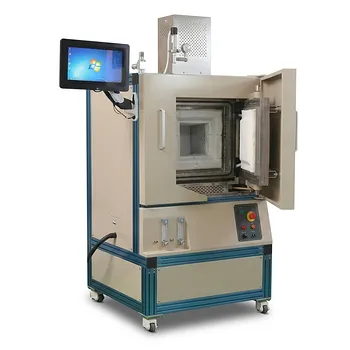
High Temperature Oxygen and Inert Atmosphere Controlled Furnace 8 Liter 1700C Sintering System for Advanced Materials RD
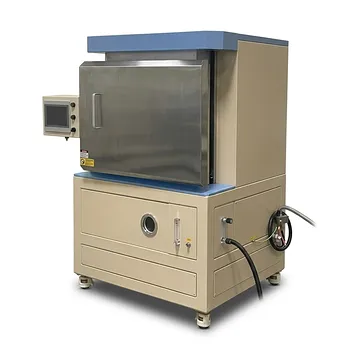
1650C High Temperature Atmosphere Controlled Box Furnace with 65L Chamber for Advanced Material Sintering and Industrial Heat Treatment
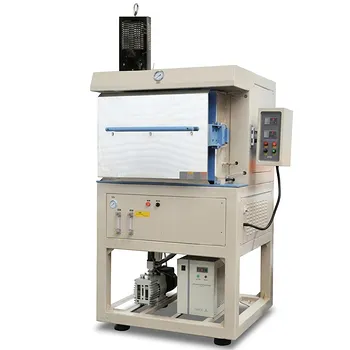
1200C Hydrogen Atmosphere Box Furnace with 5 Heated Sides and 64L Chamber
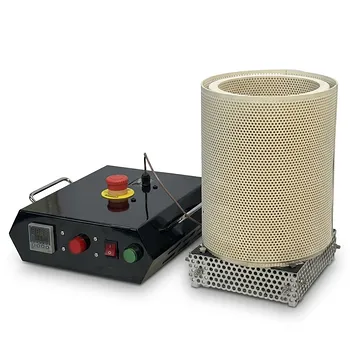
1250 C Compact Vertical Box Furnace for Glovebox Material Research Air Sensitive Samples
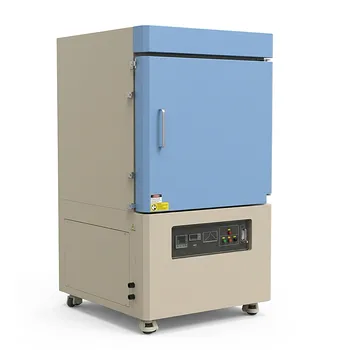
Industrial Large Box Furnace 1700C 216L High Temp Muffle Sintering System
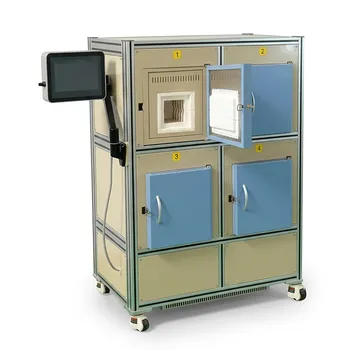
High Temperature Four Chamber Box Furnace for High Throughput Materials Research and Space Saving Thermal Processing
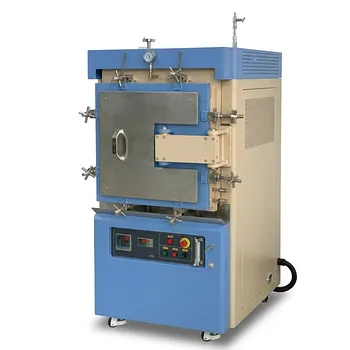
High Temperature Economic Hydrogen Gas Box Furnace 1600C Atmosphere Controlled Thermal Processing System 65L Capacity
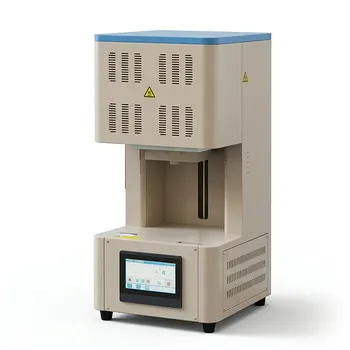
Automated 1700C High Temperature Bottom Loading Box Furnace with PC Software Control and Robotic Integration Capability
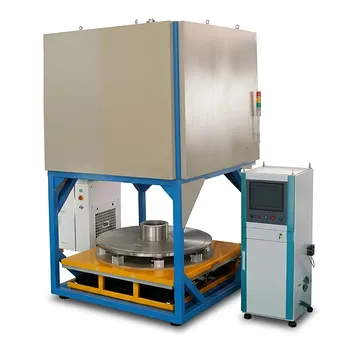
1400C Bottom Loaded Inert Gas Atmosphere Box Furnace with 125L Capacity and Precision Hydraulic Lift
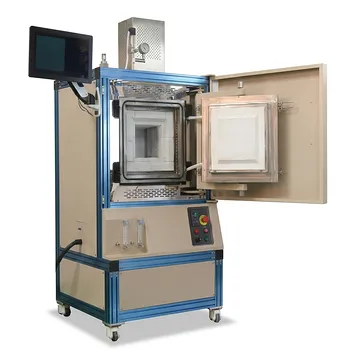
High Temperature Hydrogen Atmosphere Box Furnace 1650C Max Reducing Environment Material Synthesis System 8x8x8 Chamber
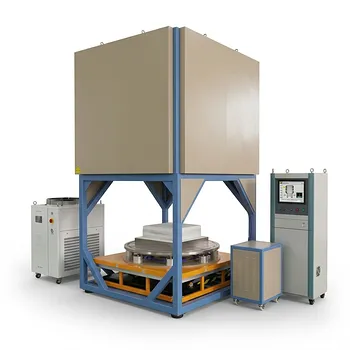
Bottom Loaded Inert Gas Atmosphere Box Furnace 1700C 1300C 216L Large Capacity Industrial Thermal Processing System
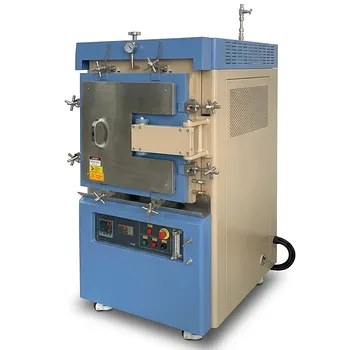
Atmosphere Controlled Muffle Furnace 1700C Maximum Temperature 80L High Capacity Vacuum Inert Gas Box Furnace
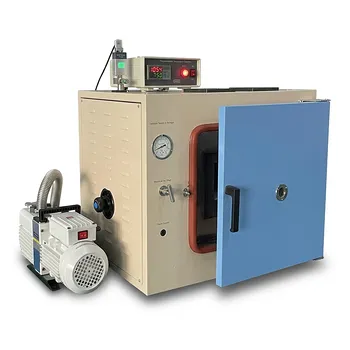
Compact High Vacuum Box Furnace 1050C Max 6.2L Ceramic Chamber Stainless Steel Shell Programmable Temperature Controller for Material Science Research
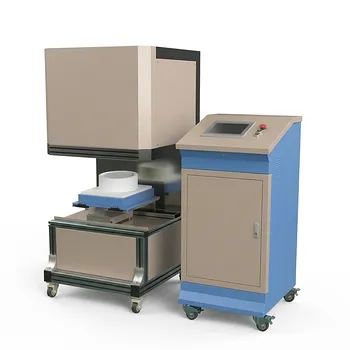
High Temperature Bottom Loading Box Furnace for Rapid Thermal Processing 1700C 40L Capacity
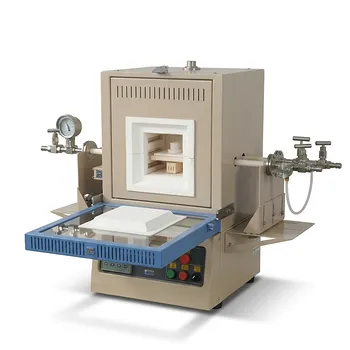
1700C Compact Hybrid Furnace with Dual Layer Box Sintering and Controlled Atmosphere Alumina Tubes
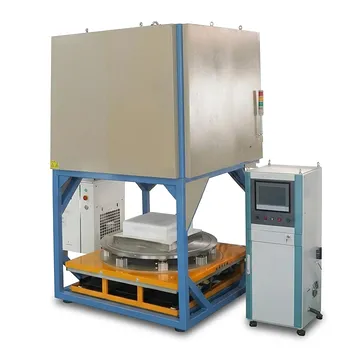
Bottom Loaded Inert Gas Atmosphere Box Furnace 1400C Maximum Temperature 125L High Capacity Laboratory Heat Treatment System
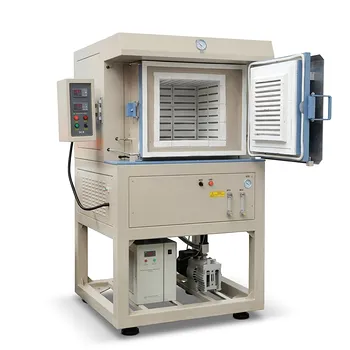
1200°C Five Side Heating Atmosphere Controlled Muffle Furnace 64 Liter High Uniformity Box Furnace for Material Synthesis
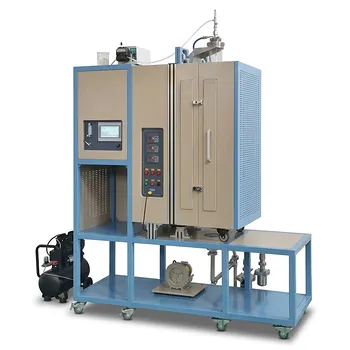
1500C Three Zone Vertical Pyrolysis Furnace for Nanoparticle Synthesis and Advanced Oxide Coating
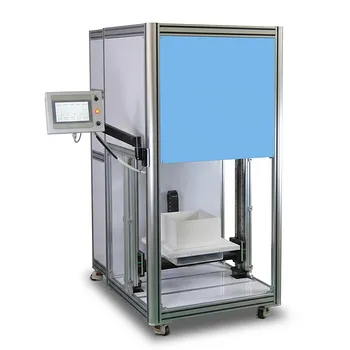
High Temperature 1600°C Three Zone Heated Bottom Loading Box Furnace with Rapid Thermal Processing Chamber 72L Volume