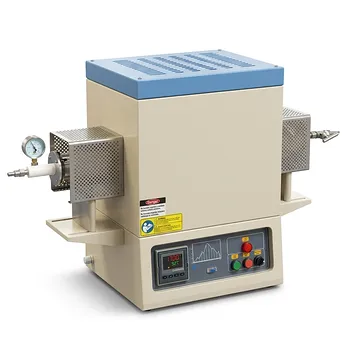
What role does an atmosphere furnace play in CN & Aux-CN preparation? Master Thermal Polycondensation & Stability.
Updated 3 months ago
The high-temperature atmosphere furnace acts as the primary reactor for the thermal polycondensation process required to synthesize Carbon Nanodots (CN) and Gold-modified Carbon Nanodots (Aux-CN).
By providing a stable 500°C environment under a high-purity nitrogen shield for four hours, the furnace facilitates the chemical transformation of precursor crystal films into a graphitic carbon nitride phase. This precise thermal treatment is essential for establishing the stable, layered crystal structure that defines the material's photoelectrochemical properties.
Core Takeaway: The high-temperature atmosphere furnace is indispensable for executing the thermal polycondensation of monomers into a stable graphitic carbon nitride phase while simultaneously preventing oxidative degradation through a controlled nitrogen environment.
Driving Thermal Polycondensation and Phase Transformation
Converting Monomers to Graphitic Carbon Nitride
The furnace provides the specific thermal energy required to trigger thermal polycondensation of precursor crystal films. At 500°C, the monomers undergo a chemical reorganization, merging into the complex molecular frameworks necessary for Carbon Nanodot formation.
Establishing Stable Layered Crystal Structures
The controlled soaking time—typically four hours—allows for the maturation of the material's internal architecture. This duration ensures the formation of a stable layered crystal structure, which is a prerequisite for the performance of Aux-CN photoelectrodes.
Defining Chemical and Physical States
Similar to the calcination and carbonization processes seen in other nanomaterials, the furnace environment defines the final chemical state of the nanodots. It ensures that the transition from a precursor film to a functional carbon nitride phase is complete and uniform across the material.
The Necessity of Controlled Atmospheric Environments
Preventing Oxidative Degradation
At the high temperatures required for synthesis, carbon-based materials are highly susceptible to reacting with oxygen. The furnace maintains a high-purity nitrogen protective environment that effectively shields the Aux-CN from oxidation, which would otherwise destroy the nanostructures.
Maintaining Purity and Performance Consistency
By utilizing an oxygen-free environment, the furnace guarantees that no unwanted chemical side reactions occur during the heating cycle. This "clean" thermal processing is vital for ensuring the purity and performance consistency of the final gold-modified photoelectrodes.
Ensuring Heating Uniformity
The design of the atmosphere furnace ensures that the precursor films are heated evenly. This thermal uniformity prevents localized defects or incomplete polycondensation, leading to a more homogeneous batch of Carbon Nanodots.
Understanding the Trade-offs
Temperature Sensitivity vs. Structural Integrity
While 500°C is required for polycondensation, exceeding the optimal temperature range can lead to excessive graphitization or the breakdown of the carbon nitride phase. Precise temperature control is a trade-off between ensuring reaction completion and avoiding the degradation of the material’s specific electronic properties.
Atmospheric Purity vs. Operational Cost
Maintaining a high-purity nitrogen or argon atmosphere increases operational complexity and cost. However, any compromise in the sealing performance of the furnace or the purity of the gas can lead to the loss of carbon fibers to oxidation, rendering the synthesis a failure.
Soaking Time and Production Throughput
The requirement for long soaking times (e.g., four hours) limits the speed of production. Shortening this process to increase throughput risks incomplete chemical transformation, resulting in nanodots with inferior stability and lower photoelectrochemical activity.
How to Apply This to Your Synthesis Project
When utilizing a high-temperature atmosphere furnace for the preparation of CN or Aux-CN, your technical approach should vary based on your specific research or production goals.
- If your primary focus is material purity: Ensure the furnace has a high-vacuum or superior sealing system to maintain an absolute oxygen-free nitrogen environment during the entire 500°C cycle.
- If your primary focus is structural stability: Prioritize the precision of the furnace's temperature control system to maintain a steady 500°C without fluctuations that could disrupt the layered crystal formation.
- If your primary focus is maximizing conductivity: Consider exploring higher-temperature carbonization stages (800°C–1000°C) as suggested by supplementary carbonization techniques, though this may alter the specific carbon nitride phase.
By mastering the balance between precise thermal energy and atmospheric protection, you can reliably produce high-performance Gold-modified Carbon Nanodots with consistent electrochemical properties.
Summary Table:
| Key Process | Parameter | Role in CN/Aux-CN Synthesis |
|---|---|---|
| Thermal Polycondensation | 500°C Soaking | Converts monomers into stable graphitic carbon nitride phases. |
| Atmospheric Shielding | High-Purity Nitrogen | Prevents oxidative degradation of carbon nanostructures. |
| Structural Maturation | 4-Hour Duration | Establishes the stable, layered crystal structure for photoelectrodes. |
| Thermal Uniformity | Precision Heating | Ensures a homogeneous chemical state across the entire batch. |
Elevate Your Nanomaterial Research with THERMUNITS Precision Furnaces
Achieving the perfect layered crystal structure for Carbon Nanodots (CN) and Aux-CN requires absolute control over thermal energy and atmospheric purity. THERMUNITS is a leading manufacturer of high-temperature laboratory equipment specifically designed for material science and industrial R&D.
We provide a comprehensive range of thermal processing solutions tailored to your synthesis needs, including:
- Atmosphere and Vacuum Furnaces for oxygen-free polycondensation.
- Tube and Muffle Furnaces for precise calcination.
- CVD/PECVD Systems and Hot Press Furnaces for advanced material deposition.
- Rotary Kilns, Vacuum Induction Melting (VIM), and high-quality Thermal Elements.
Our equipment ensures the thermal uniformity and sealing performance necessary for high-performance gold-modified photoelectrodes. Contact THERMUNITS today to find the perfect heat treatment solution for your lab!
References
- Yanfeng Fang, Yuanjian Zhang. Timescale correlation of shallow trap states increases electrochemiluminescence efficiency in carbon nitrides. DOI: 10.1038/s41467-024-48011-y
Mentioned Products
- 1650C High Temperature Atmosphere Controlled Box Furnace with 65L Chamber for Advanced Material Sintering and Industrial Heat Treatment
- High Temperature Vertical Atmosphere Controlled Furnace with Automatic Bottom Loading and 1700°C Capacity for Advanced Material Research
- 1750°C High Temperature Benchtop Vacuum Atmosphere Tube Furnace with Kanthal Super 1800 Heating Elements and 60mm Alumina Processing Tube
- High Temperature Oxygen and Inert Atmosphere Controlled Furnace 8 Liter 1700C Sintering System for Advanced Materials RD
- High Temperature Hydrogen Atmosphere Box Furnace 1650C Max Reducing Environment Material Synthesis System 8x8x8 Chamber
People Also Ask
- What role does atmosphere control play in technical ceramics and glass? Master Material Purity and Precision
- What role does a high-temperature atmosphere furnace play in the direct electrochemical reduction of CO2? - Key Insights
- What is the role of a high-temperature box furnace in the solid-state synthesis of Europium-doped M3MgSi2O8 phosphors?
- What is the role of a high-temperature box furnace in Na3MnZr(PO4)3 synthesis? Engineering High-Performance NASICON.
- What is the role of a high-temperature atmosphere furnace in Co/Co0.85Se@NC synthesis? Optimize Catalyst Performance

Tech Team · ThermUnits
Last updated on Jun 03, 2026
Related Products
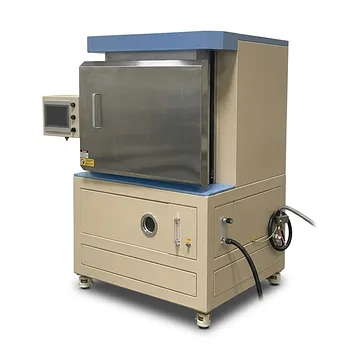
1650C High Temperature Atmosphere Controlled Box Furnace with 65L Chamber for Advanced Material Sintering and Industrial Heat Treatment
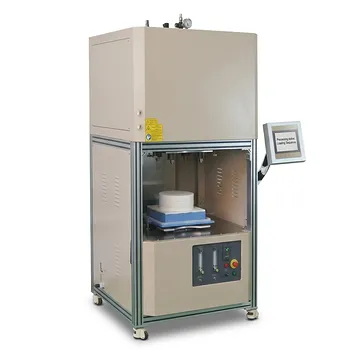
High Temperature Vertical Atmosphere Controlled Furnace with Automatic Bottom Loading and 1700°C Capacity for Advanced Material Research
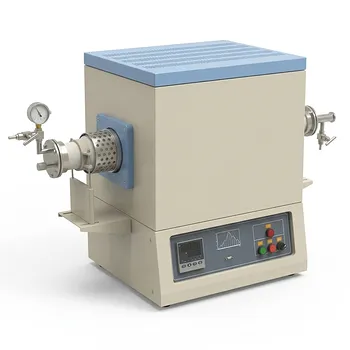
1750°C High Temperature Benchtop Vacuum Atmosphere Tube Furnace with Kanthal Super 1800 Heating Elements and 60mm Alumina Processing Tube
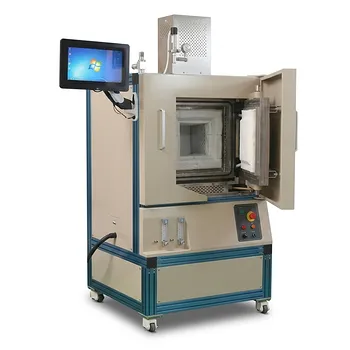
High Temperature Oxygen and Inert Atmosphere Controlled Furnace 8 Liter 1700C Sintering System for Advanced Materials RD
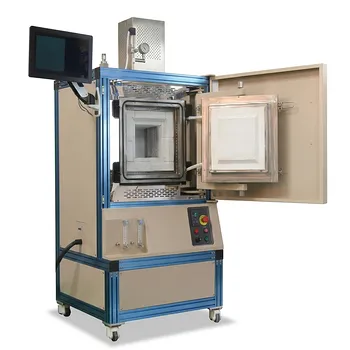
High Temperature Hydrogen Atmosphere Box Furnace 1650C Max Reducing Environment Material Synthesis System 8x8x8 Chamber
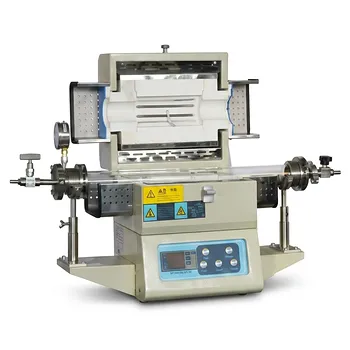
High Temperature 1200C Split Tube Furnace for CVD Research and Vacuum Atmosphere Heat Treatment
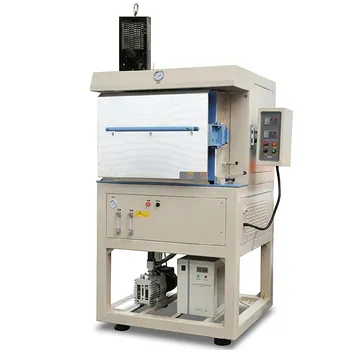
1200C Hydrogen Atmosphere Box Furnace with 5 Heated Sides and 64L Chamber
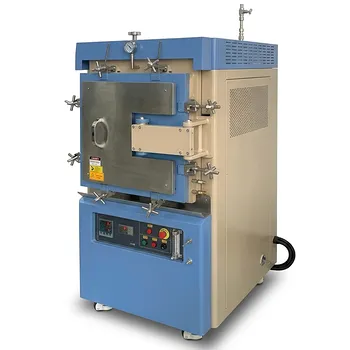
Atmosphere Controlled Muffle Furnace 1700C Maximum Temperature 80L High Capacity Vacuum Inert Gas Box Furnace
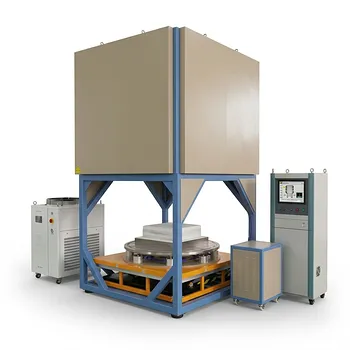
Bottom Loaded Inert Gas Atmosphere Box Furnace 1700C 1300C 216L Large Capacity Industrial Thermal Processing System
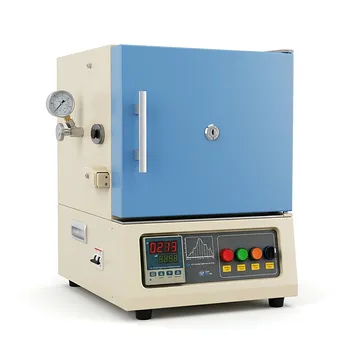
1200C Hybrid Muffle and Tube Furnace for Material Research with Dual Atmosphere Control Quartz Tubes
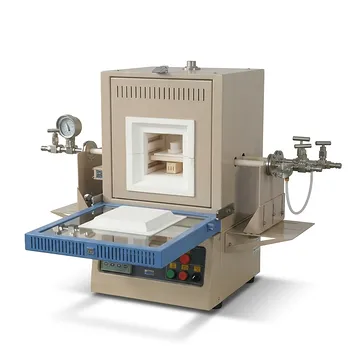
1700C Compact Hybrid Furnace with Dual Layer Box Sintering and Controlled Atmosphere Alumina Tubes
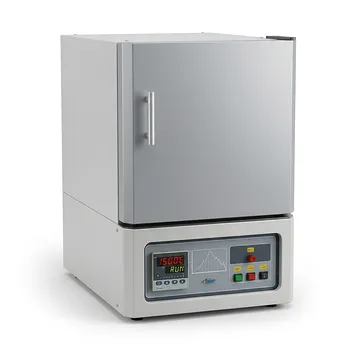
High Temperature 1500C Benchtop Muffle Furnace 3.6L Alumina Fiber Chamber Programmable Controller Sintering Annealing Carbonization Thermal Processing System

Vertical 1700C Vacuum and Atmosphere Tube Furnace with 80mm Alumina Tube

High Temperature 1700C Tube Furnace with High Vacuum Turbomolecular Pump System and Multi Channel Mass Flow Controller Gas Mixer
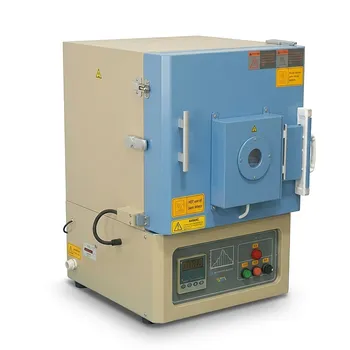
High Temperature Benchtop Muffle Furnace 1500C with 3.6L Chamber and Quartz Observation Window
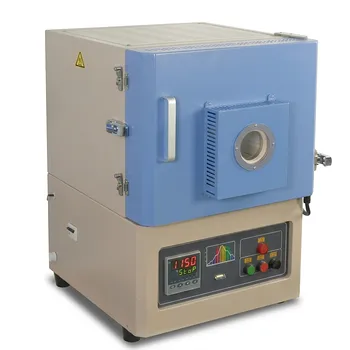
High Temperature Benchtop Muffle Furnace with Quartz Observation Window for Thermal Imaging and Material Analysis
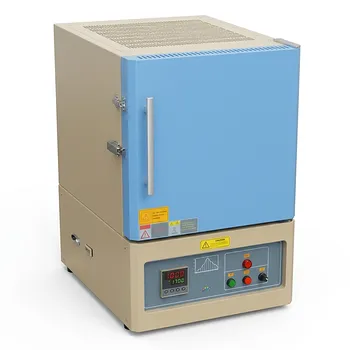
Large Bench Top 1700C High Temperature Muffle Furnace with 19L Chamber for Advanced Material Sintering and Annealing

High Temperature 1700C Benchtop Tube Furnace with 5 Inch Heating Zone High Purity Alumina Tube and Vacuum Sealing Flanges
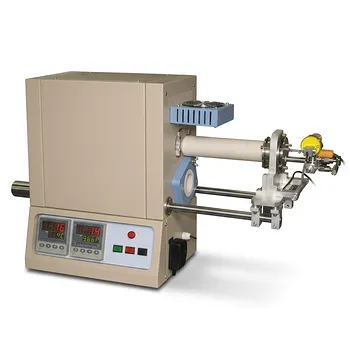
High Temperature Tube Furnace 1500C with Sliding Flanges and 50mm OD for Rapid Thermal Processing Fast Heating and Cooling