Why is a tube furnace required for FGM-PhG structural color ceramics? Key to Carbon Preservation & Vibrant Color
Updated 3 months ago
The preservation of carbon components is the fundamental requirement. To produce FGM-PhG structural color ceramics, pre-ceramic polymers must undergo high-temperature pyrolysis in an environment entirely devoid of oxygen. An atmosphere-controlled furnace provides the necessary inert shield—typically using high-purity nitrogen—to prevent the oxidation of free carbon within the Silicon Oxycarbide (SiOC) matrix.
Core Takeaway: Atmosphere control is essential because it protects internal carbon absorbers from oxidation during high-temperature processing. These carbon components are the key to eliminating light scattering, which allows the ceramic to exhibit vibrant, visible structural colors.
The Role of Pyrolysis in SiOC Synthesis
Converting Polymers to Ceramics
The preparation of these ceramics involves a process called pyrolysis, where pre-ceramic polymers are heated to extreme temperatures. During this phase, the molecular structure rearranges to form a stable Silicon Oxycarbide (SiOC) matrix.
The Requirement for Inert Environments
This chemical transformation must occur in an inert atmosphere, such as high-purity nitrogen or argon. Without strict atmosphere control, the material would react with ambient oxygen, fundamentally altering the intended chemical stoichiometry and performance of the ceramic.
Carbon as a Critical Optical Component
The Function of Internal Absorbers
Within the SiOC matrix, free carbon components act as vital internal absorbers. These carbon atoms are not just structural; they play a decisive role in how the material interacts with light.
Eliminating Incoherent Scattering
Vibrant structural colors are often obscured by incoherent scattering, which can make a material appear white or washed out. The retained carbon absorbers neutralize this scattering, ensuring that the structural color remains vivid and saturated, even when the ceramic is placed against a white background.
Engineering the Controlled Environment
Preventing Oxidative Degradation
At temperatures exceeding 750°C to 800°C, carbon and other sensitive precursors become highly reactive. A sealed tube furnace effectively isolates the sample from oxygen and moisture, preventing the "burning off" of the carbon phases that are essential for the final optical properties.
Maintaining Chemical Purity
By using a controlled atmosphere, researchers can ensure the chemical purity of the resulting phases, such as molybdenum carbide or silicon-based ceramics. This precision allows for the successful incorporation of heteroatoms into the carbon network, which defines the material's final pore structure and stability.
Understanding the Trade-offs
Gas Purity and Flow Dynamics
Simply introducing an inert gas is often insufficient; the purity of the gas (e.g., 99.999% Nitrogen) is critical. Any trace amounts of oxygen or moisture leaking into the furnace tube can result in partial oxidation, leading to dull colors or structural defects in the SiOC matrix.
Thermal Consistency vs. Gas Consumption
Maintaining a continuous flow of inert gas helps exclude oxygen but can create thermal gradients within the furnace tube. If the gas flow is too high, it may cool the sample unevenly, while a flow that is too low may fail to sufficiently flush out the gaseous byproducts of pyrolysis.
Practical Steps for Successful Preparation
How to Apply This to Your Project
To achieve high-quality FGM-PhG structural color ceramics, your furnace setup and gas management must be prioritized.
- If your primary focus is Maximum Color Saturation: Ensure the furnace is purged thoroughly with high-purity nitrogen before heating to protect the free carbon absorbers.
- If your primary focus is Structural Integrity: Monitor gas flow rates precisely to prevent the accumulation of volatile byproducts that can interfere with the SiOC matrix formation.
- If your primary focus is Phase Purity: Utilize a vacuum-capable tube furnace to remove residual air before introducing reducing or inert gases.
Precision control over the thermal environment ensures that the hidden chemistry of carbon becomes the visible beauty of structural color.
Summary Table:
| Key Requirement | Role in FGM-PhG Processing | Impact on Final Ceramic |
|---|---|---|
| Inert Atmosphere | Prevents oxidation of free carbon in SiOC matrix | Eliminates light scattering for vibrant color |
| Sealed Tube Design | Isolates sample from ambient oxygen/moisture | Maintains chemical stoichiometry and purity |
| High-Purity N2/Ar | Provides a protective shield during pyrolysis | Protects internal carbon absorbers from degradation |
| Flow Management | Removes gaseous pyrolysis byproducts | Ensures structural integrity and uniform color |
Achieve Precision in Advanced Ceramic Synthesis with THERMUNITS
At THERMUNITS, we understand that success in material science and industrial R&D depends on absolute control over your thermal environment. As a leading manufacturer of high-temperature laboratory equipment, we provide the specialized tools necessary for complex processes like SiOC pyrolysis and FGM-PhG ceramic preparation.
Our comprehensive range of Atmosphere and Tube Furnaces, CVD/PECVD systems, and Vacuum Hot Press furnaces are engineered to provide the rigorous atmosphere control and thermal stability your research demands. Whether you are preserving carbon absorbers or engineering complex phase structures, THERMUNITS delivers the reliability and precision to bring your material innovations to life.
Ready to enhance your lab's thermal processing capabilities? Contact us today to discuss your specific requirements!
References
- Benedikt F. Winhard, Kaline P. Furlan. Achieving High-Temperature Stable Structural Color through Nanostructuring in Polymer-Derived Ceramics. DOI: 10.1021/acsami.4c01047
Mentioned Products
- 1200C Atmosphere Controlled Automatic Bottom Loading Furnace with 6 Inch Quartz Tube Dual Zone System
- 1650C High Temperature Atmosphere Controlled Box Furnace with 65L Chamber for Advanced Material Sintering and Industrial Heat Treatment
- 1200°C Atmosphere Controlled Automatic Bottom Loading Furnace with 6 Inch Quartz Tube
- High Temperature Oxygen and Inert Atmosphere Controlled Furnace 8 Liter 1700C Sintering System for Advanced Materials RD
- Atmosphere Controlled Muffle Furnace 1700C Maximum Temperature 80L High Capacity Vacuum Inert Gas Box Furnace
People Also Ask
- Why must carbothermic reduction of spent Li-battery powders be in an atmosphere furnace? Ensure High-Yield Recovery
- In what ways does an atmosphere control system affect nanoporous gold structure? Control Oxygen for Precision Design.
- What are the advantages of using a quartz tube atmosphere furnace for Pt-MFI catalysts? Optimize Precision H2 Reduction
- Why is a quartz tube atmosphere furnace required for PSS grafting on silicon? Ensure Precision & Prevent Oxidation
- Why is a quartz tube furnace with dual gas path control required for Ti4AlN3 etching? Optimize MXene Synthesis

Tech Team · ThermUnits
Last updated on Jun 02, 2026
Related Products
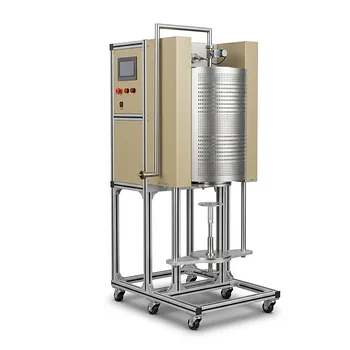
1200C Atmosphere Controlled Automatic Bottom Loading Furnace with 6 Inch Quartz Tube Dual Zone System
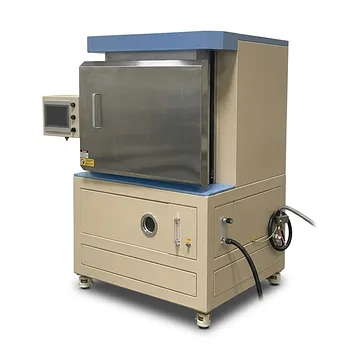
1650C High Temperature Atmosphere Controlled Box Furnace with 65L Chamber for Advanced Material Sintering and Industrial Heat Treatment
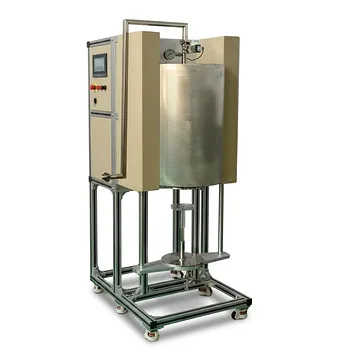
1200°C Atmosphere Controlled Automatic Bottom Loading Furnace with 6 Inch Quartz Tube
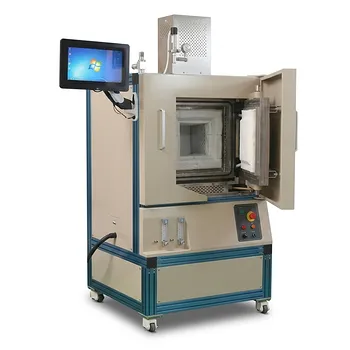
High Temperature Oxygen and Inert Atmosphere Controlled Furnace 8 Liter 1700C Sintering System for Advanced Materials RD
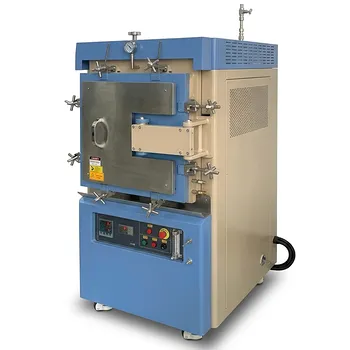
Atmosphere Controlled Muffle Furnace 1700C Maximum Temperature 80L High Capacity Vacuum Inert Gas Box Furnace
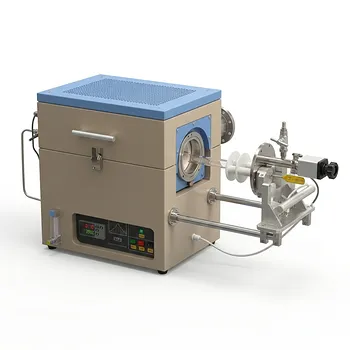
Compact Atmosphere Controlled Rapid Thermal Processing RTP Furnace with 4 Inch ID Quartz Tube 1100C
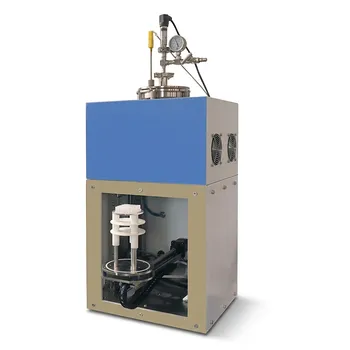
Rapid Thermal Processing RTP Atmosphere Controlled Bottom Loading Furnace 1100C High Throughput 50C per Second Heating Rate
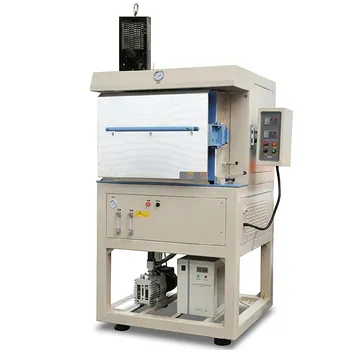
1200C Hydrogen Atmosphere Box Furnace with 5 Heated Sides and 64L Chamber
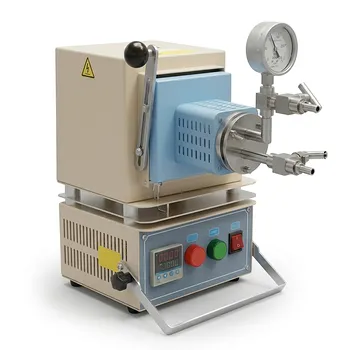
Compact Hybrid Muffle and Tube Furnace for 1000C Controlled Atmosphere Laboratory Material Sintering

Compact Vertical Split Quartz Tube Furnace with Stainless Steel Vacuum Flanges for Rapid Thermal Quenching and Controlled Atmosphere Material Processing
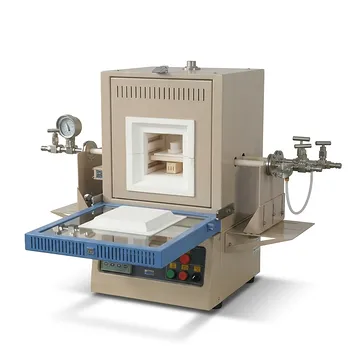
1700C Compact Hybrid Furnace with Dual Layer Box Sintering and Controlled Atmosphere Alumina Tubes
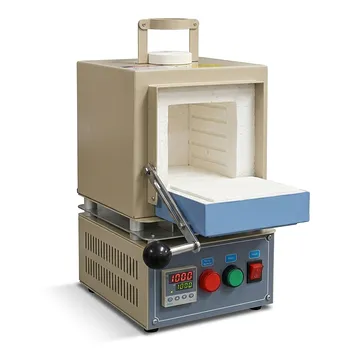
Compact 1000C Muffle Furnace with Programmable Controller and 2 Inch Top Port for Vacuum and Atmosphere Material Research
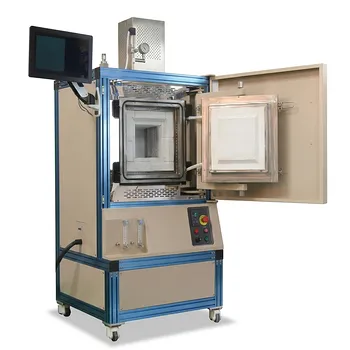
High Temperature Hydrogen Atmosphere Box Furnace 1650C Max Reducing Environment Material Synthesis System 8x8x8 Chamber

Vertical 1700C Vacuum and Atmosphere Tube Furnace with 80mm Alumina Tube
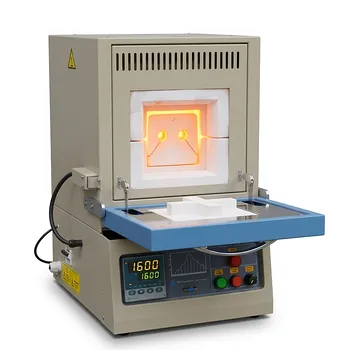
High Temperature Compact Muffle Furnace 1700 C with 30 Segment Programmable Controller and 1.7L Cubic Chamber
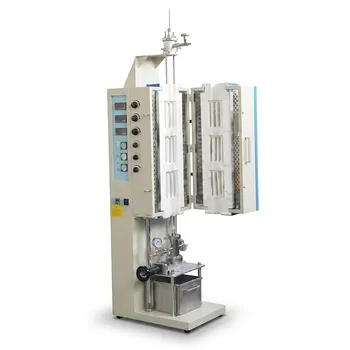
High Temperature Dual Zone Tube Furnace for Material Science Research and Professional Thermal Processing
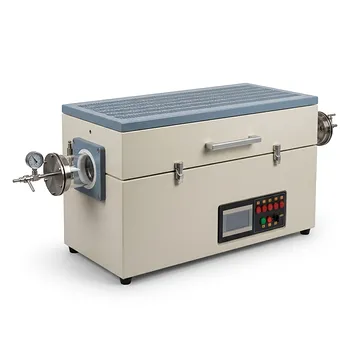
Five Zone 1200C High Temperature Split Tube Furnace with Touch Screen Controller and Multiple Quartz Tube Options
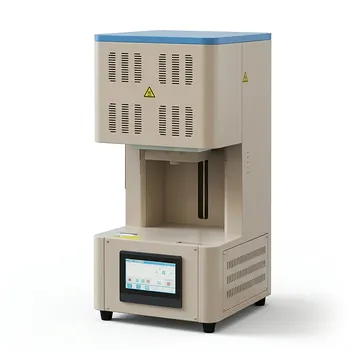
Automated 1700C High Temperature Bottom Loading Box Furnace with PC Software Control and Robotic Integration Capability
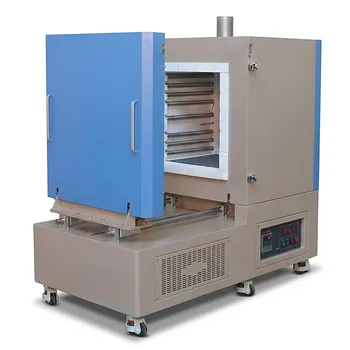
1200C Five Side Heating Muffle Furnace with Sliding Door 125L Volume High Temperature Heat Treatment System for Large Scale Sintering and Annealing
