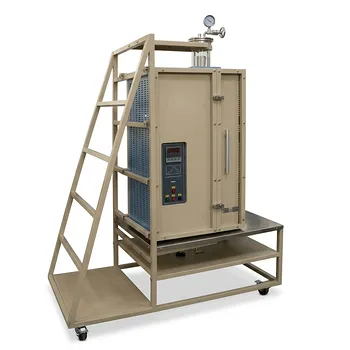
Why is a high-temperature vertical tube furnace used for laterite nickel smelting? Achieve precise metallurgical control.
Updated 3 months ago
The high-temperature vertical tube furnace is the fundamental apparatus for laterite nickel research because it provides the extreme thermal stability and atmospheric precision required to simulate industrial smelting. This equipment achieves temperatures exceeding 1550°C, a threshold essential for maintaining the molten state of nickel-bearing slag and metal phases. By integrating precise gas delivery systems with a specialized vertical geometry, it allows researchers to isolate thermodynamic variables and observe the complex reduction kinetics of nickel and iron.
The vertical tube furnace provides a highly controlled environment where temperature uniformity and redox atmospheres can be strictly maintained to study slag-metal reactions. It is the only laboratory-scale tool capable of accurately mimicking the high-heat, gas-dependent conditions of industrial laterite nickel smelting.
Achieving Critical Thermodynamic Thresholds
Precise Temperature Fields for Molten States
Reduction smelting of laterite nickel ore requires a uniform temperature field that often exceeds 1550°C. This level of heat is necessary to ensure that both the slag and the resulting ferronickel alloy remain in a fully molten state, facilitating the separation of valuable metals from the gangue.
Stabilization of Isothermal Zones
Vertical tube furnaces use high-performance heating elements, such as silicon carbide or molybdenum disilicide, to create a stable "constant temperature zone." This stability is vital for investigating reaction kinetics, as even minor temperature fluctuations can significantly alter the reduction rate of nickel versus iron.
Atmospheric Control and Redox Precision
Regulation of Selective Reduction
The furnace’s sealed structure allows for the introduction of specific process gases, such as hydrogen, carbon monoxide, or natural gas, from the top or bottom. This enables researchers to maintain a precise redox atmosphere, which is critical for prioritizing the reduction of nickel while limiting the over-reduction of iron.
Simulation of Industrial Gas Environments
By adjusting the ratio of gases (e.g., natural gas to nitrogen), the furnace can simulate the reductive environment of a large-scale industrial smelting furnace. This allows for the optimization of gas-solid and gas-liquid interactions, ensuring that the thermodynamic conditions favor the concentration of nickel into a matte or alloy phase.
The Structural Advantages of Vertical Design
Sample Suspension and Precision Measurement
The vertical orientation facilitates the use of suspended sample holders, allowing the ore and reducing agents to be positioned perfectly within the thermal center. This design also simplifies the installation of high-precision thermocouples and sensors for real-time monitoring of the reaction environment.
Phase Preservation through Drop Quenching
A unique advantage of the vertical configuration is the ability to perform drop quenching. Samples can be rapidly released from the high-temperature zone into a cooling medium, "freezing" the high-temperature phase equilibrium for detailed post-reaction analysis under a microscope.
Understanding the Trade-offs
Equipment Limitations and Scalability
While excellent for precision, tube furnaces are limited by small sample volumes, which may not fully represent the mechanical mixing found in industrial rotary kilns or electric furnaces. The results provide high-quality thermodynamic data but must be carefully scaled to account for mass transfer differences in larger systems.
Material Stress and Maintenance
Operating at temperatures near 1600°C places extreme thermal stress on the ceramic work tubes (often alumina). Frequent thermal cycling can lead to tube cracking or gas leaks, which compromises the inert or reducing atmosphere required for accurate results.
How to Apply This to Your Project
Making the Right Choice for Your Goal
To maximize the utility of a vertical tube furnace in your metallurgical research, align your setup with your specific analytical objectives.
- If your primary focus is phase equilibrium analysis: Utilize the vertical drop-quenching feature to preserve the high-temperature mineral structures for SEM/EDX analysis.
- If your primary focus is optimizing nickel recovery: Focus on the precision gas mixing system to determine the exact CO/CO2 or H2/Ar ratios that maximize nickel reduction while minimizing iron slagging.
- If your primary focus is kinetic modeling: Ensure your furnace has a wide "constant temperature zone" to maintain rigorous isothermal conditions throughout the duration of the reduction trial.
The vertical tube furnace remains the definitive tool for transforming raw laterite ore into actionable metallurgical data through its unmatched control over heat and chemistry.
Summary Table:
| Feature | Capability | Research Application |
|---|---|---|
| Temperature Range | Exceeds 1550°C | Maintains molten states of slag and metal phases |
| Atmospheric Control | Precise Redox Gas Mixing | Optimizes selective reduction of nickel over iron |
| Vertical Geometry | Sample Suspension & Drop Quench | Enables phase preservation for SEM/EDX analysis |
| Heating Elements | SiC or MoSi2 | Ensures stable isothermal zones for kinetic modeling |
Elevate Your Metallurgical R&D with THERMUNITS
As a global leader in high-temperature laboratory equipment, THERMUNITS provides the precision tools required to bridge the gap between lab-scale research and industrial production. Our high-temperature vertical tube furnaces are specifically engineered for the rigorous demands of laterite nickel ore smelting, offering unmatched thermal stability and atmospheric precision.
Our Comprehensive Thermal Solutions Include:
- Furnace Variety: Muffle, Vacuum, Atmosphere, Tube, Rotary, and Hot Press Furnaces.
- Advanced Systems: CVD/PECVD systems, Dental Furnaces, and Vacuum Induction Melting (VIM) furnaces.
- Industrial Kilns: Electric rotary kilns and specialized thermal elements for material science.
By choosing THERMUNITS, you gain a partner dedicated to optimizing your thermal processing efficiency. Whether you are conducting phase equilibrium analysis or kinetic modeling, our equipment delivers the accuracy your data depends on.
Ready to optimize your heat treatment process? Contact our expert team at THERMUNITS today to find the perfect solution for your lab!
References
- Erdenebold Urtnasan, Jei‐Pil Wang. Artificial Slags with Modulated Properties for Controlled Nickel Dissolution in Smelting Process. DOI: 10.1007/s12666-024-03304-0
Mentioned Products
- High Temperature 1700C Vertical Tube Furnace for Powder Spherification and Material Sintering
- High Temperature 1100C Compact Top Loading Vertical Vacuum Tube Furnace for High Vacuum Noble Metal Melting and Material Research
- High Temperature 1700C Vertical Split Tube Furnace for Material Quenching and Single Crystal Growth
- Multi Position Tube Furnace 1100C for Laboratory Material Research and Advanced Industrial Thermal Processing
- High Temperature Vertical Atmosphere Controlled Furnace with Automatic Bottom Loading and 1700°C Capacity for Advanced Material Research
People Also Ask
- What role does a high-temperature vertical tube furnace play in simulating high-carbon ferromanganese slag formation?
- What functions does a vertical high-temperature tube furnace perform? Master Industrial Sintering & R&D Simulation
- What is the primary function of a high-temperature tube furnace in Cu1-N-C synthesis? Precision Thermal Control.
- High-Temp Tube Furnace Role in Converting Microbial Proteins to Iron Single-Atom Sites: Expert Synthesis Guide
- What impact does the heating rate of a tube furnace have on biochar microstructure? Optimize Your Material R&D.

Tech Team · ThermUnits
Last updated on Jun 03, 2026
Related Products

High Temperature 1700C Vertical Tube Furnace for Powder Spherification and Material Sintering
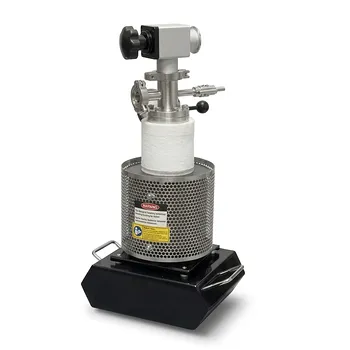
High Temperature 1100C Compact Top Loading Vertical Vacuum Tube Furnace for High Vacuum Noble Metal Melting and Material Research
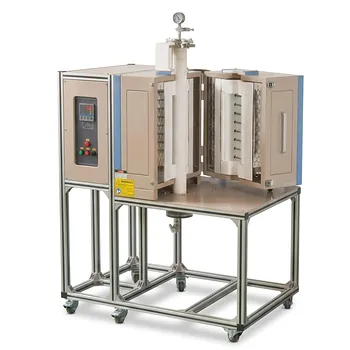
High Temperature 1700C Vertical Split Tube Furnace for Material Quenching and Single Crystal Growth
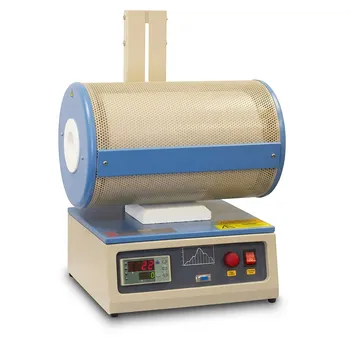
Multi Position Tube Furnace 1100C for Laboratory Material Research and Advanced Industrial Thermal Processing
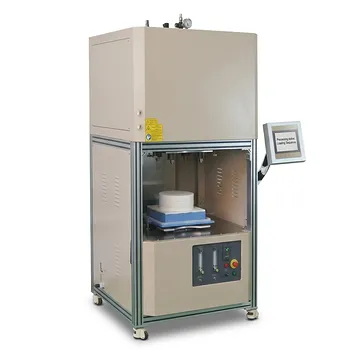
High Temperature Vertical Atmosphere Controlled Furnace with Automatic Bottom Loading and 1700°C Capacity for Advanced Material Research
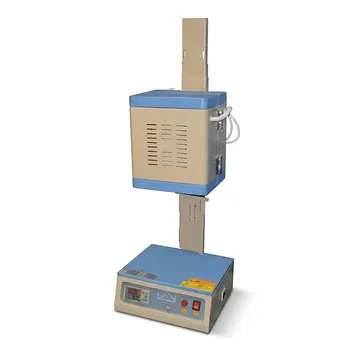
High Temperature Vertical Split Tube Furnace with PID Temperature Controller for 1 and 2 Inch Processing Tubes
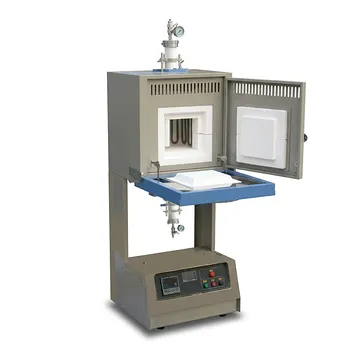
Vertical Hybrid High Temperature Furnace 1500C Alumina Tube SOFC Fuel Cell Testing Laboratory Heat Treatment Research Equipment
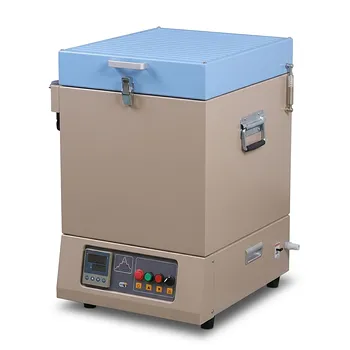
High Temperature Vertical Crucible Furnace with 22L Heating Chamber and 1200C Maximum Temperature
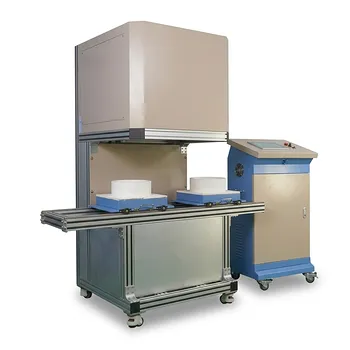
High Temperature Bottom Loading Vertical Furnace 1700C Dual Stage Sample Processing System 18L Large Capacity Thermal Treatment Equipment

Compact High Temperature 1600C Tube Furnace with 50mm Alumina Tube and Vacuum Flanges for Material Sintering
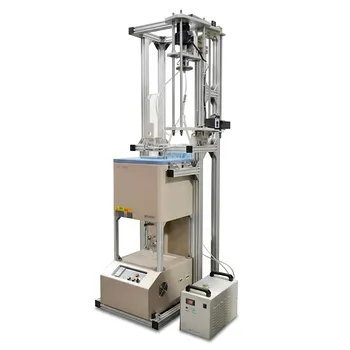
500C Vacuum Vertical Tube Furnace 84mm OD Sample Rotation Lifting System

High Temperature 1700C Tube Furnace with High Vacuum Turbomolecular Pump System and Multi Channel Mass Flow Controller Gas Mixer
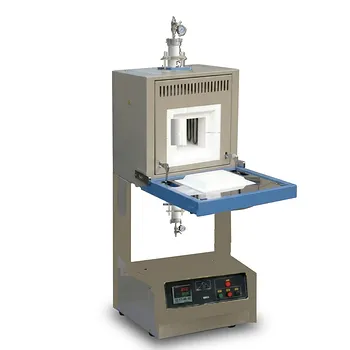
High Temperature Vertical Hybrid Furnace with Alumina Tube and SiC Heating for SOFC Coin Cell Testing and Atmosphere Processing

1200°C 5 Inch Vertical Quartz Tube Furnace with Stainless Steel Vacuum Flanges
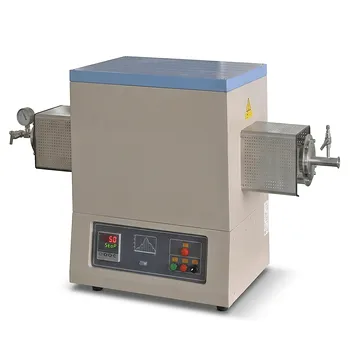
High Temperature 1700C Tube Furnace with 4 Inch OD Alumina Tube and Vacuum Sealing Flanges
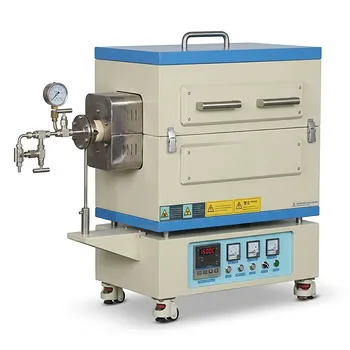
High Temperature Split Tube Furnace 1500C for Material Research Vacuum and Atmosphere Thermal Processing

Vertical 1700C Vacuum and Atmosphere Tube Furnace with 80mm Alumina Tube
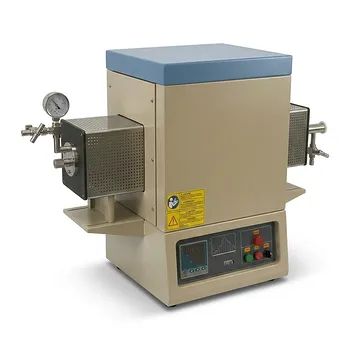
High Temperature 1700C Benchtop Tube Furnace with 5 Inch Heating Zone High Purity Alumina Tube and Vacuum Sealing Flanges
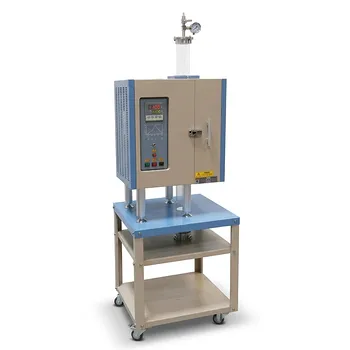
1100°C Split Vertical Tube Furnace with 80mm Quartz Tube and Stainless Steel Vacuum Flanges