Why is Ar/5%H2 required for MnBi ribbon annealing? Ensure High-Purity Ferromagnetic Phase Formation
Updated 6 months ago
Achieving the high-performance ferromagnetic phase in Manganese-Bismuth (MnBi) ribbons requires a strictly controlled chemical environment during heat treatment. Manganese is an exceptionally reactive element that oxidizes rapidly when exposed to even trace amounts of oxygen at elevated temperatures. By using a mixed atmosphere of Argon and 5% Hydrogen, researchers can suppress these oxidation reactions, allowing the manganese and bismuth to undergo the solid-state diffusion necessary to form the critical Low-Temperature Phase (LTP) that defines the material's magnetic strength.
Core Takeaway: The Ar/5%H2 atmosphere provides a dual-layer defense—Argon acts as an inert shield while Hydrogen functions as a reducing agent—to prevent manganese oxidation. This chemical protection is the fundamental prerequisite for synthesizing the high-purity ferromagnetic phase required for maximum saturation magnetization.
The Chemical Vulnerability of Manganese
High Oxidizability at Annealing Temperatures
Manganese is characterized by its high affinity for oxygen, especially during the high-temperature cycles required for annealing. In a standard environment, manganese atoms would react with oxygen before they could bond with bismuth.
This premature oxidation prevents the formation of the intended metallic alloy. Instead of a magnetic ribbon, the process would result in a mixture of bismuth and manganese oxides, which lack the desired ferromagnetic properties.
Maintaining Stoichiometric Integrity
The performance of MnBi ribbons depends on the precise ratio of manganese to bismuth. If a portion of the manganese is "lost" to oxidation, the stoichiometry of the ribbon is compromised.
Maintaining this balance is essential for the material to reach its theoretical magnetic potential. The reducing atmosphere ensures that every manganese atom remains available for the alloying process.
The Mechanics of the Mixed Gas Atmosphere
Argon as the Inert Foundation
Argon serves as the primary carrier gas in this mixture because it is chemically inactive. It displaces the bulk of the atmospheric air within the furnace, significantly reducing the initial concentration of oxygen and moisture.
However, even high-purity argon often contains "trace" oxygen. On its own, an inert gas is often insufficient to protect highly reactive elements like manganese from localized oxidation.
Hydrogen as the Active Scavenger
The 5% hydrogen component serves as a reducing agent that actively interacts with the environment. It reacts with any residual oxygen molecules to form water vapor, effectively maintaining an extremely low oxygen partial pressure.
This active scavenging ensures that the surface of the MnBi ribbon remains "clean" throughout the heat treatment. By neutralizing trace contaminants, hydrogen allows the internal atoms to rearrange without interference from oxide layers.
Enabling the Low-Temperature Phase (LTP)
Promoting Solid-State Diffusion
The transition of MnBi into its ferromagnetic state occurs through solid-state diffusion, where atoms move through the solid structure to form a specific crystalline lattice. This movement is highly sensitive to the purity of the metallic environment.
Oxidation acts as a barrier to this diffusion, pinning atoms in place or creating impurities that disrupt the crystal growth. The reducing atmosphere lowers the energy barriers for this movement, facilitating a more complete transformation.
Maximizing Saturation Magnetization
The goal of annealing MnBi is to maximize its saturation magnetization, which is a measure of how much magnetic flux the material can hold. This property is directly tied to the volume fraction of the LTP.
By ensuring a high-purity environment, the Ar/H2 mixture allows for the maximum possible conversion into the LTP. This results in a superior permanent magnet material with the high coercive force required for technical applications.
Understanding the Trade-offs
The 5% Safety Threshold
A concentration of 5% hydrogen is specifically chosen because it sits near the safety limit for laboratory and industrial environments. Hydrogen is highly flammable, and concentrations above 4-5% in air can become explosive.
Using a 5% mixture provides enough reducing power to protect the manganese while remaining "non-flammable" when diluted with the argon carrier. This balances chemical effectiveness with operational safety.
Managing Moisture Byproducts
While the reaction between hydrogen and oxygen protects the metal, it produces trace amounts of water vapor. In some high-precision setups, this moisture must be carefully managed or vented to prevent it from affecting the furnace components.
Failure to maintain a consistent flow of the gas mixture can lead to localized "pockets" of stagnant gas. This can result in uneven annealing and inconsistent magnetic properties across the length of the ribbon.
Applying This to Your Material Synthesis
Strategic Recommendations for Annealing
- If your primary focus is maximizing magnetic strength: Ensure the gas flow rate is high enough to continuously flush out any scavenged oxygen byproducts.
- If your primary focus is laboratory safety: Stick strictly to the 5% hydrogen limit to ensure the gas mixture remains below the combustion threshold.
- If your primary focus is phase purity: Use high-purity (99.999%) Argon as the base for your mixture to minimize the initial "oxygen load" the hydrogen must neutralize.
The synthesis of high-performance MnBi magnets is ultimately a battle against oxidation, where a carefully balanced Ar/H2 atmosphere serves as the essential chemical shield.
Summary Table:
| Component | Role | Impact on MnBi Synthesis |
|---|---|---|
| Argon (Ar) | Inert Carrier Gas | Displaces bulk oxygen and moisture; provides a protective shield. |
| 5% Hydrogen (H2) | Reducing Agent | Scavenges trace oxygen; prevents oxide layer formation on manganese. |
| Atmosphere Control | Chemical Protection | Maintains stoichiometry and facilitates solid-state diffusion. |
| Safety Threshold | 5% Concentration | Provides maximum reducing power while remaining below flammability limits. |
Elevate Your Material Research with THERMUNITS Precision Thermal Solutions
Achieving the perfect ferromagnetic phase in materials like Manganese-Bismuth requires more than just heat—it requires absolute atmospheric control. THERMUNITS is a leading manufacturer of high-temperature laboratory equipment designed specifically for material science and industrial R&D.
We provide the specialized tools necessary for complex heat treatments, including:
- Atmosphere and Vacuum Furnaces for precise gas mixing (Ar/H2).
- Tube, Muffle, and Rotary Furnaces for diverse ribbon and powder processing.
- Vacuum Induction Melting (VIM) and CVD/PECVD systems for advanced alloy synthesis.
- Hot Press and Dental Furnaces for high-density material consolidation.
Don’t let oxidation compromise your saturation magnetization. Let our experts help you configure the ideal furnace for your specific research goals.
Contact THERMUNITS Today to Optimize Your Heat Treatment Process
References
- Nguyễn Hoài Nam, Nguyen Xuan Truong. Enhanced Hard Magnetic Performance for MnBi Green Powders. DOI: 10.25073/2588-1124/vnumap.4880
Mentioned Products
- Large Bench Top 1700C High Temperature Muffle Furnace with 19L Chamber for Advanced Material Sintering and Annealing
- 1200C Five Side Heating Muffle Furnace with Sliding Door 125L Volume High Temperature Heat Treatment System for Large Scale Sintering and Annealing
- High Temperature 1500C Benchtop Muffle Furnace 3.6L Alumina Fiber Chamber Programmable Controller Sintering Annealing Carbonization Thermal Processing System
- Rapid Thermal Processing Atmosphere Controlled Bottom Loading Furnace 1100C with 50C Per Second Heating Rate for Wafer Annealing
- High Temperature 1000C Vacuum Furnace with 8 Inch ID Chamber for Material Sintering and Research Annealing
People Also Ask
- What is the purpose of using muffle or tube furnaces in glass synthesis? Achieve Precise Melt-Quenching & Homogeneity
- What role does a high-temperature muffle furnace play in evaluating the mineral composition of rock samples? LOI & XRF Guide
- What is the function of a high-temp muffle furnace in Ni-V oxide synthesis? Optimize your material's performance.
- What is the function of a high-temperature muffle furnace in phosphorus-modified zeolite catalyst preparation?
- What is the function of a muffle furnace in aluminoborosilicate glass prep? Stabilize Raw Materials for Superior Purity

Tech Team · ThermUnits
Last updated on Apr 14, 2026
Related Products
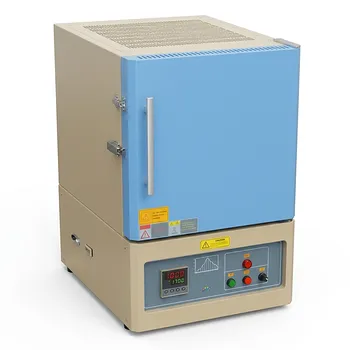
Large Bench Top 1700C High Temperature Muffle Furnace with 19L Chamber for Advanced Material Sintering and Annealing
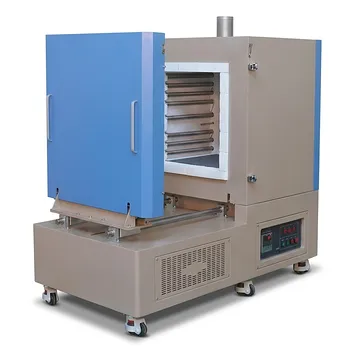
1200C Five Side Heating Muffle Furnace with Sliding Door 125L Volume High Temperature Heat Treatment System for Large Scale Sintering and Annealing
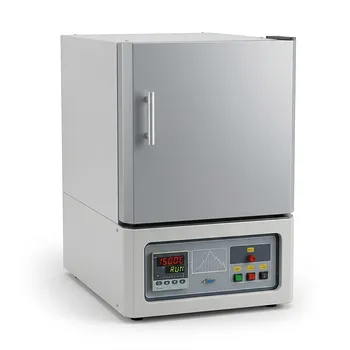
High Temperature 1500C Benchtop Muffle Furnace 3.6L Alumina Fiber Chamber Programmable Controller Sintering Annealing Carbonization Thermal Processing System
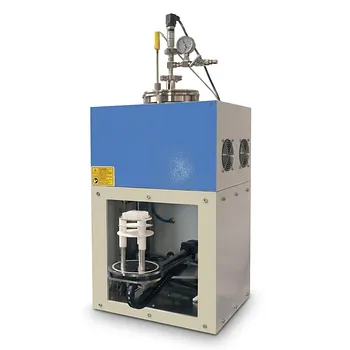
Rapid Thermal Processing Atmosphere Controlled Bottom Loading Furnace 1100C with 50C Per Second Heating Rate for Wafer Annealing
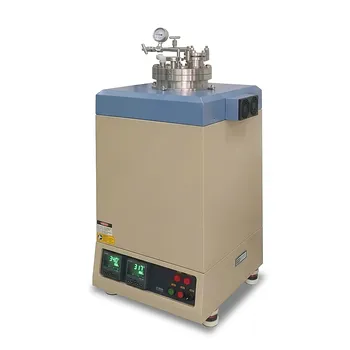
High Temperature 1000C Vacuum Furnace with 8 Inch ID Chamber for Material Sintering and Research Annealing
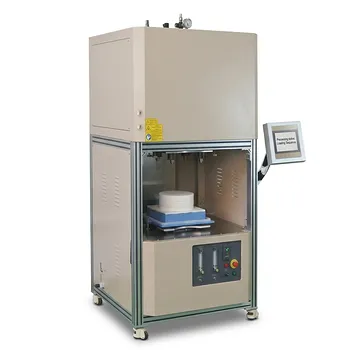
High Temperature Vertical Atmosphere Controlled Furnace with Automatic Bottom Loading and 1700°C Capacity for Advanced Material Research
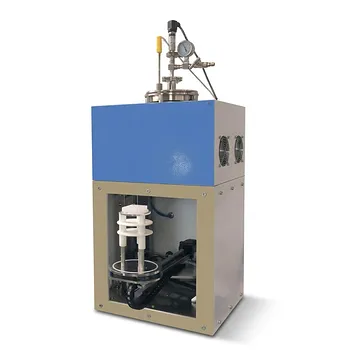
Rapid Thermal Processing Furnace 1100C Atmosphere Controlled Bottom Loading RTP System for Wafer Annealing and Catalysis Research
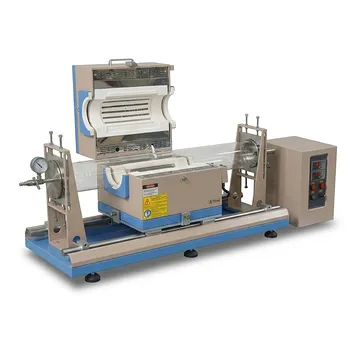
1200C High Temperature 5 Inch Sliding Tube Furnace for Rapid Thermal Processing RTP and Wafer Annealing
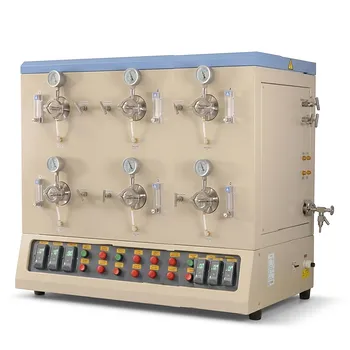
1200C High Throughput Multi Channel Tube Furnace with 50mm Quartz Tubes for Annealing and Material Phase Diagram Research
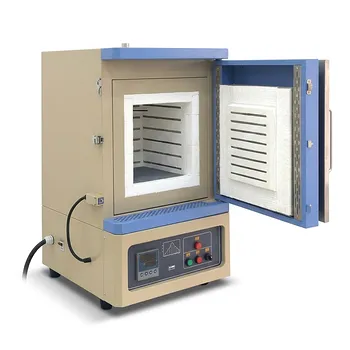
Five Side Heating Muffle Furnace High Purity Alumina Fiber 27L Chamber 1200C High Temperature Thermal Processing System for Sintering Annealing and Materials Research
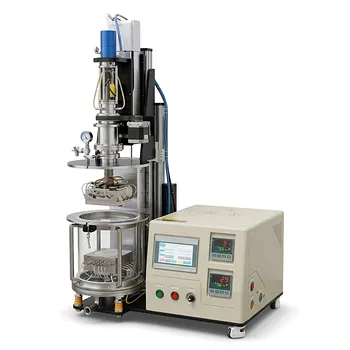
High Temperature 800C Rapid Thermal Processing Furnace with Rotating Sample Holder for Close Spaced Sublimation and Thin Film Solar Cell Research
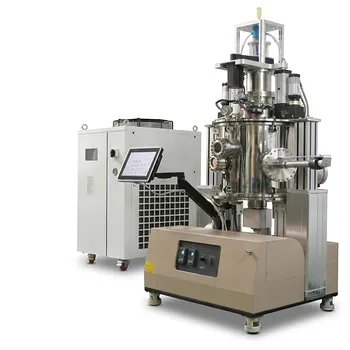
950C Rapid Thermal Processing Furnace for 12 Inch Wafer CSS Coating with Rotating Substrate Holder
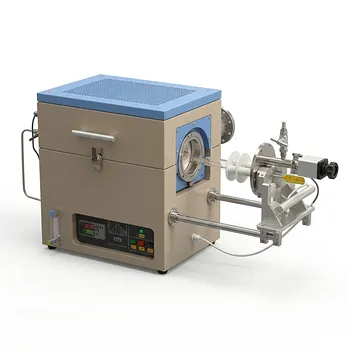
Compact Atmosphere Controlled Rapid Thermal Processing RTP Furnace with 4 Inch ID Quartz Tube 1100C
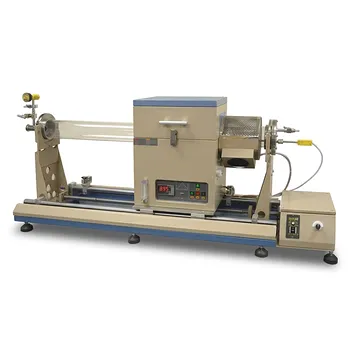
900 ºC Max Sliding RTP Tube Furnace with Rapid IR Heating and 4 Inch OD Quartz Tube
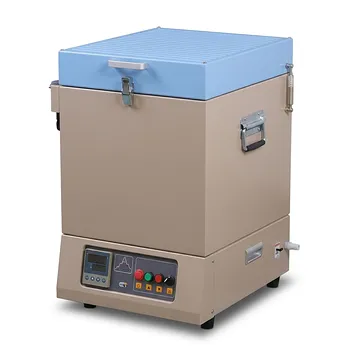
High Temperature Vertical Crucible Furnace with 22L Heating Chamber and 1200C Maximum Temperature