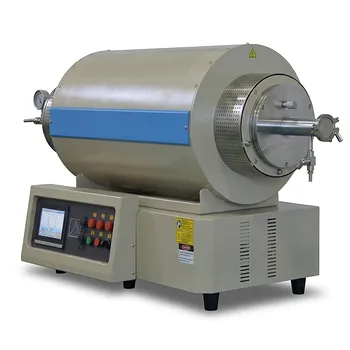
Why is a 3°C/min heating rate required for metal selenide anode synthesis? Achieve High-Performance Material Quality.
Updated 3 months ago
The necessity of a controlled 3°C per minute heating rate is rooted in the delicate balance of chemical kinetics and structural integrity during synthesis. A precise, slow heating rate ensures the steady decomposition of organic ligands and the controlled diffusion of selenium vapor throughout the precursor. This specific rhythm allows selenium to react completely with metal ions while providing the time required for amorphous carbon to form a stable, protective coating that prevents the material’s microscopic structure from collapsing.
Core Takeaway: Precision heating in a tube furnace is a strategic tool used to synchronize the timing of gas release with the formation of solid structures. By maintaining a 3°C/min gradient, researchers ensure that chemical selenization and carbonization occur in a controlled sequence rather than a chaotic, destructive event.
Synchronizing Chemical Reactions and Gas Diffusion
The Role of Controlled Selenium Diffusion
Selenium vapor must permeate the metal precursor uniformly to ensure a complete chemical reaction. A slow heating rate of 3°C per minute regulates the vapor pressure and flow of selenium, preventing localized concentrations that could lead to uneven material phases.
Managing Organic Ligand Decomposition
Metal selenide precursors often contain organic components that must be removed via thermal decomposition. If the temperature rises too quickly, these ligands decompose violently, generating internal gas pressure that can rupture the developing nanostructures.
Achieving Chemical Stoichiometry
Precise temperature control allows for the clear differentiation of reaction stages, such as the melting points of constituent metals or the formation of specific binary phases. This accuracy ensures the final product reaches the exact chemical stoichiometry required for high-performance battery anodes.
Safeguarding the Microscopic Architecture
Formation of the Carbon Coating
As organic ligands decompose, they transform into an amorphous carbon layer that encapsulates the metal selenide. A slow heating rate provides the necessary "dwell time" for this carbon to rearrange into a complete and stable coating.
Preventing Structural Collapse
Rapid heating leads to "flash" decomposition, where gases escape so quickly they shatter the material’s framework. The 3°C per minute rate acts as a safeguard, maintaining the structural integrity of the pores and channels essential for ion transport.
Optimizing Crystallinity and Purity
A stable thermal environment in a tube furnace ensures that nanoparticles achieve the desired crystallinity. By avoiding rapid temperature spikes, the system prevents the formation of undesirable by-products and ensures a high-purity crystalline phase.
Understanding the Trade-offs
The Risk of Excessive Heating Rates
Increasing the heating rate beyond the recommended 3°C/min often results in macroscopic fracturing of the material. This reduces the surface area available for electrochemical reactions, significantly degrading the performance of the anode.
The Impact of Prolonged Thermal Exposure
Conversely, an excessively slow heating rate can lead to grain growth, where nanoparticles merge into larger, less efficient structures. Finding the "sweet spot"—such as the 3°C/min mentioned—is critical to balancing reaction completeness with the retention of nano-scale features.
Atmospheric Interference
Even with a perfect heating rate, the presence of oxygen can ruin the synthesis. The tube furnace must maintain a sealed, inert atmosphere to prevent the unintended oxidation of sensitive metal selenides at high temperatures.
How to Apply This to Your Material Synthesis
To achieve the highest quality metal selenide anode materials, your heating strategy must be tailored to the specific thermal behavior of your precursors.
- If your primary focus is structural stability: Adhere strictly to a slow heating rate (3°C/min or lower) to allow the carbon coating to solidify without being ruptured by escaping gases.
- If your primary focus is phase purity: Utilize a programmable tube furnace to hold the temperature at specific "reaction windows" identified through thermogravimetric analysis (TGA).
- If your primary focus is optimizing conductivity: Ensure the furnace maintains a uniform high-temperature zone to promote the contraction of carbon interlayer spacing, which enhances electron transport.
Mastering the heating rate allows you to transform a simple thermal process into a precision engineering tool for advanced energy storage.
Summary Table:
| Process Component | Benefit of 3°C/min Rate | Risk of Excessive Heating |
|---|---|---|
| Selenium Diffusion | Uniform vapor pressure & reaction | Localized concentrations & uneven phases |
| Ligand Decomposition | Steady, controlled gas release | Violent expansion & nanostructure rupture |
| Carbon Coating | Stable & complete encapsulation | Fragmented layers & structural collapse |
| Crystallinity | High-purity crystalline phase | Macroscopic fracturing & reduced surface area |
| Atmosphere | Consistent inert environment | Increased risk of unintended oxidation |
Precision Thermal Solutions for Your Material R&D
At THERMUNITS, we understand that advanced material synthesis like metal selenide preparation requires absolute thermal precision. As a leading manufacturer of high-temperature laboratory equipment, we empower researchers in material science and industrial R&D with reliable thermal processing solutions.
Our extensive product line—including Tube, Vacuum, Atmosphere, and Muffle furnaces, as well as CVD/PECVD systems, Rotary Kilns, and Vacuum Induction Melting (VIM) furnaces—is designed to provide the stable heating rates and uniform zones essential for your success.
Enhance your laboratory’s efficiency and material purity.
Contact THERMUNITS today to find your custom heat treatment solution!
References
- Meral Aydın, Rezan Demir‐Cakan. Transition Metal (Co, Ni, Fe) Selenides by Selenization of Gallic Acid based MOFs used as Na‐Ion Battery Anodes. DOI: 10.1002/celc.202400385
Mentioned Products
- High Temperature 1100C Compact Top Loading Vertical Vacuum Tube Furnace for High Vacuum Noble Metal Melting and Material Research
- High Temperature 1700C Vertical Tube Furnace for Powder Spherification and Material Sintering
- High Temperature 1700C Vertical Split Tube Furnace for Material Quenching and Single Crystal Growth
- Compact High Temperature 1600C Tube Furnace with 50mm Alumina Tube and Vacuum Flanges for Material Sintering
- 1500C 3-Zone Rotary Tube Furnace 60mm with Automatic Powder Feeding and Receiving System for Continuous Material Synthesis
People Also Ask
- What core functions does a high-temperature vacuum tube furnace provide? Optimize np-CuSn Sintering & Joint Integrity
- What conditions does a vacuum tube furnace provide for silica densification? Guide to 1300°C & 10^-6 Bar
- What role does a high-temperature vertical tube furnace play in simulating high-carbon ferromanganese slag formation?
- What functions does a vertical high-temperature tube furnace perform? Master Industrial Sintering & R&D Simulation
- What is the primary function of a high vacuum tube furnace in the in-situ grain growth experiments of silicon steel?

Tech Team · ThermUnits
Last updated on Jun 02, 2026
Related Products
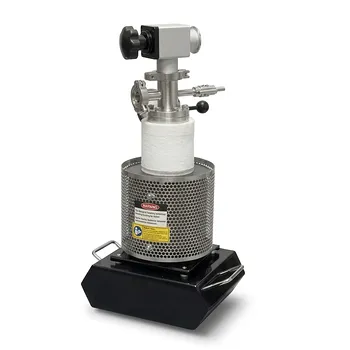
High Temperature 1100C Compact Top Loading Vertical Vacuum Tube Furnace for High Vacuum Noble Metal Melting and Material Research

High Temperature 1700C Vertical Tube Furnace for Powder Spherification and Material Sintering
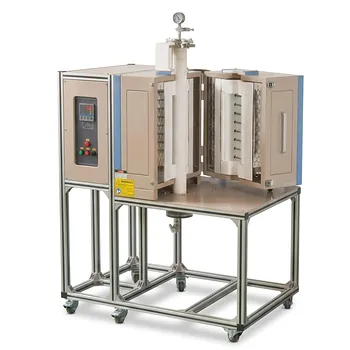
High Temperature 1700C Vertical Split Tube Furnace for Material Quenching and Single Crystal Growth

Compact High Temperature 1600C Tube Furnace with 50mm Alumina Tube and Vacuum Flanges for Material Sintering
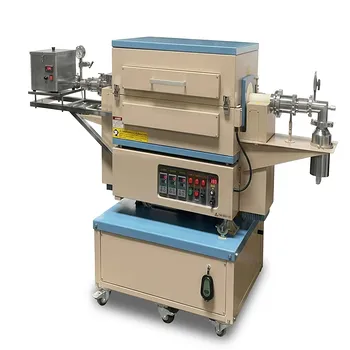
1500C 3-Zone Rotary Tube Furnace 60mm with Automatic Powder Feeding and Receiving System for Continuous Material Synthesis
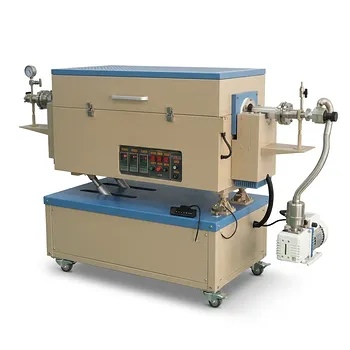
Three Zone Rotary Tube Furnace for High Temperature Powder Processing and Material Research

5 Inch Three Zone Rotary Tube Furnace with Integrated Gas Delivery System and 1200C Capability for Advanced Material CVD Processing

High Temperature Automated 5 Inch Tube Furnace for Autonomous Material Research and Advanced Laboratory R&D
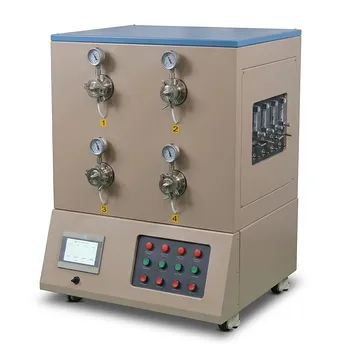
High Throughput 1200C Four Channel Tube Furnace with 3 Inch Quartz Tubes for Multi Zone Annealing and Material Research

1200C High Throughput Multi Channel Tube Furnace with 50mm Quartz Tubes for Annealing and Material Phase Diagram Research
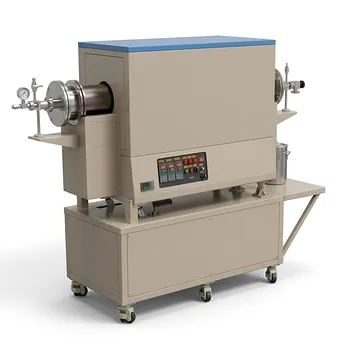
900°C Max Rotary Tube Furnace with 8 Inch 310S Alloy Tube and Optional Multi Zone Heating for Industrial Material Calcination
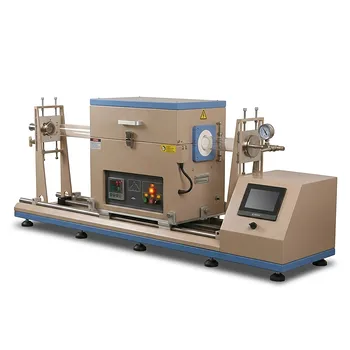
1200C Sliding Tube Furnace for Rapid Thermal Processing and CVD Graphene Growth with 100mm OD Capacity

1100C Tube Furnace with Vacuum Flange and Programmable Temperature Controller for Material Science and Industrial Heat Treatment

1800C High Temperature Compact Vacuum Tube Furnace with 60mm OD Alumina Tube and Kanthal MoSi2 Heating Elements
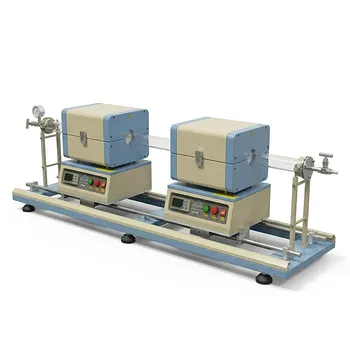
1200C Max Dual Sliding Tube Furnace with 50 mm Tube Flanges for CVD
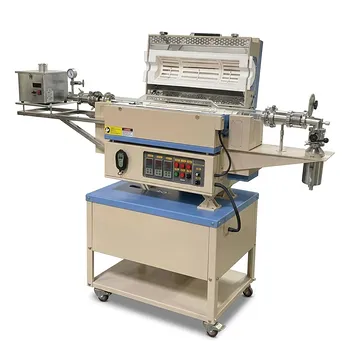
5 Inch Rotary Tube Furnace with Automatic Feeding and Receiving System 1200C Three Zone CVD Powder Processing
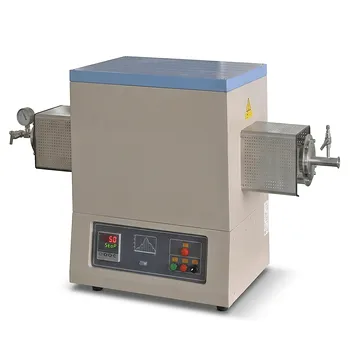
High Temperature 1700C Tube Furnace with 4 Inch OD Alumina Tube and Vacuum Sealing Flanges

Vertical 1700C Vacuum and Atmosphere Tube Furnace with 80mm Alumina Tube
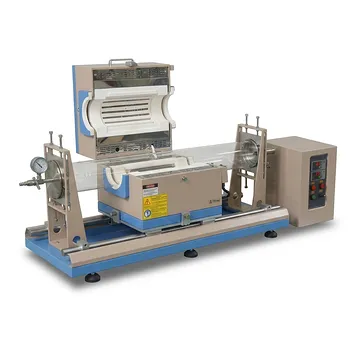
1200C High Temperature 5 Inch Sliding Tube Furnace for Rapid Thermal Processing RTP and Wafer Annealing