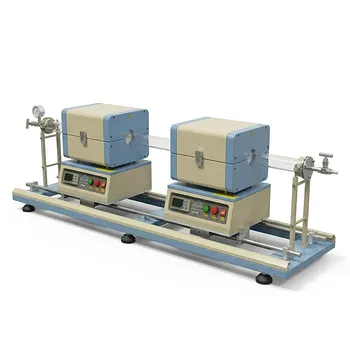
Why is a specialized heating device used for Ammonia Borane during the CVD of hBN? Ensure Stable Vapor for Quality hBN.
Updated 3 months ago
The use of a specialized heating device for Ammonia Borane is critical for controlling the transition of the solid precursor into a stable vapor phase.
By heating the solid Ammonia Borane to approximately 80°C to 100°C, the device facilitates controlled sublimation or thermal decomposition into gaseous precursors. This specialized setup ensures a consistent, measurable supply of boron and nitrogen elements, which is the fundamental requirement for high-quality hexagonal Boron Nitride (hBN) synthesis.
Core Takeaway: A specialized heating device decouples the precursor vaporization process from the high-temperature reaction furnace. This independent control is essential to maintain a stable vapor pressure and a uniform reactant supply, preventing the erratic growth patterns that occur when precursor concentrations fluctuate.
The Necessity of Decoupled Thermal Control
Maintaining a Stable Reactant Supply
Ammonia Borane (AB) is a solid at room temperature and requires targeted energy to release its constituent elements. The specialized heater maintains the AB at a precise temperature—typically 80°C—to trigger sublimation without causing premature or violent decomposition.
Decoupling Vaporization from Deposition
In a standard CVD setup, the main reaction furnace operates at extreme temperatures, often around 1000°C. Using an independent heating device allows researchers to control the vaporization rate of the precursor separately from the deposition temperature on the substrate.
Ensuring Reproducible Vapor Pressure
By isolating the precursor's thermal environment, the system ensures that the vapor pressure remains constant throughout the growth cycle. This stability is mandatory for achieving reproducibility, allowing the same growth parameters to yield identical results across different experimental runs.
Ensuring Precise Growth Dynamics
Preventing Uncontrolled Nucleation
The growth of hBN islands is extremely sensitive to the concentration of the precursor in the chamber. A specialized heater, often paired with a Residual Gas Analyzer (RGA), allows for the fine-tuning of partial pressures to ensure controlled nucleation and slow, high-quality crystal growth.
Providing Necessary Chemical Elements
As the Ammonia Borane sublimates, it provides the essential boron and nitrogen atoms required for the hexagonal lattice. Without the precise temperature control of a specialized device, the ratio of these elements could fluctuate, leading to defects or non-stoichiometric film growth.
Facilitating Precursor Decomposition
In some configurations, the heating chamber is set closer to 100°C to facilitate the decomposition of AB into gaseous borazine. This gaseous intermediate is often preferred for epitaxial growth because it can be more easily transported by carrier gases like argon or hydrogen.
Understanding the Trade-offs and Challenges
Complexity of System Integration
Adding an independent vaporization chamber increases the complexity of the CVD system. Operators must manage multiple heating zones and ensure that delivery lines are also heated to prevent the precursor from re-solidifying before it reaches the reaction zone.
Sensitivity to Temperature Fluctuations
Small deviations in the specialized heater's temperature can lead to significant changes in the mass flow of the precursor. Even a few degrees of drift can shift the process from a controlled monolayer growth to an uncontrolled multilayer deposition.
Solid vs. Liquid Precursor Management
While solid Ammonia Borane is stable and easy to handle, it requires these specialized heating stages to transition to vapor. This differs from bubbling systems used for liquid precursors, which rely on carrier gas flow rates rather than direct sublimation control.
How to Apply This to Your Project
Recommendations for Precursor Control
- If your primary focus is Monolayer Uniformity: Prioritize a heating device with high thermal stability (±0.1°C) to ensure a constant, low-concentration precursor flux that favors slow nucleation.
- If your primary focus is High-Throughput Production: Use a larger vaporization chamber with an integrated mass flow controller to maintain a high volume of reactant vapor without sacrificing pressure stability.
- If your primary focus is Material Purity: Ensure the specialized heater is integrated into a high-vacuum system to minimize organic contaminants and allow for real-time monitoring of precursor decomposition products.
Precision in precursor vaporization is the prerequisite for structural integrity in hexagonal Boron Nitride synthesis.
Summary Table:
| Feature | Parameter/Function | Impact on hBN Synthesis |
|---|---|---|
| Sublimation Control | 80°C to 100°C | Ensures a consistent supply of boron and nitrogen atoms. |
| Thermal Decoupling | Independent of Main Furnace | Maintains stable vapor pressure regardless of deposition temperature. |
| Nucleation Management | Precision Flux Control | Prevents uncontrolled island growth and ensures monolayer uniformity. |
| System Integration | Heated Delivery Lines | Prevents precursor re-solidification and ensures high material purity. |
Master Your hBN Synthesis with THERMUNITS
Achieving high-quality hexagonal Boron Nitride requires absolute precision in precursor management. THERMUNITS is a leading manufacturer of high-temperature laboratory equipment, providing specialized CVD/PECVD systems, Tube furnaces, and Vacuum furnaces designed for the rigorous demands of material science and industrial R&D.
Our thermal solutions enable researchers to decouple vaporization from deposition, ensuring stable growth dynamics and reproducible results for advanced materials. Whether you need Muffle, Atmosphere, or Rotary furnaces, we deliver the thermal stability your project deserves.
Ready to optimize your lab’s heat treatment capabilities?
Contact our experts today to discuss your specific research needs and discover how our equipment can enhance your results.
References
- Rohit Babar, Viktor Ivády. Low-symmetry vacancy-related spin qubit in hexagonal boron nitride. DOI: 10.1038/s41524-024-01361-z
Mentioned Products
- Vertical Openable Tube Furnace 0-1700c High Temperature Laboratory System for CVD and Vacuum Heat Treatment
- High Temperature 1700C Benchtop Tube Furnace with 5 Inch Heating Zone High Purity Alumina Tube and Vacuum Sealing Flanges
- High Temperature Dual Zone Vacuum Tube Furnace for Material Research and CVD Processing
- High Temperature 1700C Dual Zone Tube Furnace for Material Science and Industrial Chemical Vapor Deposition Research
- High Temperature 1700C Tube Furnace with High Vacuum Turbomolecular Pump System and Multi Channel Mass Flow Controller Gas Mixer
People Also Ask
- Why is a Tube Furnace typically utilized for CVD? Achieve Precision in Graphene and 2D Material Synthesis
- What role does a high-temperature vertical tube furnace play in simulating high-carbon ferromanganese slag formation?
- What functions does a vertical high-temperature tube furnace perform? Master Industrial Sintering & R&D Simulation
- How does a vertical tube furnace facilitate thermoelectric alloy melting? Precision synthesis for material homogeneity.
- How is an industrial-grade vertical tube furnace utilized in smelting leaching residues? Enhance Metal Recovery Efficiency

Tech Team · ThermUnits
Last updated on Jun 03, 2026
Related Products
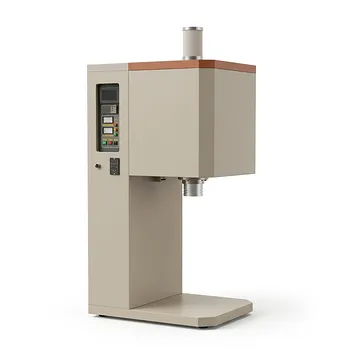
Vertical Openable Tube Furnace 0-1700c High Temperature Laboratory System for CVD and Vacuum Heat Treatment

High Temperature 1700C Benchtop Tube Furnace with 5 Inch Heating Zone High Purity Alumina Tube and Vacuum Sealing Flanges
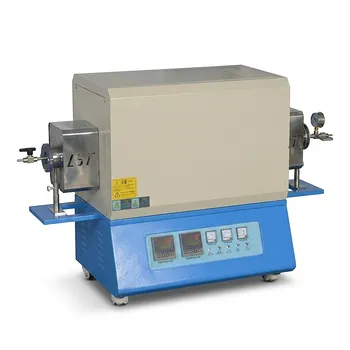
High Temperature Dual Zone Vacuum Tube Furnace for Material Research and CVD Processing
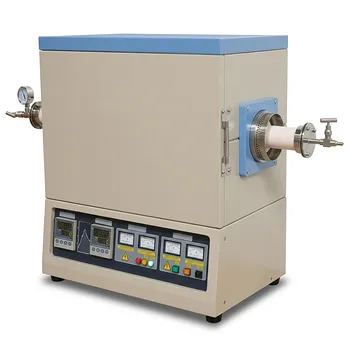
High Temperature 1700C Dual Zone Tube Furnace for Material Science and Industrial Chemical Vapor Deposition Research

High Temperature 1700C Tube Furnace with High Vacuum Turbomolecular Pump System and Multi Channel Mass Flow Controller Gas Mixer
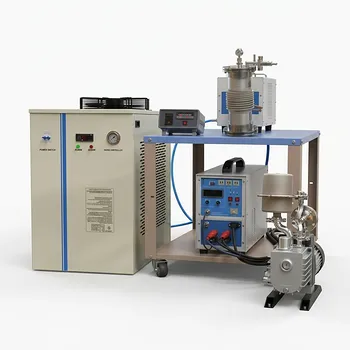
Induction Heating System with Temperature Control for High Temperature Vacuum Sintering and Melting
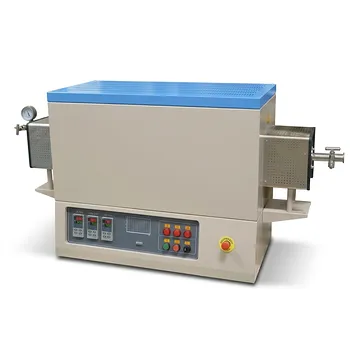
Three Zone Alumina Tube Furnace with Vacuum Flanges High Temperature 1700C Thermal Gradient CVD System