Why use a 15°C/min heating rate for corn carbon nanotubes? Master the Jet Self-Extrusion Process in Tube Furnaces.
Updated 3 months ago
Precise thermal control is the engine of structural transformation. A constant heating rate of 15°C/min is required to precisely regulate the internal pressure of volatile gases released from corn biomass. This specific "heating rhythm" facilitates a process known as jet self-extrusion, where pressurized gases are forced through micropores to align carbon atoms into specific nanotube morphologies.
Core Takeaway: The 15°C/min heating rate acts as a kinetic governor that balances gas pressure and carbon reconstruction. It ensures that volatile components provide the mechanical force necessary to "extrude" carbon nanotubes without causing the structural failure or bloating associated with uncontrolled heating.
The Mechanism of Jet Self-Extrusion
Regulating Internal Gas Pressure
During the carbonization of corn-derived biomass, organic components decompose into volatile gases. A constant heating rate ensures these gases reach a critical pressure that is high enough to drive structural change but low enough to avoid damaging the carbon matrix.
Forcing Directional Atomic Alignment
As these high-pressure gases are forced through existing micropores, they create a "jet" effect at the pore openings. This mechanical force induces the directional alignment of carbon atoms, guiding them to reconstruct into organized, one-dimensional nanotubes rather than amorphous soot.
Creating Unique "Trumpet" Morphologies
The 15°C/min rate is specifically calibrated to facilitate the formation of unique structures, such as trumpet-shaped ends on the nanotubes. This specific morphology is a direct result of the controlled "rhythm" of gas escape and atomic deposition at the pore interface.
Maintaining Structural Integrity
Preventing Thermal Stress and Bloating
If the heating rate is too high or inconsistent, internal gases can expand too rapidly before they can escape through the pores. This leads to material swelling, bloating, or cracking, which destroys the delicate framework required for nanotube growth.
Facilitating Orderly Outgassing
A steady, programmed temperature increase allows organic matter to crack and outgas gradually and uniformly. This prevents the "violent" decomposition that leads to structural collapse, ensuring the biochar remains stable enough to support nanotube development.
Promoting Aromatic Structure Development
Controlled heating promotes the orderly development of functional groups, such as aromatic structures, within the biochar. These structures serve as the chemical foundation for the final carbon nanotube product, determining its overall yield and physicochemical stability.
Understanding the Trade-offs
The Risk of Kinetic Mismatch
The primary challenge in biomass synthesis is the "Goldilocks" problem: heating too slowly may not generate enough pressure for jet self-extrusion, while heating too quickly causes catastrophic structural failure. The 15°C/min rate is a calibrated middle ground designed specifically for the decomposition kinetics of corn biomass.
Impact of Localized Overheating
Without precise programmable control, tube furnaces can suffer from localized hot spots that lead to uncontrolled reaction by-products. These inconsistencies can result in a mixture of nanotubes and undesirable carbon flakes, reducing the purity and quality of the synthesized material.
How to Apply This to Your Project
Recommendations for Synthesis
- If your primary focus is maximizing nanotube yield: Use a high-precision programmed temperature control system to maintain a strict 15°C/min ramp to ensure consistent jet self-extrusion.
- If your primary focus is preventing structural defects: Monitor the outgassing phase closely; if you observe material bloating, consider a slightly slower initial heating phase to allow for uniform gas release.
- If your primary focus is controlling nanotube morphology: Experiment with small deviations around the 15°C/min mark, as the "trumpet" structure is highly sensitive to the balance between gas pressure and carbon reconstruction.
Mastering the heating rate is the key to transforming raw biomass into a high-value, engineered nanostructure.
Summary Table:
| Feature | Mechanism/Function | Impact on Synthesis |
|---|---|---|
| Heating Rate (15°C/min) | Kinetic Governor | Balances gas pressure with carbon reconstruction. |
| Internal Gas Pressure | Jet Self-Extrusion | Forces carbon atoms to align into 1D nanotubes. |
| Structural Control | Gradual Outgassing | Prevents material bloating, cracking, or soot formation. |
| Morphology Formation | Directional Alignment | Facilitates unique structures like "trumpet-shaped" ends. |
| Thermal Precision | Orderly Cracking | Promotes development of stable aromatic biochar foundations. |
Optimize Your Nanomaterial Synthesis with THERMUNITS
Precise thermal control is the difference between amorphous soot and high-value carbon nanotubes. THERMUNITS is a leading manufacturer of high-temperature laboratory equipment designed specifically for the rigorous demands of material science and industrial R&D.
Our advanced Tube Furnaces and CVD/PECVD systems provide the industry-leading temperature uniformity and programmable ramp rates (like the critical 15°C/min) required for complex processes such as jet self-extrusion. Whether you are working on biomass conversion or advanced semiconductor research, our comprehensive range—including Vacuum, Atmosphere, Rotary, and Hot Press furnaces, as well as Vacuum Induction Melting (VIM) systems—ensures your thermal processing is stable, repeatable, and efficient.
Ready to elevate your research outcomes? Contact our technical experts today to find the perfect thermal solution for your lab.
References
- El‐Shazly M. Duraia, Gary W. Beall. Efficient eco-friendly synthesis of carbon nanotubes over graphite nanosheets from yellow corn: a one-step green approach. DOI: 10.1038/s41598-024-65893-6
Mentioned Products
- High Temperature Dual Zone Rotating Tube Furnace 1500C Silicon Carbide Heating for Advanced Material Synthesis
- Compact Vertical Split Quartz Tube Furnace with Stainless Steel Vacuum Flanges for Rapid Thermal Quenching and Controlled Atmosphere Material Processing
- 1200C High Throughput Multi Channel Tube Furnace with 50mm Quartz Tubes for Annealing and Material Phase Diagram Research
- Two Zone Rotary Tube Furnace for Powder CVD Coating and Core Shell Material Synthesis 1100C
- High Temperature 1700C Vertical Tube Furnace for Powder Spherification and Material Sintering
People Also Ask
- What is the function of CVD furnaces in graphene prep? Enhancing Photodetector Charge Transport
- Why use CVD and a tube furnace for Pd3P0.95/NC catalyst phosphidation? Ensure high phase purity and performance.
- CVD Tube Furnace Advantages for Pd-P Catalyst Durability: Precision Control for 40,000+ Cycles
- How does a rotary tube furnace improve the processing of granular materials? Enhance Uniformity and Reaction Kinetics
- How does a Chemical Vapor Deposition (CVD) tube furnace facilitate synchronized nitridation? Precision Nano-Engineering.

Tech Team · ThermUnits
Last updated on Jun 02, 2026
Related Products
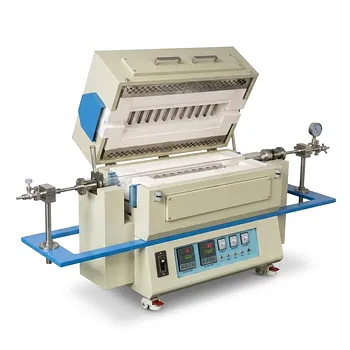
High Temperature Dual Zone Rotating Tube Furnace 1500C Silicon Carbide Heating for Advanced Material Synthesis
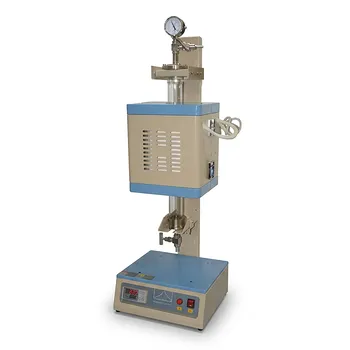
Compact Vertical Split Quartz Tube Furnace with Stainless Steel Vacuum Flanges for Rapid Thermal Quenching and Controlled Atmosphere Material Processing
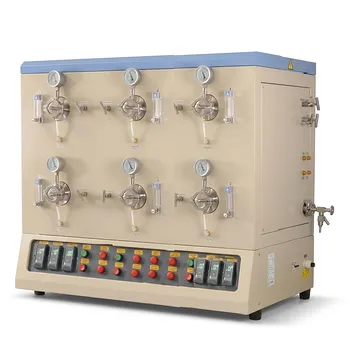
1200C High Throughput Multi Channel Tube Furnace with 50mm Quartz Tubes for Annealing and Material Phase Diagram Research
Two Zone Rotary Tube Furnace for Powder CVD Coating and Core Shell Material Synthesis 1100C

High Temperature 1700C Vertical Tube Furnace for Powder Spherification and Material Sintering
5 Inch Three Zone Rotary Tube Furnace with Integrated Gas Delivery System and 1200C Capability for Advanced Material CVD Processing
Split Chamber CVD Tube Furnace with Vacuum Station Chemical Vapor Deposition System Machine
Three Zone Rotary Tube Furnace for High Temperature Powder Processing and Material Research
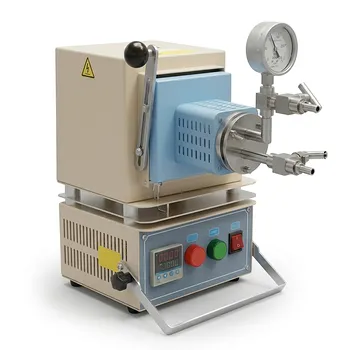
Compact Hybrid Muffle and Tube Furnace for 1000C Controlled Atmosphere Laboratory Material Sintering
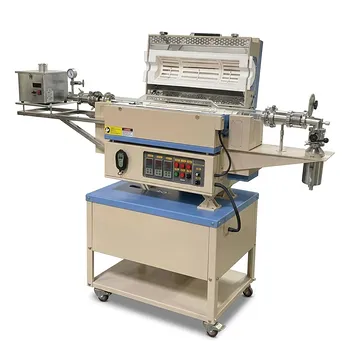
5 Inch Rotary Tube Furnace with Automatic Feeding and Receiving System 1200C Three Zone CVD Powder Processing

Compact High Temperature 1600C Tube Furnace with 50mm Alumina Tube and Vacuum Flanges for Material Sintering
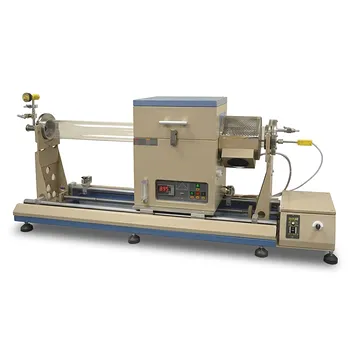
900 ºC Max Sliding RTP Tube Furnace with Rapid IR Heating and 4 Inch OD Quartz Tube
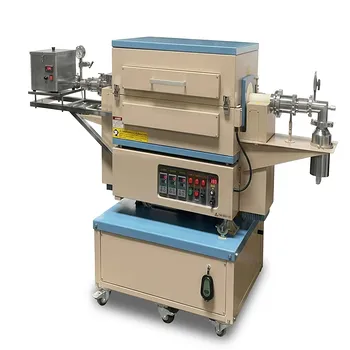
1500C 3-Zone Rotary Tube Furnace 60mm with Automatic Powder Feeding and Receiving System for Continuous Material Synthesis
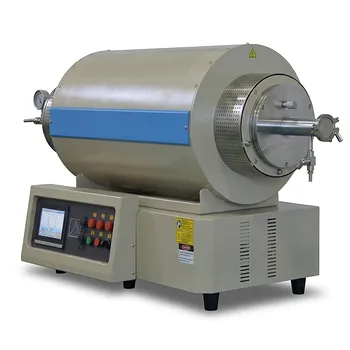
1200C Max Three Zone Tube Furnace 6 Inch OD Max with Tube and Flange
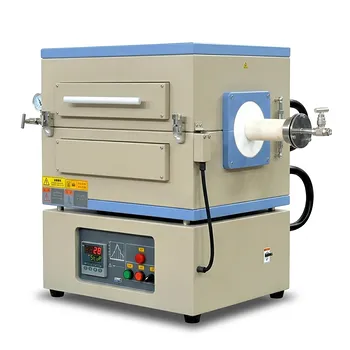
1500°C Split Tube Furnace with Alumina Tube and Vacuum Sealing Flanges for Material Research
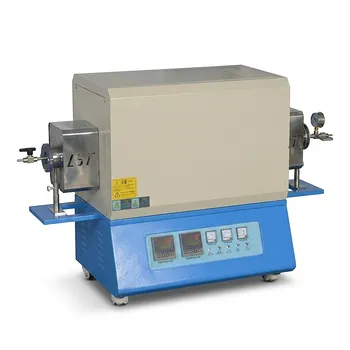
High Temperature Dual Zone Vacuum Tube Furnace for Material Research and CVD Processing

High Temperature Automated 5 Inch Tube Furnace for Autonomous Material Research and Advanced Laboratory R&D
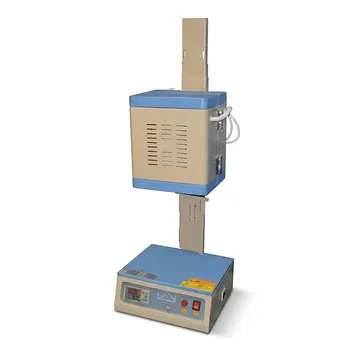
High Temperature Vertical Split Tube Furnace with PID Temperature Controller for 1 and 2 Inch Processing Tubes
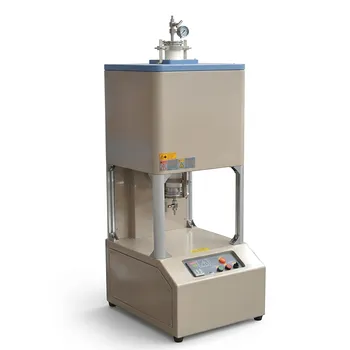
Vertical 1700C Vacuum and Atmosphere Tube Furnace with 80mm Alumina Tube