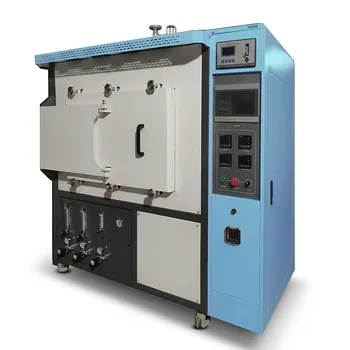
Why is a tube atmosphere furnace essential for the carbonization of biomass into biochar? Achieve High-Purity Pyrolysis
Updated 3 months ago
A tube atmosphere furnace is essential because it facilitates the thermal decomposition of biomass in a strictly oxygen-free environment, preventing the material from simply burning away. By replacing air with inert gases like high-purity nitrogen, the furnace allows biomass to reach high temperatures (typically 400°C to 800°C) where it undergoes pyrolysis—a process that removes volatile impurities and enriches carbon content to create a stable, porous structure.
Core Takeaway: The tube atmosphere furnace acts as a controlled reactor that prevents aerobic combustion while precisely managing heat, ensuring biomass is converted into high-yield, structural biochar rather than ash.
Preventing Aerobic Combustion through Atmosphere Control
The Necessity of an Inert Shield
At temperatures required for carbonization, biomass will naturally ignite if oxygen is present. A tube furnace provides a strictly airtight environment where oxygen is displaced by an inert gas, such as nitrogen or argon, creating an anaerobic chamber.
Preventing Oxidative Burnout
Without this protective gas flow, the carbon being formed would react with oxygen and undergo oxidative burnout. This would result in the loss of valuable carbon material and the destruction of the delicate pore structures necessary for material science applications.
Managing Volatile Removal
As the biomass heats up, it releases volatile organic components and moisture. The continuous flow of protective gas within the sealed pipeline helps sweep these volatile impurities away, ensuring they do not re-deposit on the carbon skeleton and clog potential pores.
Achieving Structural Transformation via Pyrolysis
Establishing the Carbon Skeleton
The primary goal of carbonization is to transform soft organic matter into a solid skeletal structure. The furnace provides the stable high-temperature environment needed to break chemical bonds in the biomass, leaving behind a concentrated amorphous carbon structure.
Precise Temperature Regulation
Biochar quality depends heavily on the heating rate and peak temperature. A high-precision tube furnace allows researchers to control these variables exactly, ensuring the biomass undergoes uniform dehydration and thermal degradation rather than uneven charring.
Creating High Specific Surface Area
The controlled thermal decomposition initiated in the furnace begins the formation of a preliminary microporous structure. This step is the critical foundation for subsequent chemical activation, which eventually produces high-porosity activated carbon with a high specific surface area.
Understanding the Trade-offs and Technical Challenges
Thermal Gradients and Uniformity
While tube furnaces are excellent for small-scale precision, they can suffer from thermal gradients where the center of the tube is hotter than the ends. If the biomass is not positioned correctly or if the furnace is overloaded, the resulting biochar may have inconsistent carbonization levels.
Gas Flow Dynamics and Cooling
The rate of inert gas flow is a double-edged sword. While high flow rates ensure a clean atmosphere, they can also cause uneven cooling of the sample or carry away fine carbon particles, potentially reducing the final yield if the flow is not carefully calibrated.
Seal Integrity at High Temperatures
Maintaining a strictly airtight seal becomes increasingly difficult as temperatures rise toward 800°C or higher. Any failure in the gaskets or seals during the process can allow oxygen to leak in, leading to the immediate combustion of the sample and the failure of the experiment.
How to Apply This to Your Project
When selecting or operating a tube atmosphere furnace for biomass carbonization, your choice should align with your specific material goals.
- If your primary focus is maximizing carbon yield: Maintain a lower heating rate and a moderate temperature (around 400°C-500°C) under a steady nitrogen shield to ensure complete dehydration without excessive volatile loss.
- If your primary focus is creating highly porous activated carbon: Utilize higher temperatures (up to 800°C) and precise atmosphere control to ensure the carbon skeleton is fully established and ready for subsequent chemical activation.
- If your primary focus is material purity: Ensure the use of high-purity argon or nitrogen and verify the airtightness of the tube seals before every run to prevent even trace amounts of oxidation.
The success of biomass carbonization hinges on the furnace’s ability to balance extreme heat with a perfectly inert environment.
Summary Table:
| Feature | Technical Function | Impact on Biochar Production |
|---|---|---|
| Inert Atmosphere | Displaces oxygen with N2/Ar | Prevents combustion and oxidative burnout |
| Precise Heating | Controlled ramp and soak rates | Ensures uniform carbonization and pore growth |
| Gas Flow System | Sweeps away volatile gases | Maintains purity and prevents pore clogging |
| Airtight Sealing | Maintains anaerobic environment | Secures stable yield and high carbon concentration |
Elevate Your Material Research with THERMUNITS Thermal Solutions
As a leading manufacturer of high-temperature laboratory equipment, THERMUNITS specializes in precision thermal processing for material science and industrial R&D. Whether you are producing biochar, developing advanced ceramics, or researching CVD/PECVD systems, our range of Tube, Atmosphere, Vacuum, and Rotary furnaces provides the stability and control your project demands.
Why Partner with THERMUNITS?
- Expert Engineering: High-precision temperature and atmosphere control tailored for complex pyrolysis processes.
- Comprehensive Solutions: Access a full suite of equipment, including Muffle, Hot Press, and Dental furnaces, plus Vacuum Induction Melting (VIM) systems.
- Unmatched Reliability: Durable thermal elements and superior seal integrity designed for demanding lab environments.
Ready to optimize your carbonization process and achieve superior material results? Contact us today to discuss your specific requirements and find the perfect heating solution for your laboratory.
References
- Sarunpron Khruengsai, Siwatt Pongpiachan. Chemical characterization of activated carbon derived from Napier grass, rubber wood, bamboo, and hemp. DOI: 10.61435/ijred.2024.60502
Mentioned Products
- Compact Vertical Split Quartz Tube Furnace with Stainless Steel Vacuum Flanges for Rapid Thermal Quenching and Controlled Atmosphere Material Processing
- Compact Hybrid Muffle and Tube Furnace for 1000C Controlled Atmosphere Laboratory Material Sintering
- Vertical 1700C Vacuum and Atmosphere Tube Furnace with 80mm Alumina Tube
- 1750°C High Temperature Benchtop Vacuum Atmosphere Tube Furnace with Kanthal Super 1800 Heating Elements and 60mm Alumina Processing Tube
- 1700C Compact Hybrid Furnace with Dual Layer Box Sintering and Controlled Atmosphere Alumina Tubes
People Also Ask
- Why integrate a vertical split tube furnace with hydraulic loading for HSECC? Essential for In-Situ Fire Simulation.
- What is the role of a split vertical tube furnace during flash sintering of 8YSZ and 20SDC? Master Ultra-Fast R&D
- What is the primary engineering purpose for using a customized ventilation hood when operating a split tube furnace? RCF Safety
- Why is a quartz tube furnace necessary for phosphorus-doped MoS2/GO preparation? Ensure Purity & Precise Synthesis
- What is the primary function of a Quartz Tube Furnace in ZnO VLS growth? Master High-Precision Nanowire Synthesis

Tech Team · ThermUnits
Last updated on Jun 03, 2026
Related Products

Compact Vertical Split Quartz Tube Furnace with Stainless Steel Vacuum Flanges for Rapid Thermal Quenching and Controlled Atmosphere Material Processing
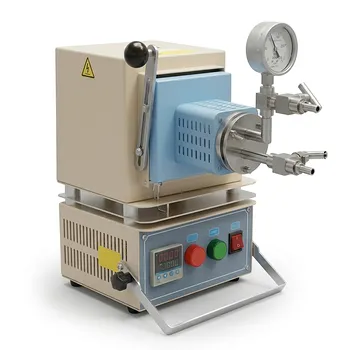
Compact Hybrid Muffle and Tube Furnace for 1000C Controlled Atmosphere Laboratory Material Sintering

Vertical 1700C Vacuum and Atmosphere Tube Furnace with 80mm Alumina Tube

1750°C High Temperature Benchtop Vacuum Atmosphere Tube Furnace with Kanthal Super 1800 Heating Elements and 60mm Alumina Processing Tube
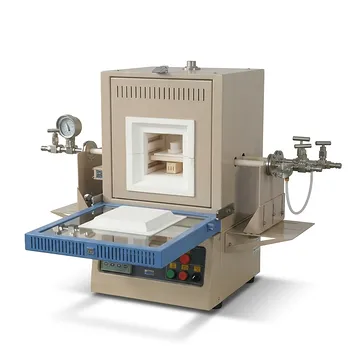
1700C Compact Hybrid Furnace with Dual Layer Box Sintering and Controlled Atmosphere Alumina Tubes

High Temperature 1700C Vertical Tube Furnace for Powder Spherification and Material Sintering
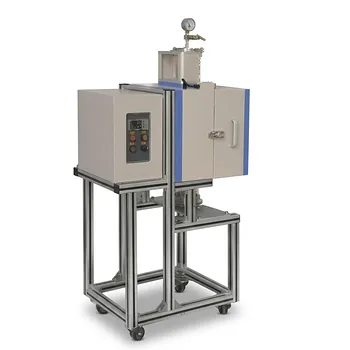
1200°C 5 Inch Vertical Quartz Tube Furnace with Stainless Steel Vacuum Flanges
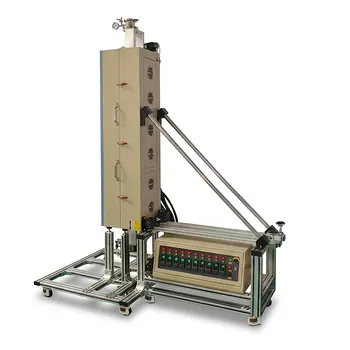
1200°C 10-Zone Split Tube Furnace with Horizontal and Vertical Mounting for Multi-Zone Thermal Gradients and Large Diameter Material Processing
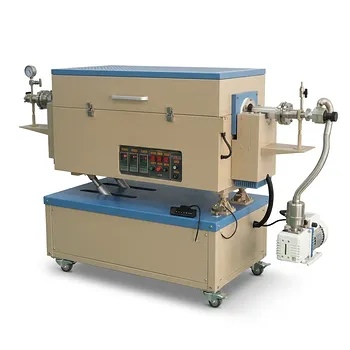
Three Zone Rotary Tube Furnace for High Temperature Powder Processing and Material Research
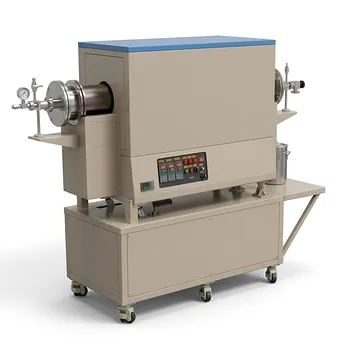
900°C Max Rotary Tube Furnace with 8 Inch 310S Alloy Tube and Optional Multi Zone Heating for Industrial Material Calcination
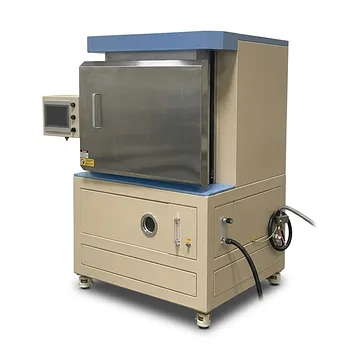
1650C High Temperature Atmosphere Controlled Box Furnace with 65L Chamber for Advanced Material Sintering and Industrial Heat Treatment

High Temperature Automated 5 Inch Tube Furnace for Autonomous Material Research and Advanced Laboratory R&D
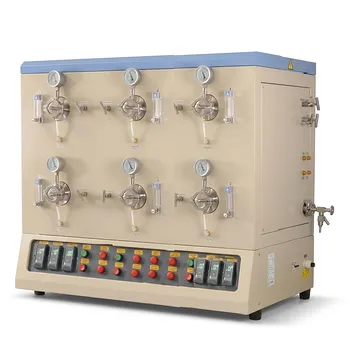
1200C High Throughput Multi Channel Tube Furnace with 50mm Quartz Tubes for Annealing and Material Phase Diagram Research
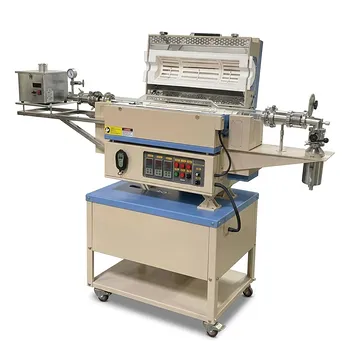
5 Inch Rotary Tube Furnace with Automatic Feeding and Receiving System 1200C Three Zone CVD Powder Processing

1800C High Temperature Compact Vacuum Tube Furnace with 60mm OD Alumina Tube and Kanthal MoSi2 Heating Elements
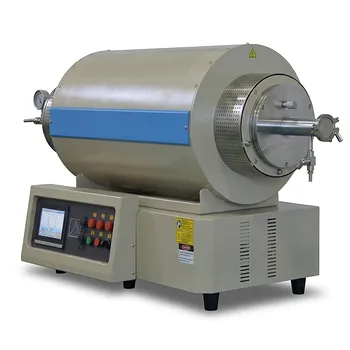
1200C Max Three Zone Tube Furnace 6 Inch OD Max with Tube and Flange
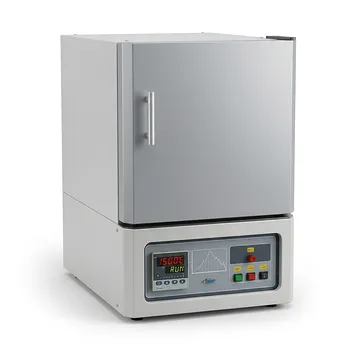
High Temperature 1500C Benchtop Muffle Furnace 3.6L Alumina Fiber Chamber Programmable Controller Sintering Annealing Carbonization Thermal Processing System

High Temperature 1700C Tube Furnace with High Vacuum Turbomolecular Pump System and Multi Channel Mass Flow Controller Gas Mixer
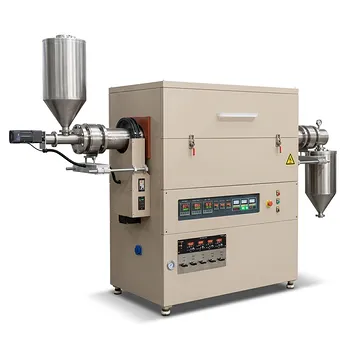
High Temperature Tilting Rotary Tube Furnace with Integrated Mass Flow Control and Multi Zone Heating