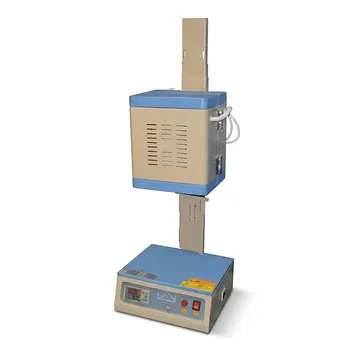
How does a split tube furnace contribute to the thermal stabilization of Clignin@H-TiO2? Achieve Structural Precision
Updated 3 months ago
The split tube furnace provides the controlled environment necessary to fuse lignin and titanium dioxide into a resilient precursor. It facilitates slow heating under vacuum to strengthen chemical bonds and establish a rigid framework. This ensures the catalyst maintains its specific hollow spherical morphology during subsequent high-temperature carbonization.
The split tube furnace acts as a stabilization reactor that prevents the structural collapse of the lignin-TiO2 complex. By utilizing programmable thermal profiles and vacuum conditions, it transforms the material into a heat-resistant architecture capable of surviving extreme processing temperatures.
The Role of Controlled Thermal Environments
Strengthening Chemical Bonds
Thermal stabilization in a split tube furnace is the critical bridge between raw materials and a finished catalyst. The process uses heat to strengthen the chemical bonds between the lignin organic component and the titanium dioxide (TiO2) inorganic framework.
Maintaining Structural Integrity
The primary goal of this stage is to create a stable framework for the Clignin@H-TiO2. Without this stabilization, the material would lose its hollow spherical morphology when exposed to the intense heat of carbonization.
Establishing a Carbonization Foundation
A split tube furnace ensures the material is "pre-hardened" before it reaches final processing temperatures. This creates a structural memory in the catalyst, allowing it to retain its shape even as the lignin is converted into carbon.
Precision Control and Vacuum Conditions
The Importance of Slow Heating
The furnace utilizes a precise programmable temperature control system to manage the heating rate. Slow heating is vital because it allows chemical transitions to occur uniformly, preventing internal stresses that could rupture the hollow spheres.
PID-Driven Temperature Stability
The use of PID-based controllers and thermocouples ensures temperature stability within $\pm 1^\circ$C. This level of precision allows for specific ramp rates and soaking times, which are necessary to achieve the exact bonding chemistry required for stabilization.
Vacuum Environment Benefits
Performing the stabilization under vacuum conditions prevents unwanted oxidation of the lignin. This controlled atmosphere ensures that the thermal energy is used exclusively for bond strengthening rather than degrading the material through combustion.
Understanding the Trade-offs
Process Time vs. Material Quality
The requirement for slow heating rates means that thermal stabilization is a time-consuming phase of production. While faster heating would increase throughput, it significantly increases the risk of structural collapse and poor bond formation.
Complexity of Vacuum Seals
Maintaining a vacuum in a split tube furnace requires precise sealing and high-quality maintenance of the process tube. Any leak during the stabilization phase can introduce oxygen, which may prematurely oxidize the lignin and ruin the catalyst batch.
Energy Consumption of Precise Ramping
Achieving high-precision thermal profiles requires sophisticated thyristor-based power adjustments. This provides the necessary stability but often results in higher energy costs compared to simpler, non-programmable heating methods.
How to Apply This to Your Project
When utilizing a split tube furnace for material stabilization, your approach should vary based on your specific catalyst requirements.
- If your primary focus is structural precision: Prioritize the slowest possible ramp rates and verify the accuracy of your PID controller to prevent morphology collapse.
- If your primary focus is chemical purity: Ensure the vacuum pump and tube seals are fully integrated to maintain an oxygen-free environment during the entire heating cycle.
- If your primary focus is process scalability: Identify the "critical transition temperatures" through systematic testing to reduce soaking times at non-essential temperature stages.
The split tube furnace is the fundamental tool for transforming fragile organic-inorganic hybrids into robust, high-performance catalytic frameworks.
Summary Table:
| Key Feature | Function in Stabilization | Impact on Clignin@H-TiO2 |
|---|---|---|
| Slow Ramp Rate | Prevents internal thermal stress | Maintains hollow spherical morphology |
| Vacuum Control | Eliminates oxygen interference | Prevents lignin oxidation/degradation |
| PID Precision | Stabilizes temp within ±1°C | Ensures uniform chemical bond formation |
| Split Design | Easy access & fast cooling | Enhances process efficiency and safety |
Elevate Your Material Research with THERMUNITS Precision Furnaces
Achieving the perfect thermal stabilization for advanced catalysts like Clignin@H-TiO2 requires reliable, high-precision equipment. THERMUNITS is a leading manufacturer of high-temperature laboratory equipment tailored for material science and industrial R&D.
We offer a comprehensive range of thermal processing solutions, including Split Tube, Vacuum, Atmosphere, Rotary, and Hot Press furnaces, as well as CVD/PECVD systems and Thermal Elements. Our systems are engineered to provide the $\pm 1^\circ$C stability and vacuum integrity essential for preserving delicate morphologies and strengthening chemical bonds.
Ready to optimize your heat treatment workflow? Contact us today to consult with our experts and find the ideal furnace solution for your laboratory’s unique requirements.
References
- Wan Zhang, Susie Y. Dai. 3D structure-functional design of a biomass-derived photocatalyst for antimicrobial efficacy and chemical degradation under ambient conditions. DOI: 10.1039/d4gc01246a
Mentioned Products
- 1250C Split Tube Furnace with 3 Inch Mullite Tube and Vacuum Sealing Flanges for Precision Thermal Processing
- Split Vertical Tube Furnace with 1200C Quartz Tube and Stainless Steel Vacuum Flanges for Rapid Thermal Processing
- High Temperature 1200C Split Tube Furnace with Hinged Vacuum Flanges and 4 Inch Quartz Tube for Laboratory Research
- 1250C Compact Split Tube Furnace with 8 Inch Heating Zone and Programmable Controller
- 24 Inch Three Zone Split Tube Furnace with Optional Quartz Tube and Vacuum Flange System for High Temperature Material Synthesis
People Also Ask
- What is the primary engineering purpose for using a customized ventilation hood when operating a split tube furnace? RCF Safety
- What are the specific advantages and use cases for a split tube furnace? Optimize Lab Efficiency & Material Research
- What are the advantages of using a split tube furnace for heating a catalytic reactor? Boost Efficiency and Precision
- How does a split tube furnace facilitate debinding of ceramic green bodies? Master Precise Thermal & Atmosphere Control
- What is the core function of a laboratory split-tube furnace in carbon dioxide capture testing? - Key Thermal Precision

Tech Team · ThermUnits
Last updated on Jun 02, 2026
Related Products
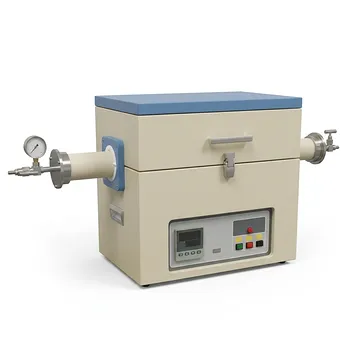
1250C Split Tube Furnace with 3 Inch Mullite Tube and Vacuum Sealing Flanges for Precision Thermal Processing
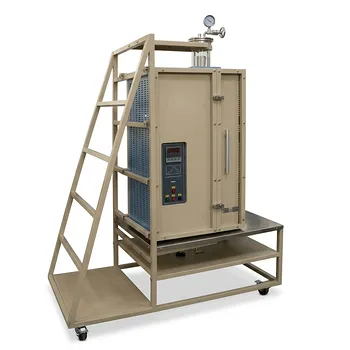
Split Vertical Tube Furnace with 1200C Quartz Tube and Stainless Steel Vacuum Flanges for Rapid Thermal Processing
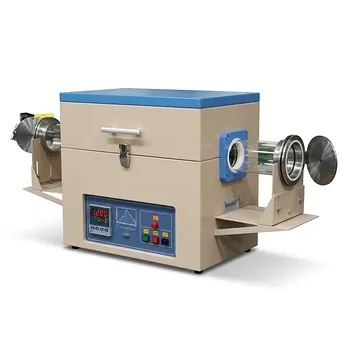
High Temperature 1200C Split Tube Furnace with Hinged Vacuum Flanges and 4 Inch Quartz Tube for Laboratory Research
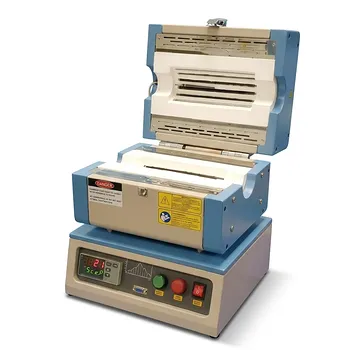
1250C Compact Split Tube Furnace with 8 Inch Heating Zone and Programmable Controller
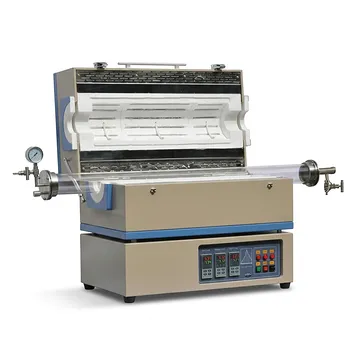
24 Inch Three Zone Split Tube Furnace with Optional Quartz Tube and Vacuum Flange System for High Temperature Material Synthesis
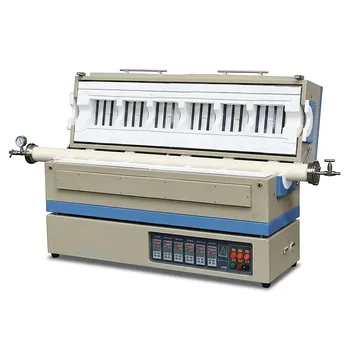
Six Zone Split Tube Furnace with Alumina Tube and Vacuum Flanges for 1500C High Temperature Thermal Processing and CVD
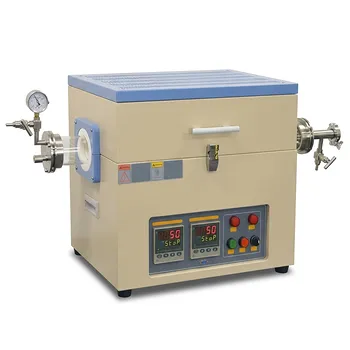
1200C Dual Zone Split Tube Furnace with Fused Quartz Tube and Vacuum Flanges Available in 60mm 80mm and 100mm Diameters
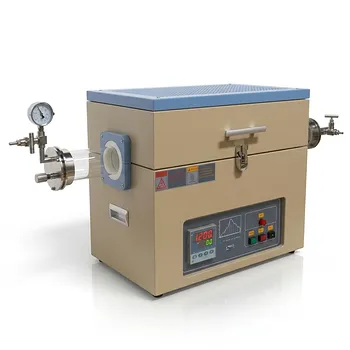
High Temperature 1200C Split Tube Furnace with Optional Quartz Tube Sizes and Vacuum Sealing Flanges for Material Science Research
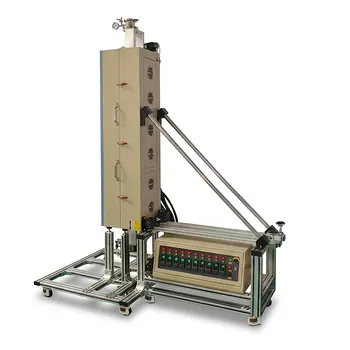
1200°C 10-Zone Split Tube Furnace with Horizontal and Vertical Mounting for Multi-Zone Thermal Gradients and Large Diameter Material Processing

High Temperature 1700C Six Zone Split Tube Furnace with Alumina Tube and Water Cooled Flanges

Compact Vertical Split Quartz Tube Furnace with Stainless Steel Vacuum Flanges for Rapid Thermal Quenching and Controlled Atmosphere Material Processing
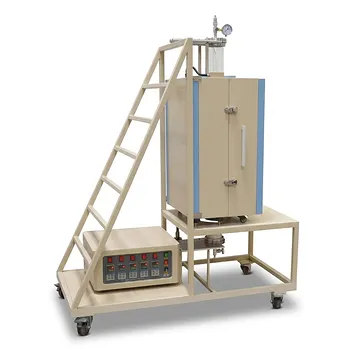
Five Zone Split Vertical Tube Furnace 1200C Max with 4 Inch Quartz Tube and Stainless Steel Vacuum Flanges
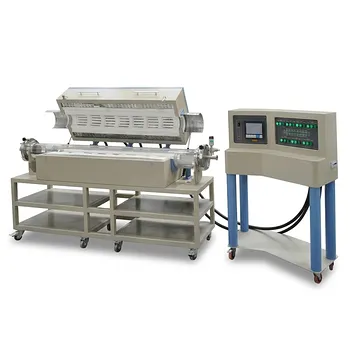
Seven Zone 1200C Split Tube Furnace with Precision Temperature Controller and Quick Flange Vacuum System
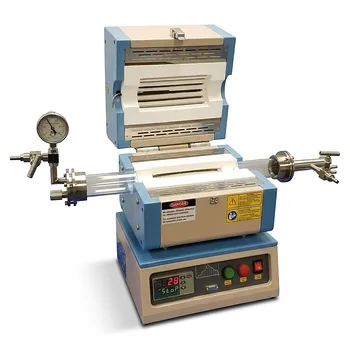
Compact Split Tube Furnace with Integrated Vacuum System and Precision Temperature Calibrator
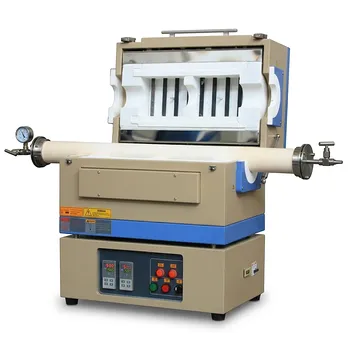
1500C Two Zone Split Tube Furnace with Vacuum Flange and 80mm Alumina Tube
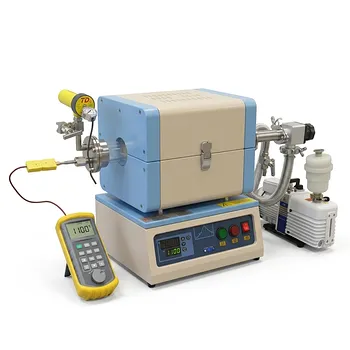
Compact Split Tube Furnace with Insertable Temperature Calibrator and Integrated Vacuum System
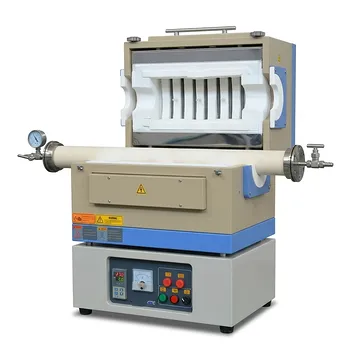
High Temperature 1600C Split Tube Furnace Vacuum Flanges Valves Optional 60mm 80mm Alumina Tube
1200C High Temperature 5 Inch Split Vacuum Tube Furnace with 12 Inch Heating Zone and Separated PID Controller
High Temperature Three Zone Split Tube Furnace 1200C Max 35.4 Inch Heating Length 8 Inch ID Tube