Why is a tube furnace equipped with inert gas flow control necessary for the carbonization of bitumen waste? - Key Tips
Updated 5 months ago
A tube furnace equipped with inert gas flow control is necessary because it creates an oxygen-free environment that prevents bitumen from burning while facilitating its transformation into a stable carbon structure. This setup ensures that the material undergoes pyrolysis (thermal decomposition) rather than oxidative combustion, allowing for the precise removal of volatile residues and the development of a functional carbon skeleton.
Core Takeaway: The combination of precise thermal control and an inert atmosphere is the only way to transform bitumen waste into high-value asphalt carbon without losing the material to oxidation or contaminating the pore structure with secondary by-products.
Preventing Oxidative Combustion at High Temperatures
The Risk of Aerobic Reaction
Bitumen and its organic components are highly reactive when exposed to heat and oxygen. Without a strictly controlled atmosphere, the carbonaceous material would undergo oxidative combustion, essentially turning the waste into ash and CO2 rather than functional carbon.
Displacement of Oxygen
The primary role of the gas flow control system is to introduce high-purity nitrogen or argon to displace oxygen within the furnace chamber. This creates an anaerobic environment that is maintained throughout the carbonization process, ensuring the bitumen remains stable even as temperatures exceed 800°C.
Facilitating Structural Transformation and Purity
Guiding Ordered Carbon Formation
The tube furnace provides a uniform thermal field that is critical for guiding the transformation of bitumen into an ordered carbon structure. This precision allows for the preparation of stable asphalt carbon (AsC) by ensuring that chemical reactions occur consistently throughout the sample.
Volatilization of Organic Residues
Inert gas flow is not just for protection; it acts as a carrier to ensure the complete volatilization of organic oil residues. By continuously flushing the chamber, the system prevents these gaseous by-products from undergoing secondary deposition, which could otherwise clog the developing pores of the carbon.
Achieving High Porosity
Precise flow rate control is essential for the development of complex pore structures. It ensures that gaseous by-products like carbon monoxide and carbon dioxide are removed immediately, maintaining the cleanliness of the carbon matrix and maximizing the specific surface area.
Understanding the Trade-offs and Risks
Gas Purity and Flow Rate
Using low-purity inert gas can introduce trace amounts of oxygen, leading to partial oxidation and reduced carbon yield. Conversely, an excessively high flow rate can create temperature fluctuations within the tube, potentially leading to non-uniform carbonization of the bitumen waste.
System Hermeticity
The effectiveness of the inert atmosphere depends entirely on the airtight integrity of the tube furnace. Even minor leaks at the seals can allow oxygen to enter, resulting in the unintended combustion of the carbon skeleton and the failure of the synthesis process.
How to Apply This to Your Project
Selecting the Right Parameters for Success
- If your primary focus is maximum carbon yield: Ensure the flow control system is activated well before heating begins to fully purge the furnace of oxygen.
- If your primary focus is high-porosity activated carbon: Use a higher flow rate of high-purity nitrogen to rapidly flush out volatiles and prevent secondary deposition within the pores.
- If your primary focus is structural stability: Prioritize a furnace with a long heating zone and precise programmed temperature control to ensure a uniform thermal field.
By strictly regulating the thermal and atmospheric environment, you transform bitumen from a waste product into a sophisticated, high-performance carbon material.
Summary Table:
| Feature | Role in Carbonization | Impact on Material Quality |
|---|---|---|
| Inert Gas Atmosphere | Displaces oxygen to create anaerobic conditions | Prevents oxidative combustion; ensures pyrolysis over burning |
| Flow Rate Control | Continuously flushes volatile oil residues | Prevents secondary deposition and ensures high pore cleanliness |
| Uniform Thermal Field | Provides consistent high-temperature heating | Guiding the formation of a stable, ordered carbon structure |
| Airtight System | Maintains chamber hermeticity | Maximizes carbon yield and specific surface area by preventing leaks |
Maximize Your Carbonization Yield with THERMUNITS Precision
At THERMUNITS, we understand that achieving high-purity asphalt carbon requires absolute control over your thermal environment. As a leading manufacturer of high-temperature laboratory equipment for material science and industrial R&D, we provide the specialized tools necessary for complex processes like bitumen pyrolysis.
Whether your research requires Tube Furnaces with precision gas control, Atmosphere and Vacuum Furnaces, or advanced CVD/PECVD systems, our equipment is designed to ensure uniform heating and airtight reliability. We also offer a comprehensive range of Muffle, Rotary, Hot Press, and Dental Furnaces, Electric Rotary Kilns, Vacuum Induction Melting Furnaces (VIM), and high-quality thermal elements.
Ready to upgrade your lab's thermal processing capabilities? Contact THERMUNITS today to consult with our experts!
References
- Robert O. Gembo, Cecil K. King’ondu. The beneficiation of asphalt waste through conversion into an efficient activated carbon adsorbent for diazinon pesticide, optimized through response surface methodology. DOI: 10.1039/d4su00196f
Mentioned Products
- High Temperature Rotary Tube Furnace with Integrated Ball Milling and Gas Flow Function for Powder Nitriding
- High Temperature 1700C Tube Furnace with High Vacuum Turbomolecular Pump System and Multi Channel Mass Flow Controller Gas Mixer
- High Temperature Vertical Tube Furnace for Small Solid Oxide Fuel Cell Testing with Four Channel Gas Control
- High Temperature Tilting Rotary Tube Furnace with Integrated Mass Flow Control and Multi Zone Heating
- Compact Vertical Split Quartz Tube Furnace with Stainless Steel Vacuum Flanges for Rapid Thermal Quenching and Controlled Atmosphere Material Processing
People Also Ask
- How does a rotary tube furnace improve the processing of granular materials? Enhance Uniformity and Reaction Kinetics
- Why use a rotary tube furnace for FACS carbonization? Ensure uniform morphology and prevent sphere agglomeration.
- In what ways do rotary tube furnaces enhance chemical and specialty mineral processing? Drive Precision and Uniformity.
- Why is the precise optimization of residence time essential in the catalyst calcination process? Maximize Your Yields.
- What are the typical operating temperature ranges and mechanical specifications for rotary furnaces? A Complete Guide

Tech Team · ThermUnits
Last updated on Apr 14, 2026
Related Products
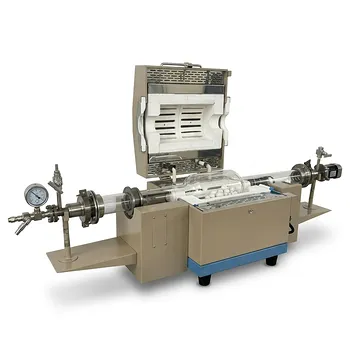
High Temperature Rotary Tube Furnace with Integrated Ball Milling and Gas Flow Function for Powder Nitriding

High Temperature 1700C Tube Furnace with High Vacuum Turbomolecular Pump System and Multi Channel Mass Flow Controller Gas Mixer
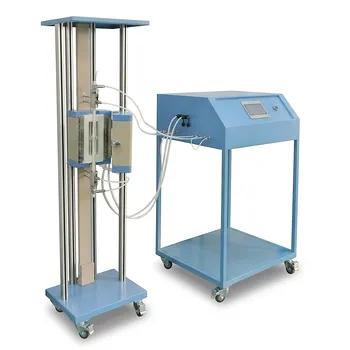
High Temperature Vertical Tube Furnace for Small Solid Oxide Fuel Cell Testing with Four Channel Gas Control
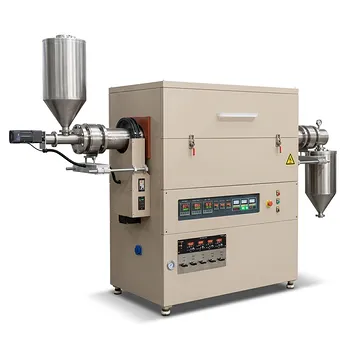
High Temperature Tilting Rotary Tube Furnace with Integrated Mass Flow Control and Multi Zone Heating

Compact Vertical Split Quartz Tube Furnace with Stainless Steel Vacuum Flanges for Rapid Thermal Quenching and Controlled Atmosphere Material Processing
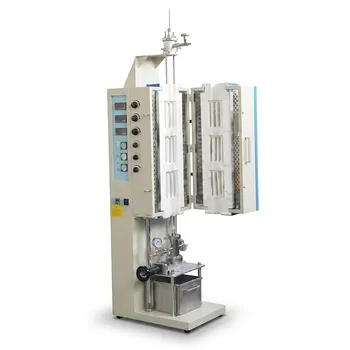
High Temperature Dual Zone Tube Furnace for Material Science Research and Professional Thermal Processing
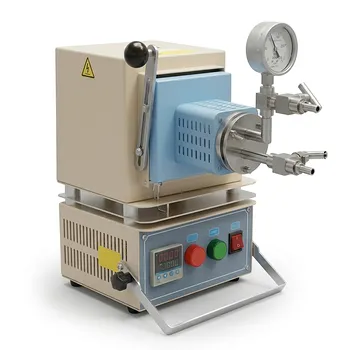
Compact Hybrid Muffle and Tube Furnace for 1000C Controlled Atmosphere Laboratory Material Sintering
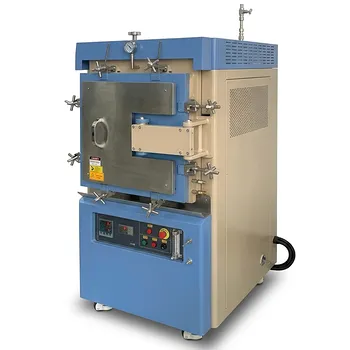
Atmosphere Controlled Muffle Furnace 1700C Maximum Temperature 80L High Capacity Vacuum Inert Gas Box Furnace
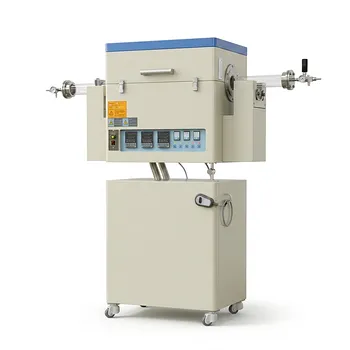
Three Temperature Zone Rotating Tube Furnace for Material Sintering and Controlled Atmospheric Heat Treatment

High Temperature 1700C Vertical Tube Furnace for Powder Spherification and Material Sintering
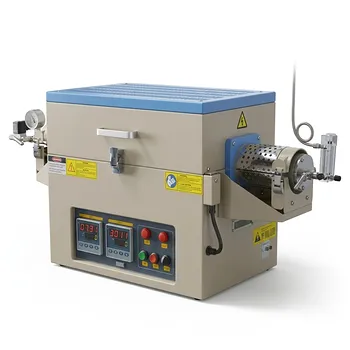
1100C Dual Zone Hydrogen Gas Tube Furnace with Quartz Tube and Integrated H2 Leak Detection System
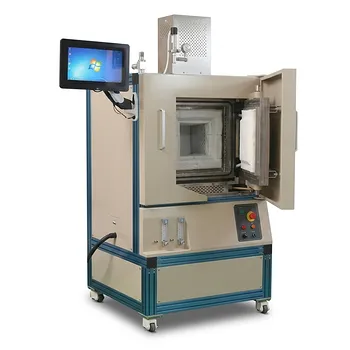
High Temperature Oxygen and Inert Atmosphere Controlled Furnace 8 Liter 1700C Sintering System for Advanced Materials RD
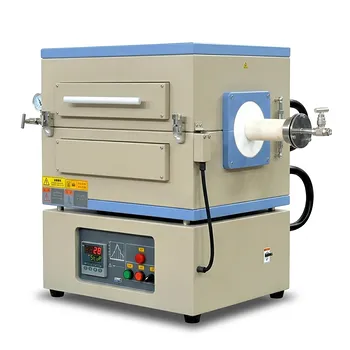
1500°C Split Tube Furnace with Alumina Tube and Vacuum Sealing Flanges for Material Research
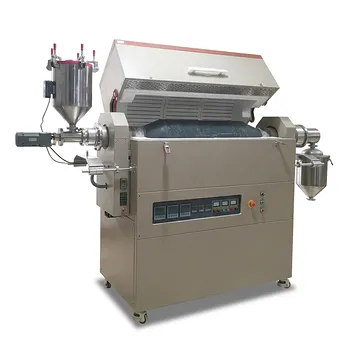
High Temperature Tilting Rotary Tubular Furnace for Continuous Powder Thermal Processing and Controlled Atmosphere Sintering
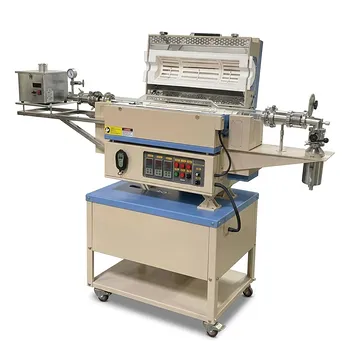
5 Inch Rotary Tube Furnace with Automatic Feeding and Receiving System 1200C Three Zone CVD Powder Processing

Compact High Temperature 1600C Tube Furnace with 50mm Alumina Tube and Vacuum Flanges for Material Sintering
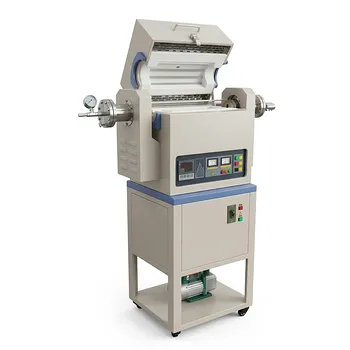
High Temperature Rotary Tilt Tubular Furnaces for Advanced Powder Sintering and Material Processing
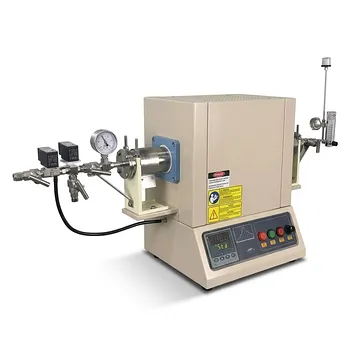
1500C Compact Hydrogen Gas Tube Furnace with 2 Inch Alumina Tube and Hydrogen Detector

High Temperature Automated 5 Inch Tube Furnace for Autonomous Material Research and Advanced Laboratory R&D
