Why is an air atmosphere furnace used for secondary heat treatment? Remove Carbon Char & Restore Material Purity
Updated 3 months ago
The primary reason for using an air atmosphere furnace for secondary heat treatment is to remove residual carbon contaminants through controlled oxidation. Solid residues recovered from pyrolysis are typically coated in a black carbonaceous layer that compromises the purity and utility of the material. By introducing an oxygen-rich environment at temperatures around 550 °C, this carbon coating is chemically converted into gas, leaving behind clean, high-quality glass fibers.
Secondary heat treatment in an air atmosphere acts as a critical purification stage, utilizing oxidation to strip away carbon "char" that remains after the initial pyrolysis. This process is essential for restoring the visual and chemical properties of recovered fibers, making them viable for high-grade industrial reuse.
The Mechanism of Carbon Removal
Stripping Carbonaceous Coatings
Pyrolysis is an anaerobic process (conducted without oxygen) that breaks down organic binders but often leaves a char residue on the remaining solids. An air atmosphere furnace introduces the oxygen necessary to chemically react with this surface carbon.
Restoration of Material Purity
The oxidation process effectively "burns off" the black film that coats recovered glass fibers. This transformation results in clean, white glass fibers that are free from the impurities that would otherwise hinder their performance in new composite materials.
Kinetic Control via Temperature
Maintaining a stable temperature of approximately 550 °C provides the thermal energy required to drive the oxidation reaction to completion. This specific temperature is chosen to be high enough to consume the carbon but low enough to avoid thermal degradation of the glass structure itself.
The Role of Atmospheric Control
Oxidative vs. Reducing Environments
While some secondary treatments use reducing atmospheres (like Hydrogen/Argon mixtures) to refine carbon nanostructures, fiber recovery requires an oxidative environment. Oxygen is the active reagent needed to eliminate carbon, whereas a reducing atmosphere would likely stabilize and preserve the unwanted carbon coating.
Consistency Through Dwell Time
A typical treatment duration of 40 minutes ensures that oxygen penetrates the entire volume of the solid residue. This consistency is vital for preventing "cold spots" where carbon might remain, ensuring the final output meets industrial purity standards.
Understanding the Trade-offs
Risk of Mechanical Weakening
Excessive exposure to high temperatures in an oxidative environment can lead to surface pitting on the glass fibers. If the temperature exceeds the optimal range or the dwell time is too long, the fibers may lose a significant percentage of their original tensile strength.
Emissions Management
Because the process converts solid carbon into gaseous carbon dioxide (CO2), it requires robust ventilation and filtration. Unlike the initial pyrolysis stage, which often captures oils and gases, this secondary stage is focused on total removal, necessitating careful environmental controls.
Applying Secondary Heat Treatment Effectively
How to Apply This to Your Project
- If your primary focus is restoring fiber aesthetics and purity: Utilize a standard air atmosphere furnace at 550 °C to ensure the complete removal of black carbonaceous "char."
- If your primary focus is maintaining maximum tensile strength: Minimize the dwell time to the shortest duration necessary for carbon clearance to avoid damaging the fiber surface.
- If your primary focus is synthesizing carbon-based catalysts or nanostructures: Avoid air atmosphere furnaces in favor of reducing atmospheres (like H2/Ar) to prevent the oxidation of the carbon you intend to modify.
By precisely controlling the oxidative environment of the furnace, you can successfully transform low-value pyrolysis waste into a high-purity raw material suitable for demanding manufacturing applications.
Summary Table:
| Feature | Specification/Detail | Purpose in Secondary Heat Treatment |
|---|---|---|
| Atmosphere Type | Oxidative (Air-rich) | Converts carbon char into gaseous CO2 |
| Optimal Temperature | ~550 °C | Drives oxidation without degrading fiber structure |
| Typical Dwell Time | 40 Minutes | Ensures full penetration and complete carbon clearance |
| Primary Outcome | Clean Glass Fibers | Restores aesthetics and chemical purity for reuse |
| Key Constraint | Kinetic Control | Prevents surface pitting and loss of tensile strength |
Maximize Material Recovery with THERMUNITS
Is carbon residue limiting the value of your recycled materials? THERMUNITS is a leading manufacturer of high-temperature laboratory equipment specifically designed for material science and industrial R&D.
Our advanced thermal processing solutions—including Muffle, Atmosphere, Tube, and Rotary furnaces—provide the precise oxidative control needed to transform pyrolysis residues into high-purity raw materials. Whether you are scaling up fiber recovery or refining complex composites, we offer the expertise and equipment (from CVD/PECVD systems to Vacuum Induction Melting) to ensure your success.
Ready to optimize your heat treatment process?
Contact our technical team today to discuss your project requirements!
References
- Dongwang Zhang, Man Zhang. Experimental Study and Process Simulation on Pyrolysis Characteristics of Decommissioned Wind Turbine Blades. DOI: 10.3390/en17133229
Mentioned Products
- 1650C High Temperature Atmosphere Controlled Box Furnace with 65L Chamber for Advanced Material Sintering and Industrial Heat Treatment
- High Temperature Vertical Atmosphere Controlled Furnace 1700C Automatic Bottom Loading 13 Liter Vacuum Thermal System
- Atmosphere Controlled Muffle Furnace 1700C Maximum Temperature 80L High Capacity Vacuum Inert Gas Box Furnace
- High Temperature Vertical Atmosphere Controlled Furnace with Automatic Bottom Loading and 1700°C Capacity for Advanced Material Research
- Roller Table Atmosphere Furnace 1500C High Temperature Battery Material Sintering System 112L Capacity
People Also Ask
- What role does atmosphere control play in technical ceramics and glass? Master Material Purity and Precision
- What role does a high-temperature atmosphere furnace play in the direct electrochemical reduction of CO2? - Key Insights
- What is the role of a high-temperature box furnace in the solid-state synthesis of Europium-doped M3MgSi2O8 phosphors?
- What is the role of a high-temperature box furnace in Na3MnZr(PO4)3 synthesis? Engineering High-Performance NASICON.
- What physical conditions does a high-temperature atmosphere furnace provide for MXene exfoliation? Process Guide

Tech Team · ThermUnits
Last updated on Jun 02, 2026
Related Products
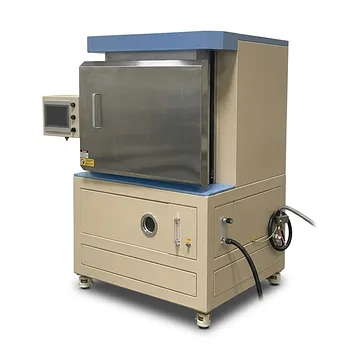
1650C High Temperature Atmosphere Controlled Box Furnace with 65L Chamber for Advanced Material Sintering and Industrial Heat Treatment
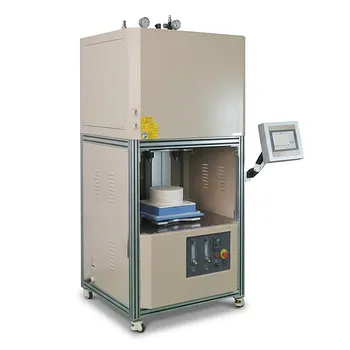
High Temperature Vertical Atmosphere Controlled Furnace 1700C Automatic Bottom Loading 13 Liter Vacuum Thermal System
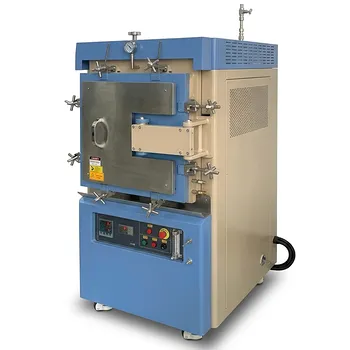
Atmosphere Controlled Muffle Furnace 1700C Maximum Temperature 80L High Capacity Vacuum Inert Gas Box Furnace
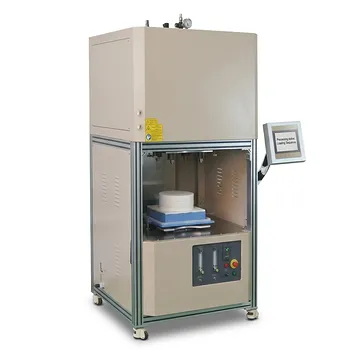
High Temperature Vertical Atmosphere Controlled Furnace with Automatic Bottom Loading and 1700°C Capacity for Advanced Material Research
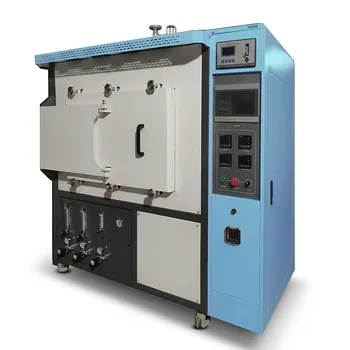
Roller Table Atmosphere Furnace 1500C High Temperature Battery Material Sintering System 112L Capacity
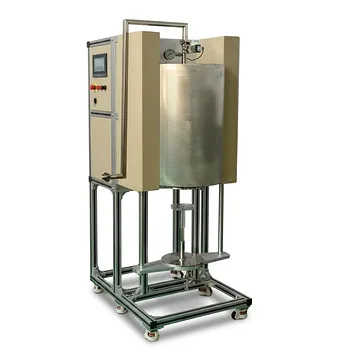
1200°C Atmosphere Controlled Automatic Bottom Loading Furnace with 6 Inch Quartz Tube
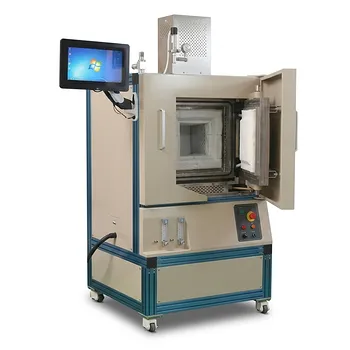
High Temperature Oxygen and Inert Atmosphere Controlled Furnace 8 Liter 1700C Sintering System for Advanced Materials RD
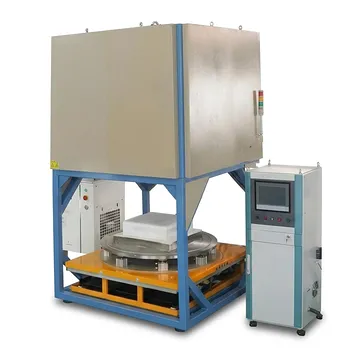
Bottom Loaded Inert Gas Atmosphere Box Furnace 1400C Maximum Temperature 125L High Capacity Laboratory Heat Treatment System
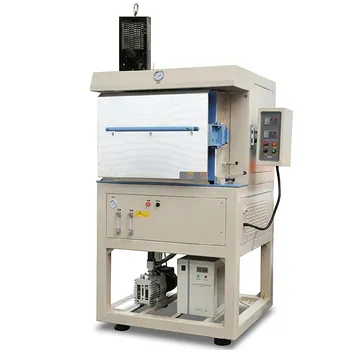
1200C Hydrogen Atmosphere Box Furnace with 5 Heated Sides and 64L Chamber
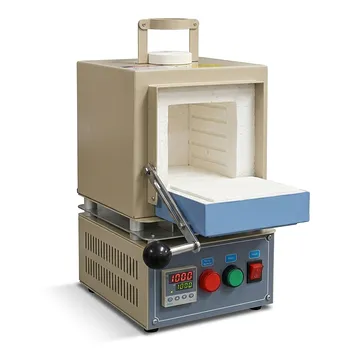
Compact 1000C Muffle Furnace with Programmable Controller and 2 Inch Top Port for Vacuum and Atmosphere Material Research
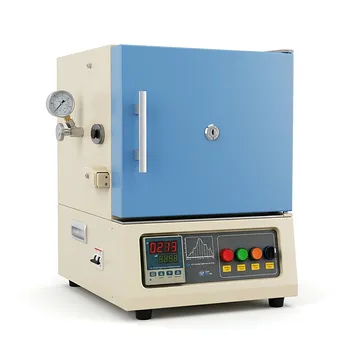
1200C Hybrid Muffle and Tube Furnace for Material Research with Dual Atmosphere Control Quartz Tubes
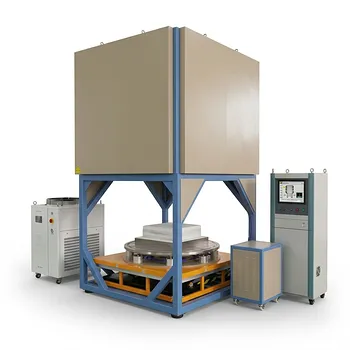
Bottom Loaded Inert Gas Atmosphere Box Furnace 1700C 1300C 216L Large Capacity Industrial Thermal Processing System
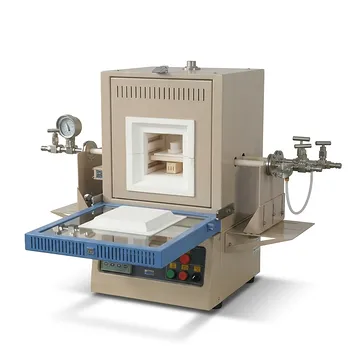
1700C Compact Hybrid Furnace with Dual Layer Box Sintering and Controlled Atmosphere Alumina Tubes
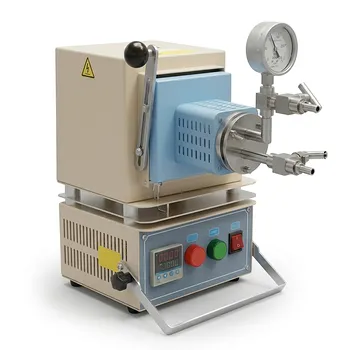
Compact Hybrid Muffle and Tube Furnace for 1000C Controlled Atmosphere Laboratory Material Sintering
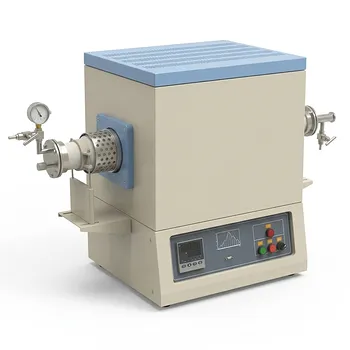
1750°C High Temperature Benchtop Vacuum Atmosphere Tube Furnace with Kanthal Super 1800 Heating Elements and 60mm Alumina Processing Tube

Compact Vertical Split Quartz Tube Furnace with Stainless Steel Vacuum Flanges for Rapid Thermal Quenching and Controlled Atmosphere Material Processing
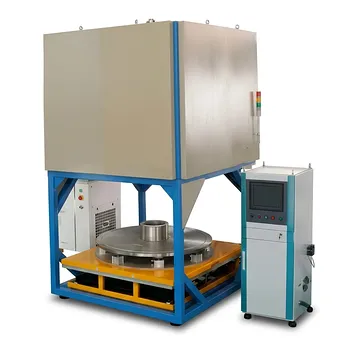
1400C Bottom Loaded Inert Gas Atmosphere Box Furnace with 125L Capacity and Precision Hydraulic Lift
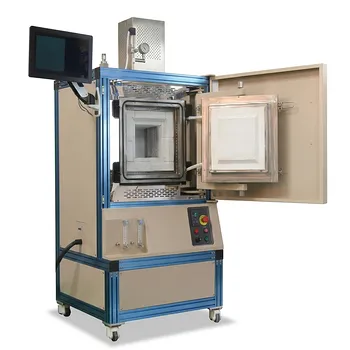
High Temperature Hydrogen Atmosphere Box Furnace 1650C Max Reducing Environment Material Synthesis System 8x8x8 Chamber
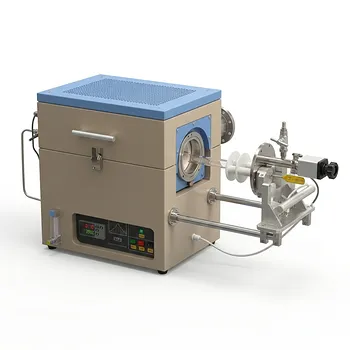
Compact Atmosphere Controlled Rapid Thermal Processing RTP Furnace with 4 Inch ID Quartz Tube 1100C
