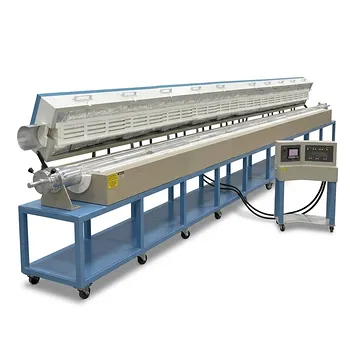
Why use atmosphere tube furnaces for biomass carbonization? Ensure High Carbon Yield and Structural Integrity
Updated 3 months ago
The necessity of an atmosphere tube furnace lies in the physical and chemical preservation of the carbon source during high-heat processing. At temperatures between 400°C and 1000°C, biomass materials like chitin or lignin will spontaneously ignite and turn into worthless ash if oxygen is present. Nitrogen protection creates an inert environment that forces the material to undergo pyrolysis, ensuring the organic precursors are converted into a stable carbon skeleton rather than being destroyed.
An atmosphere tube furnace with nitrogen protection shifts the high-temperature reaction from destructive combustion to controlled pyrolysis. This setup prevents the loss of carbon mass and ensures the retention of essential heteroatoms and microstructures required for advanced material performance.
Preventing Material Loss and Oxidative Ablation
The Threshold of Combustion
Biomass precursors are highly reactive when exposed to heat and oxygen. Without a strictly controlled nitrogen atmosphere, temperatures reaching 500°C would trigger oxidative combustion, essentially burning the raw material before it can carbonize.
Preserving Delicate Nanostructures
Maintaining an oxygen-free environment is critical for protecting the physical shape of the material. A nitrogen atmosphere prevents thermal erosion, which would otherwise destroy delicate one-dimensional hollow tubes and two-dimensional nanosheet structures.
Ensuring Carbon Yield
The nitrogen flow ensures that the organic components are converted into solid carbon products through devolatilization. This process maximizes the yield of the carbon material, preventing it from being reduced to atmospheric gases and ash.
Chemical Composition and Heteroatom Retention
Retaining Nitrogen and Phosphorus
For materials meant for energy storage, the retention of heteroatoms like nitrogen and phosphorus is vital. An atmosphere furnace ensures these elements remain bonded within the preliminary carbon skeleton during the early stages of activation.
Controlled Dehydration
The tube furnace environment allows for the orderly dehydration of biomass molecular structures. By removing water and volatile components under inert conditions, the furnace guides the thermal rearrangement of atoms into a structured matrix.
Enhancing Electrical Conductivity
By providing a platform for the graphitization of the carbon structure, the furnace enhances the electrical conductivity of the final product. This is specifically important for developing high-performance nitrogen-doped hard carbon electrodes.
Structural Integrity and Process Control
Maintaining a Controlled Thermal Field
Atmosphere tube furnaces provide a uniform and stable thermal field. This consistency is necessary to ensure that the entire batch of biomass undergoes the same degree of thermal rearrangement and carbonization.
Removal of Volatile Impurities
The continuous flow of high-purity nitrogen does more than just block oxygen; it actively flushes out volatile impurities. This cleaning action ensures that the carbon substrate can react efficiently with any activators used in subsequent stages.
Creating a Reductive Environment
While nitrogen is technically inert, its role in displacing oxygen creates a functional reductive atmosphere. This environment is essential for developing complex, highly developed microporous and mesoporous structures.
Understanding the Trade-offs and Constraints
The Risk of Trace Oxygen
Even trace amounts of oxygen can lead to oxidative ablation of lignin fibers. This ruins the surface morphology and significantly reduces the carbon conversion efficiency, making the purging process a critical prerequisite.
Gas Flow and Pressure Balancing
Managing the nitrogen flow rate is a delicate balance. If the flow is too low, oxygen may leak in; if it is too high, it may cool the furnace prematurely or disrupt the stable thermal field required for uniform carbonization.
Energy Consumption vs. Purity
High-purity nitrogen is an added operational cost. However, using lower-purity gas risks introducing moisture or oxygen, which ultimately degrades the structural integrity and porosity of the final carbon material.
How to Apply This to Your Project
When utilizing an atmosphere tube furnace for biomass carbonization, your process parameters should align with your specific material requirements.
- If your primary focus is maximizing carbon yield: Ensure a thorough nitrogen purge cycle before heating to eliminate all residual oxygen that could trigger combustion.
- If your primary focus is preserving nanostructures: Maintain a steady, continuous flow of high-purity nitrogen to prevent thermal erosion and protect 1D or 2D morphology.
- If your primary focus is heteroatom doping (N or P): Utilize the inert atmosphere to bridge the transition from dehydration to graphitization without losing functional chemical elements.
- If your primary focus is developing high porosity: Use the stable gas flow to effectively remove volatiles, ensuring the carbon substrate is primed for efficient pore formation during activation.
Precise atmospheric control is the foundational requirement for transforming raw biomass into high-value, functional carbon materials.
Summary Table:
| Feature | Without Nitrogen (Combustion) | With Nitrogen (Pyrolysis) |
|---|---|---|
| Process Type | Destructive Oxidation | Controlled Pyrolysis |
| Material Outcome | Worthless Ash & Gas | Stable Carbon Skeleton |
| Nanostructure | Thermally Eroded | Preserved (1D/2D) |
| Carbon Yield | Minimal/Low | Maximized Carbon Mass |
| Heteroatoms (N, P) | Lost/Destroyed | Retained for Performance |
Advanced Thermal Solutions for Material Science R&D
Transform your research with THERMUNITS, a leading manufacturer of high-performance laboratory equipment. Whether you are focused on biomass pre-carbonization or advanced electronics, we provide the precision tools necessary for success. Our comprehensive range includes:
- Atmosphere & Tube Furnaces: Perfect for nitrogen-protected pyrolysis.
- Vacuum & CVD/PECVD Systems: For high-purity material deposition.
- Muffle, Rotary, & Hot Press Furnaces: Tailored for diverse industrial R&D.
- Specialized Equipment: Including Dental Furnaces, VIM, and high-quality Thermal Elements.
THERMUNITS delivers the uniform thermal fields and atmospheric control required to prevent oxidative ablation and maximize material performance. Achieve superior heat treatment results—contact our expert team today to find the perfect solution for your lab!
References
- Shanshuai Chen, Hongliang Wang. Biomaterial-derived porous carbon doped with heteroatoms as a separator coating for high-energy–density Zn-I batteries. DOI: 10.1007/s42773-024-00399-y
Mentioned Products
- Electric Rotary Kiln Small Rotary Furnace Biomass Pyrolysis Plant
- Compact Vertical Split Quartz Tube Furnace with Stainless Steel Vacuum Flanges for Rapid Thermal Quenching and Controlled Atmosphere Material Processing
- Compact Hybrid Muffle and Tube Furnace for 1000C Controlled Atmosphere Laboratory Material Sintering
- Vertical 1700C Vacuum and Atmosphere Tube Furnace with 80mm Alumina Tube
- 1200°C Atmosphere Controlled Automatic Bottom Loading Furnace with 6 Inch Quartz Tube
People Also Ask
- How does the electric rotary kiln support environmental compliance and sustainability? Achieve Zero-Emission Production
- What are the maintenance and service life advantages of an electric rotary kiln? 25+ Year Longevity & Low Maintenance
- What thermal efficiency can be expected from an electric rotary kiln compared to fuel-fired alternatives? Gain 95% efficiency.
- How does the use of an electric rotary kiln facilitate CO2 capture in cement and lime production? Achieve High-Purity CCUS
- Which minerals and specialty chemicals are commonly processed using electric rotary kilns? Precision Thermal Processing Guide

Tech Team · ThermUnits
Last updated on Jun 03, 2026
Related Products
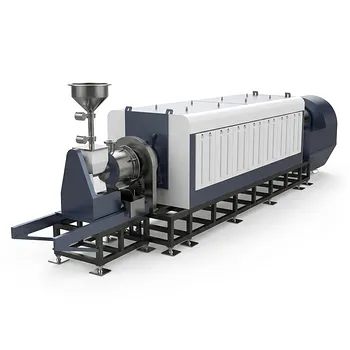
Electric Rotary Kiln Small Rotary Furnace Biomass Pyrolysis Plant
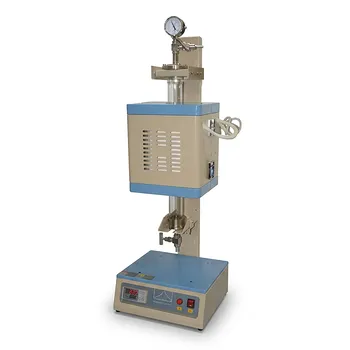
Compact Vertical Split Quartz Tube Furnace with Stainless Steel Vacuum Flanges for Rapid Thermal Quenching and Controlled Atmosphere Material Processing
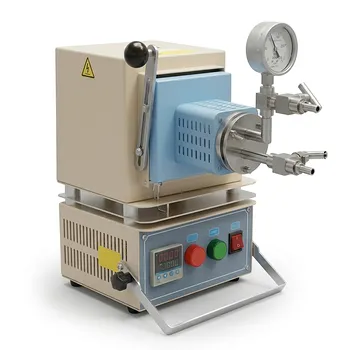
Compact Hybrid Muffle and Tube Furnace for 1000C Controlled Atmosphere Laboratory Material Sintering
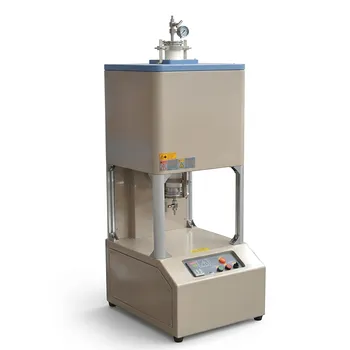
Vertical 1700C Vacuum and Atmosphere Tube Furnace with 80mm Alumina Tube
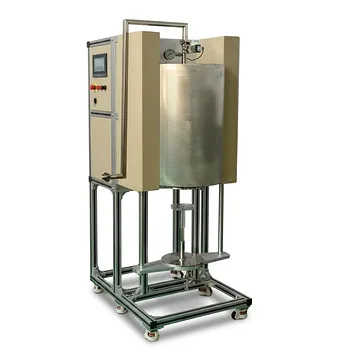
1200°C Atmosphere Controlled Automatic Bottom Loading Furnace with 6 Inch Quartz Tube
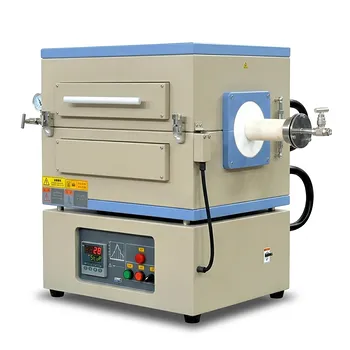
1500°C Split Tube Furnace with Alumina Tube and Vacuum Sealing Flanges for Material Research
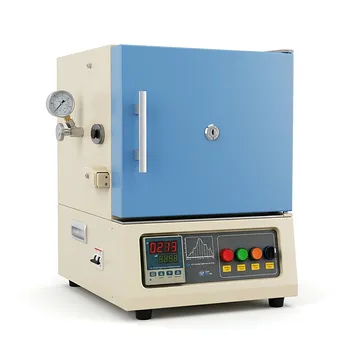
1200C Hybrid Muffle and Tube Furnace for Material Research with Dual Atmosphere Control Quartz Tubes
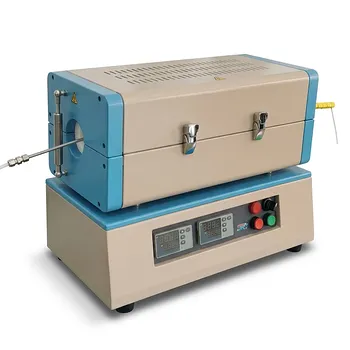
Gas Pre-Heating Tube Furnace for High Temperature Pyrolysis Reactors and Material Science Research
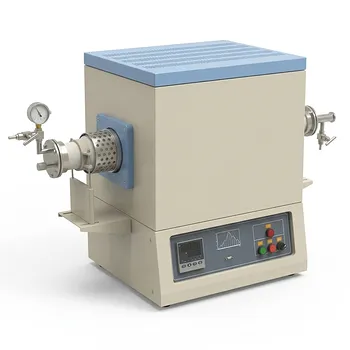
1750°C High Temperature Benchtop Vacuum Atmosphere Tube Furnace with Kanthal Super 1800 Heating Elements and 60mm Alumina Processing Tube
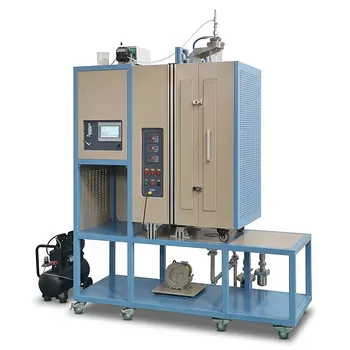
1500C Three Zone Vertical Pyrolysis Furnace for Nanoparticle Synthesis and Advanced Oxide Coating

High Temperature 1700C Vertical Tube Furnace for Powder Spherification and Material Sintering
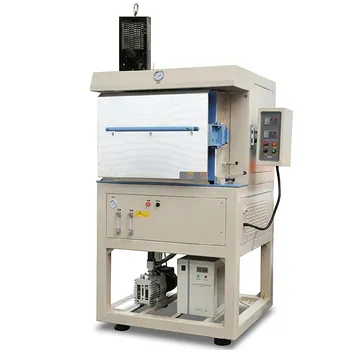
1200C Hydrogen Atmosphere Box Furnace with 5 Heated Sides and 64L Chamber
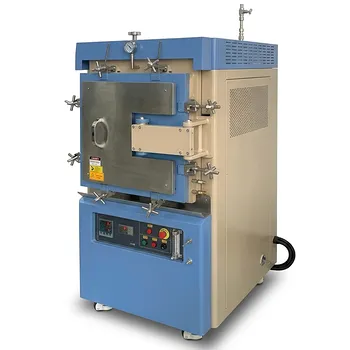
Atmosphere Controlled Muffle Furnace 1700C Maximum Temperature 80L High Capacity Vacuum Inert Gas Box Furnace
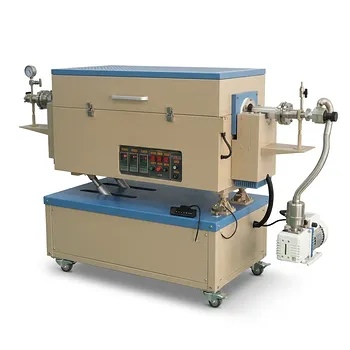
Three Zone Rotary Tube Furnace for High Temperature Powder Processing and Material Research
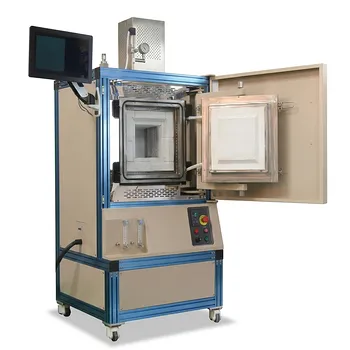
High Temperature Hydrogen Atmosphere Box Furnace 1650C Max Reducing Environment Material Synthesis System 8x8x8 Chamber
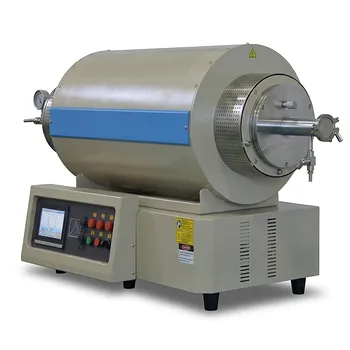
1200C Max Three Zone Tube Furnace 6 Inch OD Max with Tube and Flange

High Temperature Automated 5 Inch Tube Furnace for Autonomous Material Research and Advanced Laboratory R&D
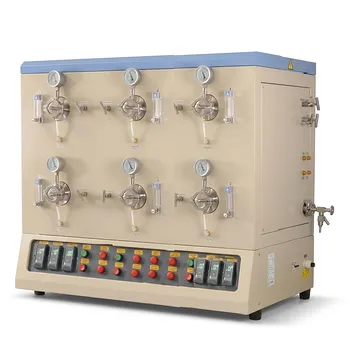
1200C High Throughput Multi Channel Tube Furnace with 50mm Quartz Tubes for Annealing and Material Phase Diagram Research
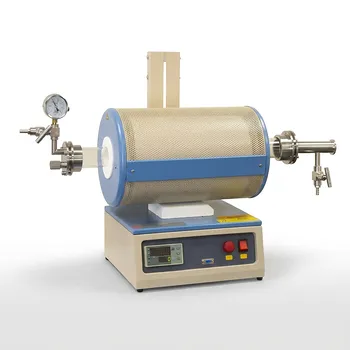
1100C Tube Furnace with Vacuum Flange and Programmable Temperature Controller for Material Science and Industrial Heat Treatment