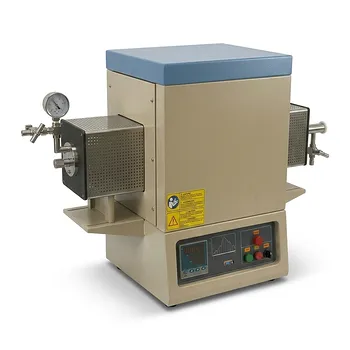
Why is an industrial tube furnace used for HAp/TiO2 calcination? Master Precise Phase Control for Nanocomposites
Updated 6 months ago
Industrial tube furnaces are the preferred technology for HAp/TiO2 calcination because they provide the precise thermal stability required to synchronize the crystallization of two distinct materials. This specific environment ensures that the hydroxyapatite (HAp) and titanium dioxide (TiO2) achieve their optimal phase structures—such as the photoelectrically active anatase phase—while forming a stable composite with enhanced antibacterial and photocatalytic properties.
Core Takeaway: The industrial tube furnace acts as a critical thermal processing unit that transforms amorphous precursors into high-performance nanocomposites by maintaining uniform heating rates and controlled atmospheres, which are essential for achieving the desired crystallinity and purity.
Driving Phase Transformation and Crystallization
Transitioning to the Active Anatase Phase
A primary function of the tube furnace is to facilitate the transition of Titanium Dioxide (TiO2) from an amorphous state to its anatase phase. This specific crystalline structure is essential for the material to become photoelectrically active, which is a requirement for applications like UV photodetectors and photocatalysis.
Stabilizing the Hydroxyapatite Lattice
Simultaneously, the furnace provides the high-temperature environment (often ranging from 400°C to 850°C) necessary for Hydroxyapatite (HAp) to reach its ideal degree of crystallinity. This stabilization improves the structural integrity of the nanocomposite and enhances its adsorption performance in environmental applications.
Ensuring Full Chemical Reaction
By maintaining a constant high-temperature environment, the furnace ensures that the HAp and TiO2 components react fully at the molecular level. This leads to a stabilized composite material where the two phases are effectively integrated rather than existing as a simple, loose mixture.
Precision Control of the Material Environment
Managing Heating Rates and Thermal Uniformity
Tube furnaces allow for exact heating rates (such as 5°C per minute) and a uniform thermal field distribution. This precision prevents thermal shock and ensures that the entire batch of nanocomposite undergoes phase transformation at the same rate, resulting in a consistent product.
Minimizing Electronic and Chemical Defects
Continuous heating in a controlled, oxygen-containing environment within the tube furnace reduces exciton-like traps and oxygen vacancy concentrations. Reducing these defects is critical for enhancing charge carrier mobility, which directly improves the response efficiency of the final material.
Removal of Organic Impurities
The calcination process effectively burns off residual organic impurities and volatile components left over from the synthesis stages. This purification results in high-purity powders with clear exposed crystal facets, which are vital for maximizing the surface area available for chemical reactions.
Understanding the Trade-offs
Crystallinity vs. Particle Agglomeration
While higher temperatures and longer dwell times improve crystallinity, they also increase the risk of particle agglomeration. Industrial processes must find a "technical balance" to ensure the material is stable without losing its high specific surface area due to particles fusing together.
Atmosphere Control Complexity
Unlike simple muffle furnaces, tube furnaces allow for protective atmospheres (using inert or reactive gases). While this provides superior control over the material's oxidation state, it adds operational complexity and requires precise gas flow management to maintain consistent results.
How to Apply This to Your Project
Choosing the Right Parameters for Your Goal
The specific settings of your industrial tube furnace should be dictated by the intended end-use of your HAp/TiO2 nanocomposite.
- If your primary focus is Photocatalytic Activity: Prioritize maintaining a temperature that favors the anatase phase of TiO2 (typically around 400°C to 700°C) to prevent the transition to the less active rutile phase.
- If your primary focus is Structural Stability or Adsorption: Opt for higher calcination temperatures (near 800°C) to maximize the crystallinity of the Hydroxyapatite framework.
- If your primary focus is Electronic Response (Sensors): Utilize the tube furnace’s ability to control the oxygen environment to minimize oxygen vacancies and improve charge carrier mobility.
By mastering the precise thermal and atmospheric variables of the industrial tube furnace, you can move successfully from laboratory-scale research to high-volume industrial production of advanced nanocomposites.
Summary Table:
| Feature | Benefit for HAp/TiO2 Synthesis | Key Outcome |
|---|---|---|
| Precise Temp Control | Stabilizes the Hydroxyapatite (HAp) lattice | High structural integrity & adsorption |
| Managed Heating Rates | Facilitates specific TiO2 anatase phase | Enhanced photocatalytic activity |
| Controlled Atmosphere | Reduces oxygen vacancies & defects | Improved charge carrier mobility |
| Thermal Uniformity | Ensures consistent batch transformation | High-purity powders with no defects |
| Impurity Removal | Burns off residual organic precursors | Clear crystal facets & high surface area |
Elevate Your Material Research with THERMUNITS
Are you looking to achieve superior crystallinity and phase purity in your nanocomposites? THERMUNITS is a leading manufacturer of high-temperature laboratory equipment for material science and industrial R&D. We offer a comprehensive suite of thermal processing solutions tailored for precision and reliability.
Whether you need an Industrial Tube Furnace for HAp/TiO2 calcination or other advanced equipment like Muffle, Vacuum, Atmosphere, Rotary, or Hot Press furnaces, CVD/PECVD systems, Dental Furnaces, or Vacuum Induction Melting (VIM) furnaces, we have the expertise to support your heat treatment requirements.
Ready to optimize your thermal processing? Contact our technical experts today to find the ideal solution for your laboratory or industrial production needs.
References
- Aleksandra Sknepnek, Miljana Mirković. Effects of Synthesis Parameters on Structure and Antimicrobial Properties of Bacterial Cellulose/Hydroxyapatite/TiO2 Polymer–Ceramic Composite Material. DOI: 10.3390/polym16040470
Mentioned Products
- 900°C Max Rotary Tube Furnace with 8 Inch 310S Alloy Tube and Optional Multi Zone Heating for Industrial Material Calcination
- Dual Zone Rotary Tube Furnace for Uniform Powder Calcination 1000C 2 Inch Quartz Tube
- Multi Position Tube Furnace 1100C for Laboratory Material Research and Advanced Industrial Thermal Processing
- 1100C Tube Furnace with Vacuum Flange and Programmable Temperature Controller for Material Science and Industrial Heat Treatment
- 5 Inch Rotary Tube Furnace with Automatic Feeding and Receiving System 1200C Three Zone CVD Powder Processing
People Also Ask
- How does a rotary tube furnace improve the processing of granular materials? Enhance Uniformity and Reaction Kinetics
- Why use a rotary tube furnace for FACS carbonization? Ensure uniform morphology and prevent sphere agglomeration.
- In what ways do rotary tube furnaces enhance chemical and specialty mineral processing? Drive Precision and Uniformity.
- Why is the precise optimization of residence time essential in the catalyst calcination process? Maximize Your Yields.
- What parameters must operators control to maintain product quality in a rotary furnace? Master Your Heat Treatment.

Tech Team · ThermUnits
Last updated on Apr 14, 2026
Related Products
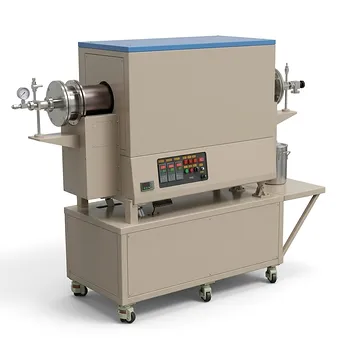
900°C Max Rotary Tube Furnace with 8 Inch 310S Alloy Tube and Optional Multi Zone Heating for Industrial Material Calcination
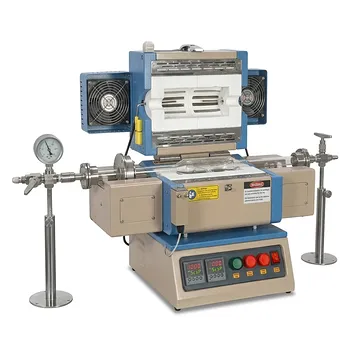
Dual Zone Rotary Tube Furnace for Uniform Powder Calcination 1000C 2 Inch Quartz Tube
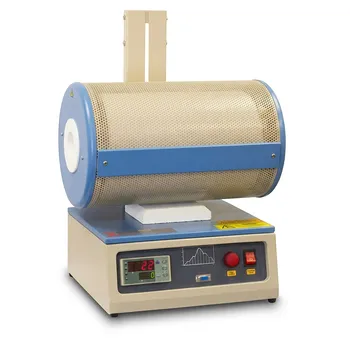
Multi Position Tube Furnace 1100C for Laboratory Material Research and Advanced Industrial Thermal Processing
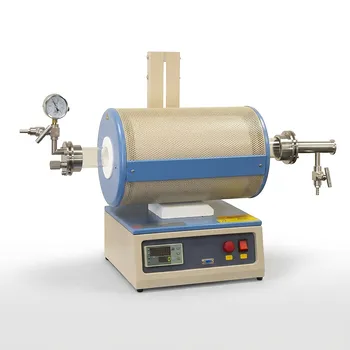
1100C Tube Furnace with Vacuum Flange and Programmable Temperature Controller for Material Science and Industrial Heat Treatment
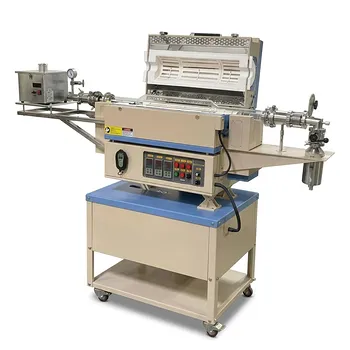
5 Inch Rotary Tube Furnace with Automatic Feeding and Receiving System 1200C Three Zone CVD Powder Processing
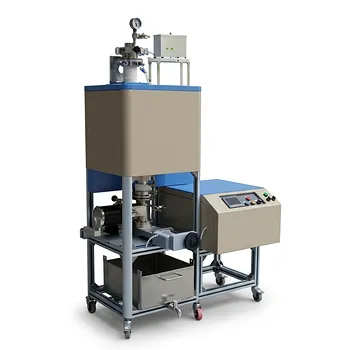
High Temperature 1700C Vertical Tube Furnace for Powder Spherification and Material Sintering
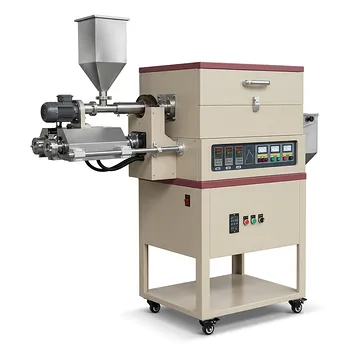
Laboratory Tilting Rotary Tubular Furnaces for Material Science and Industrial Heat Treatment
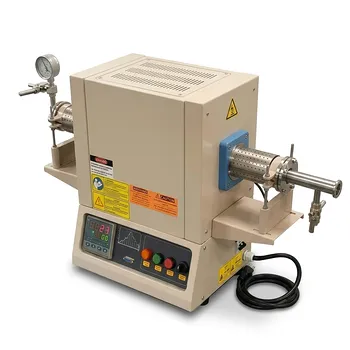
Compact High Temperature 1600C Tube Furnace with 50mm Alumina Tube and Vacuum Flanges for Material Sintering
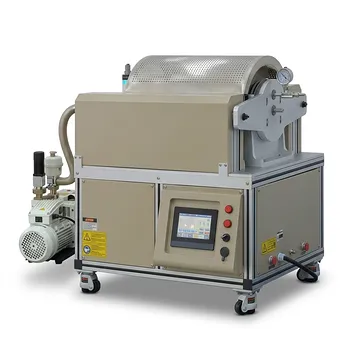
Automated 1200 C Tube Furnace for AI Material Research with 6 Inch OD and Sliding Flange
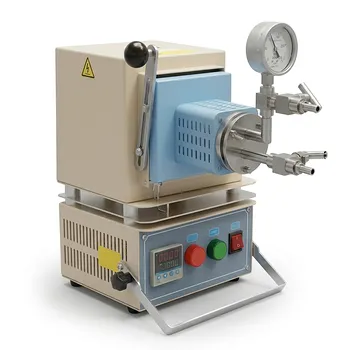
Compact Hybrid Muffle and Tube Furnace for 1000C Controlled Atmosphere Laboratory Material Sintering
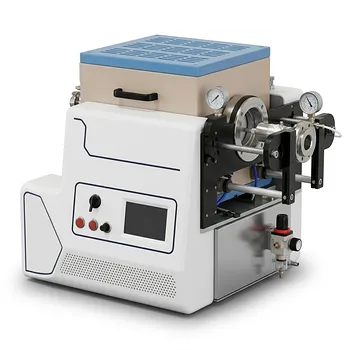
High Temperature Automated 5 Inch Tube Furnace for Autonomous Material Research and Advanced Laboratory R&D
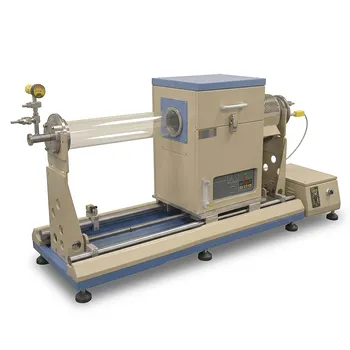
Rapid Thermal Processing Sliding Tube Furnace with 4 Inch OD Quartz Tube and 900C IR Heating
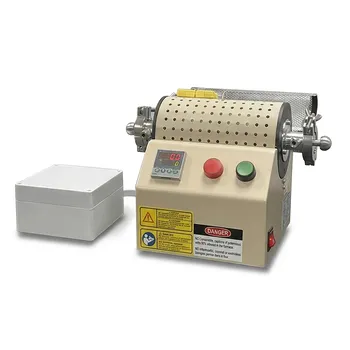
1000C Mini Tube Furnace with 20mm Quartz Tube and Vacuum Flanges for Material Science Research and Controlled Atmosphere Small Sample Processing
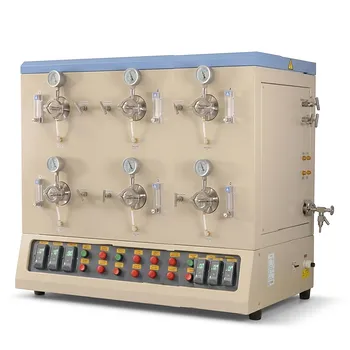
1200C High Throughput Multi Channel Tube Furnace with 50mm Quartz Tubes for Annealing and Material Phase Diagram Research
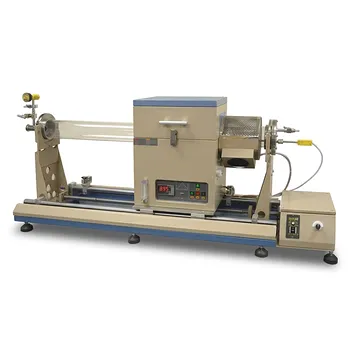
900 ºC Max Sliding RTP Tube Furnace with Rapid IR Heating and 4 Inch OD Quartz Tube
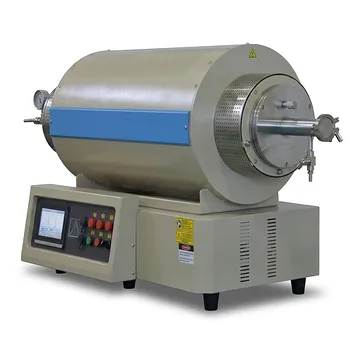
1200C Max Three Zone Tube Furnace 6 Inch OD Max with Tube and Flange
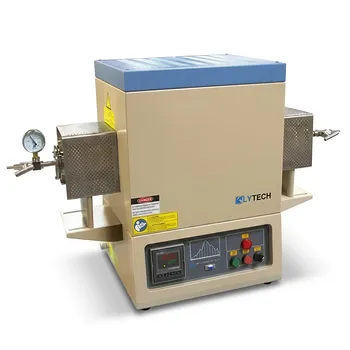
1800C High Temperature Compact Vacuum Tube Furnace with 60mm OD Alumina Tube and Kanthal MoSi2 Heating Elements
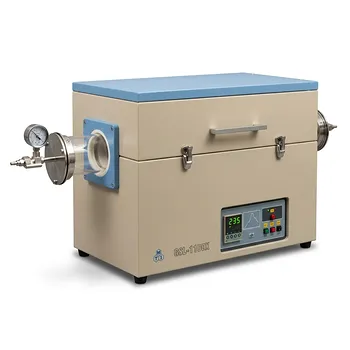
Single Zone Tube Furnace 5 Inch Quartz Tube 36 Inch Heating Zone Vacuum Flanges
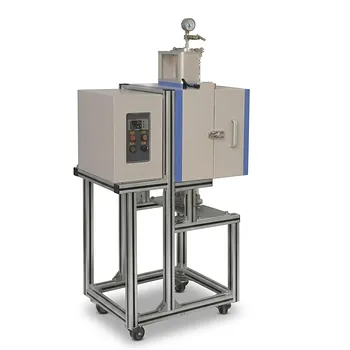
1200°C 5 Inch Vertical Quartz Tube Furnace with Stainless Steel Vacuum Flanges