Why is atmosphere control precision critical in a Vacuum or Atmosphere furnace? Key to Advanced Material Performance
Updated 3 months ago
Atmosphere control precision is the defining factor in determining whether an advanced material achieves its intended functional properties or becomes a degraded sample. At high temperatures, even trace amounts of oxygen or moisture can trigger irreversible chemical reactions that compromise the material’s stoichiometry and structural integrity.
Core Takeaway: Precise atmosphere control in vacuum furnaces serves as a critical safeguard that isolates materials from reactive contaminants while enabling specific chemical environments to fine-tune electrical, magnetic, and catalytic performance.
Preserving Chemical Purity and Structural Integrity
Prevention of Unintended Oxidation and Nitration
At elevated temperatures, active materials are highly susceptible to unintended oxidation or nitration. Precise control ensures that the furnace chamber is purged of oxygen and moisture, preventing the formation of unwanted oxide layers on metals, semiconductors, or specialized ceramics.
Maintaining Chemical Stoichiometry
For complex materials like battery electrolytes or catalysts, maintaining the exact chemical stoichiometry is essential for performance. Atmosphere control prevents the loss of volatile components and ensures that the physical and chemical properties remain unchanged during synthesis.
Protection of Sensitive Microstructures
Advanced substrates, such as microbial-derived carbon, possess delicate pore structures that can be destroyed by uncontrolled combustion. A stable inert or reducing atmosphere protects these structures, allowing for the successful anchoring of trace elements like iron in a single-atom state.
Enhancing Material Functionality and Performance
Optimizing Electrical and Magnetic Properties
In electronics manufacturing, atmosphere precision ensures high electrical conductivity and long-term reliability by preventing oxide formation on delicate contacts. Furthermore, it is decisive for maintaining the stability of magnetic characteristics, which are highly sensitive to the surrounding chemical environment.
Engineering Surface Defects for Catalysis
Precise control over gas mixtures, such as introducing high-purity argon, allows researchers to maintain specific ion ratios (e.g., Co2+/Co3+ and Fe2+/Fe3+) in oxides. This promotes the generation of oxygen vacancies, which serve as active sites that significantly enhance the material's ability to adsorb heavy metal ions.
Facilitating In-Situ Chemical Repair
Beyond simple protection, a controlled atmosphere can be used proactively to improve material quality. The introduction of a reducing atmosphere (such as hydrogen) during heat treatment can facilitate in-situ chemical repair, removing existing oxides and restoring the material's purity.
Understanding the Trade-offs and Challenges
The Risk of Gas Impurity
Even with precise flow controllers, the quality of the atmosphere is limited by the purity of the source gas. If the nitrogen or argon used contains trace moisture, the resulting "controlled" environment may still cause significant material degradation.
Vacuum Integrity vs. Throughput
Achieving a high-vacuum environment effectively removes reactive gases but requires longer processing times and superior seal integrity. Maintaining this balance is difficult, as even a microscopic leak can introduce enough oxygen to ruin a sensitive batch of materials.
Uniformity Across the Chamber
Precision is not just about the type of gas, but its distribution. Inconsistencies in gas flow or pressure within the furnace can lead to non-uniform material properties, resulting in defects like voids or inconsistent intermetallic growth across a single processing run.
How to Apply This to Your Project
When selecting your atmosphere control strategy, align your precision levels with the specific sensitivities of your target material.
- If your primary focus is Chemical Purity: Prioritize high-vacuum extraction followed by backfilling with ultra-high-purity inert gases like argon to eliminate oxygen and moisture interference.
- If your primary focus is Catalytic Activity: Utilize precise gas mixing to maintain specific oxygen vacancy concentrations and ion ratios, ensuring a high density of active surface sites.
- If your primary focus is Electronics Reliability: Focus on maintaining a stable reducing atmosphere to prevent oxide formation on metal surfaces, ensuring maximum conductivity and solderability.
Mastering the furnace atmosphere transforms the heat treatment process from a simple thermal cycle into a sophisticated tool for molecular engineering.
Summary Table:
| Feature | Impact on Material | Key Benefit |
|---|---|---|
| Oxidation Prevention | Eliminates O2/Moisture | Preserves chemical purity and prevents unwanted oxide layers. |
| Stoichiometry Control | Prevents component loss | Ensures consistent functional properties in catalysts and batteries. |
| Defect Engineering | Creates oxygen vacancies | Enhances catalytic activity and surface adsorption sites. |
| In-Situ Repair | Uses reducing atmospheres | Removes existing surface oxides and restores material integrity. |
Master High-Precision Thermal Processing with THERMUNITS
At THERMUNITS, we understand that advanced material science requires uncompromising control. As a leading manufacturer of high-temperature laboratory equipment, we provide specialized solutions designed to meet the rigorous demands of industrial R&D. Our extensive product range includes high-precision Vacuum and Atmosphere furnaces, Tube, Muffle, and Rotary furnaces, as well as advanced CVD/PECVD systems, Hot Press furnaces, and Vacuum Induction Melting (VIM) units.
Whether you are aiming to prevent oxidation in sensitive alloys or engineer specific vacancies in catalysts, our equipment delivers the atmospheric stability and temperature uniformity your project needs to succeed.
Ready to elevate your lab's capabilities?
Contact THERMUNITS Today to explore our custom heat treatment solutions and expert technical support.
References
- Jianqing Li, Fei Du. Engineering Detrimental Functional Groups in Conductive Additives Toward High‐Performance All‐Solid‐State Batteries. DOI: 10.1002/chem.202400074
Mentioned Products
- Roller Table Atmosphere Furnace 1500C High Temperature Battery Material Sintering System 112L Capacity
- High Temperature Vertical Atmosphere Controlled Furnace 1700C Automatic Bottom Loading 13 Liter Vacuum Thermal System
- 1650C High Temperature Atmosphere Controlled Box Furnace with 65L Chamber for Advanced Material Sintering and Industrial Heat Treatment
- 1200C Hydrogen Atmosphere Box Furnace with 5 Heated Sides and 64L Chamber
- 1200°C Atmosphere Controlled Automatic Bottom Loading Furnace with 6 Inch Quartz Tube
People Also Ask
- How does a high-temperature sintering furnace environment enhance NdFeB magnets? Achieve 98%+ density with precision.
- How does the temperature control precision of a high-temperature sintering furnace affect Na1+xLa1-xZr2O6-δ ceramics?
- How are electric heating elements designed to operate within carburizing atmospheres? Top Design Strategies Revealed
- How does a high-temperature sintering furnace contribute to the interfacial strengthening of SS316L and zirconia?
- Why is a high-temperature sintering furnace required for the preparation of Li(Nb,Ta)O3 precursors? Essential Insights

Tech Team · ThermUnits
Last updated on Jun 02, 2026
Related Products
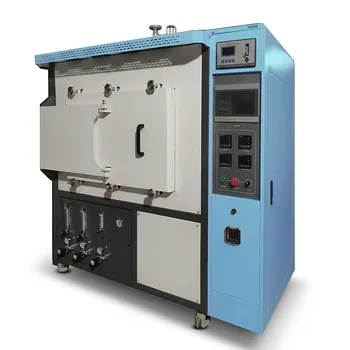
Roller Table Atmosphere Furnace 1500C High Temperature Battery Material Sintering System 112L Capacity
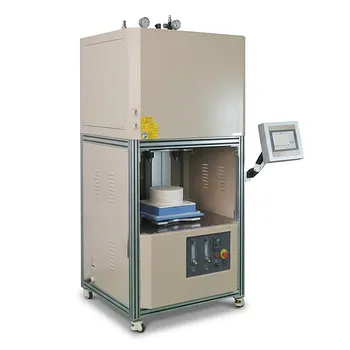
High Temperature Vertical Atmosphere Controlled Furnace 1700C Automatic Bottom Loading 13 Liter Vacuum Thermal System
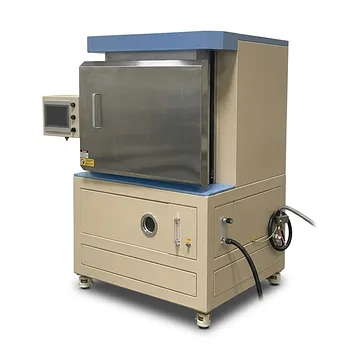
1650C High Temperature Atmosphere Controlled Box Furnace with 65L Chamber for Advanced Material Sintering and Industrial Heat Treatment
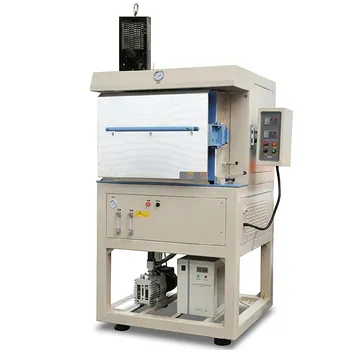
1200C Hydrogen Atmosphere Box Furnace with 5 Heated Sides and 64L Chamber
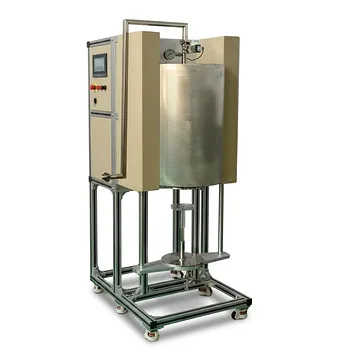
1200°C Atmosphere Controlled Automatic Bottom Loading Furnace with 6 Inch Quartz Tube
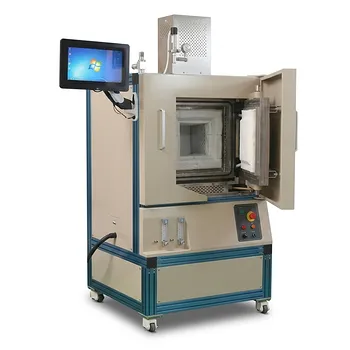
High Temperature Oxygen and Inert Atmosphere Controlled Furnace 8 Liter 1700C Sintering System for Advanced Materials RD
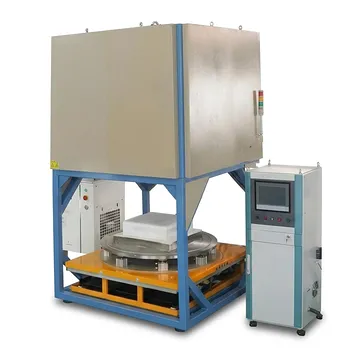
Bottom Loaded Inert Gas Atmosphere Box Furnace 1400C Maximum Temperature 125L High Capacity Laboratory Heat Treatment System
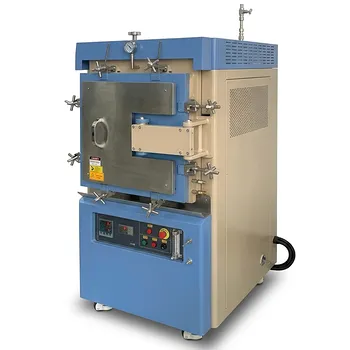
Atmosphere Controlled Muffle Furnace 1700C Maximum Temperature 80L High Capacity Vacuum Inert Gas Box Furnace
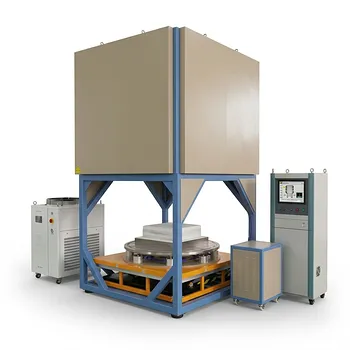
Bottom Loaded Inert Gas Atmosphere Box Furnace 1700C 1300C 216L Large Capacity Industrial Thermal Processing System
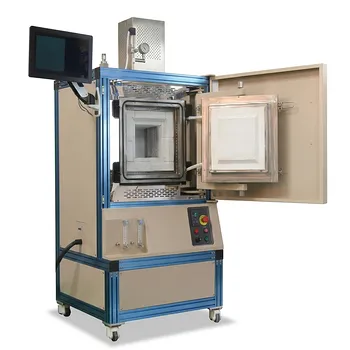
High Temperature Hydrogen Atmosphere Box Furnace 1650C Max Reducing Environment Material Synthesis System 8x8x8 Chamber
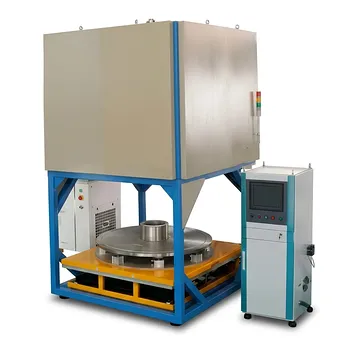
1400C Bottom Loaded Inert Gas Atmosphere Box Furnace with 125L Capacity and Precision Hydraulic Lift
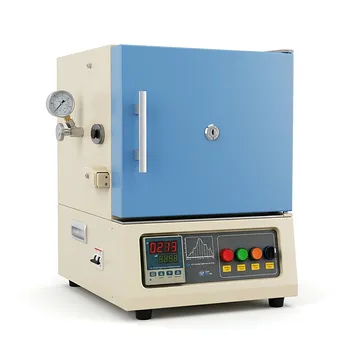
1200C Hybrid Muffle and Tube Furnace for Material Research with Dual Atmosphere Control Quartz Tubes
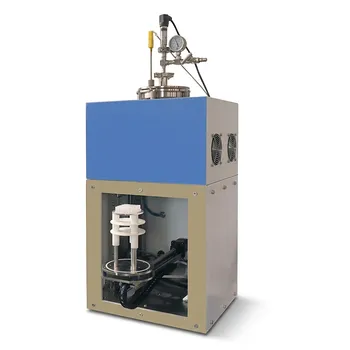
Rapid Thermal Processing RTP Atmosphere Controlled Bottom Loading Furnace 1100C High Throughput 50C per Second Heating Rate
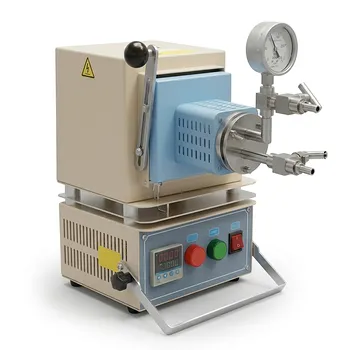
Compact Hybrid Muffle and Tube Furnace for 1000C Controlled Atmosphere Laboratory Material Sintering
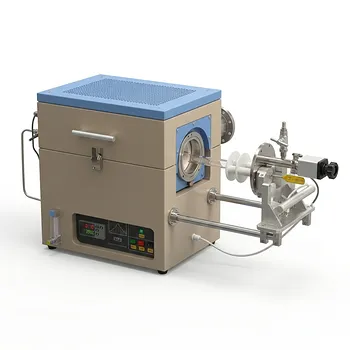
Compact Atmosphere Controlled Rapid Thermal Processing RTP Furnace with 4 Inch ID Quartz Tube 1100C
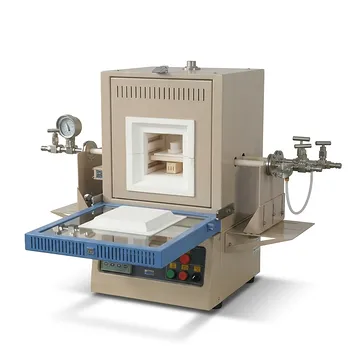
1700C Compact Hybrid Furnace with Dual Layer Box Sintering and Controlled Atmosphere Alumina Tubes

Vertical 1700C Vacuum and Atmosphere Tube Furnace with 80mm Alumina Tube
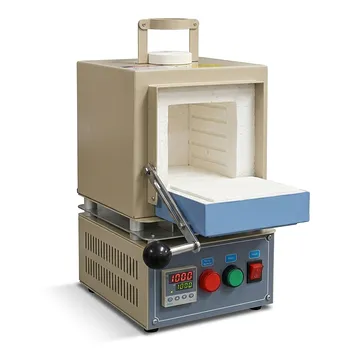
Compact 1000C Muffle Furnace with Programmable Controller and 2 Inch Top Port for Vacuum and Atmosphere Material Research
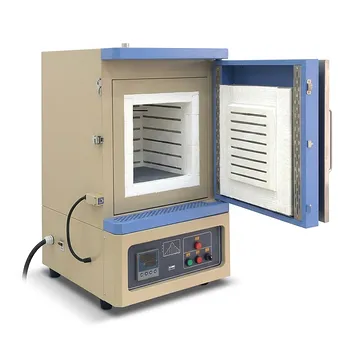
Five Side Heating Muffle Furnace High Purity Alumina Fiber 27L Chamber 1200C High Temperature Thermal Processing System for Sintering Annealing and Materials Research