Why is high-purity nitrogen required during biomass pyrolysis? Optimize Biochar Quality and Material Integrity
Updated 6 months ago
High-purity nitrogen is the essential "shield" in biomass pyrolysis. It is required to create a strictly oxygen-free, inert atmosphere within thermal treatment equipment, such as tube furnaces. By excluding oxygen, nitrogen prevents the biomass from undergoing oxidative combustion or ashing, ensuring the material instead follows a path of incomplete thermal decomposition that preserves its carbon skeleton and molecular value.
High-purity nitrogen acts as a protective medium that shifts the thermal process from simple burning to controlled molecular breakdown. This ensures the production of high-value outputs like biochar and bio-oil rather than reducing the raw material to useless ash.
Preventing Oxidative Combustion
The Shift from Burning to Decomposition
At high temperatures, biomass naturally reacts with oxygen to undergo complete combustion. High-purity nitrogen displaces the oxygen within the reaction chamber, forcing the biomass to undergo pyrolysis—a process of chemical change caused by heat in the absence of oxygen.
Avoiding the Formation of Ash
Without an inert atmosphere, organic raw materials would be reduced to inorganic ash. By maintaining an oxygen-deficient environment, the system preserves the carbonized structures necessary for applications like broadband light absorption or soil amendment.
Preservation of Structural and Chemical Integrity
Protecting the Carbon Skeleton
Nitrogen ensures that the thermal degradation products result solely from molecular breakdown rather than oxidation. This protection is critical for preserving the microporous structure of biochar, which provides the high surface area required for filtration and catalysis.
Maintaining Chemical Potential and Radicals
The use of high-purity nitrogen prevents the premature oxidation of surface functional groups and persistent free radicals (PFRs). This preservation is vital for specific technical goals, such as maintaining the material's chemical potential for reducing hexavalent chromium or other environmental pollutants.
Operational and Kinetic Benefits
Purging and Volatile Transport
Nitrogen is used as a protective process gas to purge residual air from the furnace before heating begins. During the reaction, a continuous flow (e.g., 2 L per minute) carries away volatile components, preventing secondary side reactions that could degrade the quality of the final product.
Stabilizing Product Distribution
An inert environment directs the degradation of organic macromolecules toward specific, energy-rich outputs. This controlled pathway facilitates the efficient conversion of biomass into solid biochar, liquid bio-oil, and syngas, ensuring the stability and predictability of the resulting material properties.
Understanding the Trade-offs
Purity and Flow Rate Requirements
While nitrogen is effective, its success depends heavily on gas purity and flow stability. If the nitrogen contains trace oxygen or if the flow rate is insufficient to displace air leaks, localized oxidation can occur, ruining the batch's structural consistency.
Energy and Cost Implications
Maintaining a continuous flow of high-purity nitrogen adds to the operational cost and complexity of the thermal treatment process. However, this is an unavoidable trade-off, as attempting pyrolysis in a low-purity environment leads to "dirty" biochars with poor porosity and inconsistent chemical signatures.
Making the Right Choice for Your Goal
Recommendations for Biomass Treatment
- If your primary focus is high-surface-area biochar: Ensure a continuous, high-purity nitrogen flow throughout both the heating and insulation stages to protect the development of micropores.
- If your primary focus is energy-rich bio-oil production: Use nitrogen to rapidly sweep volatile vapors out of the hot zone to prevent secondary cracking and maximize liquid yield.
- If your primary focus is chemical reactivity (e.g., heavy metal reduction): Prioritize oxygen exclusion to the highest degree possible to prevent the deactivation of surface functional groups and free radicals.
By meticulously excluding oxygen, high-purity nitrogen transforms a simple furnace into a precision reactor capable of crafting complex, carbon-rich materials.
Summary Table:
| Function of Nitrogen | Technical Benefit | Impact on Pyrolysis Output |
|---|---|---|
| Oxygen Exclusion | Prevents oxidative combustion | Preserves carbon skeleton; avoids ashing |
| Inert Shielding | Protects surface radicals | Maintains chemical reactivity & porosity |
| Volatile Transport | Sweeps vapors from hot zones | Maximizes bio-oil yield; prevents cracking |
| Atmosphere Purging | Removes residual air | Ensures process stability and predictability |
Elevate Your Pyrolysis Research with THERMUNITS
Precise atmosphere control is the difference between high-value biochar and useless ash. THERMUNITS is a leading manufacturer of high-temperature laboratory equipment tailored for material science and industrial R&D. We provide the advanced thermal processing solutions required to maintain the strict inert environments your biomass research demands.
Our comprehensive range includes:
- Atmosphere & Vacuum Furnaces (Ideal for precise nitrogen control)
- Tube & Rotary Furnaces (Perfect for continuous biomass processing)
- CVD/PECVD Systems for advanced material synthesis
- Muffle, Hot Press, and Vacuum Induction Melting (VIM) Furnaces
Ensure the integrity of your carbon structures with equipment designed for stability and purity. Contact our technical experts today to discuss your specific heat treatment requirements and discover how our solutions can enhance your laboratory's efficiency.
References
- Seyed Shahrooz Zargarian, Filippo Pierini. Advancing resource sustainability with green photothermal materials: Insights from organic waste-derived and bioderived sources. DOI: 10.1515/ntrev-2024-0100
Mentioned Products
- Electric Rotary Kiln Small Rotary Furnace Biomass Pyrolysis Plant
- Gas Pre-Heating Tube Furnace for High Temperature Pyrolysis Reactors and Material Science Research
- High Temperature Bottom Loading Vertical Furnace 1700C Dual Stage Sample Processing System 18L Large Capacity Thermal Treatment Equipment
- 1500C Three Zone Vertical Pyrolysis Furnace for Nanoparticle Synthesis and Advanced Oxide Coating
- Electric Rotary Kiln Continuous Working Small Rotary Furnace Heating Pyrolysis Plant
People Also Ask
- How does the use of an electric rotary kiln facilitate CO2 capture in cement and lime production? Achieve High-Purity CCUS
- What are the maintenance and service life advantages of an electric rotary kiln? 25+ Year Longevity & Low Maintenance
- How does the electric rotary kiln support environmental compliance and sustainability? Achieve Zero-Emission Production
- What thermal efficiency can be expected from an electric rotary kiln compared to fuel-fired alternatives? Gain 95% efficiency.
- What are the primary components and heating mechanisms of an electric rotary kiln? Optimize High-Purity Heat Treatment

Tech Team · ThermUnits
Last updated on Apr 14, 2026
Related Products
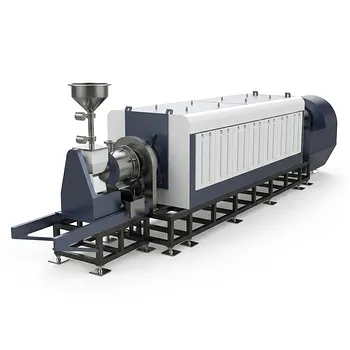
Electric Rotary Kiln Small Rotary Furnace Biomass Pyrolysis Plant
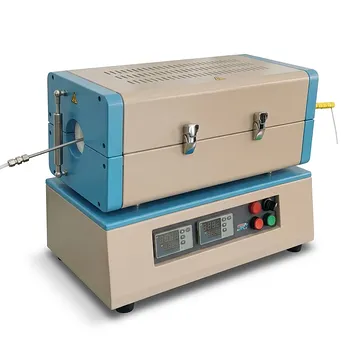
Gas Pre-Heating Tube Furnace for High Temperature Pyrolysis Reactors and Material Science Research
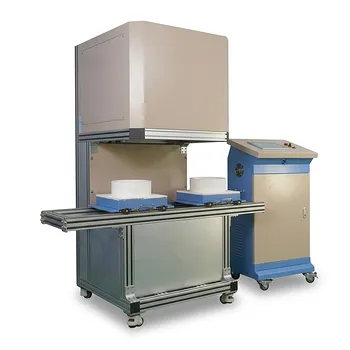
High Temperature Bottom Loading Vertical Furnace 1700C Dual Stage Sample Processing System 18L Large Capacity Thermal Treatment Equipment
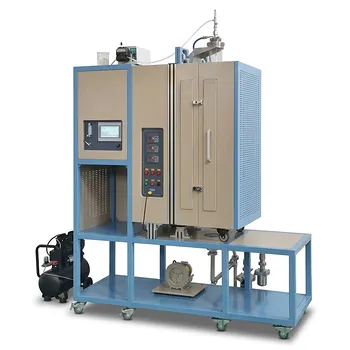
1500C Three Zone Vertical Pyrolysis Furnace for Nanoparticle Synthesis and Advanced Oxide Coating
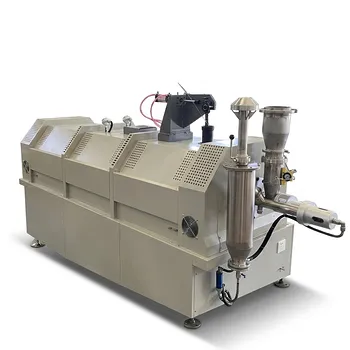
Electric Rotary Kiln Continuous Working Small Rotary Furnace Heating Pyrolysis Plant
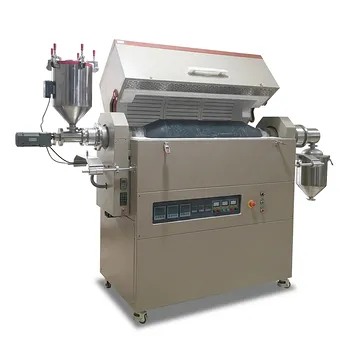
High Temperature Tilting Rotary Tubular Furnace for Continuous Powder Thermal Processing and Controlled Atmosphere Sintering
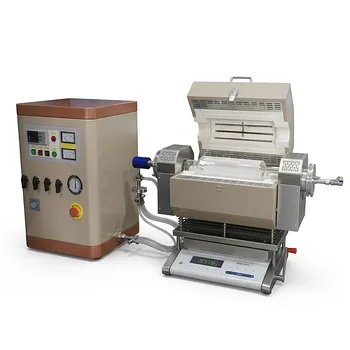
Mini Rotary Tubular Furnaces for Precision Powder Heat Treatment and Thermogravimetric Analysis
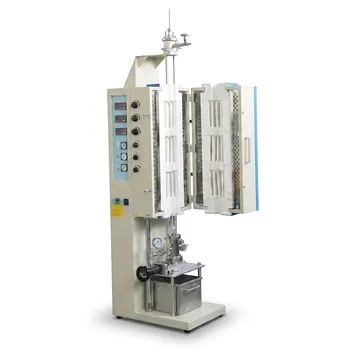
High Temperature Dual Zone Tube Furnace for Material Science Research and Professional Thermal Processing
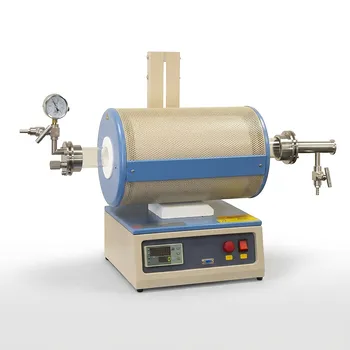
1100C Tube Furnace with Vacuum Flange and Programmable Temperature Controller for Material Science and Industrial Heat Treatment
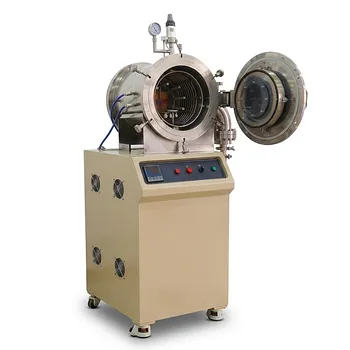
High Temperature Cold Wall High Vacuum Chamber Furnace 1400C for Advanced Material Processing
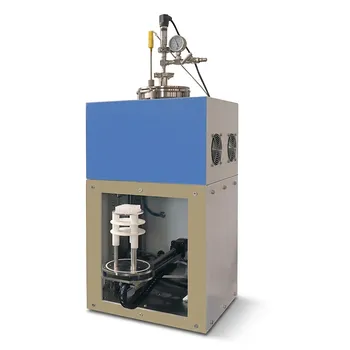
Rapid Thermal Processing RTP Atmosphere Controlled Bottom Loading Furnace 1100C High Throughput 50C per Second Heating Rate
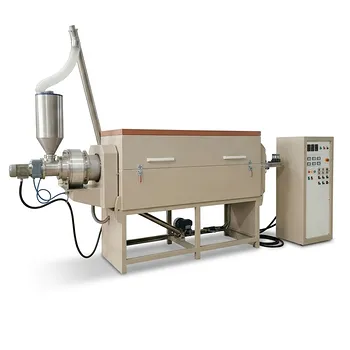
Continuous Feeding Rotary Tube Furnace for Industrial Powder Heat Treatment and Material Research
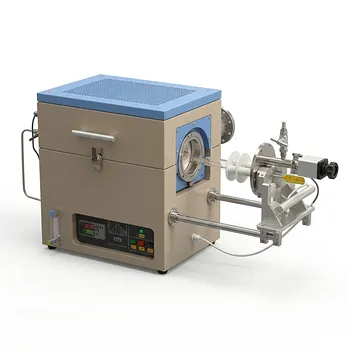
Compact Atmosphere Controlled Rapid Thermal Processing RTP Furnace with 4 Inch ID Quartz Tube 1100C
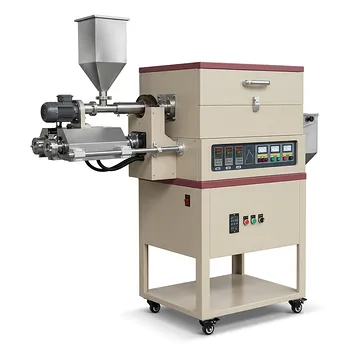
Laboratory Tilting Rotary Tubular Furnaces for Material Science and Industrial Heat Treatment
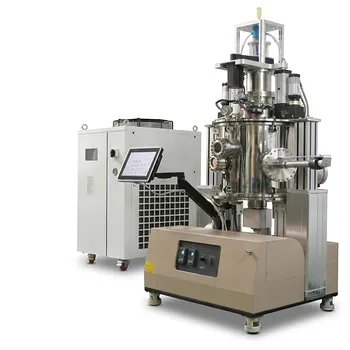
950C Rapid Thermal Processing Furnace for 12 Inch Wafer CSS Coating with Rotating Substrate Holder
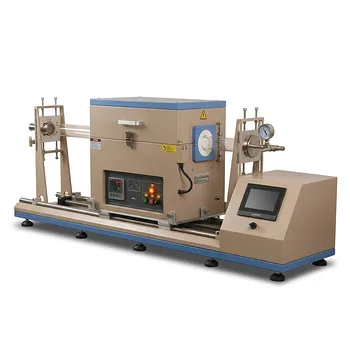
1200C Sliding Tube Furnace for Rapid Thermal Processing and CVD Graphene Growth with 100mm OD Capacity