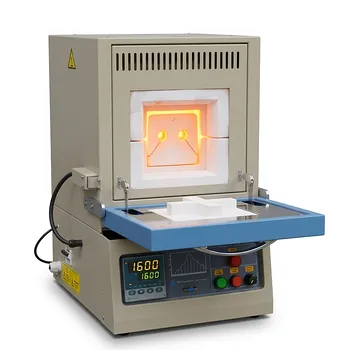
Why is strict environmental control necessary for LFP sintering furnaces? Protect Battery Integrity & Performance
Updated 3 months ago
Strict environmental control is the fundamental safeguard against chemical degradation during the high-temperature restoration of Lithium Iron Phosphate (LFP). High-temperature atmosphere sintering furnaces provide a precise inert or reducing environment—typically using nitrogen or argon—to eliminate oxygen interference. This prevents the irreversible oxidation of active substances and ensures a high-quality carbon coating, both of which are essential for the electrochemical performance and purity of the repaired battery material.
Core Takeaway: Strict atmosphere control prevents the oxidation of divalent iron (Fe2+) and enables the formation of a conductive carbon layer, ensuring the restored LFP maintains its original crystal structure and electrical properties.
Preventing the Oxidation of Divalent Iron (Fe2+)
The Vulnerability of Iron Ions at High Temperatures
Lithium Iron Phosphate is extremely sensitive to oxygen, particularly during high-temperature repair stages like the 740 °C sintering phase. In the presence of even trace amounts of oxygen, the essential divalent iron (Fe2+) ions are rapidly oxidized into trivalent iron (Fe3+).
Impact on Crystal Structure
Maintaining iron in its divalent state is critical for preserving the olivine crystal structure of the material. If oxidation occurs, the crystal lattice becomes distorted, leading to a significant loss in the material’s ability to store and release energy effectively.
Ensuring Electrical Conductivity
The transition from Fe2+ to Fe3+ creates impurities that disrupt the path of electrons within the battery material. By using an atmosphere furnace to provide a strictly inert or reductive environment, technicians ensure the final product possesses the high electrical conductivity required for high-performance applications.
Enabling High-Conductivity Carbon Coating
Controlled Pyrolysis of Carbon Sources
High-temperature repair often involves adding carbon sources, such as glucose, to the LFP particles to improve conductivity. The atmosphere furnace facilitates the pyrolysis of these organic compounds, transforming them into a uniform, conductive carbon coating.
Surface Protection and Electron Mobility
Without a controlled atmosphere, the carbon coating would burn off or form unevenly due to combustion with oxygen. A precise nitrogen or argon flow ensures the coating is uniform and continuous, which significantly enhances the surface electronic conductivity of the LFP particles.
Managing Gas Dynamics and Thermal Uniformity
Efficient Removal of Volatile Byproducts
During the sintering process, binders, lubricants, and reaction byproducts like Carbon Monoxide (CO) must be removed from the furnace chamber. Strict gas flow control ensures these volatiles are swept away efficiently, preventing them from contaminating the purity of the internal structure.
Facilitating Lithium Ion Diffusion
Precise environmental control also assists in maintaining a consistent temperature field within the furnace. This stability is necessary for lithium ions to fully diffuse into the iron phosphate lattice during long-duration solid-state reactions, ensuring particle uniformity and phase consistency.
Understanding the Trade-offs
Gas Purity vs. Operating Cost
To achieve a truly inert environment, nitrogen purity must typically be at least 99.99%. While lower purity levels are more cost-effective, they introduce the risk of "micro-oxidation," which can subtly degrade the battery's discharge capacity over time.
Flow Rate and Thermal Gradients
High gas flow rates are excellent for removing impurities but can create thermal gradients (uneven cooling) across the material. Finding the balance between "sufficient contact" for reducing gases and "thermal stability" is a primary challenge in furnace calibration.
Protective vs. Reducing Atmospheres
While argon and nitrogen are protective, some repairs require a hydrogen-reducing environment. Using hydrogen increases the effectiveness of oxide removal but introduces significant safety risks and requires specialized explosion-proof furnace designs.
How to Apply This to Your Repair Process
Making the Right Choice for Your Goal
- If your primary focus is Maximum Capacity Retention: Prioritize a high-purity nitrogen atmosphere (99.99%+) to prevent any Fe2+ oxidation and preserve the olivine structure.
- If your primary focus is High Rate Performance: Focus on the precise control of carbon source pyrolysis to ensure a uniform, conductive coating on every particle.
- If your primary focus is Material Purity: Ensure the furnace gas flow is optimized to remove all volatile binders and lubricants during the initial heating phase.
The success of LFP high-temperature repair depends entirely on your ability to isolate the material from oxygen while precisely managing the chemical environment of the furnace.
Summary Table:
| Key Control Factor | Function in LFP Repair | Impact on Material Quality |
|---|---|---|
| Inert Atmosphere (N2/Ar) | Prevents Fe2+ oxidation to Fe3+ | Preserves olivine structure & capacity |
| Controlled Pyrolysis | Converts organic sources to carbon | Enhances conductivity & rate performance |
| Gas Flow Dynamics | Removes CO and volatile binders | Ensures high chemical purity & uniformity |
| Thermal Stability | Facilitates lithium ion diffusion | Guarantees phase consistency & stability |
Optimize Your LFP Battery Restoration with THERMUNITS
Precise atmospheric control is the difference between a failed repair and a high-performance battery material. THERMUNITS is a leading manufacturer of high-temperature laboratory equipment specifically designed for advanced material science and industrial R&D.
We provide a comprehensive range of thermal processing solutions tailored for LFP restoration, including Atmosphere, Vacuum, Tube, and Rotary furnaces, as well as specialized CVD/PECVD systems and Vacuum Induction Melting (VIM) units. Our equipment delivers the extreme temperature uniformity and gas purity required to prevent oxidation and ensure perfect carbon coating for your energy materials.
Ready to elevate your heat treatment precision? Contact our technical team today to find the ideal furnace solution for your laboratory or production line!
References
- Xin Jiang, Mingdao Zhang. Regeneration of Black Powders of Waste Lithium Iron Phosphate Battery Produced by Large‐Scale Industrialization. DOI: 10.1002/ente.202400175
Mentioned Products
- 1650C High Temperature Atmosphere Controlled Box Furnace with 65L Chamber for Advanced Material Sintering and Industrial Heat Treatment
- Roller Table Atmosphere Furnace 1500C High Temperature Battery Material Sintering System 112L Capacity
- 1500°C Atmosphere Controlled Rapid Heating Furnace for Material Science and Battery Powder Sintering
- High Temperature Oxygen and Inert Atmosphere Controlled Furnace 8 Liter 1700C Sintering System for Advanced Materials RD
- Compact Hybrid Muffle and Tube Furnace for 1000C Controlled Atmosphere Laboratory Material Sintering
People Also Ask
- What role does atmosphere control play in technical ceramics and glass? Master Material Purity and Precision
- What role does a high-temperature atmosphere furnace play in the direct electrochemical reduction of CO2? - Key Insights
- What is the role of a high-temperature box furnace in the solid-state synthesis of Europium-doped M3MgSi2O8 phosphors?
- What is the role of a high-temperature box furnace in Na3MnZr(PO4)3 synthesis? Engineering High-Performance NASICON.
- What physical conditions does a high-temperature atmosphere furnace provide for MXene exfoliation? Process Guide

Tech Team · ThermUnits
Last updated on Jun 03, 2026
Related Products
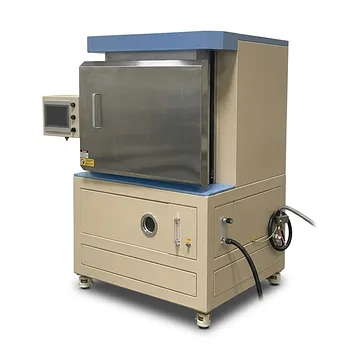
1650C High Temperature Atmosphere Controlled Box Furnace with 65L Chamber for Advanced Material Sintering and Industrial Heat Treatment
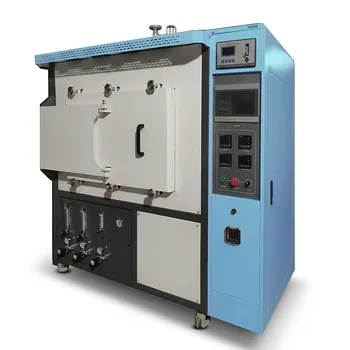
Roller Table Atmosphere Furnace 1500C High Temperature Battery Material Sintering System 112L Capacity
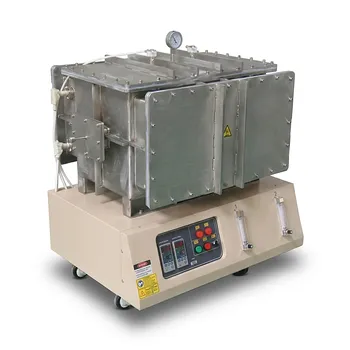
1500°C Atmosphere Controlled Rapid Heating Furnace for Material Science and Battery Powder Sintering
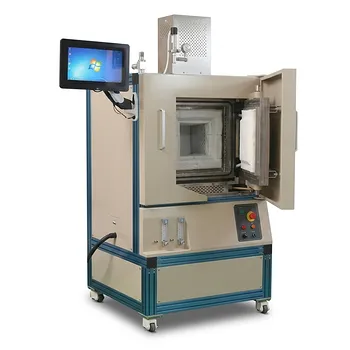
High Temperature Oxygen and Inert Atmosphere Controlled Furnace 8 Liter 1700C Sintering System for Advanced Materials RD
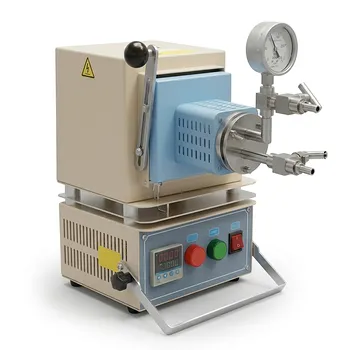
Compact Hybrid Muffle and Tube Furnace for 1000C Controlled Atmosphere Laboratory Material Sintering
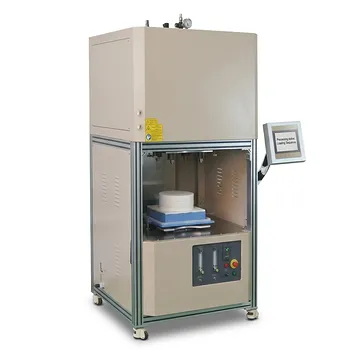
High Temperature Vertical Atmosphere Controlled Furnace with Automatic Bottom Loading and 1700°C Capacity for Advanced Material Research
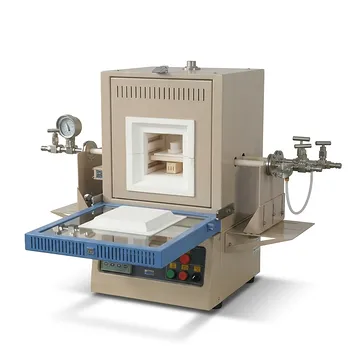
1700C Compact Hybrid Furnace with Dual Layer Box Sintering and Controlled Atmosphere Alumina Tubes
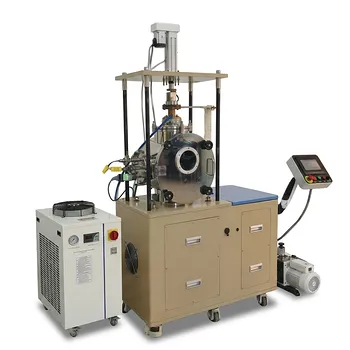
Compact Spark Plasma Sintering SPS Furnace 1200 C Max 100 MPa Pressure High Speed Sintering System for Material Research
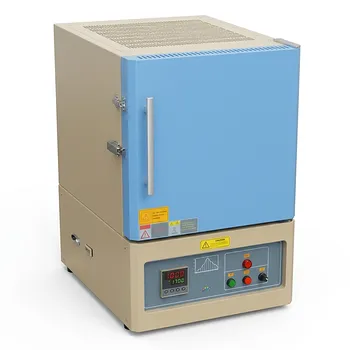
Large Bench Top 1700C High Temperature Muffle Furnace with 19L Chamber for Advanced Material Sintering and Annealing
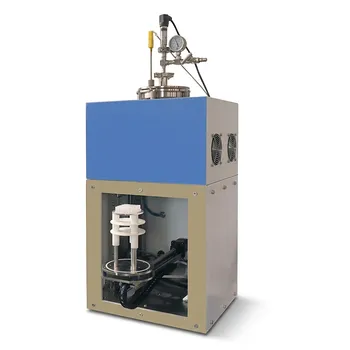
Rapid Thermal Processing RTP Atmosphere Controlled Bottom Loading Furnace 1100C High Throughput 50C per Second Heating Rate
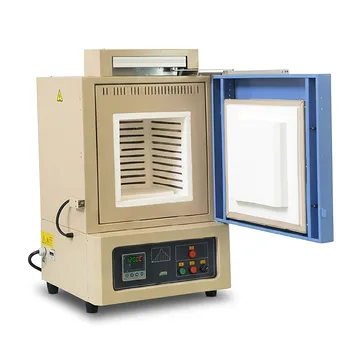
1200C High Temperature Muffle Furnace with Motorized Door and Automated PC Control for Industrial Sintering and Material Processing 27 Liter

High Temperature 1700C Vertical Tube Furnace for Powder Spherification and Material Sintering
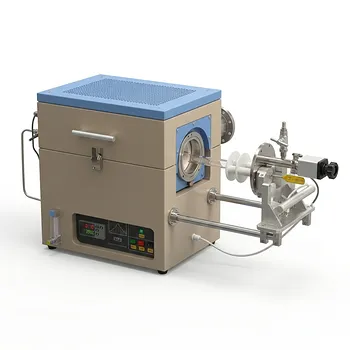
Compact Atmosphere Controlled Rapid Thermal Processing RTP Furnace with 4 Inch ID Quartz Tube 1100C
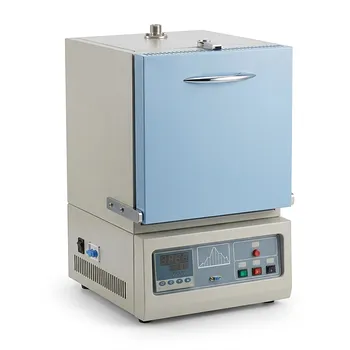
1750C Compact Muffle Furnace 1.7L Ultra High Temperature Laboratory Sintering System for Advanced Ceramics and Material Science Research
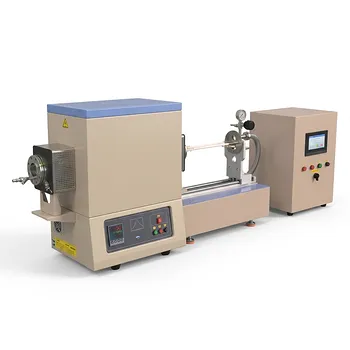
High Temperature Horizontal Electrical Assisted Sintering Furnace with 3KW Programmable Power Source for Advanced Ceramic Materials
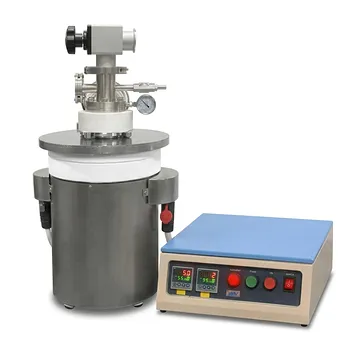
1100C High Temperature Vacuum Crucible Furnace with Quartz Chamber for Thermal Processing and Sintering
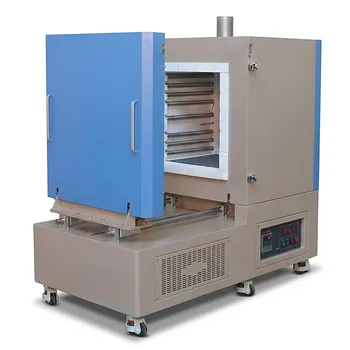
1200C Five Side Heating Muffle Furnace with Sliding Door 125L Volume High Temperature Heat Treatment System for Large Scale Sintering and Annealing
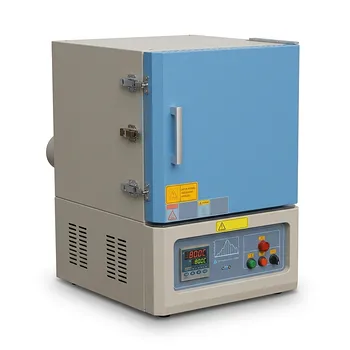
1800C Bench Top Muffle Furnace 18 Liters with Kanthal Super 1900 Heating Elements for High Purity Ceramic Sintering and Material Research
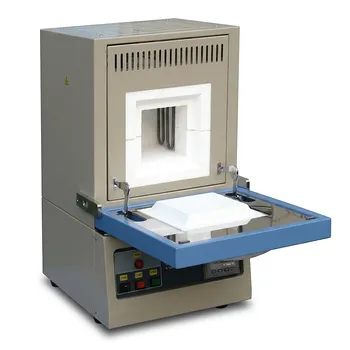
High Temperature 1800C Compact Muffle Furnace with Kanthal Super 1900 Heating Elements and 1.7L Alumina Chamber