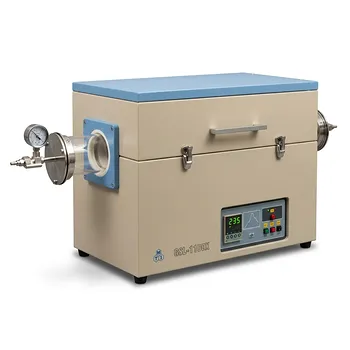
Why is high-purity argon gas essential for zirconium melting? Ensure Maximum Purity and Prevent Material Embrittlement
Updated 3 months ago
High-purity argon gas is the critical safeguard for zirconium-based alloys. During high-temperature melting and heat treatment, this inert gas acts as a primary shield to displace oxygen and nitrogen from the furnace environment. Because zirconium is extremely chemically active at elevated temperatures, this isolation is the only way to prevent catastrophic oxidation and material embrittlement.
Core Takeaway: High-purity argon creates a chemically inert atmosphere that prevents zirconium-based alloys from reacting with atmospheric gases. This protection is essential to maintain the material's mechanical integrity and chemical purity, particularly for sensitive applications like biomedical implants.
The Chemical Vulnerability of Zirconium
High Reactivity at Elevated Temperatures
Zirconium-based alloys exhibit extreme chemical activity once they reach processing temperatures. In an open or poorly shielded environment, the metal atoms readily bond with any available gas molecules.
The Threat of Oxygen and Nitrogen
When exposed to air at high temperatures, zirconium quickly reacts with oxygen and nitrogen. These reactions lead to the formation of surface oxides and the diffusion of interstitial gases into the metal lattice.
Prevention of Material Embrittlement
The introduction of oxygen and nitrogen into the alloy structure causes embrittlement, making the metal fragile and prone to cracking. High-purity argon prevents this degradation, ensuring the alloy remains ductile and strong.
Mechanisms of Argon Protection
Inert Displacement of Atmospheric Gases
As a noble gas, argon does not react with zirconium even at melting temperatures. By displacing oxygen and nitrogen within the furnace, it creates a "dead" zone where the alloy can be processed without chemical interference.
Maintaining Chemical Stoichiometry
In complex alloys, high-temperature processing can lead to the oxidative loss of specific elements. An argon atmosphere ensures that the final material's chemical composition matches its intended design, preserving its unique properties.
Preservation of Surface Integrity
For biomedical applications, such as bone plates, surface purity is non-negotiable. Argon shielding prevents the formation of brittle layers (often referred to as an "alpha-case" in similar reactive metals) that would otherwise compromise the device's fatigue life.
Understanding the Trade-offs and Pitfalls
The Necessity of "High-Purity" Grades
Using standard-grade argon is often insufficient for zirconium. Even trace amounts of moisture or oxygen in the gas supply can lead to subtle contamination that ruins the mechanical properties of a sensitive batch.
Flow Rate and Pressure Management
Simply filling a chamber with argon is rarely enough; a stable flow rate must be maintained. Improper flow can lead to "dead spots" where atmospheric gases pool, or insufficient pressure that allows external air to leak back into the furnace.
Cost vs. Material Value
High-purity argon (typically 99.999%) is significantly more expensive than industrial-grade nitrogen or lower-purity argon. However, the cost of material failure in zirconium alloys far outweighs the investment in high-quality shielding gas.
How to Optimize Your Argon Environment
The effectiveness of your shielding depends on your specific production goals and the sensitivity of your alloy composition.
- If your primary focus is Biomedical Certification: You must use ultra-high-purity argon (99.999%) and continuous monitoring to ensure zero oxygen contamination for patient safety.
- If your primary focus is Maximizing Mechanical Strength: Prioritize a consistent flow rate and positive furnace pressure to prevent the formation of brittle surface layers during the cooling phase.
- If your primary focus is Preserving Complex Alloy Ratios: Ensure the argon atmosphere is established well before the heating cycle begins to prevent the early oxidation of highly active alloying elements.
By mastering the application of high-purity argon, you transform a volatile chemical process into a controlled, repeatable manufacturing standard.
Summary Table:
| Key Aspect | Role of High-Purity Argon | Material Benefit |
|---|---|---|
| Atmosphere Control | Displaces Oxygen and Nitrogen | Prevents catastrophic oxidation |
| Material Integrity | Eliminates interstitial gas absorption | Avoids embrittlement and cracking |
| Composition | Maintains chemical stoichiometry | Preserves intended alloy properties |
| Surface Quality | Prevents "alpha-case" formation | Critical for biomedical fatigue life |
Elevate Your Material Research with THERMUNITS
As a leading manufacturer of high-temperature laboratory equipment for material science and industrial R&D, THERMUNITS provides the precision tools necessary for sensitive heat treatments. Our comprehensive range of thermal processing solutions—including Atmosphere Furnaces, Vacuum Induction Melting (VIM) Furnaces, and CVD/PECVD systems—are engineered to maintain the ultra-pure environments required for reactive metals like zirconium.
Don't let contamination compromise your R&D results. Our expert-designed equipment ensures uniform heating and reliable shielding to maximize your material's mechanical integrity.
Contact our technical team today to find the perfect thermal solution for your lab!
References
- Muhammad Awwaluddin, Sri Hastuty. Annealing Effect on Improving the Mechanical Properties of Zirconium Based Biomaterials with the Addition of Yttrium Elements for Bone Plate Application. DOI: 10.32493/pjte.v8i1.43200
Mentioned Products
- Vertical Hybrid High Temperature Furnace 1500C Alumina Tube SOFC Fuel Cell Testing Laboratory Heat Treatment Research Equipment
- High Temperature 1700C Three Zone Tube Furnace with Alumina Tube 50mm 60mm 80mm OD for Material Research and Industrial Heat Treatment
- High Temperature Vertical Hybrid Furnace with Alumina Tube and SiC Heating for SOFC Coin Cell Testing and Atmosphere Processing
- 1200C Five Side Heating Muffle Furnace with Sliding Door 125L Volume High Temperature Heat Treatment System for Large Scale Sintering and Annealing
- 1650C High Temperature Atmosphere Controlled Box Furnace with 65L Chamber for Advanced Material Sintering and Industrial Heat Treatment
People Also Ask
- What role does a laboratory furnace play in polyester-based porous carbon activation? Optimize Pore Engineering & R&D
- How does a high-temperature solution furnace affect the evolution of strengthening phases in Fe-Co-Mo alloys? Expert Guide
- Which materials are used for thermal elements in furnaces exceeding 1,500°C? Expert Guide to Extreme Heat Solutions
- How does final coking temperature influence carbon structure? Optimize Thermal Precision for High-Performance Materials
- Why is a high-purity nitrogen atmosphere required during carbonization of OMC? Protect Your Material Integrity

Tech Team · ThermUnits
Last updated on Jun 02, 2026
Related Products
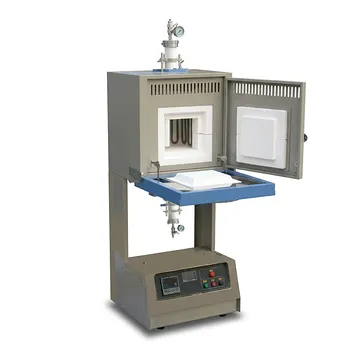
Vertical Hybrid High Temperature Furnace 1500C Alumina Tube SOFC Fuel Cell Testing Laboratory Heat Treatment Research Equipment
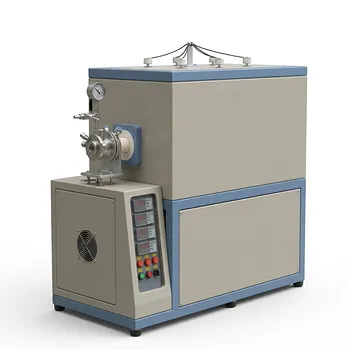
High Temperature 1700C Three Zone Tube Furnace with Alumina Tube 50mm 60mm 80mm OD for Material Research and Industrial Heat Treatment
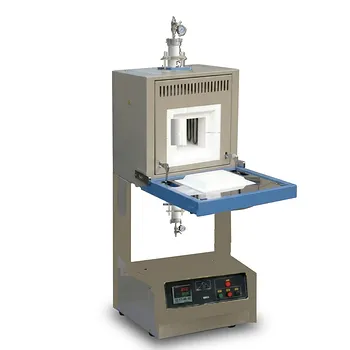
High Temperature Vertical Hybrid Furnace with Alumina Tube and SiC Heating for SOFC Coin Cell Testing and Atmosphere Processing
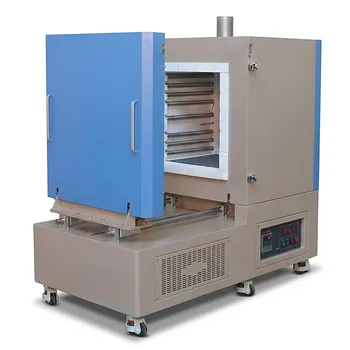
1200C Five Side Heating Muffle Furnace with Sliding Door 125L Volume High Temperature Heat Treatment System for Large Scale Sintering and Annealing
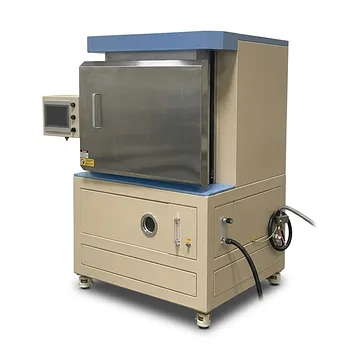
1650C High Temperature Atmosphere Controlled Box Furnace with 65L Chamber for Advanced Material Sintering and Industrial Heat Treatment
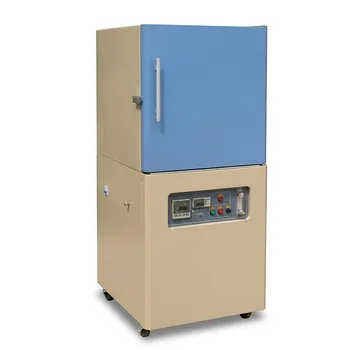
High Temperature Muffle Furnace with Dual Controllers and 36L Large Chamber 1700C Max
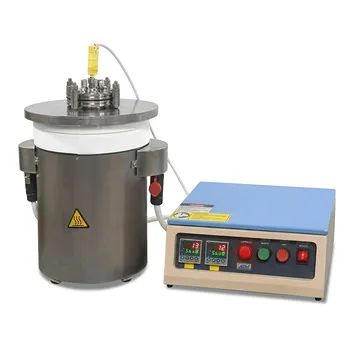
600°C Vertical Crucible Furnace with SS316 Alloy Reactor and 6 Port Vacuum Flange
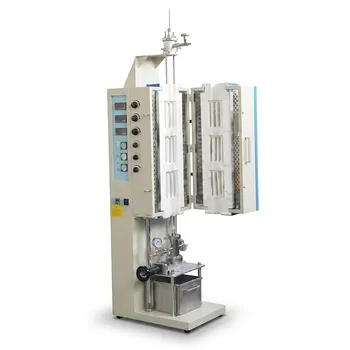
High Temperature Dual Zone Tube Furnace for Material Science Research and Professional Thermal Processing
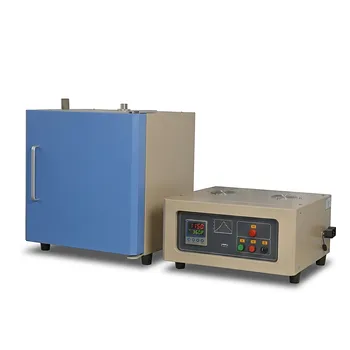
High Temperature Muffle Furnace with Alloy Chamber for Debinding and Sintering Applications
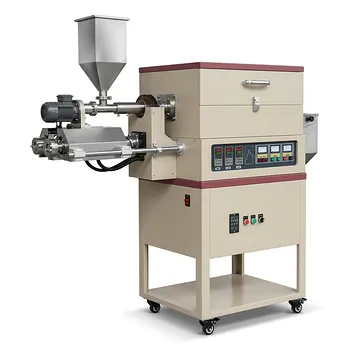
Laboratory Tilting Rotary Tubular Furnaces for Material Science and Industrial Heat Treatment
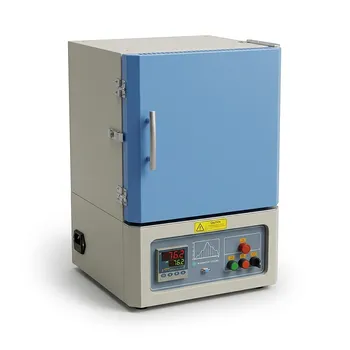
1750C Bench Top Muffle Furnace 3.6L High Grade Molybdenum Disilicide Heating Elements Laboratory Heat Treatment Equipment
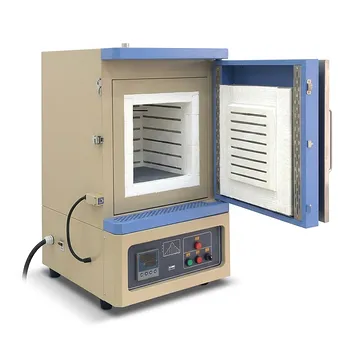
Five Side Heating Muffle Furnace High Purity Alumina Fiber 27L Chamber 1200C High Temperature Thermal Processing System for Sintering Annealing and Materials Research
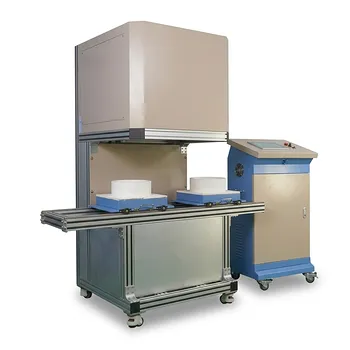
High Temperature Bottom Loading Vertical Furnace 1700C Dual Stage Sample Processing System 18L Large Capacity Thermal Treatment Equipment
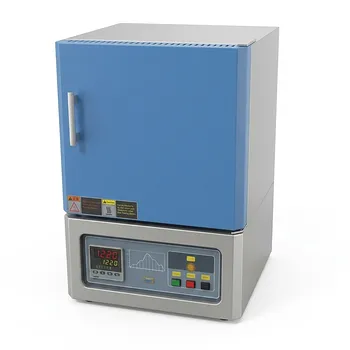
High Temperature Benchtop Muffle Furnace 1700C 10L Chamber Alumina Fiber Insulation MoSi2 Heating Elements

High Temperature 1700C Benchtop Tube Furnace with 5 Inch Heating Zone High Purity Alumina Tube and Vacuum Sealing Flanges
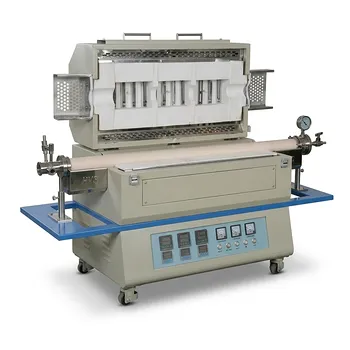
Three Temperature Zone Fast Heating Furnace 1500C Laboratory High Precision Thermal Processing System
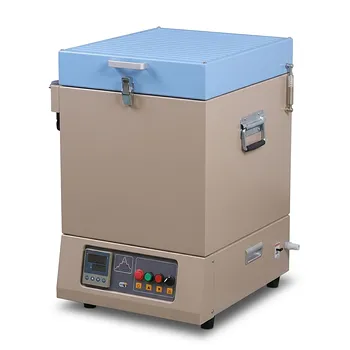
High Temperature Vertical Crucible Furnace with 22L Heating Chamber and 1200C Maximum Temperature

Compact High Temperature 1600C Tube Furnace with 50mm Alumina Tube and Vacuum Flanges for Material Sintering
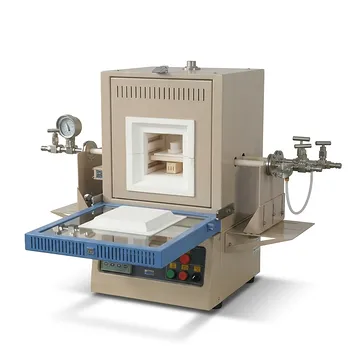
1700C Compact Hybrid Furnace with Dual Layer Box Sintering and Controlled Atmosphere Alumina Tubes