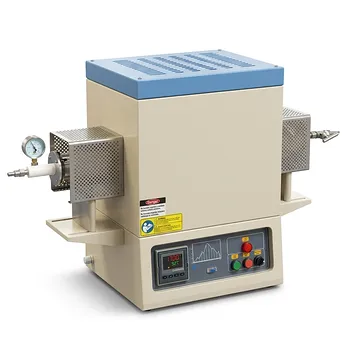
Why must Indium Tin Oxide (ITO) coated substrates undergo annealing treatment within a tube furnace? Enhance Conductivity
Updated 3 months ago
Annealing ITO-coated substrates in a tube furnace is a critical post-deposition step required to optimize both electrical conductivity and optical transparency. By applying controlled thermal energy (typically up to 470°C), the process transforms the film from an amorphous or low-crystallinity state into a highly ordered crystalline structure. This transition repairs lattice defects and reduces internal stresses, which is essential for manufacturing high-performance transparent electronics like display panels and sensors.
The primary purpose of tube furnace annealing is to facilitate recrystallization and defect repair, which significantly lowers electrical resistivity and increases light transmittance. This controlled environment ensures the ITO film achieves maximum carrier mobility while maintaining the nanometer-level flatness required for functional device layers.
Enhancing Electrical and Optical Performance
Recrystallization and Lattice Structure
During the annealing process, the ITO film undergoes a phase transformation from a disordered amorphous state to a face-centered cubic structure. This reorganization of atoms into a defined crystal lattice is essential for the material to function as a high-quality conductor.
Maximizing Carrier Mobility
By providing the necessary thermal energy for atomic rearrangement, annealing effectively repairs lattice defects. This optimization of the crystal structure significantly reduces grain boundary scattering, which allows charge carriers to move more freely, thereby increasing mobility and decreasing resistivity.
Improving Visible Light Transmittance
The reorganization of grains and the elimination of internal defects also enhance the film's optical properties. High-quality crystallization ensures that the ITO film remains highly transparent to visible light, a non-negotiable requirement for transparent cathode panels and touchscreens.
Structural Integrity and Surface Morphology
Stress Relief and Adhesion
The deposition process often leaves the ITO film with significant internal residual stresses. Thermal treatment within the furnace promotes stress relief, which prevents the film from cracking or delaminating and improves the overall adhesion between the thin film and the glass substrate.
Maintaining Nanometer-Level Flatness
Using a tube furnace allows for the introduction of a high-flow nitrogen or inert gas atmosphere. This stable environment inhibits the formation of disordered oxide particles on the surface, ensuring the film maintains low RMS roughness.
Facilitating Subsequent Functional Layers
A smooth, flat surface is vital for the uniform growth of additional layers in complex electronic stacks. By preventing uncontrolled oxidation, the annealing process ensures that the ITO surface remains optimized for the integration of organic layers or other functional materials.
Understanding the Trade-offs
Temperature Sensitivity of Substrates
While higher temperatures generally improve crystallinity, ITO on glass is typically limited to around 470°C. Exceeding these thermal limits can lead to substrate warping or the degradation of the ITO’s electrical properties if the material begins to lose oxygen stoichiometry excessively.
Atmospheric Influence
The choice of atmosphere is a delicate balance; while an inert environment like nitrogen prevents over-oxidation, some applications (such as gas sensors) may require specific oxygen levels to maintain sensitivity. Incorrect gas flow during annealing can lead to "cloudy" films or increased resistance due to disordered particle growth.
Processing Time vs. Quality
Rapid thermal processing might save time but can fail to provide sufficient energy for complete grain reorganization. Conversely, excessively long annealing times at high heat can promote ion migration from the substrate into the ITO film, which acts as an impurity and degrades performance.
How to Apply This to Your Project
When preparing ITO substrates, your specific annealing parameters should be dictated by your end-application requirements:
- If your primary focus is high-speed electronics: Prioritize a nitrogen-rich environment in the tube furnace to maximize carrier mobility and minimize resistivity through grain boundary optimization.
- If your primary focus is optical display clarity: Ensure precise temperature control at the 450°C–470°C range to achieve the best balance between crystal reorganization and visible light transmittance.
- If your primary focus is sensor sensitivity: Consider a more controlled atmospheric mix (potentially including oxygen) to ensure the film maintains high porosity or specific surface chemistry.
By mastering the thermal field and atmosphere of the tube furnace, you transform a raw coating into a high-performance electronic component.
Summary Table:
| Key Benefit | Process Mechanism | Result for ITO Films |
|---|---|---|
| Electrical Conductivity | Recrystallization & Lattice Repair | Lower resistivity and higher carrier mobility |
| Optical Clarity | Elimination of internal defects | Increased visible light transmittance |
| Structural Integrity | Thermal stress relief | Improved adhesion; prevents cracking/delamination |
| Surface Morphology | Controlled inert atmosphere | Nanometer-level flatness (Low RMS roughness) |
Optimize Your Material Performance with THERMUNITS
Elevate your research and production with high-precision thermal solutions from THERMUNITS. As a leading manufacturer of high-temperature laboratory equipment for material science and industrial R&D, we provide the controlled environments necessary for perfect ITO annealing and thin-film development.
Whether you require specialized Tube Furnaces, Vacuum or Atmosphere Furnaces, CVD/PECVD systems, or Hot Press solutions, our equipment delivers the temperature uniformity and atmospheric stability your project demands.
Ready to enhance your lab's efficiency? Contact our technical experts today to find the ideal heat treatment solution for your specific application!
References
- Chengyun Wang, Jun Chen. Fabrication of ZnO Nanowire Cold Cathode Flat-Panel X-ray Source with a Reflective Anode. DOI: 10.3390/nano14181504
Mentioned Products
- Double Temperature Zone Double Cover Tube Furnace for High Temperature CVD and Vacuum Annealing
- 1200C High Throughput Multi Channel Tube Furnace with 50mm Quartz Tubes for Annealing and Material Phase Diagram Research
- High Temperature 1700C 4 Channel Tube Furnace 1 Inch Alumina Tube for Hi-Throughput Annealing
- High Throughput 1200C Four Channel Tube Furnace with 3 Inch Quartz Tubes for Multi Zone Annealing and Material Research
- Compact Atmosphere Controlled Rapid Thermal Processing RTP Furnace with 4 Inch ID Quartz Tube 1100C
People Also Ask
- How is a dual-temperature zone tube furnace configured for MXene-based metal phosphides? Expert Synthesis Guide
- What is the function of a dual-zone tube furnace in CVD for 2D perovskites? Optimize Precision & Film Uniformity
- What are the technical advantages of a dual-zone tube furnace for phosphidation? Optimize Cobalt Nanowall Synthesis.
- Why is a Tube Furnace typically utilized for CVD? Achieve Precision in Graphene and 2D Material Synthesis
- What are the advantages of using a dual-zone tube furnace for MoS2 CVD? Optimize Precursor Control and Material Quality

Tech Team · ThermUnits
Last updated on Jun 03, 2026
Related Products
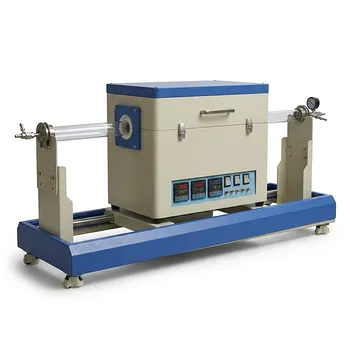
Double Temperature Zone Double Cover Tube Furnace for High Temperature CVD and Vacuum Annealing
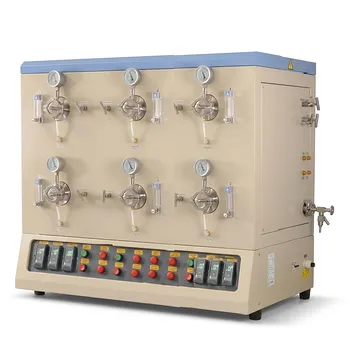
1200C High Throughput Multi Channel Tube Furnace with 50mm Quartz Tubes for Annealing and Material Phase Diagram Research
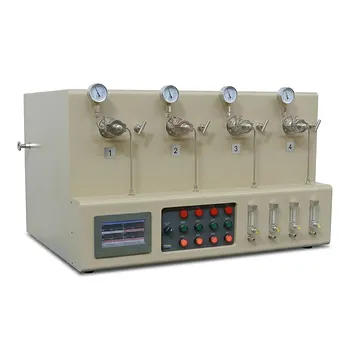
High Temperature 1700C 4 Channel Tube Furnace 1 Inch Alumina Tube for Hi-Throughput Annealing
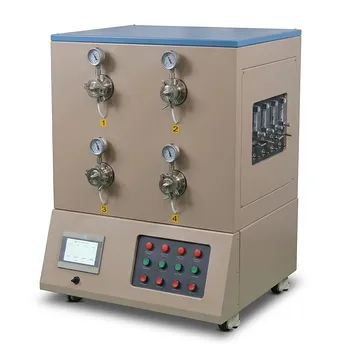
High Throughput 1200C Four Channel Tube Furnace with 3 Inch Quartz Tubes for Multi Zone Annealing and Material Research
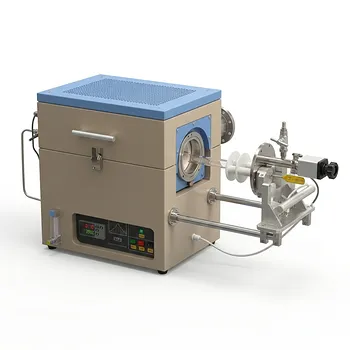
Compact Atmosphere Controlled Rapid Thermal Processing RTP Furnace with 4 Inch ID Quartz Tube 1100C
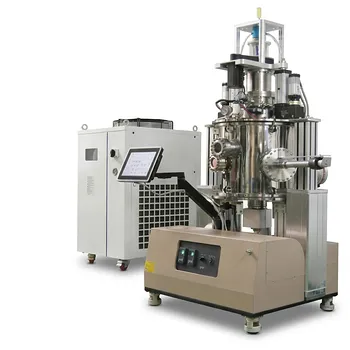
950C Rapid Thermal Processing Furnace for 12 Inch Wafer CSS Coating with Rotating Substrate Holder
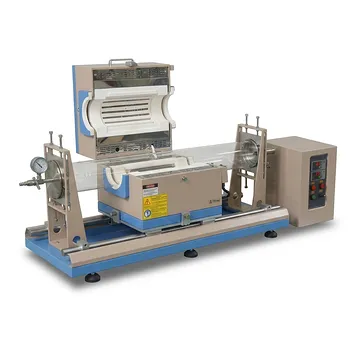
1200C High Temperature 5 Inch Sliding Tube Furnace for Rapid Thermal Processing RTP and Wafer Annealing
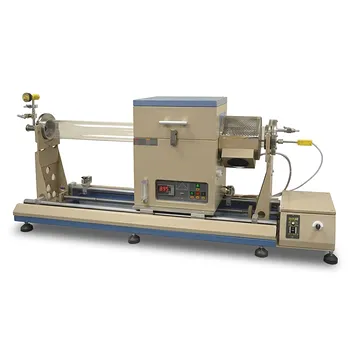
900 ºC Max Sliding RTP Tube Furnace with Rapid IR Heating and 4 Inch OD Quartz Tube
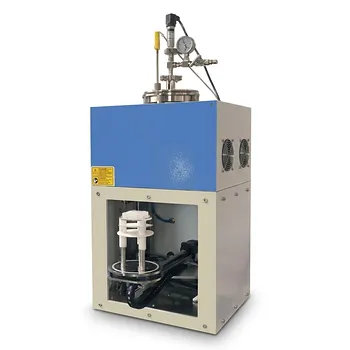
Rapid Thermal Processing Atmosphere Controlled Bottom Loading Furnace 1100C with 50C Per Second Heating Rate for Wafer Annealing
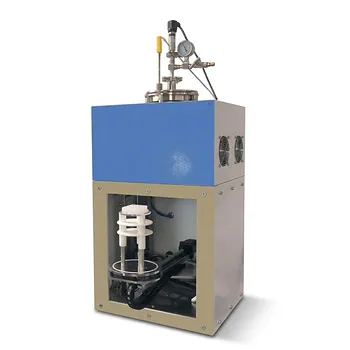
Rapid Thermal Processing Furnace 1100C Atmosphere Controlled Bottom Loading RTP System for Wafer Annealing and Catalysis Research
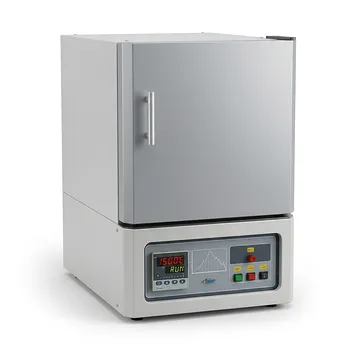
High Temperature 1500C Benchtop Muffle Furnace 3.6L Alumina Fiber Chamber Programmable Controller Sintering Annealing Carbonization Thermal Processing System
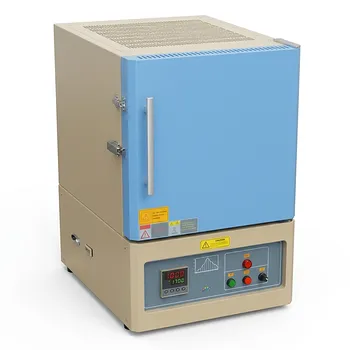
Large Bench Top 1700C High Temperature Muffle Furnace with 19L Chamber for Advanced Material Sintering and Annealing

Vertical 1700C Vacuum and Atmosphere Tube Furnace with 80mm Alumina Tube

Compact High Temperature 1600C Tube Furnace with 50mm Alumina Tube and Vacuum Flanges for Material Sintering
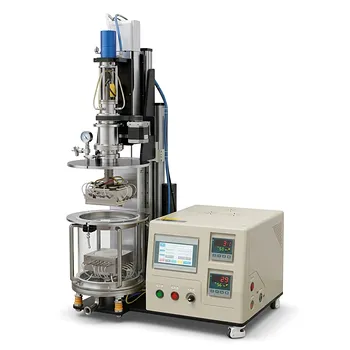
High Temperature 800C Rapid Thermal Processing Furnace with Rotating Sample Holder for Close Spaced Sublimation and Thin Film Solar Cell Research
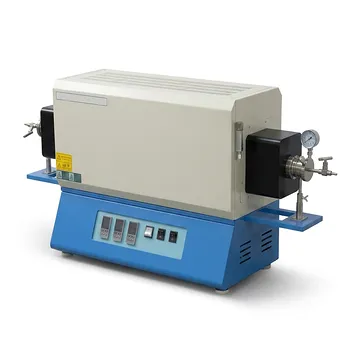
High Temperature Three Temperature Zone Tube Furnace for Advanced Material Science Sintering and Chemical Vapor Deposition Applications

High Temperature 1700C Vertical Tube Furnace for Powder Spherification and Material Sintering

Three Zone Tube Furnace with 11 Inch or 15 Inch Quartz Tube and Hinged Flanges for Vacuum Atmosphere Heat Treatment

High Temperature 1700C Benchtop Tube Furnace with 5 Inch Heating Zone High Purity Alumina Tube and Vacuum Sealing Flanges