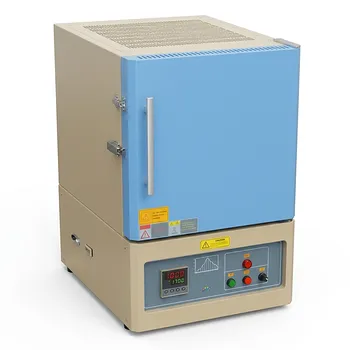
Why must carbonization for battery anodes use an Atmosphere Furnace with nitrogen? Ensure High Yield & Conductivity
Updated 6 months ago
Carbonization requires an atmosphere furnace with nitrogen protection primarily to prevent the oxidative combustion of carbon and sensitive active materials at high temperatures. By replacing oxygen with an inert nitrogen gas, the furnace allows polymer precursors to transform into conductive carbon structures without being "burned off" or losing their intended electrochemical properties. This controlled environment is essential for ensuring high yield and maintaining the delicate morphology of the anode material.
Core Takeaway: Nitrogen protection creates a strictly anaerobic environment that prevents the carbon layer and metal substrates from reacting with oxygen. This allows for the precise conversion of organic precursors into conductive, stable, and chemically-doped carbon structures necessary for battery performance.
Preventing Oxidative Destruction
Avoiding Carbon Burn-off
At temperatures reaching 700°C to 800°C, carbon naturally reacts with oxygen to form CO and CO2, effectively "burning away" the material. Nitrogen acts as an inert shield, isolating the precursors so they can undergo thermal decomposition (pyrolysis) rather than combustion.
Protecting Substrates and Active Materials
The nitrogen atmosphere protects underlying components, such as nickel substrates or NiO active materials, from deep oxidation or destruction. This ensures that the active elements of the battery remain chemically intact while the protective carbon layer forms around them.
Preventing Oxidative Ablation
Even trace amounts of oxygen can cause oxidative ablation, which erodes the surface of fibers or particles. Using an atmosphere furnace allows for a pre-carbonization nitrogen purge to exhaust residual air, preventing damage to the material's surface morphology.
Preserving Structural and Chemical Integrity
Maintaining Morphological Features
Battery anodes often rely on complex shapes like one-dimensional hollow tubes or two-dimensional nanosheets to facilitate ion transport. An inert atmosphere prevents "thermal erosion," ensuring these delicate structures do not collapse or vanish during the high-heat phase.
Retaining Functional Heteroatoms
To improve electrochemical activity, carbon materials are often "doped" with elements like nitrogen, phosphorus, or fluorine. A nitrogen-protected environment maximizes the retention of these atoms, which would otherwise be lost if the precursor were allowed to oxidize.
Managing Volatiles and Byproducts
The constant flow of nitrogen in an atmosphere furnace helps remove volatile components and byproduct gases (like CO and CO2) released during pyrolysis. This prevents excessive carbon deposition on the surface and ensures that the internal microporous structure remains open and functional.
Understanding the Trade-offs
The Risk of Residual Oxygen
The primary pitfall in this process is incomplete purging. If air remains in the furnace chamber before heating, the resulting oxidative damage is often irreversible, leading to poor carbon conversion efficiency and structural defects.
Complexity of Gas Flow Control
While nitrogen protection is necessary, the flow rate must be carefully balanced. High flow rates can remove too many volatile intermediates needed for structure building, while low flow rates may fail to adequately remove byproducts that interfere with stable chemical reactions.
In-Situ Reaction Requirements
In some advanced materials, the nitrogen atmosphere is not just a shield but a reactant carrier. For example, it provides the stable environment needed for gases released from materials like PTFE to react with metal components to form high-entropy fluoride nanoparticles.
How to Apply This to Your Project
Ensuring Optimal Carbonization Results
To achieve the best results for your battery anode materials, tailor your atmosphere furnace settings based on your specific structural goals.
- If your primary focus is High Conductivity: Ensure a strict nitrogen environment at 700°C+ to facilitate the complete conversion of polymers into a continuous, non-oxidized carbon layer.
- If your primary focus is Preserving Nano-structures: Utilize a high-purity nitrogen purge before heating to prevent even trace oxidative ablation of delicate tubes or sheets.
- If your primary focus is Chemical Doping (N, P, or F): Maintain a consistent nitrogen flow to stabilize the chemical potential and maximize the retention of heteroatoms within the carbon skeleton.
Success in anode synthesis depends on the precise exclusion of oxygen to transform precursors into high-performance electrochemical frameworks.
Summary Table:
| Feature/Process | Role of Nitrogen Protection | Benefit for Anode Materials |
|---|---|---|
| Oxidation Control | Displaces oxygen to prevent pyrolysis from becoming combustion. | Prevents carbon "burn-off" and material loss at 700°C+. |
| Structural Integrity | Prevents oxidative ablation and thermal erosion of surfaces. | Preserves delicate nanosheets, tubes, and micropores. |
| Chemical Purity | Stabilizes environment for heteroatom (N, P, F) retention. | Enhances electrochemical activity and doping efficiency. |
| Volatile Management | Constant flow flushes out CO, CO2, and byproduct gases. | Ensures a clean carbon layer and open ion-transport paths. |
Elevate Your Battery Material Research with THERMUNITS
Precision atmosphere control is the difference between a failed batch and a high-performance anode. THERMUNITS is a leading manufacturer of high-temperature laboratory equipment specifically designed for material science and industrial R&D.
We offer a comprehensive range of thermal processing solutions tailored for battery research, including:
- Atmosphere & Vacuum Furnaces for precise nitrogen-protected carbonization.
- Tube & Rotary Furnaces for continuous material processing.
- CVD/PECVD Systems for advanced surface engineering.
- Muffle, Dental, and Hot Press Furnaces for diverse heat treatment needs.
Whether you are working on high-entropy nanoparticles or large-scale anode synthesis, our equipment provides the stability and control required for breakthrough results.
Ready to optimize your lab’s thermal performance?
Contact our technical experts today to find the perfect furnace solution for your project.
References
- Nurbolat Issatayev, Arailym Nurpeissova. Three-dimensional carbon coated and high mass-loaded NiO@Ni foam anode with high specific capacity for lithium ion batteries. DOI: 10.1039/d4ra07119k
Mentioned Products
- 1650C High Temperature Atmosphere Controlled Box Furnace with 65L Chamber for Advanced Material Sintering and Industrial Heat Treatment
- Compact Hybrid Muffle and Tube Furnace for 1000C Controlled Atmosphere Laboratory Material Sintering
- High Temperature Oxygen and Inert Atmosphere Controlled Furnace 8 Liter 1700C Sintering System for Advanced Materials RD
- Roller Table Atmosphere Furnace 1500C High Temperature Battery Material Sintering System 112L Capacity
- 1200°C Atmosphere Controlled Automatic Bottom Loading Furnace with 6 Inch Quartz Tube
People Also Ask
- What role does atmosphere control play in technical ceramics and glass? Master Material Purity and Precision
- What role does a high-temperature atmosphere furnace play in the direct electrochemical reduction of CO2? - Key Insights
- What is the role of a high-temperature box furnace in the solid-state synthesis of Europium-doped M3MgSi2O8 phosphors?
- What is the role of a high-temperature box furnace in Na3MnZr(PO4)3 synthesis? Engineering High-Performance NASICON.
- What is the role of a high-temperature atmosphere furnace in the calcination of Ru-Co3O4 nanocubes? Expert Insights

Tech Team · ThermUnits
Last updated on Apr 14, 2026
Related Products
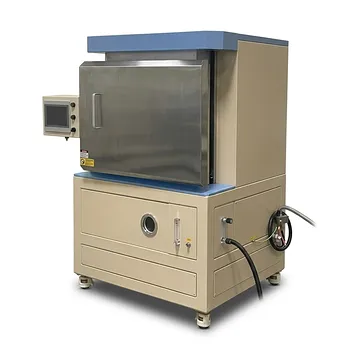
1650C High Temperature Atmosphere Controlled Box Furnace with 65L Chamber for Advanced Material Sintering and Industrial Heat Treatment
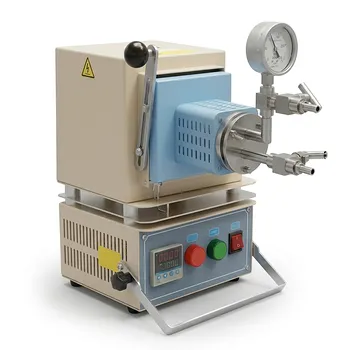
Compact Hybrid Muffle and Tube Furnace for 1000C Controlled Atmosphere Laboratory Material Sintering
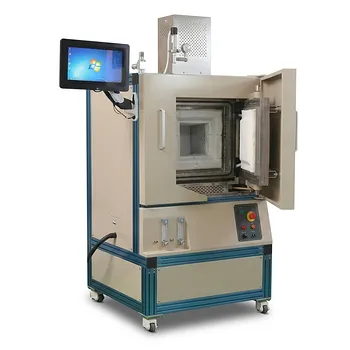
High Temperature Oxygen and Inert Atmosphere Controlled Furnace 8 Liter 1700C Sintering System for Advanced Materials RD
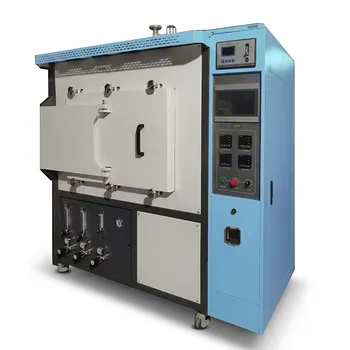
Roller Table Atmosphere Furnace 1500C High Temperature Battery Material Sintering System 112L Capacity
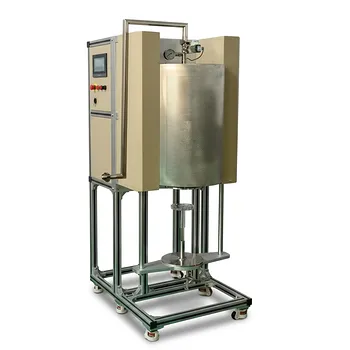
1200°C Atmosphere Controlled Automatic Bottom Loading Furnace with 6 Inch Quartz Tube
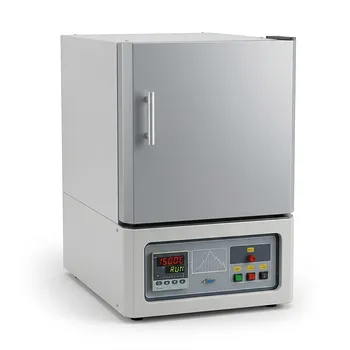
High Temperature 1500C Benchtop Muffle Furnace 3.6L Alumina Fiber Chamber Programmable Controller Sintering Annealing Carbonization Thermal Processing System
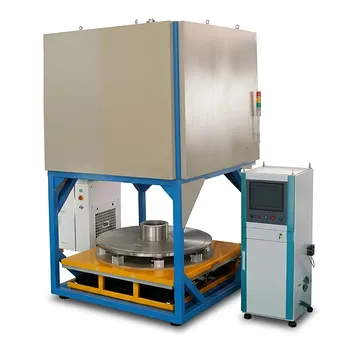
1400C Bottom Loaded Inert Gas Atmosphere Box Furnace with 125L Capacity and Precision Hydraulic Lift
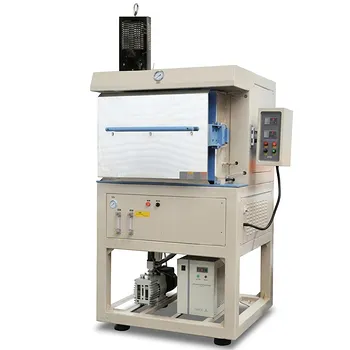
1200C Hydrogen Atmosphere Box Furnace with 5 Heated Sides and 64L Chamber
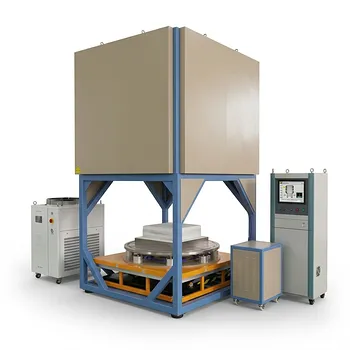
Bottom Loaded Inert Gas Atmosphere Box Furnace 1700C 1300C 216L Large Capacity Industrial Thermal Processing System
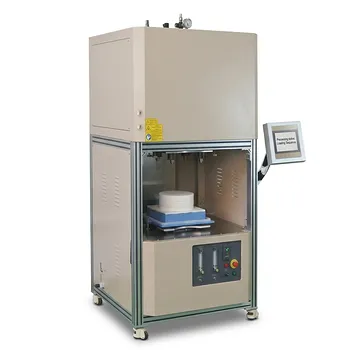
High Temperature Vertical Atmosphere Controlled Furnace with Automatic Bottom Loading and 1700°C Capacity for Advanced Material Research
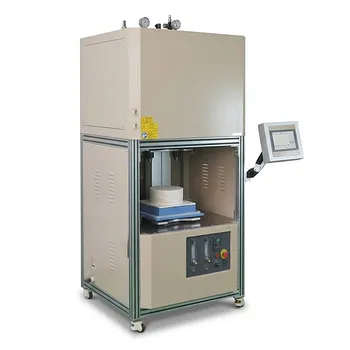
High Temperature Vertical Atmosphere Controlled Furnace 1700C Automatic Bottom Loading 13 Liter Vacuum Thermal System
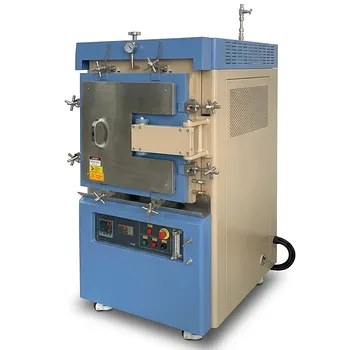
Atmosphere Controlled Muffle Furnace 1700C Maximum Temperature 80L High Capacity Vacuum Inert Gas Box Furnace
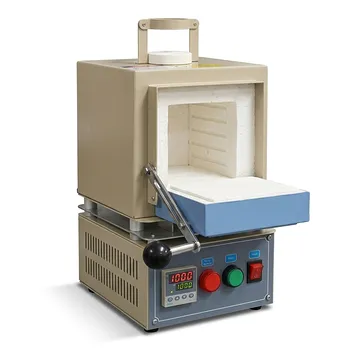
Compact 1000C Muffle Furnace with Programmable Controller and 2 Inch Top Port for Vacuum and Atmosphere Material Research
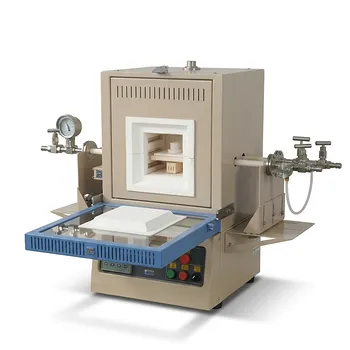
1700C Compact Hybrid Furnace with Dual Layer Box Sintering and Controlled Atmosphere Alumina Tubes
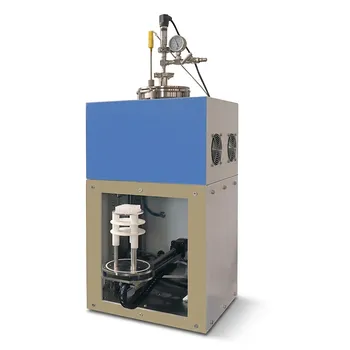
Rapid Thermal Processing RTP Atmosphere Controlled Bottom Loading Furnace 1100C High Throughput 50C per Second Heating Rate
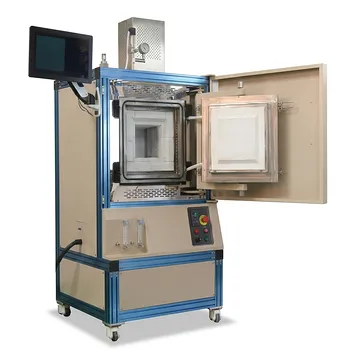
High Temperature Hydrogen Atmosphere Box Furnace 1650C Max Reducing Environment Material Synthesis System 8x8x8 Chamber
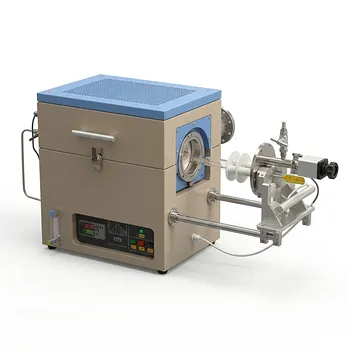
Compact Atmosphere Controlled Rapid Thermal Processing RTP Furnace with 4 Inch ID Quartz Tube 1100C
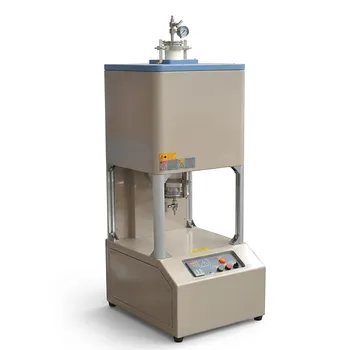
Vertical 1700C Vacuum and Atmosphere Tube Furnace with 80mm Alumina Tube
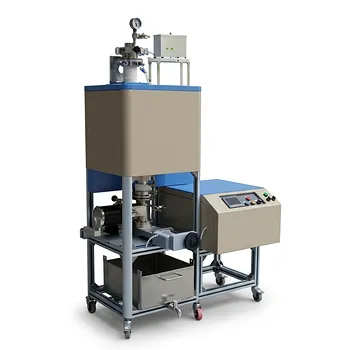
High Temperature 1700C Vertical Tube Furnace for Powder Spherification and Material Sintering